Journal
Things to Do in Richmond: Your Guide to London's Riverside Village
Written by Julian Reyes · Licensed Real Estate Agent
Published 10 May 2026 · Updated 11 June 2026 · 5 min read
The short answer
When exploring things to do in Richmond, you'll quickly understand why this Thames-side village has captivated Londoners for centuries. Nestled in a sweeping bend of the river, Richmond combines Georgian elegance with natural splendour, offering a rare balance of metropolitan connectivity and village tranquillity.
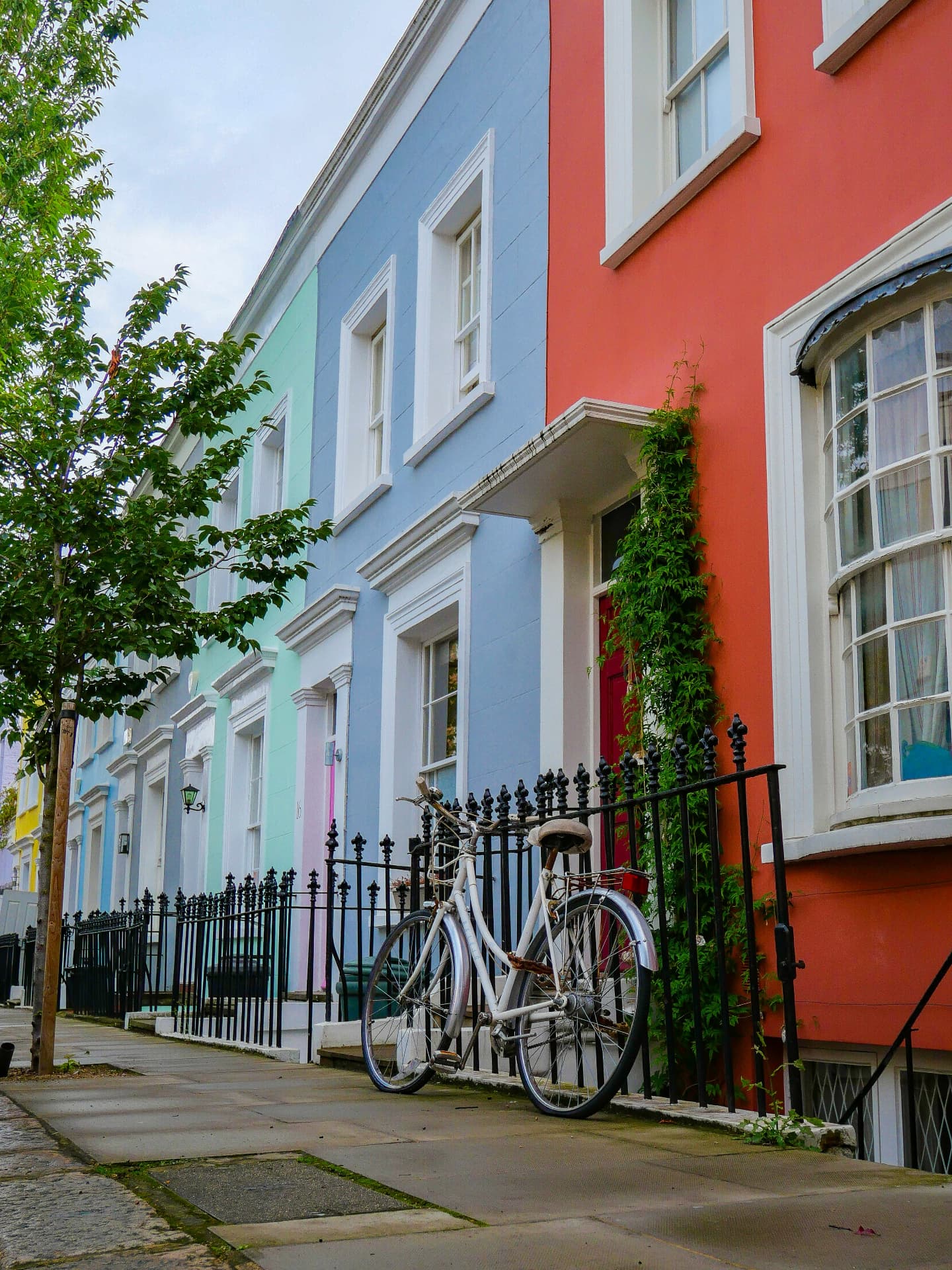
When exploring things to do in Richmond, you'll quickly understand why this Thames-side village has captivated Londoners for centuries. Nestled in a sweeping bend of the river, Richmond combines Georgian elegance with natural splendour, offering a rare balance of metropolitan connectivity and village tranquillity. Our team at Seymont London has watched this area flourish, with its cobbled lanes, historic pubs and riverside terraces drawing discerning buyers and renters alike. Whether you're considering <a href="/property-for-sale/richmond">property for sale in Richmond</a> or simply planning a weekend escape, this guide reveals why Richmond remains one of London's most distinctive addresses.
Richmond Park: A Royal Wilderness on Your Doorstep
Richmond Park stands as Europe's largest walled Royal Park, spanning 2,500 acres of ancient woodland, grassland and herds of red and fallow deer that have roamed freely since 1637. The park's elevated position offers sweeping views across the Thames Valley towards Windsor, whilst its Isabella Plantation presents a woodland garden renowned for its azaleas and rhododendrons that blaze with colour each spring.
The Richmond Park Golf Club occupies a privileged position within the park's boundaries, though visitors need not swing a club to appreciate the landscape. Pembroke Lodge, once home to Lord John Russell, now serves as a café with terraces overlooking the Thames Valley. King Henry's Mound provides a protected sight line to St Paul's Cathedral ten miles distant, a vista preserved by planning law since 1710.
Cycling, riding and walking routes crisscross the park, with Pen Ponds offering peaceful respite for contemplation. We've noticed that proximity to Richmond Park consistently influences property values across the area, with homes offering park access commanding particular attention from buyers seeking that rare combination of London postcode and countryside living.
Richmond Green and the Historic Village Heart
Richmond Green forms the social and architectural centrepiece of the village, a sweep of grass framed by Georgian townhouses, Victorian villas and the occasional Tudor survivor. Cricket has been played here since the 18th century, and summer weekends still see matches unfold against a backdrop of period architecture that remains remarkably intact.
The Green's western edge leads to Richmond Theatre, a Frank Matcham masterpiece from 1899 that continues to host West End productions before they transfer into central London. Nearby, the Quadrant development curves elegantly from the Green towards the station, its Edwardian façades concealing boutique shops and independent restaurants that give Richmond its distinctive character.
Richmond's village centre extends from the Green down to the riverside through narrow lanes lined with antique dealers, delicatessens and family-run businesses that have traded here for generations. This concentration of independent retail distinguishes Richmond from more generic shopping districts, creating a sense of place that resonates with those exploring <a href="/estate-agents/richmond">the local property market</a>.
Richmond Attractions Along the Thames Path
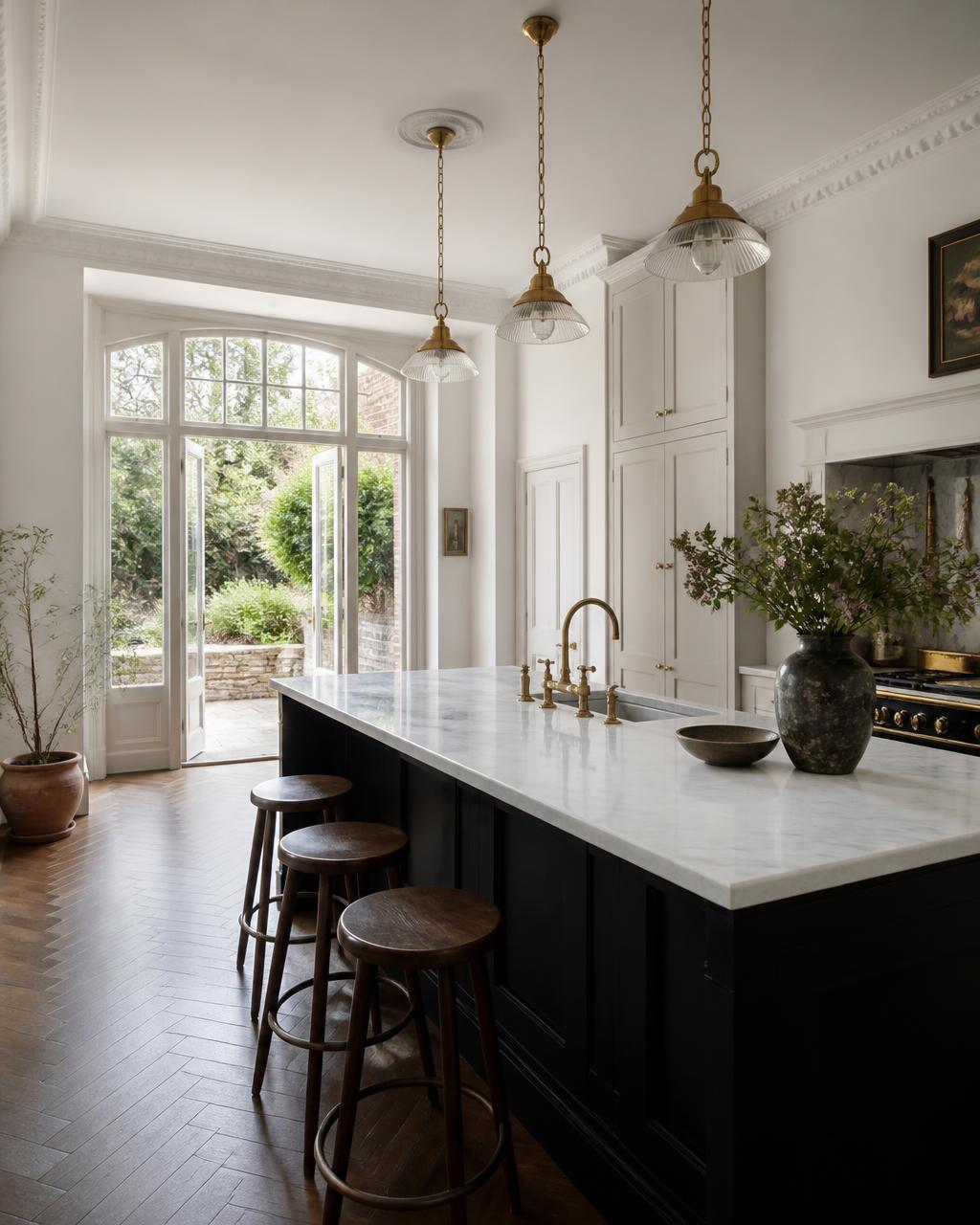
The Thames Path curves through Richmond, offering riverside walks that extend upstream towards Teddington Lock and downstream towards Kew. Richmond Bridge, completed in 1777, remains London's oldest surviving Thames bridge, its five Portland stone arches framing views towards Richmond Hill that painters from Turner to Reynolds captured on canvas.
The riverside promenade between the bridge and Richmond Lock bustles with activity year-round, its restaurants and pubs spilling onto terraces overlooking the water. At low tide, the foreshore reveals centuries of riverine history, whilst high water transforms the scene into a Continental-style waterfront. Richmond's unique half-tide lock system, the only one on the Thames, maintains navigable water levels upstream whilst preserving the river's tidal character.
Boat trips depart regularly for Hampton Court and Kew Gardens, whilst rowing clubs and sailing associations launch from the slipways that have served river users for generations. This Thames frontage creates a quality of life that distinguishes Richmond within London's property landscape, influencing why buyers gravitate towards homes within walking distance of the water.
Talk to Seymont
What's your home worth?
A considered view on price, timing and how to bring your London home to market — a personal reply within 24 hours.
Your property
Step 1 of 2What to Do in Richmond: Culture and Dining
The Museum of Richmond occupies the Old Town Hall on Whittaker Avenue, presenting the area's evolution from royal manor to suburban village through archaeological finds and social history. Meanwhile, the Riverside Gallery showcases contemporary art in a light-filled space overlooking the Thames, offering a rotating programme that draws visitors from across London.
Richmond's dining scene reflects its affluent, cosmopolitan population, with establishments ranging from Michelin-recognised restaurants to traditional pubs that have served ale since coaching days. The area around Richmond Station and the Quadrant concentrates much of this provision, though genuine finds occupy quieter streets away from the obvious thoroughfares.
Pub Richmond searches reflect enduring interest in the area's historic hostelries, many occupying buildings that predate Victorian railway expansion. The balance between chain familiarity and independent character remains carefully weighted, preserving Richmond's village atmosphere whilst meeting contemporary expectations. Those considering <a href="/let-your-property/richmond">letting property in Richmond</a> note that this cultural infrastructure supports strong rental demand from professionals and families alike.
Richmond Weekend Guide: Beyond the Village Centre
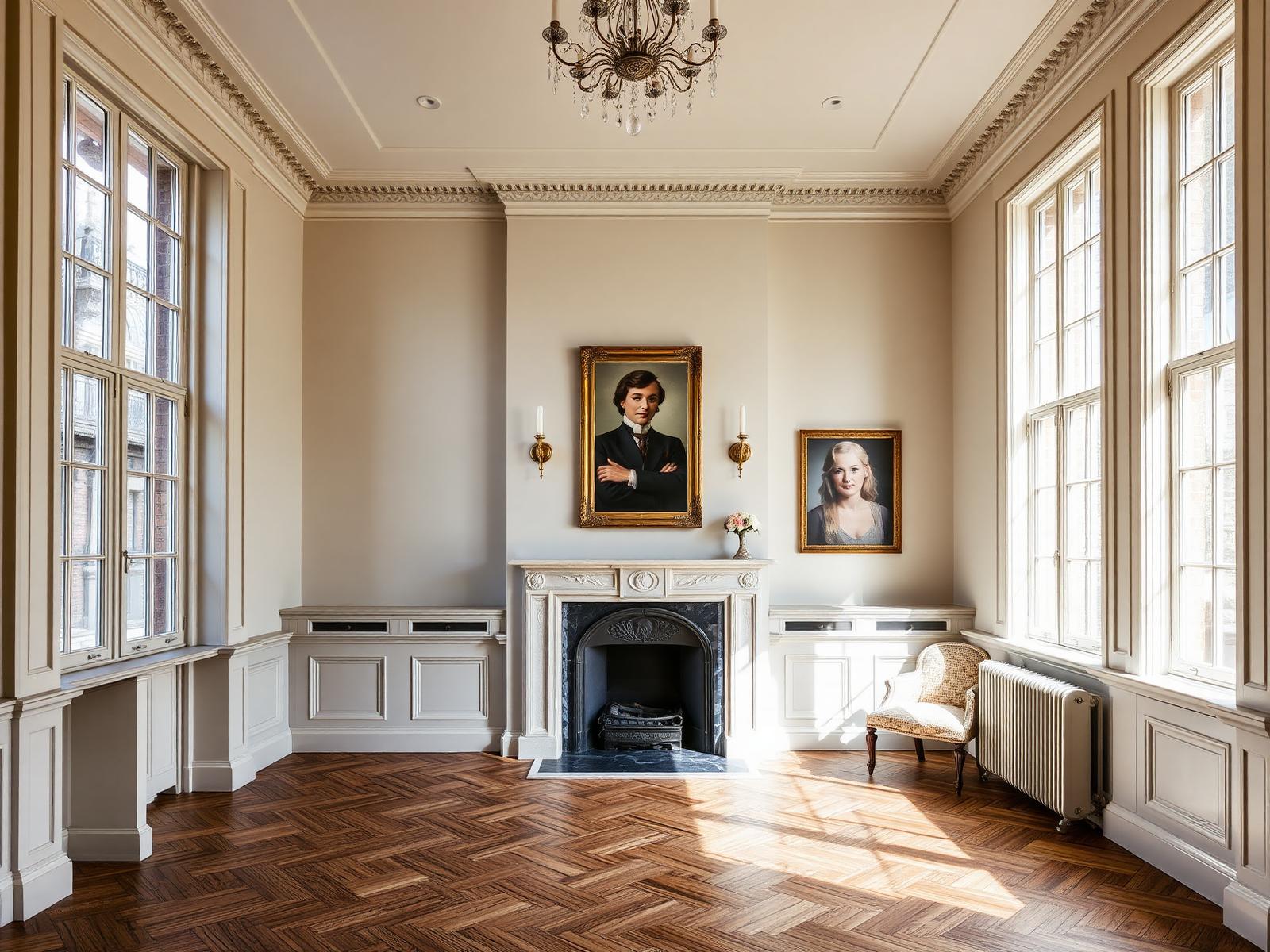
Richmond's immediate surroundings extend its appeal considerably. Petersham Nurseries, occupying glasshouses and grounds south of Richmond Park, combines a renowned restaurant with horticultural retail in a setting that feels remarkably rural despite being within Greater London. Marble Hill House, the Palladian villa commissioned by Henrietta Howard in 1724, presents English Heritage-managed interiors and grounds that host summer concerts.
Kew Gardens lies within easy reach downstream, its 326 acres of botanical collections and Victorian glasshouses forming a UNESCO World Heritage Site. Ham House and Garden, a 17th-century Stuart mansion preserved by the National Trust, offers insight into Restoration-era aristocratic life, its formal gardens recently restored to their 1670s layout.
Richmond's position within Zone 4 yet barely 25 minutes from Waterloo creates exceptional connectivity for a location that feels distinctly village-like. This accessibility, combined with outstanding schools and green space, explains the area's consistent appeal within London's property market. Our team observes that Richmond attracts buyers seeking a permanent base rather than a stepping stone, with many families remaining through multiple property moves within the area.
Richmond London: Property Market Context
Understanding Richmond's property landscape requires acknowledging the area's evolution from royal hunting ground to sought-after residential village. The architectural variety ranges from Georgian terraces near Richmond Green through Victorian expansion around the station to substantial Edwardian villas lining the slopes of Richmond Hill. Post-war development introduced mansion flats and contemporary apartments, particularly near the river, broadening the market beyond period houses.
Whilst we cannot provide current transaction data for this specific timeframe, the broader Richmond market traditionally reflects strong fundamentals: exceptional schools, unmatched green space, cultural amenities and transport links that connect to central London within half an hour. Those exploring <a href="/house-prices/richmond">house prices in Richmond</a> find that different pockets command varying premiums based on proximity to the park, river views and architectural merit.
The rental market proves equally robust, with Richmond's lifestyle offer attracting professionals, families and international relocators seeking stability and quality of life. The area's self-contained nature, with comprehensive retail, dining and cultural provision, means residents need rarely venture beyond the village for daily needs, creating a genuine community that extends beyond mere dormitory status.
Talk to Seymont
What's your home worth?
A considered view on price, timing and how to bring your London home to market — a personal reply within 24 hours.
Your property
Step 1 of 2About the author
Julian ReyesLicensed Real Estate Agent
Julian has spent eleven years handling residential sales across west and central London, previously with the independent agencies Harlowe & Vance and Marchmont Row. He runs listings end to end, from pricing and presentation through to negotiating offers and holding chains together to completion. His writing focuses on the practical mechanics of buying and selling a home in a market where timing and preparation decide the outcome.
Licensed estate agent · 11 years in London residential sales
- Residential sales
- First-time buyers
- Offer negotiation
- Chain management
Frequently asked
- What makes Richmond different from other London villages?
- Richmond uniquely combines Europe's largest Royal Park, a Thames-side setting, intact Georgian architecture around the Green, and outstanding connectivity to central London. The 2,500-acre Richmond Park brings deer herds and ancient woodland directly to the village edge, whilst the riverside location offers waterfront dining and Thames Path walks. Most London villages compromise on one or more elements; Richmond delivers exceptional green space, architectural heritage and cultural amenities simultaneously.
- How accessible is Richmond for commuting to central London?
- Richmond Station provides District Line Underground services and South Western Railway trains reaching Waterloo in approximately 20 minutes during peak times. The station serves as a major interchange, with connections to Clapham Junction and routes across southwest London. This Zone 4 location offers countryside character with commuter-belt convenience, explaining its enduring appeal among professionals working in the City or West End.
- Can you walk around Richmond Park easily?
- The Tamsin Trail forms a 7.35-mile circuit around Richmond Park's perimeter, suitable for walking, running and cycling. Most visitors explore specific areas rather than completing the full circuit, with car parks providing access to highlights including Isabella Plantation, Pembroke Lodge and King Henry's Mound. The park opens at dawn and closes at dusk throughout the year, with pedestrian gates remaining accessible when vehicle gates close.
- What are Richmond's best riverside walks?
- The Thames Path extends upstream from Richmond Bridge towards Teddington Lock through Petersham Meadows, offering three miles of waterside walking through protected floodplain. Downstream towards Kew passes through Old Deer Park and under Kew Bridge, covering approximately two miles of towpath. Both routes showcase Richmond's Thames-side character, with numerous pubs and cafés providing refreshment stops along the way.
- Is Richmond considered part of Surrey or London?
- Richmond sits within the London Borough of Richmond upon Thames, having been absorbed into Greater London upon its creation in 1965. Historically, Richmond formed part of Surrey, and some references still mention 'Richmond Surrey' reflecting this heritage. For administrative, postal and property purposes, Richmond is unequivocally within Greater London, though its village character and Thames Valley setting retain a distinctly non-metropolitan atmosphere.