Journal
Average Rent in Richmond: A Comprehensive Guide
Written by Amara Bennett · Property Market Analyst
Published 24 February 2026 · Updated 11 June 2026 · 7 min read
The short answer
Richmond has long been regarded as one of London's most desirable postcodes, combining leafy streets, period architecture, and unrivalled access to green space with excellent transport links into central London. Understanding the average rent in Richmond is essential for both prospective tenants seeking their next home and landlords looking to position their properties competitively in this affluent corner of south-west London.
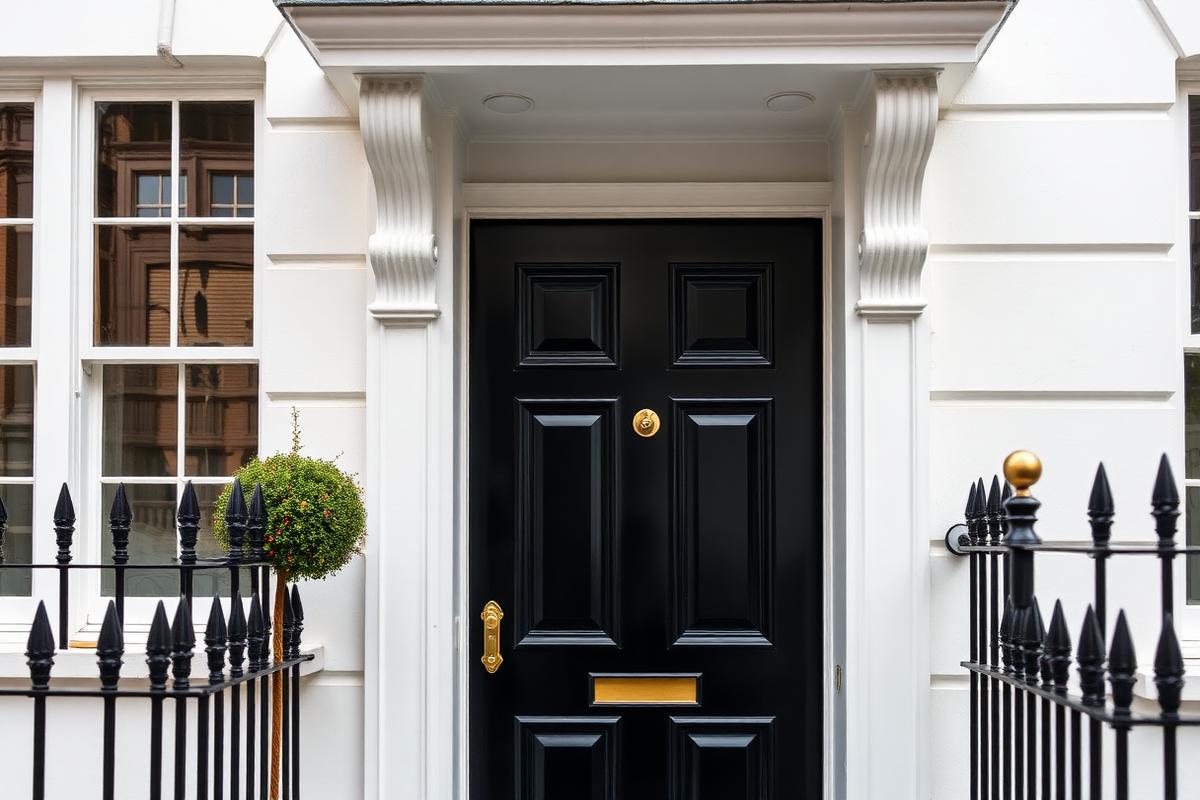
Richmond has long been regarded as one of London's most desirable postcodes, combining leafy streets, period architecture, and unrivalled access to green space with excellent transport links into central London. Understanding the average rent in Richmond is essential for both prospective tenants seeking their next home and landlords looking to position their properties competitively in this affluent corner of south-west London. Our team at Seymont London regularly monitors rental trends across the capital, and Richmond consistently demonstrates why it commands premium pricing in the lettings market. From Victorian terraces overlooking Richmond Green to contemporary riverside apartments, the area offers diverse accommodation to suit varying budgets and lifestyles, though all command rates that reflect the borough's enduring appeal.
Understanding Richmond Rent Prices Across Property Types
The rental landscape in Richmond reflects the area's architectural diversity and its position as one of London's most attractive residential neighbourhoods. Richmond rent prices vary considerably depending on property type, location within the district, and proximity to key amenities such as Richmond Park, the Thames riverside, and Richmond station.
Flats in purpose-built developments along the river corridor typically attract young professionals and downsizers seeking low-maintenance living with picturesque views. Period conversions in the conservation areas surrounding Richmond Green and the town centre appeal to tenants who value character features and proximity to the independent shops, restaurants and cultural venues that define the area's village atmosphere. Family houses, particularly those within catchment of Richmond's highly regarded state and independent schools, command the highest rental values and often see considerable competition from prospective tenants.
While we cannot provide specific median figures due to limited recent data from the ONS for this locality, our team's experience in the Richmond market indicates that rental values have remained robust, supported by consistent demand from a diverse tenant base. The area attracts everyone from young professionals commuting into the City and West End, to families prioritising education and green space, to international relocations seeking a quintessentially British neighbourhood with global connectivity.
Location within Richmond significantly influences rental pricing. Properties closer to Richmond station benefit from the District line and London Overground services, whilst those nearer Richmond Park or the Thames often command premiums for their exceptional surroundings. Streets such as Richmond Hill, with its famous vista protected by an Act of Parliament, and addresses around Richmond Green consistently achieve the strongest rental values in the borough.
How Much is Rent in Richmond Compared to Neighbouring Areas
When prospective tenants ask how much is rent in Richmond, the answer invariably requires context about the broader south-west London rental market. Richmond's rental values typically exceed those in neighbouring Twickenham and Barnes, reflecting its superior transport connections, concentration of amenities, and the prestige associated with a Richmond postcode.
The premium that Richmond commands over nearby areas is justified by several factors. The town centre offers an exceptional range of independent retailers, restaurants, and cultural venues including the Richmond Theatre and several well-regarded gastropubs scattered throughout the area. Richmond Park, at 2,500 acres, provides an unparalleled amenity on the doorstep, whilst the riverside location offers both recreational opportunities and aesthetic appeal that few London suburbs can match.
Compared to other affluent south-west London neighbourhoods such as Wimbledon or Putney, Richmond often achieves comparable or slightly higher rental values for equivalent property types. This reflects the area's particular combination of heritage—its royal connections date back centuries—with modern convenience. Unlike some equally prestigious but more isolated London suburbs, Richmond offers direct underground access to central London whilst retaining a distinct identity and self-contained amenity base.
For tenants considering houses to rent in this part of London, Richmond represents a competitive market where quality properties are swiftly let. Our experience at Seymont London suggests that well-presented homes in desirable pockets, particularly those near Richmond station or within the catchment areas of outstanding schools, often receive multiple applications within days of marketing. This competitive dynamic supports rental values and means landlords with properties in prime positions can maintain strong returns.
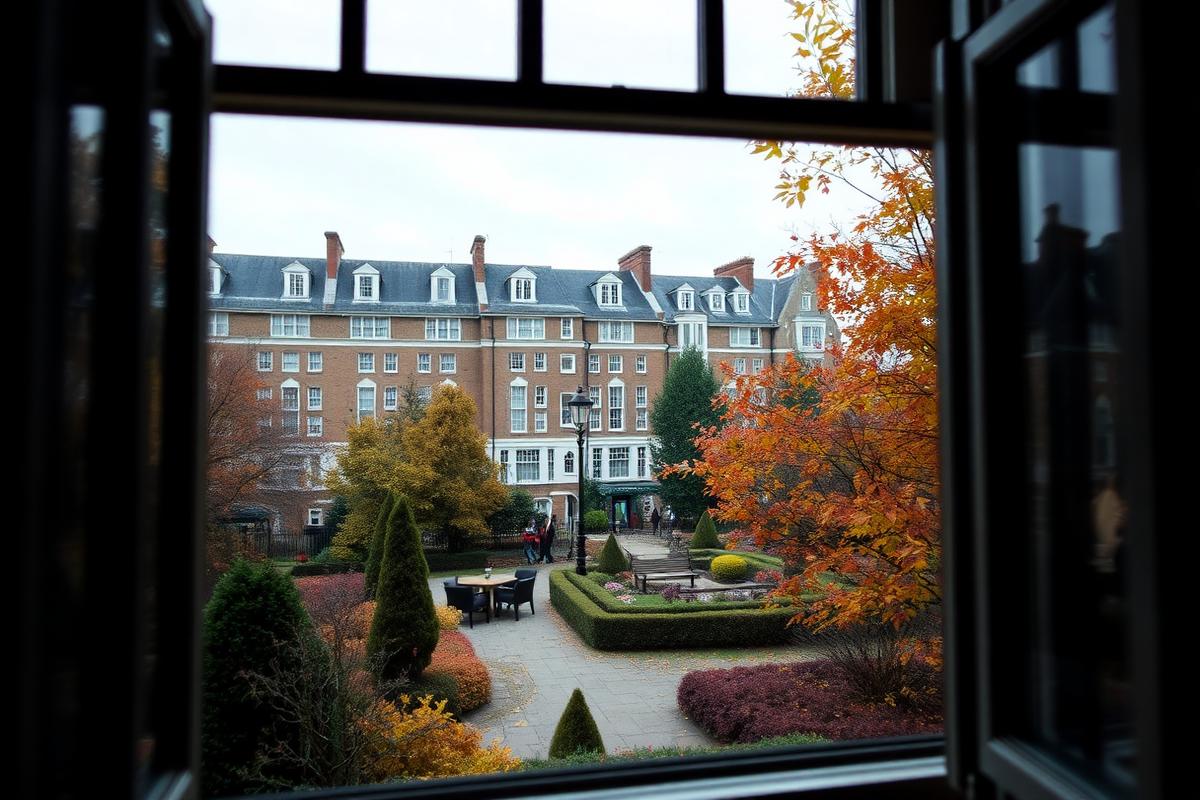
Richmond Rental Yields and Investment Considerations
For property investors and landlords, understanding Richmond rental yields is crucial when evaluating the area's potential. Richmond presents an interesting proposition: whilst capital values are high, reflecting the area's desirability and limited housing stock, rental demand remains consistently strong across economic cycles.
Richmond rental yields typically sit below the London average in percentage terms, which is characteristic of prime residential areas where capital appreciation is the primary investment driver. However, the reliability of tenant demand, the quality of the tenant pool, and the area's resilience during market downturns make Richmond an attractive location for landlords seeking stable, long-term returns rather than maximum percentage yields.
The tenant demographic in Richmond tends towards high-earning professionals and families, often with stable employment in sectors such as finance, law, media, and technology. This translates to reliable rental payments and typically longer tenancy periods, reducing void periods and turnover costs for landlords. Properties that appeal to families—particularly those with gardens, multiple bedrooms, and school catchment advantages—often achieve the longest tenancies, sometimes extending for several years.
Investors should also consider the regulatory environment when evaluating Richmond as a lettings market. The borough's selective licensing schemes and additional HMO regulations mean landlords must ensure full compliance, though our team at Seymont London can guide property owners through these requirements. For those looking to let your property in Richmond, professional management can maximise returns whilst ensuring all legal obligations are met. The area's strong fundamentals—limited development opportunities, enduring prestige, excellent transport, and outstanding amenity—suggest that Richmond will continue to command premium rents and attract quality tenants for the foreseeable future.
Talk to Seymont
What's your home worth?
A considered view on price, timing and how to bring your London home to market — a personal reply within 24 hours.
Your property
Step 1 of 2Richmond's Rental Market: Location-Specific Insights
Richmond's rental market cannot be understood as a single entity; the area encompasses distinct micro-markets, each with particular characteristics and tenant profiles. The riverside developments attract a different demographic than the Victorian terraces near Richmond Green, whilst properties on the hill command premiums for their views and prestige addresses.
Richmond Green and the surrounding conservation area represent the historical heart of the district. Period properties here—Georgian townhouses, Victorian terraces, and Edwardian conversions—appeal to tenants seeking character and a village-like atmosphere whilst remaining within easy reach of London. The proximity to independent shops, Richmond Theatre, and numerous well-regarded pubs and restaurants makes this pocket particularly attractive to professionals and smaller families.
The riverside corridor, stretching from Richmond Bridge towards Twickenham, has seen considerable development in recent decades, with purpose-built apartment blocks offering contemporary living with Thames views. These properties typically attract young professionals, couples, and downsizers who prioritise modern specifications, secure parking, and low maintenance over period features. Rental values here reflect the premium commanded by waterside living and the quality of recent developments.
Richmond Hill, with its protected panorama and grand period properties, represents the premium segment of the rental market. Houses here often feature substantial gardens, period details, and commanding positions that have attracted wealthy residents for centuries. Rental values in this micro-market are among the highest in the borough, and properties are often let through personal networks before reaching the open market.
For those exploring estate agents in Richmond, local expertise becomes invaluable in navigating these distinct sub-markets. Our team's knowledge of which streets are within particular school catchments, where parking is more readily available, and which developments offer the best specifications helps match tenants with appropriate properties efficiently. Understanding these nuances is essential whether you're searching for property for sale in Richmond as an investment or seeking to position a rental property competitively.
Future Outlook for Richmond's Rental Market
The outlook for Richmond's rental market remains positive, supported by structural factors that have underpinned the area's appeal for decades. The combination of limited housing supply—Richmond is largely built out, with conservation areas and Richmond Park constraining development—and consistent demand from a diverse tenant base suggests that rental values will remain resilient.
Several trends are likely to influence Richmond's rental market in the coming years. The shift towards hybrid working has increased demand for properties with dedicated home office space and access to green amenity, both of which Richmond offers in abundance. Families in particular are prioritising locations that offer a village atmosphere, excellent schools, and outdoor space without sacrificing connectivity to central London employment hubs.
Transport improvements, including potential Crossrail 2 proposals that would serve the area, could further enhance Richmond's appeal, though planning uncertainties mean such developments remain distant prospects. More immediately, the area's existing transport connections—the District line provides direct access to key employment centres in the West End and the City, whilst the London Overground serves Clapham Junction and beyond—ensure Richmond remains attractive to commuters.
The rental market's strength also depends on the balance between houses to rent and properties available for purchase. Richmond's high property values mean many prospective residents who might prefer to buy are forced into the rental market, supporting demand for quality lettings. This dynamic is particularly pronounced among families seeking to access outstanding school catchments whilst accumulating deposits for eventual purchases.
For landlords considering the Richmond market, the area offers a compelling proposition despite modest percentage yields. The quality of the tenant pool, the prestige of the location, and the likelihood of long-term capital appreciation make Richmond an enduringly attractive location for property investment. Those seeking detailed analysis of house prices in Richmond alongside rental market intelligence will find that the area's fundamentals—scarcity, prestige, amenity, and connectivity—continue to support both capital and rental values in this exceptional corner of London.
Talk to Seymont
What's your home worth?
A considered view on price, timing and how to bring your London home to market — a personal reply within 24 hours.
Your property
Step 1 of 2About the author
Amara BennettProperty Market Analyst
Amara spent seven years as a market analyst at Kestrel Lane Research, a small London property consultancy, before joining our editorial desk. She reads sold-price and rental data street by street to explain how individual London postcode districts actually behave, and reviews every price figure we publish. Her focus is separating headline national averages from what a specific address is worth today.
MSc Real Estate Economics · Seven years in property market research
- Valuations
- Local market data
- Sold prices
- Pricing strategy
Frequently asked
- What is the average rent for a two-bedroom flat in Richmond?
- Whilst specific median figures vary depending on exact location and property specification, two-bedroom flats in Richmond typically command premium rental values reflecting the area's desirability. Properties in modern riverside developments often achieve different rates than period conversions near Richmond Green. Our team at Seymont London can provide current market intelligence based on recent lettings in specific pockets of Richmond to help you understand realistic rental expectations for your requirements.
- Is Richmond a good area for rental investment?
- Richmond offers excellent fundamentals for rental investment, including consistently strong tenant demand, a high-quality tenant pool, limited housing supply, and enduring prestige. Whilst percentage yields are typically lower than in other London areas due to high property values, the reliability of rental income, long tenancy periods, and potential for capital appreciation make Richmond attractive for landlords seeking stable, long-term returns. The area's outstanding schools, transport connections, and green space ensure sustained demand across economic cycles.
- How does rent in Richmond compare to other parts of south-west London?
- Richmond's rental values are among the highest in south-west London, typically exceeding neighbouring Twickenham and comparable to areas such as Barnes and Wimbledon. This premium reflects Richmond's superior transport connections via the District line and London Overground, the exceptional amenity of Richmond Park and the riverside, the concentration of independent shops and restaurants, and the prestige associated with the address. The combination of village atmosphere with direct underground access to central London justifies the area's premium positioning in the rental market.
- What types of tenants typically rent in Richmond?
- Richmond attracts a diverse but generally affluent tenant base. Young professionals working in central London are drawn to the area's transport connections and vibrant social scene, often renting flats in the town centre or riverside developments. Families represent a significant proportion of tenants, particularly those seeking access to Richmond's outstanding state and independent schools whilst enjoying proximity to Richmond Park. International relocations and corporate tenants also feature prominently, attracted by Richmond's global reputation, green space, and quintessentially British character combined with excellent connectivity.
- Are rental properties in Richmond near Richmond Park more expensive?
- Properties with direct access to Richmond Park or views across the parkland typically command rental premiums, reflecting the exceptional amenity that 2,500 acres of royal parkland provides. Homes on streets immediately bordering the park, particularly those on Richmond Hill with protected views, achieve the highest rental values in the area. However, given Richmond's compact nature, most residential properties are within comfortable walking or cycling distance of the park, meaning even those not directly adjacent benefit from this remarkable green space as a key selling point to prospective tenants.