Journal
Things to Do in Fulham
Written by Nina Castellano · Investment Property Advisor
Published 28 December 2025 · Updated 27 July 2026 · 6 min read
The short answer
Fulham has evolved into one of London's most desirable riverside neighbourhoods, offering an exceptional blend of culture, gastronomy and green spaces. Whether you're considering making this corner of south-west London your home or simply exploring what the area has to offer, our guide to things to do in Fulham reveals why this vibrant district continues to attract discerning residents and visitors alike.
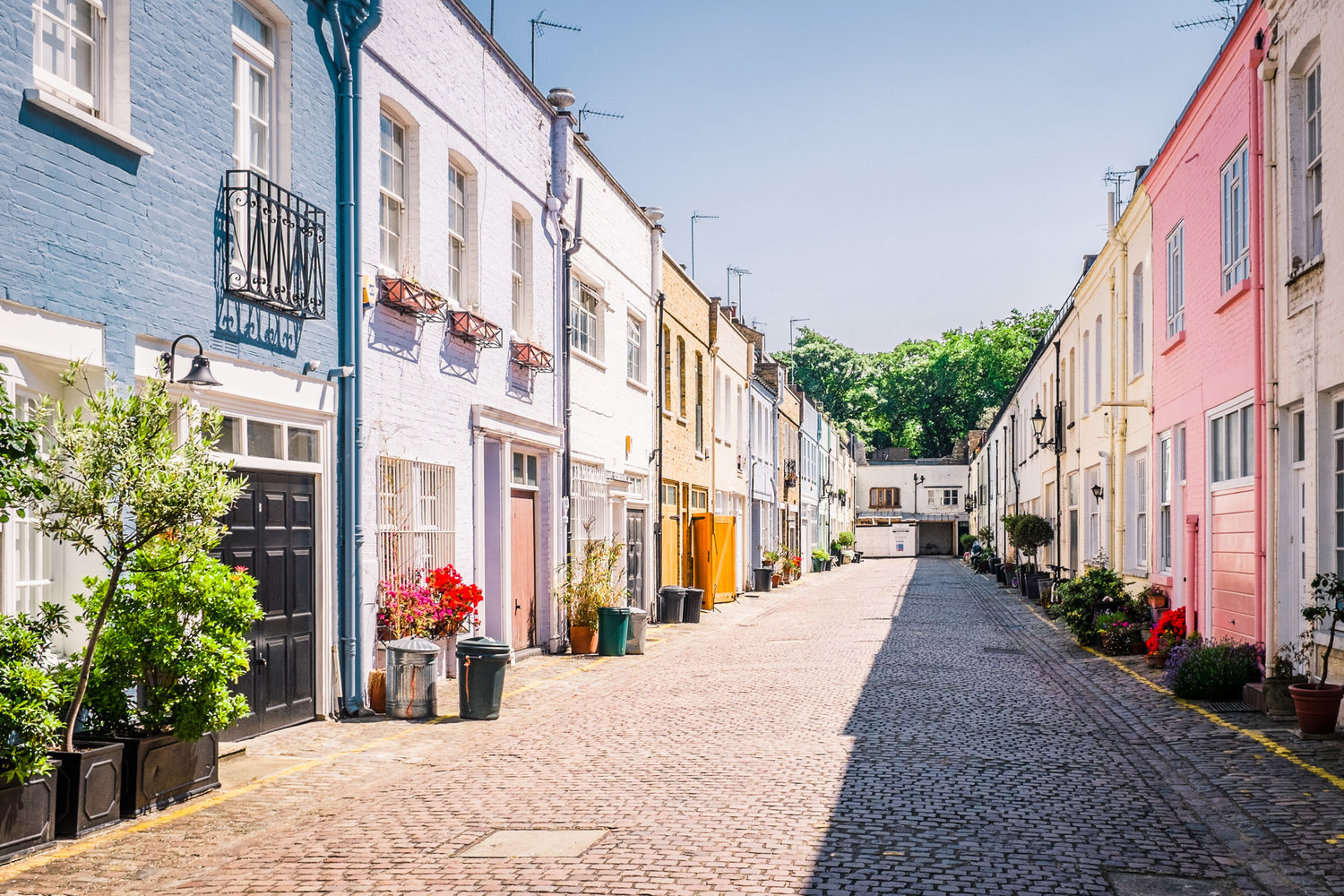
Fulham has evolved into one of London's most desirable riverside neighbourhoods, offering an exceptional blend of culture, gastronomy and green spaces. Whether you're considering making this corner of south-west London your home or simply exploring what the area has to offer, our guide to things to do in Fulham reveals why this vibrant district continues to attract discerning residents and visitors alike. From the historic grandeur of Fulham Palace to the bustling atmosphere around Fulham Broadway, this leafy enclave provides a lifestyle that balances urban convenience with village charm.
Exploring Fulham's Historic Landmarks and Cultural Attractions
At the heart of Fulham attractions stands Fulham Palace, a Grade I listed building with over 1,300 years of history as the former residence of the Bishops of London. Set within thirteen acres of stunning gardens bordering the Thames, the palace offers guided tours, seasonal exhibitions and a charming café where you can enjoy afternoon tea surrounded by botanical splendour. The palace grounds alone warrant repeated visits throughout the year, with the walled garden showcasing rare plant specimens collected over centuries.
Sporting enthusiasts will recognise Fulham's ground—Craven Cottage—as one of English football's most atmospheric stadiums. Home to Fulham Football Club since 1896, this Thames-side venue features the iconic Johnny Haynes Stand and the charming Cottage Pavilion. Match days transform the streets around Stevenage Road into a sea of black and white, with local pubs filling with supporters who contribute to the area's community spirit. Even non-football fans appreciate the stadium's architectural heritage and its role in the neighbourhood's identity.
The Hurlingham Club, though private, represents another cornerstone of Fulham's cultural landscape. This exclusive members' club set in 42 acres has hosted croquet, polo and tennis since 1869, and its presence contributes to the area's enduring association with leisure and refinement. Meanwhile, the Fulham Palace Road corridor connects these attractions, lined with independent galleries, antique shops and design studios that reflect the area's creative character.
Riverside Living and Green Spaces
The Thames Path running through Fulham offers some of London's finest riverside walks, stretching from Putney Bridge to Hammersmith. We regularly recommend this route to clients seeking to understand why properties with river proximity command premium values—the combination of sweeping water views, historic pubs like The Duke's Head and The Crabtree, and the ever-changing river traffic creates an unmatched sense of place. Early morning joggers, weekend cyclists and evening strollers all share this ribbon of green that reminds residents they're living beside one of the world's great rivers.
Bishop's Park, adjacent to Fulham Palace, provides 27 acres of formal gardens, sports facilities and children's playgrounds. The park's Victorian design includes ornamental lakes, tree-lined avenues and well-maintained tennis courts that buzze with activity during summer months. Families particularly value the park's safe, enclosed environment and its proximity to excellent local schools—factors that influence many of the property decisions we see in the area.
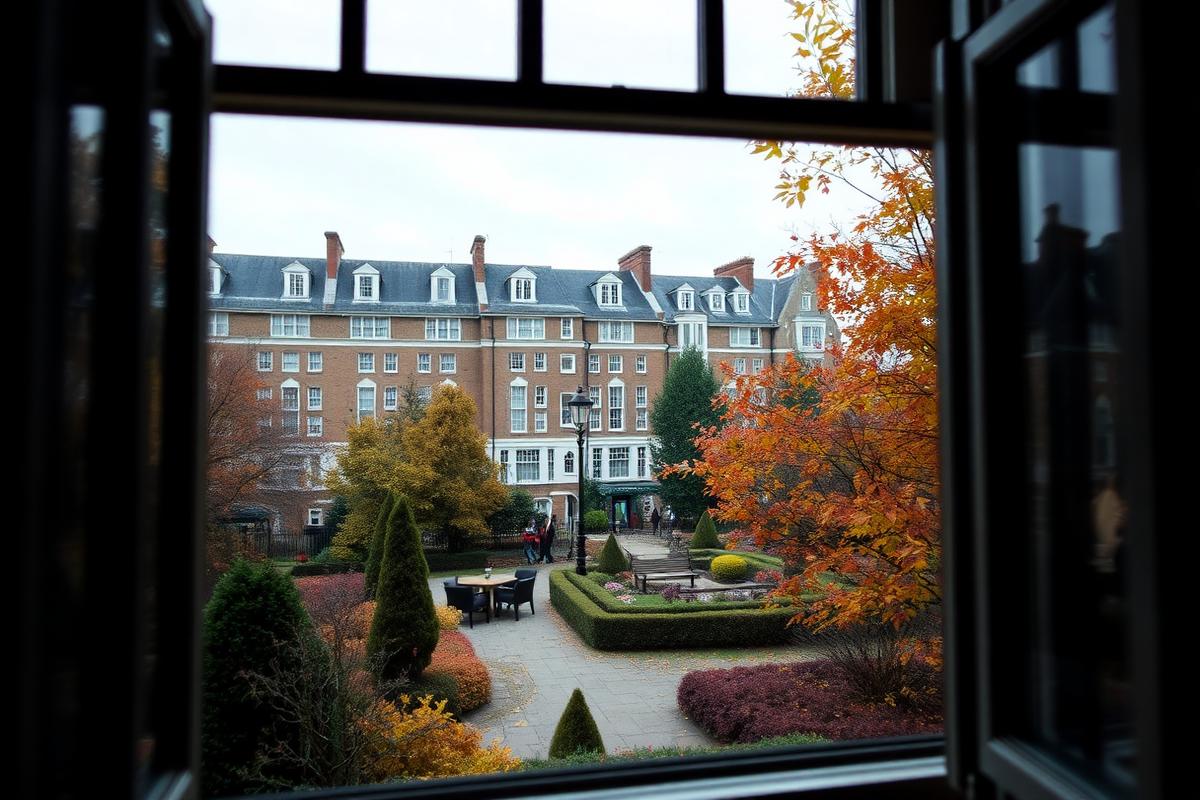
Eel Brook Common and South Park together create additional green lungs within the residential streets, offering neighbourhood gathering spaces where the community spirit flourishes. These smaller parks host regular farmers' markets, outdoor yoga classes and seasonal festivals that reinforce Fulham's village-like quality despite its Zone 2 location. For those viewing houses in Fulham, proximity to these green spaces often features prominently on their requirements list.
Dining, Shopping and the Fulham Broadway Experience
When considering what to do in Fulham, the dining scene deserves particular attention. Fulham Broadway and the surrounding streets have become a culinary destination, with restaurants spanning every cuisine and price point. The Michelin-starred Claude Bosi at Bibendum may technically sit just over the border, but Fulham's own restaurant scene includes standout establishments like Harwood Arms (Britain's only Michie-starred pub), Manuka Kitchen for health-conscious brunches, and Tommy's for relaxed neighbourhood dining. The density of quality restaurants reflects the area's affluent, internationally-minded residents who expect dining options to match those found in Chelsea or Notting Hill.
The Fulham Broadway shopping centre anchors the retail offering, providing high-street brands alongside a multi-screen cinema and numerous cafés. However, the real shopping treasures lie along the Fulham Road, New King's Road and in the boutique-lined streets around Parsons Green. Independent homeware shops, children's boutiques, delicatessens and wine merchants cater to residents furnishing the flats and houses that characterise Fulham's property landscape. According to HM Land Registry Price Paid Data, the median property price in Fulham stands at £725,000, with flats commanding a median of £625,000 and terraced houses reaching £1,489,500—figures that reflect the calibre of lifestyle the area supports.
Fulham's weekend guide wouldn't be complete without mentioning the weekly Northcote Road market (just across Wandsworth Bridge) and the regular pop-ups in Bishop's Park. These markets provide fresh produce, artisanal foods and vintage finds, whilst supporting the independent trading culture that residents value. The combination of convenient chain retail and distinctive independent offerings creates a shopping ecosystem that serves daily needs without requiring trips into central London.
Talk to Seymont
What's your home worth?
A considered view on price, timing and how to bring your London home to market — a personal reply within 24 hours.
Your property
Step 1 of 2Arts, Entertainment and Evening Activities
Fulham's evening entertainment spans sophisticated wine bars, traditional pubs and intimate music venues. The White Horse on Parsons Green—affectionately known as the 'Sloaney Pony'—remains a neighbourhood institution, whilst newer arrivals like The Temperance and The Crabtree showcase the area's evolving pub culture. These establishments serve as social hubs where the community gathers, particularly important in an area where many residents work in central London but seek local connections.
The area's proximity to the Olympic Studios in Barnes and the Eventim Apollo in Hammersmith means world-class entertainment sits minutes away, yet Fulham maintains its own cultural calendar. The Fulham Palace hosts concerts, theatre performances and literary events throughout the year, transforming the historic courtyards into atmospheric performance spaces. Local galleries along Fulham Road regularly exhibit emerging and established artists, contributing to the creative atmosphere that attracts media professionals and artists to the area.
For those interested in Fulham homes, the evening economy represents an important lifestyle consideration. The balance between vibrant entertainment options and residential tranquillity distinguishes Fulham from more intensely commercial areas. Streets away from the main thoroughfares maintain peaceful, family-friendly character, whilst Fulham Broadway and Parsons Green provide concentrated activity hubs—a spatial arrangement that satisfies diverse household needs within a compact geography.
Living in Fulham: Property and Community Considerations
Understanding what makes Fulham special requires looking beyond tourist attractions to the lived experience of residents. The area attracts young professionals, established families and downsizers—each drawn by different aspects of the Fulham offer. Transport links via Fulham Broadway (District line), Parsons Green (District line) and Imperial Wharf (Overground) provide excellent connectivity, whilst the neighbourhood retail density means daily errands rarely require travel beyond a few streets.
Our experience in the local market, detailed further on our [Fulham estate agents page](/estate-agents/fulham), reveals that buyers particularly value the area's school catchments, architectural variety and community cohesion. According to ONS data, rental values reflect this desirability: studio flats range from £1,150 to £1,775 monthly, whilst three-bedroom properties command £2,725 to £4,275. These figures position Fulham as more accessible than neighbouring Chelsea whilst maintaining comparable lifestyle amenities—a calculation that influences many purchasing decisions we facilitate.
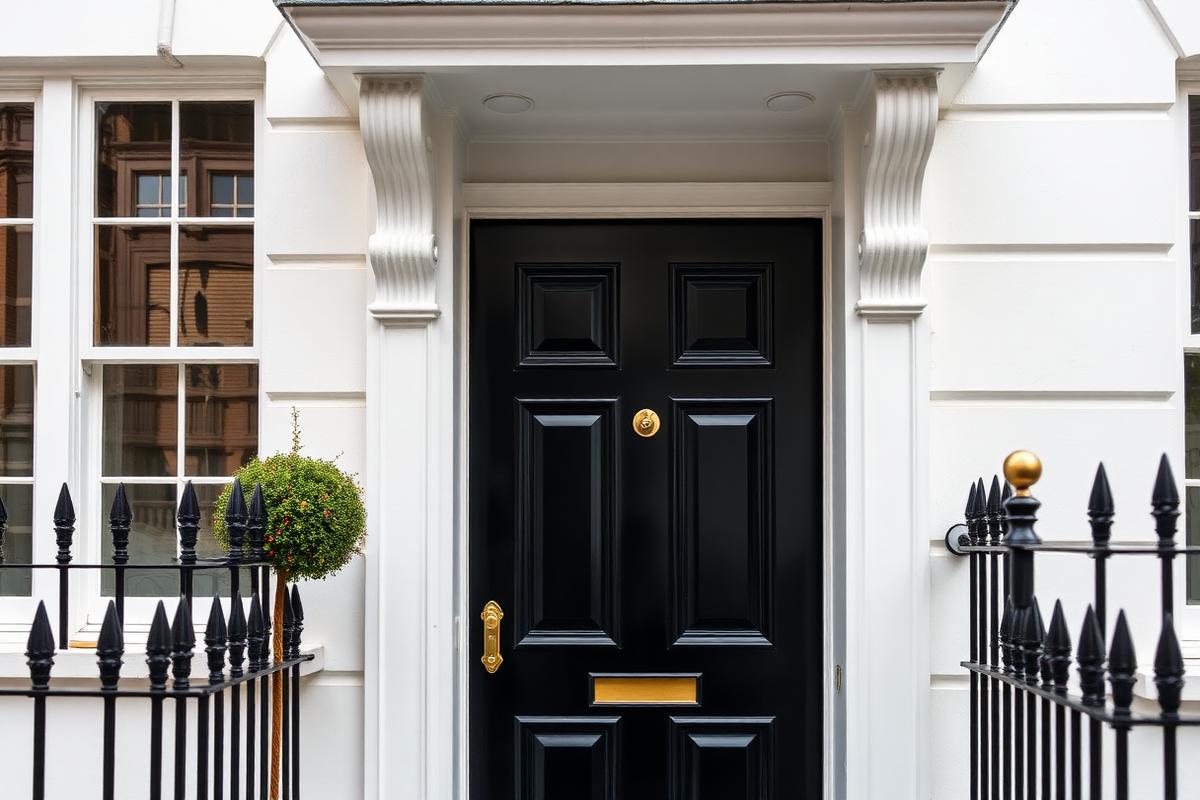
The variety of [property for sale in Fulham](/property-for-sale/fulham) spans elegant Victorian terraces, purpose-built mansion blocks, modern riverside developments and charming mews houses. This architectural diversity means different household configurations can all find suitable homes within the area, contributing to the social mix that prevents Fulham from feeling homogeneous. Whether you're seeking a flat in a converted building along Fulham Palace Road or a family house near South Park, the common thread is access to the amenities and activities that define contemporary Fulham living.
For landlords and investors, our [letting services](/let-your-property/fulham) reflect strong rental demand driven by the area's employment accessibility and lifestyle offering. The combination of stable residential desirability and evolving amenities suggests Fulham's appeal will continue strengthening, making it both an excellent place to live and a sound property investment. Those interested in deeper market analysis can explore our [Fulham house prices guide](/house-prices/fulham) for comprehensive local data.
Talk to Seymont
What's your home worth?
A considered view on price, timing and how to bring your London home to market — a personal reply within 24 hours.
Your property
Step 1 of 2About the author
Nina CastellanoInvestment Property Advisor
Nina advises landlords and investors on rental yields, tenant demand and portfolio structure across Greater London, after running lettings and management at Bellhouse Property Partners. She has overseen single units and multi-property portfolios, and works through compliance, void periods and running costs before a purchase is agreed. Her articles deal with the numbers behind a buy-to-let rather than the headline gross yield.
Lettings and portfolio management · 9 years in London rentals
- Buy-to-let
- Rental yields
- Portfolio strategy
- Landlord compliance
Frequently asked
- What is Fulham best known for?
- Fulham is best known for its Thames-side location, historic Fulham Palace, the atmospheric Craven Cottage football stadium, and its village-like residential character despite being in Zone 2. The area combines leafy streets, excellent restaurants, riverside pubs and strong transport links, making it particularly popular with young families and professionals seeking a balanced London lifestyle.
- Is Fulham expensive to live in?
- According to HM Land Registry data, Fulham's median property price stands at £725,000, with flats at £625,000 and terraced houses at £1,489,500. ONS rental data shows studios from £1,150–£1,775 monthly and two-bedroom properties from £2,050–£3,200. Whilst not inexpensive, Fulham offers relative value compared to neighbouring Chelsea and Kensington whilst providing comparable amenities and lifestyle.
- How do I get to Fulham from central London?
- Fulham benefits from multiple transport options: Fulham Broadway and Parsons Green stations (both District line) connect directly to central London in approximately 15–20 minutes, whilst Imperial Wharf station provides London Overground services. Numerous bus routes serve the area, and the Thames Clipper river bus stops at Putney provide an alternative commuting option during peak times.
- What is there to do in Fulham at the weekend?
- A Fulham weekend guide might include strolling the Thames Path, exploring Fulham Palace and its gardens, browsing independent shops along Fulham Road and New King's Road, enjoying brunch at one of the area's many cafés, watching Fulham FC at Craven Cottage, visiting Bishop's Park, or dining at restaurants ranging from neighbourhood bistros to Michelin-starred establishments. The area also hosts regular farmers' markets and seasonal events.
- Is Fulham a good area for families?
- Fulham is highly regarded for family living, offering excellent state and independent schools, safe residential streets, abundant green spaces including Bishop's Park and Eel Brook Common, and strong community networks. The area provides child-friendly restaurants, activities and shops whilst maintaining easy access to central London for working parents. The variety of property types means families can find suitable homes at different price points, from flats to substantial terraced houses.