Journal
Things to Do in Chelsea: The Definitive Guide
Written by Nina Castellano · Investment Property Advisor
Published 12 December 2025 · Updated 22 May 2026 · 5 min read
The short answer
Chelsea has long been synonymous with elegance, culture and refined living. This storied corner of southwest London offers an exceptional blend of historic landmarks, world-class museums, verdant riverside walks and sophisticated dining.
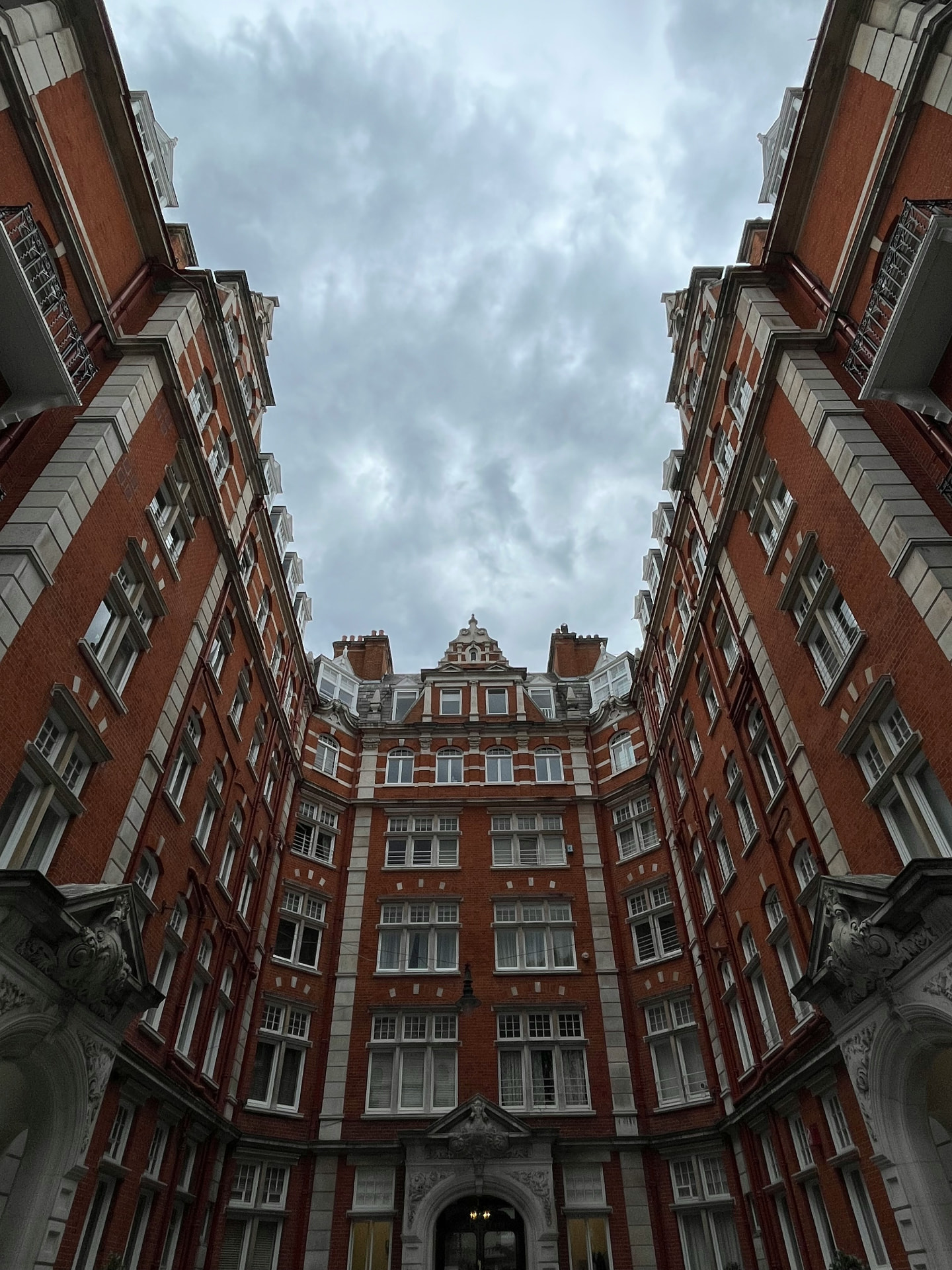
Chelsea has long been synonymous with elegance, culture and refined living. This storied corner of southwest London offers an exceptional blend of historic landmarks, world-class museums, verdant riverside walks and sophisticated dining. Whether you're a prospective resident exploring the neighbourhood or a weekend visitor seeking the quintessential Chelsea experience, our guide to things to do in Chelsea reveals why this area remains one of London's most coveted postcodes. From the iconic Royal Hospital Chelsea to the boutique-lined King's Road, the district's rich heritage and contemporary vitality create an atmosphere unlike anywhere else in the capital.
Historic Chelsea Attractions
The Royal Hospital Chelsea stands as the neighbourhood's most distinguished landmark, its baroque architecture designed by Sir Christopher Wren in the 1680s. Home to the famous Chelsea Pensioners, the institution welcomes visitors to its chapel, Great Hall and museum, offering a fascinating glimpse into three centuries of British military history. The annual Chelsea Flower Show, held in the hospital's grounds each May, transforms the site into a horticultural spectacle that draws enthusiasts from across the globe.
Just moments away, the National Army Museum presents Britain's military story through immersive galleries and changing exhibitions. Entry is complimentary, making it an accessible attraction for families and history enthusiasts alike. The museum's collection spans five centuries, with artefacts ranging from Napoleonic uniforms to contemporary conflict documentation.
Chelsea Barracks, though primarily residential following its transformation, represents another layer of the area's military heritage. The redevelopment has created a new neighbourhood whilst honouring the site's historic significance, complete with publicly accessible gardens designed by Jo Thompson. The Chelsea Arts Club, established in 1891, continues to serve as a private members' club where creative minds have gathered for over a century, though its historic building on Old Church Street adds architectural interest to any walking tour.
Shopping and King's Road
King's Road epitomises Chelsea's enduring style credentials. This famous thoroughfare evolved from a private royal route to become the epicentre of 1960s fashion, and today maintains its reputation as one of London's premier shopping destinations. Independent boutiques sit alongside international brands, whilst the Duke of York Square development provides a contemporary retail and dining hub centred around a striking public square.
The area's antiques trade flourishes along King's Road and the surrounding streets, where specialists offer everything from Georgian silverware to mid-century furniture. These establishments attract collectors and interior designers seeking pieces that cannot be found in conventional retail spaces. The Saturday market on Duke of York Square brings artisan producers and independent makers to Chelsea, creating a vibrant community atmosphere.
For those considering making Chelsea home, the neighbourhood's commercial vitality extends beyond leisure shopping. The concentration of premium estate agents along King's Road, including our own office, reflects the robust <a href="/property-for-sale/chelsea">property market</a>. According to HM Land Registry data, the median property price in Chelsea stands at £940,000, with flats achieving a median of £750,000 and terraced houses reaching £3,050,000, underlining the area's prestige.
What to Do in Chelsea: Culture and Museums
The Saatchi Gallery has established itself as Chelsea's contemporary art anchor since relocating to the Duke of York's headquarters building. This institution consistently presents cutting-edge exhibitions from emerging and established artists, offering complimentary admission and making contemporary art accessible to all visitors. The building itself, a former military facility, provides dramatic spaces that enhance the viewing experience.
Chelsea's literary connections run deep, with the area having hosted residents from Oscar Wilde to Ian Fleming. The Chelsea Physic Garden, founded in 1673, represents Britain's oldest botanic garden and provides a tranquil retreat behind its brick walls. This living museum of medicinal and useful plants operates educational programmes alongside seasonal opening hours, allowing visitors to explore unique specimens within one of London's most unexpected green spaces.
The former Chelsea Town Hall on King's Road now houses registry offices within a Grade II listed building that exemplifies Edwardian civic architecture. Whilst primarily functional, the building's façade contributes to the streetscape character that defines Chelsea's architectural appeal. For residents and visitors interested in the area's property landscape, our <a href="/house-prices/chelsea">detailed analysis of Chelsea house prices</a> provides context for the neighbourhood's market position.
Talk to Seymont
What's your home worth?
A considered view on price, timing and how to bring your London home to market — a personal reply within 24 hours.
Your property
Step 1 of 2Chelsea Weekend Guide: Dining and Entertainment
Chelsea's restaurant scene caters to discerning palates, from Michelin-starred establishments to neighbourhood bistros. The concentration of restaurants in Chelsea reflects the area's affluent demographic and cosmopolitan sensibilities. King's Road and Pavilion Road host particular clusters of dining options, whilst side streets reveal intimate venues favoured by locals. Many establishments offer pavement seating during warmer months, creating a continental atmosphere rare in London.
The area's pubs combine historic charm with contemporary service standards. The Chelsea Potter, The Phoenix and The Surprise maintain traditional pub character whilst serving elevated food menus. For evening entertainment, the Cadogan Hall presents classical music, opera and cultural events within a former Christian Science church, its acoustics and Art Deco interior creating an intimate concert experience.
Chelsea Creek, though more modest than its name might suggest, provides riverside access near the western edges of the neighbourhood, where Chelsea borders Fulham. The Thames Path offers continuous riverside walking, with stretches passing through Cheyne Walk where blue plaques commemorate former residents including George Eliot and J.M.W. Turner. These walks reveal Chelsea's quieter residential character, away from the commercial bustle of King's Road.
Green Spaces and Outdoor Activities
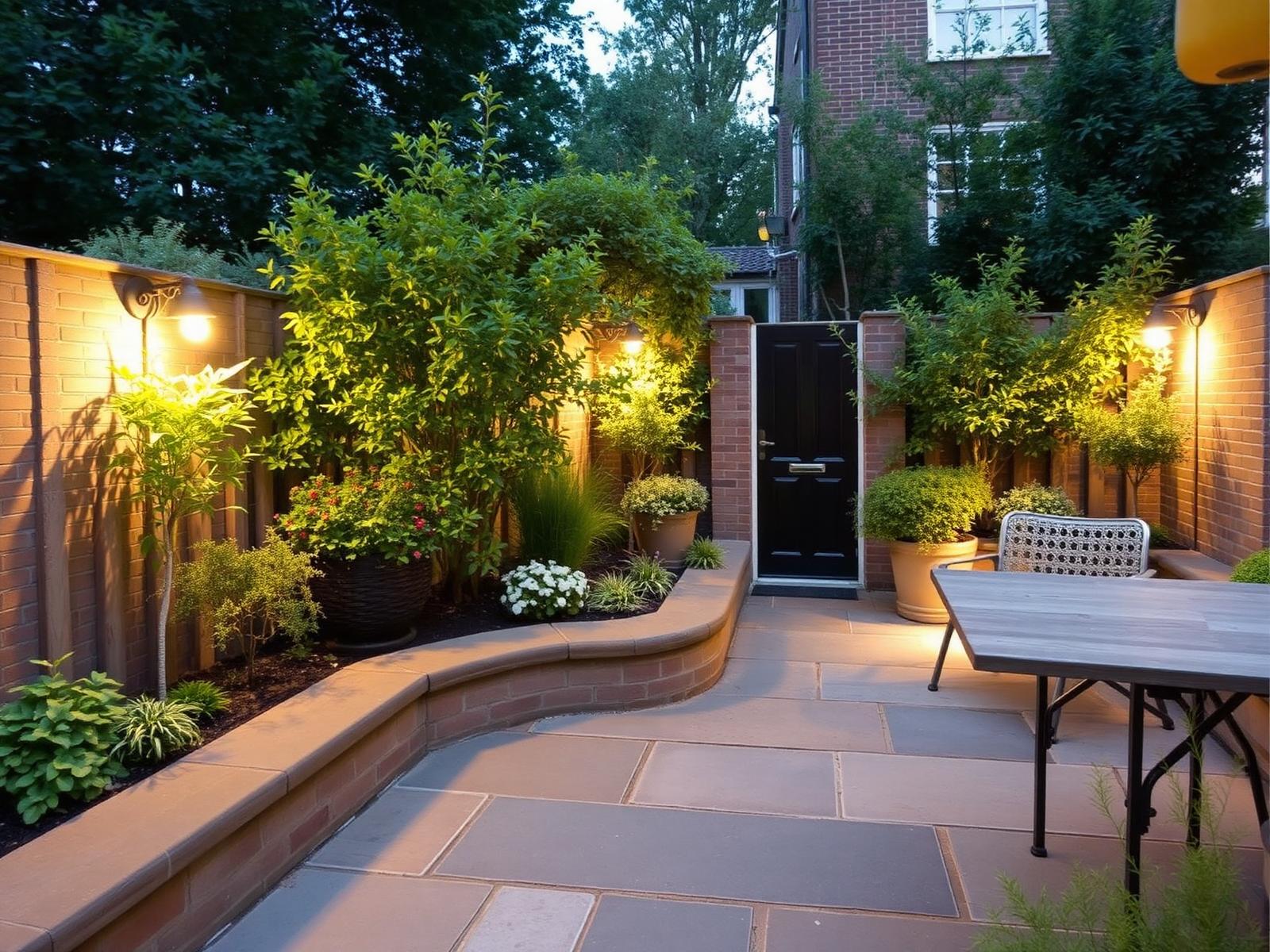
Despite its urban density, Chelsea provides surprising access to green space. Burton's Court offers sports facilities and open areas, whilst the gardens at Chelsea Physic Garden and the Royal Hospital grounds create pockets of horticultural excellence. The Chelsea Embankment Gardens stretch along the Thames, providing riverside promenades with views across to Battersea.
The neighbourhood's tree-lined residential streets, particularly around Chelsea Square and The Vale, demonstrate the garden square model that characterises London's most desirable addresses. These private communal gardens remain accessible only to keyholders, contributing to property values and neighbourhood appeal. ONS rental data indicates that a studio in Chelsea commands monthly rents between £1,475 and £2,300, rising to £6,200–£9,675 for five-bedroom properties, reflecting the premium placed on space and location.
For cycling enthusiasts, the Thames Path provides traffic-free routes connecting Chelsea to central London and Richmond. The area's relatively flat topography and proximity to Hyde Park make it ideal for recreational cycling, whilst Chelsea Harbour offers marina facilities for those with nautical interests.
Living in Chelsea: A Residential Perspective
Understanding what to do in Chelsea extends beyond tourist attractions for those considering the area as home. The neighbourhood's schools, both independent and state-maintained, draw families to the postcode, whilst the concentration of private medical practices and wellness facilities serves residents' health needs. The area's transport links—including Sloane Square and South Kensington stations—provide excellent connectivity to the City and West End.
Our team at <a href="/estate-agents/chelsea">Seymont Chelsea</a> observes that buyers and tenants prioritise Chelsea's village-like atmosphere within a central London location. The neighbourhood retains local businesses that have served residents for decades, creating continuity rare in rapidly changing urban areas. HM Land Registry data records 162 property sales in recent periods, with transactions ranging from £22,750 to £23,000,000, illustrating the diversity of housing stock from investment flats to exceptional family homes.
For property investors and landlords, Chelsea's enduring appeal ensures consistent rental demand. The area attracts international professionals, diplomats and families seeking educational access, creating a stable tenant pool. Those interested in <a href="/let-your-property/chelsea">letting property in Chelsea</a> benefit from the neighbourhood's reputation and tenant quality, though service standards and property presentation must match market expectations.
Talk to Seymont
What's your home worth?
A considered view on price, timing and how to bring your London home to market — a personal reply within 24 hours.
Your property
Step 1 of 2About the author
Nina CastellanoInvestment Property Advisor
Nina advises landlords and investors on rental yields, tenant demand and portfolio structure across Greater London, after running lettings and management at Bellhouse Property Partners. She has overseen single units and multi-property portfolios, and works through compliance, void periods and running costs before a purchase is agreed. Her articles deal with the numbers behind a buy-to-let rather than the headline gross yield.
Lettings and portfolio management · 9 years in London rentals
- Buy-to-let
- Rental yields
- Portfolio strategy
- Landlord compliance
Frequently asked
- Is Chelsea London expensive to visit?
- Chelsea offers experiences across various price points. Many attractions including the National Army Museum, Saatchi Gallery and walks along the Thames Path are complimentary. Dining and shopping span from accessible café options to luxury establishments, allowing visitors to tailor spending to their budget. The neighbourhood's architectural beauty and streetscape can be enjoyed without cost through self-guided walks.
- What is Chelsea London famous for?
- Chelsea is renowned for the Royal Hospital Chelsea and its Pensioners, the annual Chelsea Flower Show, King's Road's fashion heritage, and its artistic legacy. The area has hosted luminaries from Oscar Wilde to the Rolling Stones, and remains synonymous with affluent London living. Its architectural heritage, from Georgian townhouses to contemporary developments like Chelsea Barracks, adds to its fame.
- How do I get to Chelsea from central London?
- Chelsea benefits from excellent transport connections. Sloane Square station (District and Circle lines) serves the eastern side, whilst South Kensington (District, Circle and Piccadilly lines) provides access to the northern edge. Numerous bus routes traverse King's Road and surrounding streets. The area is also within comfortable walking distance of Victoria and Knightsbridge, making it highly accessible from across central London.
- What is the best day to visit Chelsea?
- Weekends bring additional vibrancy to Chelsea, with the Saturday market at Duke of York Square and fuller restaurant atmospheres. However, weekdays offer a more relaxed shopping experience and easier access to galleries and museums. The Chelsea Physic Garden operates seasonal hours, so checking opening times aids planning. For those exploring Chelsea as a potential residential area, weekday visits reveal the neighbourhood's day-to-day character.
- Are there family-friendly activities in Chelsea?
- Chelsea accommodates families through the National Army Museum's interactive exhibits, the Chelsea Physic Garden's educational programmes, and riverside walks suitable for all ages. The neighbourhood's parks provide play facilities, whilst numerous cafés and restaurants welcome children. The area's safe streets and pedestrian-friendly environment make it comfortable for family exploration, contributing to its appeal among families seeking London property.