Journal
Things to Do in Acton
Written by Amara Bennett · Property Market Analyst
Published 2 December 2025 · Updated 13 March 2026 · 3 min read
The short answer
Acton has quietly evolved into one of West London's most engaging neighbourhoods, offering a rich tapestry of independent businesses, cultural venues and green spaces that belie its reputation as merely a transport hub. Whether you're considering a move to the area or exploring your own corner of the capital, our team at Seymont London has assembled this guide to the best things to do in Acton, spanning North Acton, South Acton, East Acton, West Acton and Acton Town.
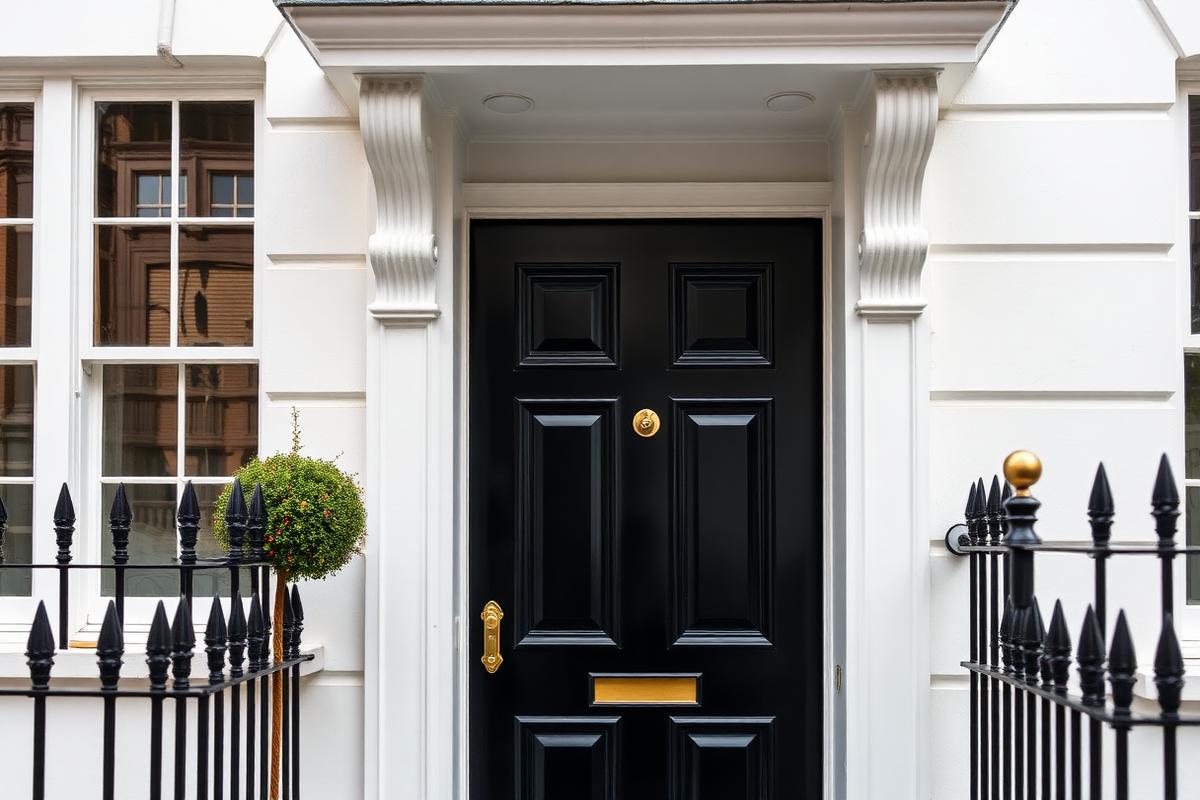
Acton has quietly evolved into one of West London's most engaging neighbourhoods, offering a rich tapestry of independent businesses, cultural venues and green spaces that belie its reputation as merely a transport hub. Whether you're considering a move to the area or exploring your own corner of the capital, our team at Seymont London has assembled this guide to the best things to do in Acton, spanning North Acton, South Acton, East Acton, West Acton and Acton Town.
Independent Shops and Markets Along Acton Lane
Acton's independent retail scene thrives along the various high streets that characterise each sub-district. Acton Lane and the streets radiating from Acton Town station host a diverse array of Polish delicatessens, Japanese bakeries, and long-established greengrocers that reflect the area's multicultural heritage.
The thrice-weekly Acton Market brings traders selling everything from artisanal bread to vintage homeware, creating a genuine community focal point. Unlike many London markets that have become tourist attractions, this remains firmly rooted in serving local residents.
For those researching the area with a view to purchasing, the variety of independent retail is a strong indicator of Acton's established community. According to HM Land Registry data, the median property price across Acton stands at £515,000, with flats representing the majority of sales at a median of £406,250, making the area accessible for those seeking to join this vibrant neighbourhood.
Parks and Green Spaces: Acton's Natural Assets
Acton Park remains the area's green centrepiece, offering tennis courts, a children's playground, and well-maintained walking paths that prove particularly popular on weekends. The park's easterly position makes it equally accessible from South Acton and East Acton, serving as a natural meeting point.
Acton Vale Common provides a quieter alternative, whilst the Japanese Garden at Gunnersbury Park—technically just beyond Acton's boundary but a short walk from North Acton—offers one of London's hidden horticultural gems, complete with koi pond and traditional planting schemes.
For families exploring what to do in Acton, these green spaces represent significant lifestyle amenities. We've observed that properties within walking distance of Acton Park command particular interest among buyers seeking outdoor access without leaving Zone 3.
Cultural Venues and Entertainment
The Aeronaut pub-theatre on Acton High Street has established itself as a genuine cultural destination, presenting everything from comedy to acoustic sessions in an intimate Victorian setting. The venue's programming rivals many central London establishments whilst maintaining distinctly reasonable ticket prices.
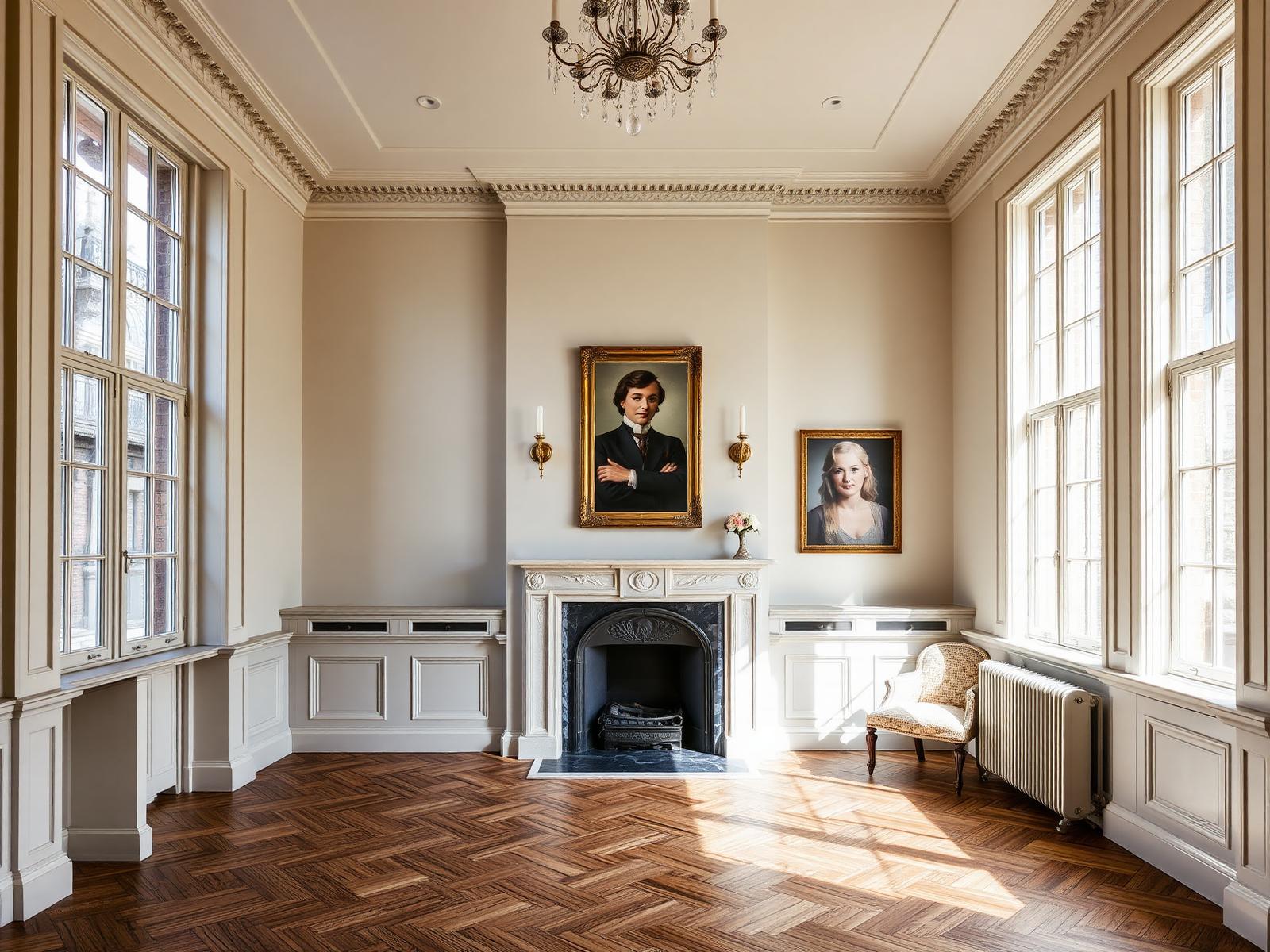
Acton Town Hall—a Grade II listed building—hosts regular community events, craft fairs and performances. The building itself merits appreciation as an architectural statement, with recent residential conversions in similar period buildings (such as Acton Town Hall Apartments nearby) demonstrating how the area balances heritage with modern living requirements.
The Dodo Micropub on Churchfield Road West represents the new wave of Acton's social scene: small-scale, community-focused venues that prioritise quality over volume. These establishments form part of what makes the Acton weekend guide increasingly compelling for Londoners seeking authenticity.
Talk to Seymont
What's your home worth?
A considered view on price, timing and how to bring your London home to market — a personal reply within 24 hours.
Your property
Step 1 of 2Dining: Acton's International Flavours
Acton's restaurant landscape reflects its demographic diversity, with exceptional Polish, Japanese, Ethiopian and Persian options clustered around the various high streets. North Acton Road and South Acton's residential streets hide particular gems that locals guard jealously.
The Japanese restaurants along Acton High Street offer some of West London's most authentic katsu and ramen outside of dedicated Japanese neighbourhoods, whilst the Polish community has established bakeries and restaurants that attract customers from across the capital.
For prospective residents exploring [property for sale in Acton](/property-for-sale/acton), the dining scene represents both convenience and cultural richness. Our team frequently notes that clients appreciate the genuine neighbourhood feel that these independently-run establishments create.
Living in Acton: Property and Accessibility
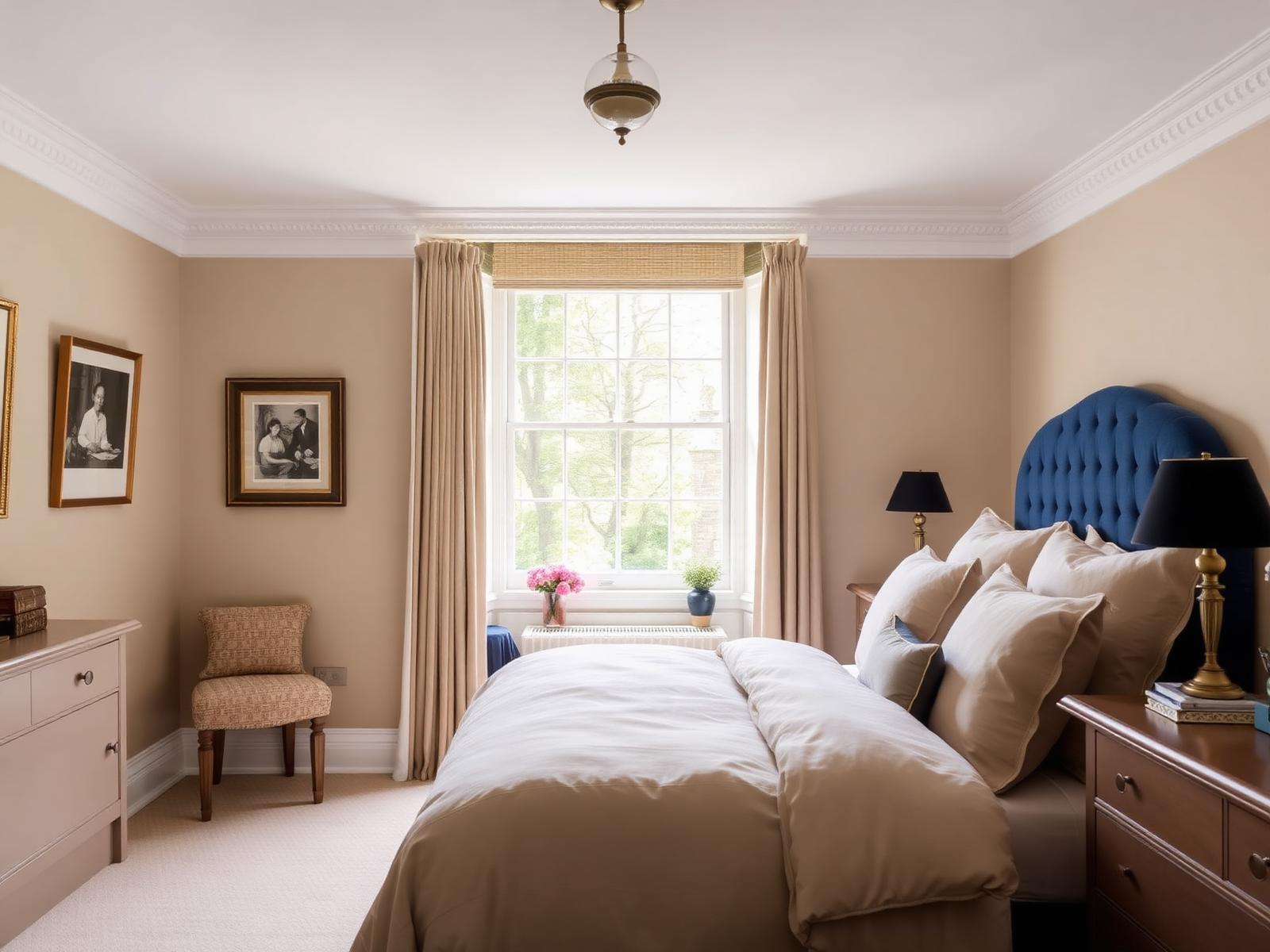
Understanding Acton attractions inevitably leads to consideration of what makes the area work as a place to live. The neighbourhood's transport connections—five separate stations including Acton Town, North Acton, East Acton, West Acton and South Acton—provide unparalleled connectivity across the Underground and Overground networks.
According to ONS rental data, a two-bedroom property in Acton typically commands between £1,450 and £2,275 per month, whilst terraced houses have a median sales price of £850,000 (HM Land Registry). These figures reflect Acton's position as an established residential area with strong fundamentals.
Our [estate agents in Acton](/estate-agents/acton) team has witnessed growing interest from buyers who recognise that the area offers substantially more cultural infrastructure and independent retail than many comparable Zone 3 locations. For those seeking detailed analysis of property values, our [Acton house prices](/house-prices/acton) guide provides comprehensive market insight, whilst landlords can explore our [letting services](/let-your-property/acton) for professional property management.
Talk to Seymont
What's your home worth?
A considered view on price, timing and how to bring your London home to market — a personal reply within 24 hours.
Your property
Step 1 of 2About the author
Amara BennettProperty Market Analyst
Amara spent seven years as a market analyst at Kestrel Lane Research, a small London property consultancy, before joining our editorial desk. She reads sold-price and rental data street by street to explain how individual London postcode districts actually behave, and reviews every price figure we publish. Her focus is separating headline national averages from what a specific address is worth today.
MSc Real Estate Economics · Seven years in property market research
- Valuations
- Local market data
- Sold prices
- Pricing strategy
Frequently asked
- Is Acton a good area to live in London?
- Acton offers excellent transport connections with five stations, diverse independent shops and restaurants, substantial green spaces, and more affordable property prices than many comparable West London areas. The neighbourhood's multicultural character and genuine community feel make it particularly appealing for families and young professionals seeking value without sacrificing connectivity.
- What is the difference between North Acton, South Acton, East Acton and West Acton?
- These designations primarily refer to station locations and the surrounding streets. North Acton borders Park Royal and features more recent residential development; East Acton sits closer to Shepherd's Bush; South Acton encompasses the area towards Chiswick; and West Acton extends towards Ealing. Acton Town forms the commercial and transport hub at the centre.
- How much does it cost to rent in Acton?
- According to ONS data, rental costs in Acton range from £800–£1,275 per month for a studio, £1,075–£1,675 for one bedroom, and £1,450–£2,275 for two bedrooms. Three-bedroom properties typically command £1,950–£3,025 monthly. These figures reflect Acton's position as a more affordable alternative to neighbouring areas like Chiswick or Ealing.
- What transport connections does Acton have?
- Acton is exceptionally well-connected with five Underground and Overground stations: Acton Town (District and Piccadilly lines), North Acton (Central line), East Acton (Central line), West Acton (Elizabeth line), and South Acton (Overground). This connectivity provides direct access to the West End, the City, Heathrow Airport and destinations across Greater London.
- Are property prices in Acton rising?
- Acton's property market has shown consistent interest, with the median sale price currently at £515,000 according to HM Land Registry data. Flats represent the majority of transactions at a median of £406,250, whilst terraced houses achieve £850,000 and semi-detached properties £925,000. The area's improving cultural amenities and transport links continue to attract buyers seeking value in West London.