Journal
Acton House Prices in 2026
Written by Julian Reyes · Licensed Real Estate Agent
Published 20 April 2026 · Updated 1 July 2026 · 3 min read
The short answer
Acton continues to establish itself as one of West London's most dynamic property markets in 2026. Our team has analysed the latest Acton house prices to help you understand what buyers are paying across this diverse and well-connected borough.
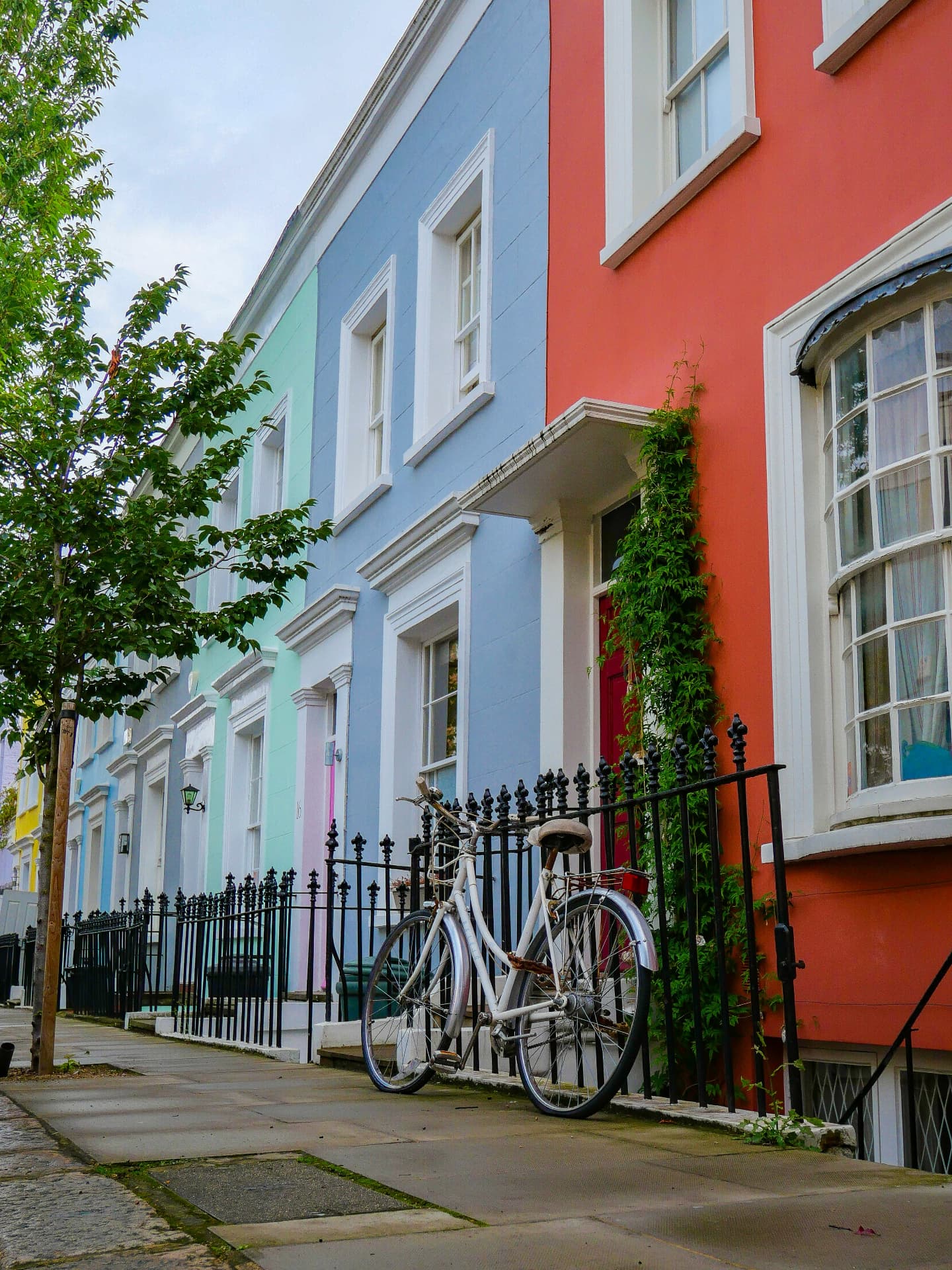
Acton continues to establish itself as one of West London's most dynamic property markets in 2026. Our team has analysed the latest Acton house prices to help you understand what buyers are paying across this diverse and well-connected borough. With excellent transport links via the Central and District lines serving Acton Town, East Acton, North Acton, West Acton and South Acton, the area appeals to professionals, families and investors alike. Based on HM Land Registry data, the median sale price across Acton's 823 recorded transactions stands at £515,000, though values vary considerably depending on property type and specific location.
Average House Price Acton: Breaking Down the Market by Property Type
Understanding Acton property prices requires looking beyond headline figures to examine how different property types perform. According to HM Land Registry sales data, flats dominate the market with 528 transactions at a median of £406,250, making them the most accessible entry point for first-time buyers and investors. The flat market ranges from £56,063 to over £4.2 million, reflecting everything from studio conversions to luxury penthouses.
Terraced houses command a median of £850,000 across 124 sales, whilst semi-detached properties achieve £925,000 based on 115 transactions. These family homes are particularly sought-after in the tree-lined streets between Acton Lane and the more residential pockets of the area. At the premium end, Acton's 14 detached house sales recorded a median of £1,202,500, with top-tier properties reaching £3 million.
For those exploring [houses for sale in Acton](/property-for-sale/acton), it's worth noting that semi-detached and detached homes represent just 15% of total transactions, making competition for these property types notably fierce. Our observations suggest that well-presented family homes in prime Acton locations often attract multiple offers.
Acton Sold Prices Across Different Neighbourhoods
Acton's distinct neighbourhoods each offer their own character and price points. North Acton has seen considerable regeneration, with new-build developments near the station appealing to commuters seeking Zone 2/3 accessibility. East Acton, benefiting from its Zone 2 designation and proximity to White City's commercial quarter, typically commands a premium for modern apartments.
Acton Town remains the area's historic heart, with period conversions and Victorian terraces around the High Street and Acton Town Hall attracting buyers who value heritage architecture. South Acton has undergone substantial transformation through comprehensive estate renewal programmes, creating mixed-tenure communities. West Acton offers a quieter, more suburban feel with larger gardens and stronger family appeal.
The diverse pricing across these sub-markets means buyers should examine [Acton house prices](/house-prices/acton) at a granular level. A two-bedroom flat in East Acton near the Central line will typically achieve different values compared to a similar property in West Acton, reflecting transport accessibility and local amenities.
Rental Market: What Landlords Can Expect
For investors considering [letting property in Acton](/let-your-property/acton), ONS rental data provides valuable context. Studio apartments command £800–£1,275 monthly, whilst one-bedroom properties achieve £1,075–£1,675. Two-bedroom flats, the most liquid rental category, typically let for £1,450–£2,275.
Family rentals show strong demand, with three-bedroom properties ranging from £1,950 to £3,025, four-bedroom homes £2,600–£4,050, and five-bedroom houses reaching £3,400–£5,300. These figures reflect Acton's appeal to professional renters working in Canary Wharf, the West End and White City's media companies, all accessible within 30–40 minutes.
Yield-focused investors should note that whilst purchase prices have appreciated, Acton's rental market remains robust due to consistent demand from both young professionals priced out of Hammersmith and families seeking better value than Chiswick or Ealing.
Talk to Seymont
What's your home worth?
A considered view on price, timing and how to bring your London home to market — a personal reply within 24 hours.
Your property
Step 1 of 2Market Outlook and What We're Seeing
Our team at [Seymont London's Acton office](/estate-agents/acton) observes several trends shaping the local market. The Elizabeth line's impact continues to ripple westward, with buyers increasingly viewing Acton as an affordable alternative to directly-served stations. Crossrail's reach has effectively shortened journey times to central London and Heathrow, enhancing Acton's appeal.
Interest rate movements in 2026 have created a more considered purchasing environment. Buyers are conducting thorough due diligence, and properties requiring substantial renovation are seeing longer marketing periods unless priced competitively. Conversely, turnkey homes with outdoor space or period features achieve premium prices, often exchanging within weeks.
The area's ongoing regeneration, particularly around Park Royal and Old Oak Common to the north, promises to reshape Acton's landscape over the coming decade. Forward-thinking buyers recognise that infrastructure investment typically precedes property value appreciation, making current Acton sold prices potentially attractive in hindsight.

Talk to Seymont
What's your home worth?
A considered view on price, timing and how to bring your London home to market — a personal reply within 24 hours.
Your property
Step 1 of 2About the author
Julian ReyesLicensed Real Estate Agent
Julian has spent eleven years handling residential sales across west and central London, previously with the independent agencies Harlowe & Vance and Marchmont Row. He runs listings end to end, from pricing and presentation through to negotiating offers and holding chains together to completion. His writing focuses on the practical mechanics of buying and selling a home in a market where timing and preparation decide the outcome.
Licensed estate agent · 11 years in London residential sales
- Residential sales
- First-time buyers
- Offer negotiation
- Chain management
Frequently asked
- What is the average house price in Acton in 2026?
- According to HM Land Registry data, the median house price across Acton is £515,000 based on 823 transactions. However, this varies significantly by property type: flats average £406,250, terraced houses £850,000, semi-detached properties £925,000, and detached homes £1,202,500.
- Which area of Acton has the highest property prices?
- East Acton and parts of Acton Town typically command the highest prices due to their Zone 2 location, proximity to the Central line, and period architecture. Detached and semi-detached properties in the tree-lined streets near Acton Park also achieve premium values, with some transactions exceeding £2 million.
- Is Acton a good area to invest in property?
- Acton offers compelling investment opportunities due to strong rental demand from professionals, diverse property stock at various price points, and excellent transport connectivity across five stations. The ongoing regeneration around Old Oak Common and Park Royal suggests long-term growth potential, whilst current yields remain competitive compared to neighbouring areas like Ealing and Chiswick.
- How do North Acton and South Acton property prices compare?
- North Acton features newer developments and benefits from Zone 2/3 positioning, with flats typically ranging from £350,000–£500,000. South Acton has seen extensive regeneration with mixed-tenure housing, offering competitive entry prices. Both areas appeal to different buyer profiles: North Acton attracts commuter-focused purchasers, whilst South Acton draws families and first-time buyers seeking value.
- What rental income can landlords expect in Acton?
- According to ONS data, rental income varies by property size: studios yield £800–£1,275 monthly, one-bedroom flats £1,075–£1,675, two-bedroom properties £1,450–£2,275, three-bedroom houses £1,950–£3,025, and four-bedroom homes £2,600–£4,050. Actual yields depend on property condition, exact location, and proximity to stations.