Journal
Richmond Rental Guide: Local Insight for 2024 Tenants
Written by Amara Bennett · Property Market Analyst
Published 14 December 2025 · Updated 9 July 2026 · 3 min read
The short answer
Finding the right richmond rental requires more than scrolling through listings—it demands local knowledge about neighbourhoods, realistic pricing expectations, and an understanding of what makes this riverside corner of southwest London so desirable. Our team works with tenants and landlords across Richmond daily, and we've gathered the insights that matter most when you're searching for a home here.
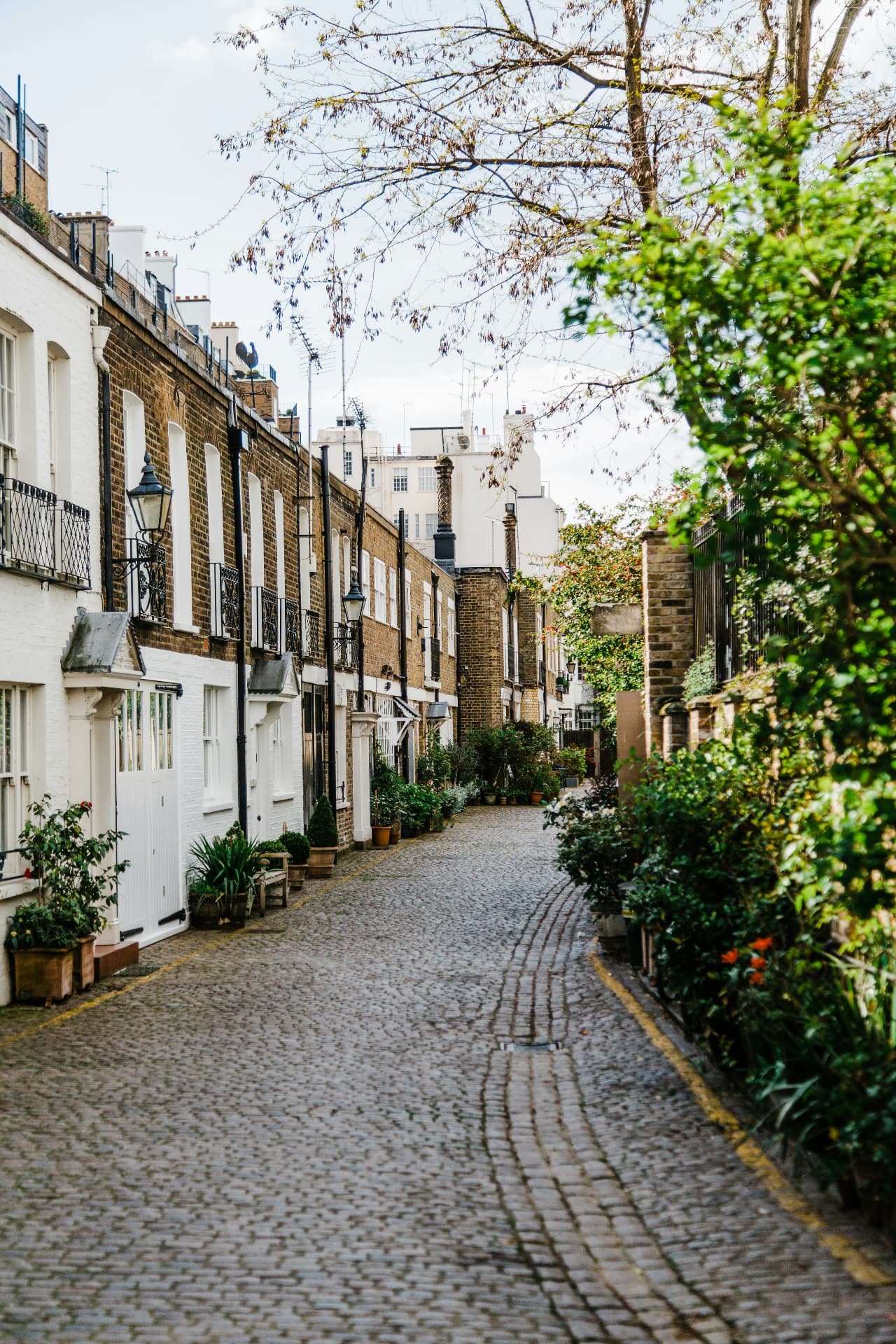
Finding the right richmond rental requires more than scrolling through listings—it demands local knowledge about neighbourhoods, realistic pricing expectations, and an understanding of what makes this riverside corner of southwest London so desirable. Our team works with tenants and landlords across Richmond daily, and we've gathered the insights that matter most when you're searching for a home here.
What Does a Richmond Rental Actually Cost?
According to Rightmove data from late 2023, the average asking rent in Richmond sits around £2,400 per calendar month, though this varies significantly by property type and location. A one-bedroom flat near the town centre typically ranges from £1,500 to £1,900 pcm, while two-bedroom flats average £2,200 to £2,800. Family homes with three or four bedrooms closer to Richmond Park can command £3,500 to £5,000 or more.
These figures reflect Richmond's position as one of London's most sought-after postcodes, with excellent schools, green space, and Zone 4 transport links. If you're serious about understanding what you can afford, our /tools/rent-estimate can give you a tailored picture based on current market conditions. We always recommend budgeting for council tax (Band D properties in Richmond upon Thames pay around £2,100 annually according to GOV.UK) and utilities on top of rent.
Which Richmond Neighbourhoods Suit Renters Best?
The town centre offers the densest concentration of flats, with converted Victorian houses and modern developments clustered around the station and George Street. You'll find the best cafe culture, independent shops, and a five-minute walk to the Thames Path here. Commuters appreciate the direct South Western Railway services—TfL data shows Richmond station handles over 9 million entries and exits annually.
For families prioritising outdoor space, the streets bordering Richmond Park—particularly around Sheen, Petersham, and Richmond Hill—offer larger homes and proximity to 2,500 acres of parkland. The trade-off is typically a 15-20 minute walk or short bus ride to the station. Our /estate-agents/richmond page details these micro-markets in greater depth, but the golden rule remains: visit at different times of day before committing to a richmond rental, especially if school catchments or commute times matter to your household.

The Tenant Experience: What to Expect When Renting
Richmond's rental market moves quickly. Quality properties often receive multiple applications within days of listing, so having references, proof of income (most landlords expect annual earnings of at least 30 times the monthly rent), and a decision-ready deposit makes a tangible difference. Most landlords require five weeks' rent as a deposit, capped by the Tenant Fees Act 2019.
We've noticed tenants increasingly prioritise energy efficiency—understandable given recent utility price movements. When viewing, ask for the property's EPC rating (anything below a C will likely mean higher heating bills). Check whether the property sits in a controlled parking zone (many central Richmond streets do, with permits costing around £125 annually according to Richmond Council). Browse /property-to-rent/richmond to see current availability and get a feel for what different budgets unlock.
Talk to Seymont
What's your home worth?
A considered view on price, timing and how to bring your London home to market — a personal reply within 24 hours.
Your property
Step 1 of 2Navigating the Application Process
Once you've found a suitable richmond rental, the application typically involves Right to Rent checks (a legal requirement under the Immigration Act 2014), referencing through a third-party provider, and signing an Assured Shorthold Tenancy agreement. Read the AST carefully—note the break clause terms, who handles minor repairs, and whether the property comes furnished or unfurnished.
Your deposit must be protected in a government-approved scheme (Deposit Protection Service, MyDeposits, or Tenancy Deposit Scheme) within 30 days of payment, and your landlord must provide you with prescribed information about the scheme. If you're uncertain about any aspect of a tenancy agreement, organisations like Shelter and Citizens Advice offer free guidance. Our team has seen too many tenants skip the due diligence and regret it later—this is your home, so invest the time upfront.

Talk to Seymont
What's your home worth?
A considered view on price, timing and how to bring your London home to market — a personal reply within 24 hours.
Your property
Step 1 of 2About the author
Amara BennettProperty Market Analyst
Amara spent seven years as a market analyst at Kestrel Lane Research, a small London property consultancy, before joining our editorial desk. She reads sold-price and rental data street by street to explain how individual London postcode districts actually behave, and reviews every price figure we publish. Her focus is separating headline national averages from what a specific address is worth today.
MSc Real Estate Economics · Seven years in property market research
- Valuations
- Local market data
- Sold prices
- Pricing strategy
Frequently asked
- How much deposit will I need for a Richmond rental?
- Under the Tenant Fees Act 2019, landlords can request a maximum of five weeks' rent as a deposit for properties with annual rent below £50,000. For a typical £2,400 pcm Richmond rental, expect to pay around £2,769 as a deposit, plus the first month's rent in advance.
- Are Richmond rental prices rising or falling?
- Rightmove reported that Greater London rental prices increased by approximately 10% year-on-year in 2023, with Richmond broadly following this trend due to sustained tenant demand and limited stock. Prices remain near historic highs as of early 2024.
- What transport links does Richmond offer for commuters?
- Richmond station provides South Western Railway services to London Waterloo (around 20 minutes) and London Underground District Line services to central London. The station also connects to the London Overground network, offering extensive coverage across southwest and north London.
- Can I rent in Richmond if I have pets?
- The Tenant Fees Act allows landlords to charge a higher deposit (capped at eight weeks' rent) for tenancies that permit pets. Many Richmond landlords consider pets on a case-by-case basis, particularly for garden properties. Always declare pets upfront during your application.
- How competitive is the Richmond rental market?
- Richmond consistently ranks among London's most desirable postcodes. Quality properties often receive multiple applications within 48-72 hours of listing, particularly family homes near good schools and Richmond Park. Having your paperwork ready and a clear move-in timeline significantly improves your chances.