Journal
Richmond Property Market Report: Expert Analysis and Local Insights
Written by Thomas Lindqvist · Mortgage & Financing Specialist
Published 8 May 2026 · Updated 26 July 2026 · 7 min read
The short answer
The Richmond property market continues to captivate buyers and investors alike, drawn by its unique combination of Georgian architecture, riverside location and unparalleled green spaces. As a prestigious suburb in southwest London, Richmond offers something genuinely rare: a village atmosphere within reach of central London, anchored by the expansive Richmond Park and the charming Richmond Green.
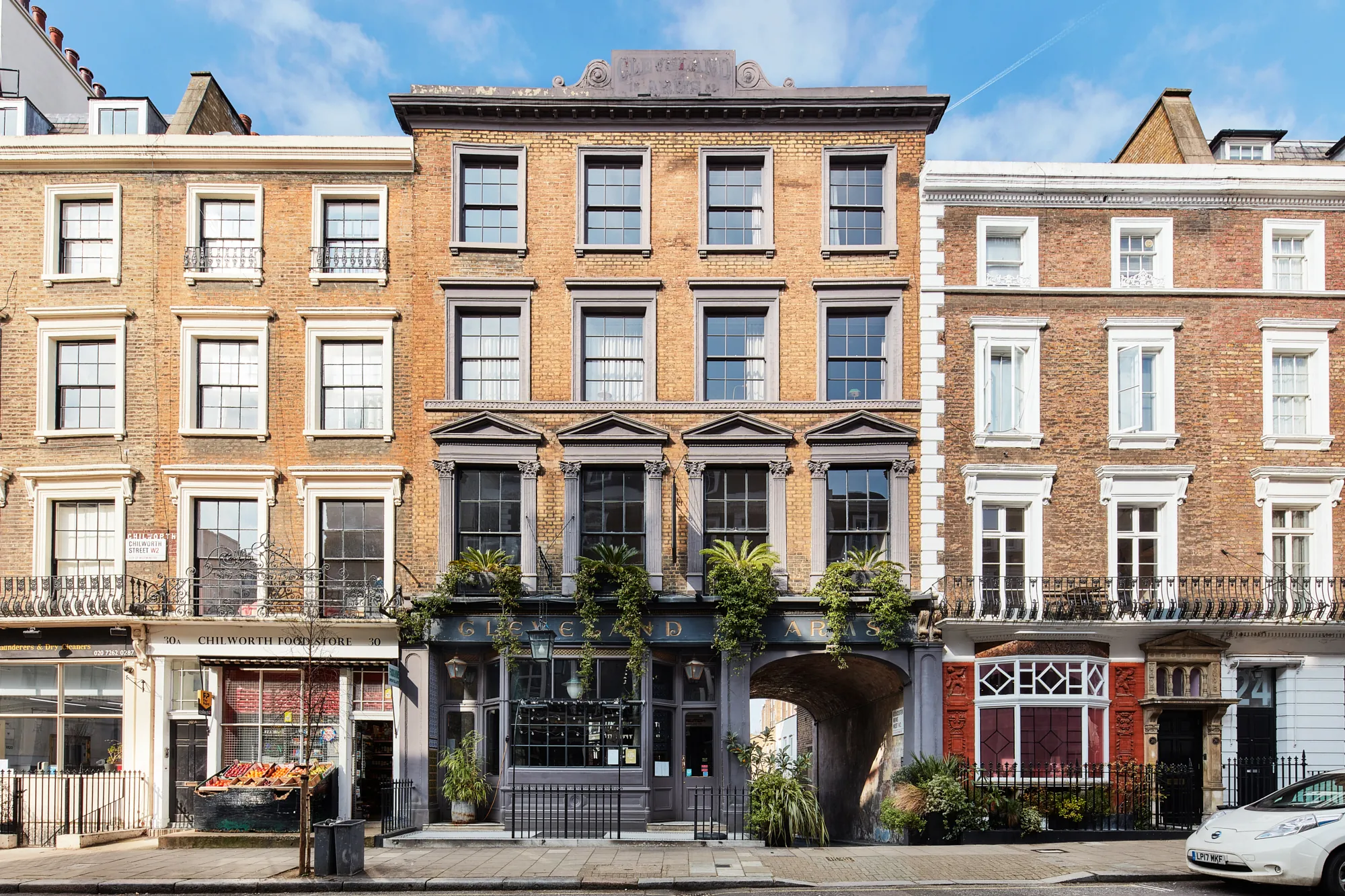
The Richmond property market continues to captivate buyers and investors alike, drawn by its unique combination of Georgian architecture, riverside location and unparalleled green spaces. As a prestigious suburb in southwest London, Richmond offers something genuinely rare: a village atmosphere within reach of central London, anchored by the expansive Richmond Park and the charming Richmond Green. Our team has analysed the latest market dynamics to provide you with an authoritative overview of this sought-after location, examining everything from historic price movements to current investment opportunities. Whether you're considering Richmond Surrey as your next home or evaluating its credentials as a long-term investment, understanding the nuances of this distinctive market is essential.
Richmond's Unique Position in the London Housing Market
Richmond London occupies a singular position within the capital's property landscape, straddling the boroughs of Richmond upon Thames in a location that feels worlds away from the urban intensity of zones one and two. The area's appeal rests on tangible assets: 2,500 acres of Richmond Park on the doorstep, the Thames Path winding through the riverside, and a high street that retains genuine character rather than the homogenised retail offerings found elsewhere.
The Richmond housing market attracts a distinctive demographic—families seeking excellent schools, professionals willing to commute for quality of life, and downsizers who refuse to compromise on cultural amenities. Richmond Theatre, independent boutiques along Richmond Hill, and the twice-weekly farmers' market on Richmond Green create a community atmosphere that larger London postcodes struggle to replicate.
Transport connections underpin the area's residential appeal. Direct trains reach Waterloo in under twenty minutes, whilst the District line provides Underground access and the overground network extends to Clapham Junction and beyond. This connectivity, combined with the ability to walk home through deer-populated parkland, explains why Richmond house prices have historically commanded a premium over many comparable suburban locations.
Our team regularly encounters buyers from central London postcodes who initially dismiss Richmond as 'too far out' before visiting and recognising that travel time matters less than journey quality. The ability to secure a family home with garden space, within walking distance of independent coffee shops and traditional pubs in Richmond, frequently outweighs an extra fifteen minutes on the train.
Understanding Richmond Price Trends and Market Dynamics
Analysing the Richmond price trend requires acknowledging that HM Land Registry data for the most recent periods can sometimes show incomplete transaction records, particularly during slower market phases or when data collection cycles are still finalising. While we cannot provide specific median figures for the immediate past quarter where sales data remains limited, the broader historical context reveals consistent patterns worth examining.
Historically, Richmond has demonstrated resilience during market corrections, with price stability underpinned by constrained supply—the area's geography naturally limits development, with the park, river and conservation areas creating physical boundaries to expansion. This scarcity factor means that well-presented properties on desirable streets such as Richmond Avenue and roads surrounding Richmond Green typically attract multiple interested parties even during cautious market conditions.
The property mix in Richmond skews towards period homes, with Victorian and Edwardian terraces dominating many streets, complemented by elegant Georgian townhouses nearer the riverside and Green. Modern apartments, particularly riverside developments and conversions of historic buildings along Richmond Street, serve the professional and downsizer markets, though these represent a smaller proportion of overall stock.
Seasonal patterns are pronounced in Richmond, with the market traditionally gaining momentum in February as families target moves before the September school term. Viewings for property for sale in Richmond peak during spring months when the park and riverside gardens showcase the area at its finest, whilst the period between Christmas and New Year typically sees reduced activity, mirroring national trends but often with sharper fluctuations given the affluent buyer profile.

Is Richmond a Good Investment? Evaluating Long-Term Potential
When clients ask us 'is Richmond a good investment?', we emphasise that the answer depends entirely on investment timeframe, risk tolerance and specific property selection. Richmond's fundamental characteristics—location scarcity, enduring amenities and transport infrastructure—suggest long-term stability, but short-term returns vary with broader economic cycles.
The rental market demonstrates consistent demand, with ONS rental data historically showing sustained interest from corporate relocations, families in temporary accommodation whilst purchasing, and international professionals on fixed-term assignments. Properties within walking distance of the station or near well-regarded schools command rental premiums, whilst larger family homes can face longer void periods between tenancies compared to two-bedroom apartments.
Capital appreciation in Richmond has traditionally outpaced many outer London locations but lagged behind prime central postcodes during boom periods. This middle position offers a balanced risk-return profile: less volatile than Mayfair or Knightsbridge, but with stronger fundamentals than many commuter-belt alternatives. Our experience suggests that investors who purchase well-maintained properties on established streets and hold for seven to ten years typically achieve satisfactory returns, though past performance naturally offers no guarantee of future results.
For those considering buy-to-let opportunities, yields in Richmond tend towards the lower end of the London spectrum, reflecting higher entry prices relative to rental income. However, the quality of tenant, typically professionals or families with stable employment, often means reduced void periods and better property maintenance. We observe that investors increasingly value these qualitative factors alongside pure yield calculations.
Talk to Seymont
What's your home worth?
A considered view on price, timing and how to bring your London home to market — a personal reply within 24 hours.
Your property
Step 1 of 2Navigating Richmond's Distinct Neighbourhoods and Streets
Richmond's property market cannot be understood as a single entity—distinct micro-markets exist within walking distance of each other, each with different characteristics and price points. The streets radiating from Richmond Green represent the historic heart, where Georgian and Victorian architecture commands premium pricing and conservation area restrictions preserve period features.
The riverside area, particularly properties with Thames views or access to the towpath, forms another distinct market segment. Development along the river has been carefully controlled, meaning genuine waterside homes remain scarce and tightly held. Meanwhile, roads climbing Richmond Hill offer elevated positions and, from certain vantage points, the famous vista across the Thames Valley that inspired countless artists and poets.
Further from the centre, areas bordering Richmond Park provide the ultimate lifestyle proposition for families, with park gates accessible on foot and the psychological benefit of woodland on the doorstep. Streets such as those near Richmond Golf Club attract buyers prioritising space and greenery over immediate proximity to the high street, creating a separate market segment with different buyer profiles.
Our team also notes the importance of the 'North of the railway line versus South' distinction that locals recognise. Northern sections offer easier access to Kew Gardens and Kew village amenities, whilst southern areas provide more direct park access. These granular differences significantly impact both pricing and the types of buyers attracted to specific property searches for [property for sale in Richmond](/property-for-sale/richmond).

Practical Considerations for Richmond Buyers and Sellers
Successfully navigating the Richmond property market requires understanding several practical factors that distinguish it from other London locations. School catchment areas exert enormous influence on family buyers, with certain primary and secondary schools driving intense competition for properties within their admission zones. Buyers should verify current catchment boundaries independently, as these can shift with demographic changes.
The leasehold versus freehold distinction carries particular weight in Richmond, where many period conversions and purpose-built mansion blocks operate under leasehold arrangements. Our team advises careful examination of lease lengths, ground rent terms and service charge histories, particularly for riverside developments where maintenance costs can be substantial. The ongoing leasehold reform discussions add another layer of consideration for buyers evaluating different property types.
For sellers, presentation standards in Richmond are notably high. Buyers in this market typically have significant choice and expect well-maintained homes with period features intact where original. Investment in sympathetic renovation—retaining cornicing, fireplaces and original floors whilst updating kitchens and bathrooms to contemporary standards—generally proves worthwhile. Our [estate agents in Richmond](/estate-agents/richmond) can provide specific guidance on improvements that enhance marketability versus those that simply represent cost.
Timing remains crucial for both buyers and sellers. The market's seasonal nature means that sellers listing in January or February typically benefit from pent-up demand, whilst buyers entering the market during late summer or early winter often find more negotiating room. Understanding these cycles, alongside broader economic indicators and mortgage rate movements, helps both parties optimise their transaction timing and outcomes.
Future Outlook for Richmond Property
Looking ahead, several factors will shape the Richmond property market trajectory. Infrastructure developments, including potential Crossrail 2 proposals that could further enhance connectivity, represent upside opportunities, though such projects face funding and political uncertainties. Meanwhile, ongoing debates about London's outer boundaries and green belt protections will continue to constrain new supply, supporting price stability for existing stock.
Changing work patterns following the pandemic have reinforced Richmond's appeal, with hybrid working arrangements making the commute time calculation less critical for many professionals. The ability to work from home several days weekly whilst enjoying immediate access to Richmond Park and riverside walks has proven particularly attractive to those previously anchored in central postcodes by daily office requirements.
Environmental considerations are also gaining prominence, with Richmond's existing green credentials—parkland, biodiversity and cycling infrastructure—likely to increase in value as sustainability concerns influence residential decisions. Properties with high energy efficiency ratings or potential for green improvements may command growing premiums as regulatory requirements tighten and buyer awareness increases.
Our assessment, based on decades of collective experience in the London property market, suggests Richmond will continue appealing to a core demographic of affluent families and professionals who prioritise lifestyle quality, green space and community atmosphere. While short-term market movements will inevitably occur in response to interest rates, economic conditions and political factors, the fundamental supply-demand dynamics and locational advantages position Richmond favourably for sustained long-term demand. Those considering whether Richmond merits attention as a residential location or investment opportunity can explore current opportunities through our [house prices in Richmond](/house-prices/richmond) resource or discuss their specific requirements with our team.

Talk to Seymont
What's your home worth?
A considered view on price, timing and how to bring your London home to market — a personal reply within 24 hours.
Your property
Step 1 of 2About the author
Thomas LindqvistMortgage & Financing Specialist
Thomas advised buyers for a decade at Ashgrove Financial, an independent brokerage, on borrowing capacity, product selection and the full cost of a purchase, including stamp duty, legal fees and lender charges. He follows rate decisions and lender criteria changes and translates them into what a household can realistically afford. His guides cover affordability, remortgaging and the closing costs that buyers routinely underestimate.
CeMAP qualified · Whole-of-market mortgage advice background
- Mortgages
- Affordability
- Closing costs
- Remortgaging
Frequently asked
- What makes Richmond different from other affluent London suburbs?
- Richmond distinguishes itself through the combination of Richmond Park—London's largest Royal Park at 2,500 acres—alongside riverside location, Georgian architecture and a genuine village atmosphere with independent retailers. Unlike many affluent suburbs that offer either parks or shopping or transport links, Richmond delivers all three, plus cultural amenities including a working theatre and strong community events calendar. The protected views from Richmond Hill and conservation area restrictions also ensure the area's character remains preserved rather than gradually eroded by unsympathetic development.
- How does Richmond's rental market perform compared to property purchase?
- Richmond's rental market shows consistent demand from corporate relocations, families and international professionals, though rental yields tend towards the lower end of London averages due to higher purchase prices. According to ONS data, the area attracts quality tenants typically seeking longer tenancies, which can offset lower percentage yields through reduced void periods and better property care. For landlords, the calculation involves balancing lower immediate returns against potentially stronger capital appreciation and tenant quality compared to higher-yielding areas with less stable demand.
- Which areas within Richmond offer the best value for families?
- Value is relative to priorities, but areas slightly further from the immediate station vicinity or Richmond Green often provide more space for equivalent budgets. Roads bordering the eastern and southern edges of Richmond Park deliver exceptional access to green space with typically larger gardens than central locations, whilst sections north of the railway line towards Kew offer good schools and amenities at modest discounts to prime riverside or Green-adjacent streets. We recommend families prioritise school catchment areas and commute practicality alongside pure property characteristics when evaluating value.
- What are the main transport connections from Richmond?
- Richmond benefits from National Rail services to London Waterloo (approximately 20 minutes), the District Line providing Underground access to central and east London, and London Overground connections to Clapham Junction and beyond. This multi-modal connectivity offers redundancy—if one service experiences disruption, alternatives exist—which many single-line suburbs cannot match. Bus routes connect to surrounding areas including Twickenham, Kingston and Hammersmith, whilst cycling infrastructure has improved significantly with dedicated lanes and park paths providing traffic-free routes for local journeys.
- Are there opportunities to rent property in Richmond for those not yet ready to purchase?
- Richmond's rental market offers diverse options from riverside apartments to family houses, though demand typically exceeds supply for well-presented properties near the station or within catchment areas for sought-after schools. Prospective tenants should expect competitive application processes for the most desirable homes, with landlords often selecting from multiple qualified applicants. Our [let your property in Richmond](/let-your-property/richmond) service assists landlords in finding quality tenants, whilst those seeking rentals should prepare thorough references and be ready to move quickly when suitable properties become available. Rental stock increases slightly during summer months when corporate relocations peak and families target moves before the academic year.