Journal
Richmond Area Guide
Written by Amara Bennett · Property Market Analyst
Published 10 July 2026 · Updated 11 July 2026 · 6 min read
The short answer
Richmond stands as one of London's most coveted residential destinations, where Georgian elegance meets riverside tranquillity and royal parkland. Our Richmond area guide explores why this historic borough continues to attract discerning buyers and tenants seeking an exceptional quality of life within reach of central London.
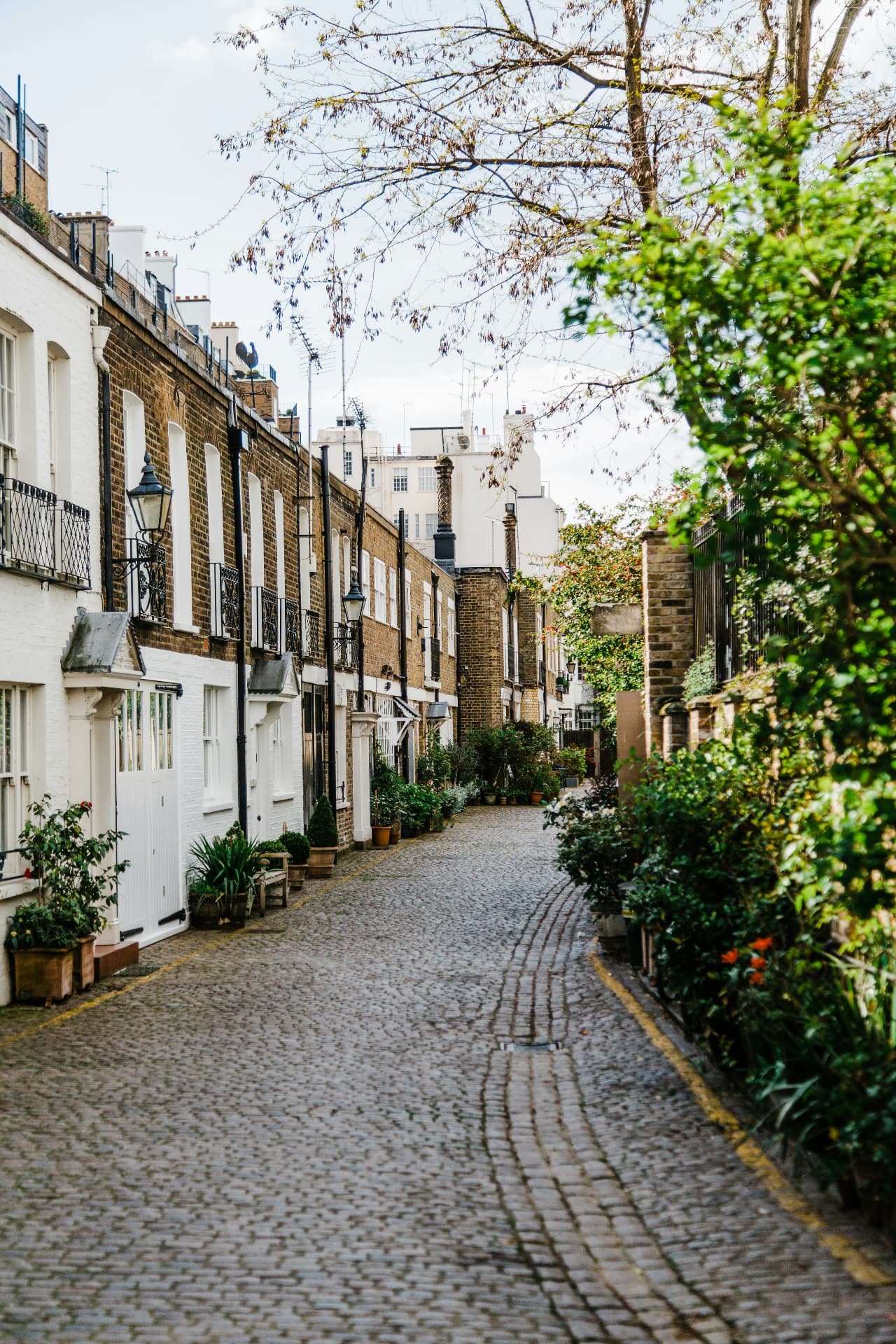
Richmond stands as one of London's most coveted residential destinations, where Georgian elegance meets riverside tranquillity and royal parkland. Our Richmond area guide explores why this historic borough continues to attract discerning buyers and tenants seeking an exceptional quality of life within reach of central London. Straddling the Thames between Kew and Twickenham, Richmond offers a rare combination of village charm, cultural richness and outstanding green space that distinguishes it from anywhere else in the capital.
Location and Heritage
Richmond London occupies a prestigious position in southwest London, technically within the borough of Richmond upon Thames but firmly established as a distinct neighbourhood with its own character. The area takes its name from Richmond Palace, the former royal residence that once stood near Richmond Green, where Henry VII coined the name after his Yorkshire earldom of Richmond North Yorkshire.
The connection between Richmond Surrey (as it was historically known before London's expansion) and Richmond Yorkshire remains a point of local interest, though today's Richmond is unmistakably a London suburb with exceptional transport links. Richmond station provides direct services to Waterloo in under twenty minutes, whilst the District line connects residents to the wider Underground network.
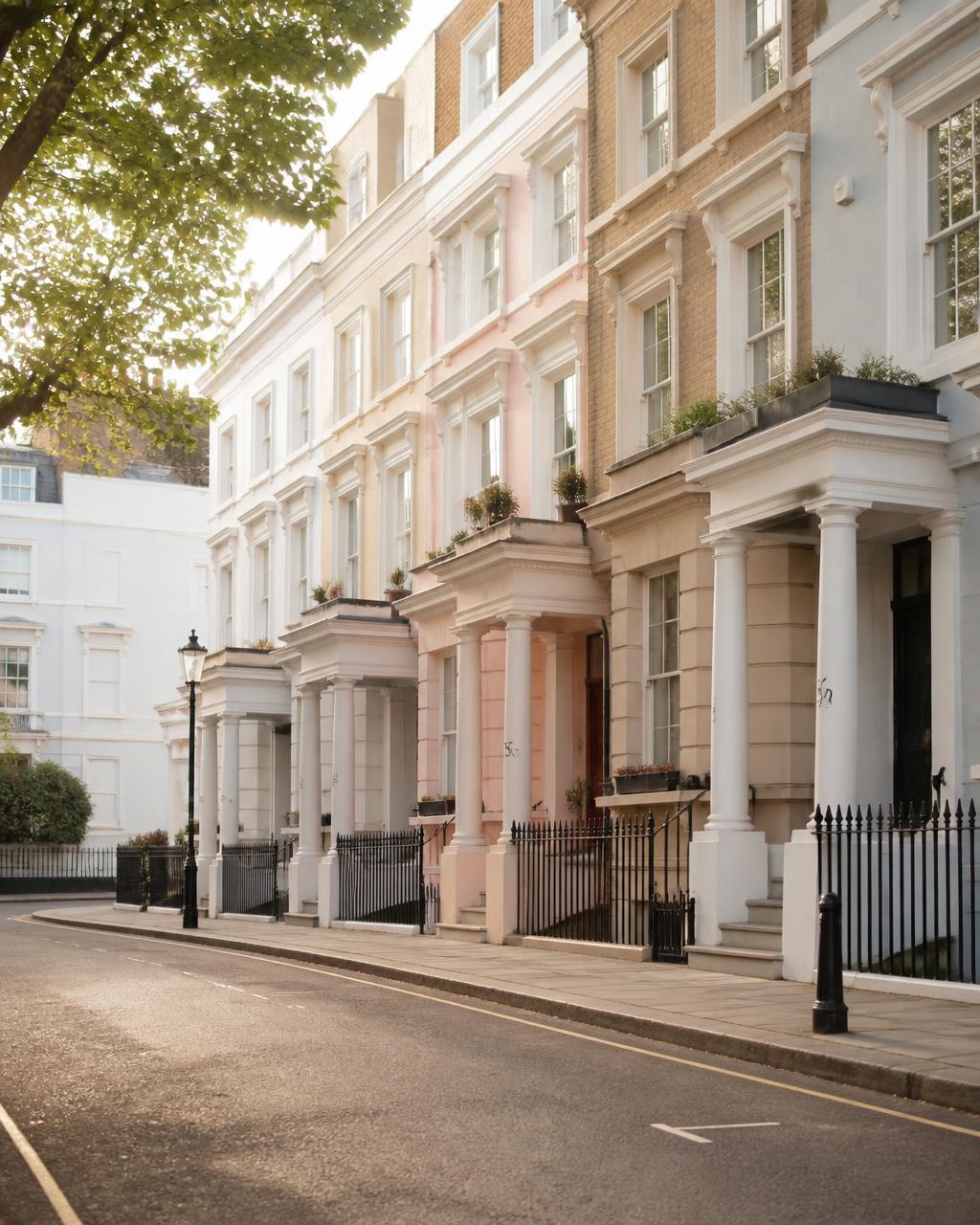
The town centre radiates from the historic Richmond Green, a beautifully preserved open space surrounded by elegant townhouses and the Theatre Royal, Britain's oldest surviving purpose-built theatre. Georgian and Victorian architecture defines many Richmond streets, particularly around the riverside and the slopes of Richmond Hill, which offers the only view in England protected by an Act of Parliament.
Richmond's evolution from royal retreat to prosperous London suburb has preserved rather than erased its heritage, creating a neighbourhood where historic buildings house contemporary businesses and centuries-old pubs sit comfortably alongside modern restaurants.
Richmond Property Market
The Richmond property landscape encompasses everything from riverside apartments to substantial family homes on tree-lined avenues, reflecting the area's enduring appeal across different buyer demographics. Period properties dominate the most sought-after Richmond streets, with Victorian and Edwardian terraces particularly prevalent in the roads between the town centre and Richmond Park.
Whilst we cannot provide current transaction data, our team observes consistent demand for Richmond house purchases across all property types, from conversion flats suitable for first-time buyers to detached homes with gardens backing onto the park. The HM Land Registry Price Paid Data historically demonstrates Richmond's position as one of London's premium markets, reflecting both the quality of housing stock and the lifestyle advantages the area offers.
Those renting a house in Richmond will find a sophisticated lettings market serving both families relocating to London and professionals seeking superior residential environments. The flat on rent segment attracts particular interest near the station and town centre, where period conversions offer characterful alternatives to new-build developments.
For investors considering Richmond property, stamp duty on second home purchases or stamp duty on second property becomes an important consideration given the price points involved, though the area's enduring popularity and limited supply have historically supported strong capital appreciation.
Richmond Park and Green Spaces
Richmond Park, the largest of London's Royal Parks at 2,500 acres, represents the defining geographical and lifestyle feature of the area. Ancient trees, herds of red and fallow deer, and sweeping vistas create an extraordinary natural environment that feels entirely removed from urban London, yet sits within ten miles of Westminster.
The park's recreational offerings extend far beyond walking and wildlife watching. Richmond Park Golf Club operates two courses within the park boundaries – the historic Dukes and the more recent Duchess course – whilst Richmond Golf Club itself provides members-only facilities just outside the park perimeter. These golfing amenities add considerable appeal for sporting residents and contribute to the area's reputation as a destination for active, outdoor-focused lifestyles.
Beyond Richmond Park, the area offers exceptional green space density. The Thames Path provides riverside walks in both directions, Terrace Gardens cascade down Richmond Hill with formal plantings and spectacular views, and Kew Gardens sits within easy reach for those seeking botanical excellence. We consistently find that access to these green spaces ranks among the primary motivations for those seeking property in Richmond.
This abundance of parkland influences property values significantly, with homes on Richmond Avenue and similar roads offering direct park access commanding particular premiums. The park gates at Sheen, Roehampton and Richmond itself create distinct micro-markets, each with loyal followings among buyers who prioritise proximity to specific entrances.
Talk to Seymont
What's your home worth?
A considered view on price, timing and how to bring your London home to market — a personal reply within 24 hours.
Your property
Step 1 of 2Lifestyle and Local Amenities
Richmond's town centre combines high street retailers with independent boutiques, creating a shopping environment that serves daily needs whilst offering more distinctive alternatives. The riverside development has introduced contemporary restaurants and bars whilst preserving the historic character that makes Richmond Green and the surrounding streets so architecturally significant.
The pub Richmond scene deserves particular mention, with numerous historic establishments serving both residents and the considerable visitor population drawn to the area's attractions. From riverside terraces to cosy traditional boating inns, the quality and variety of licensed premises exceeds what one might expect even in an affluent London suburb.
Educational provision ranks among Richmond's strongest assets, with outstanding state schools and several prestigious independent institutions driving family migration to the area. The Conservatoire (formerly Arts Educational Schools) and the German School London add international dimensions to an already rich educational landscape.
Cultural life centres on the Theatre Royal, Richmond Film Society, and numerous galleries and music venues, whilst the Museum of Richmond preserves and presents local heritage. Our team notes that buyers frequently cite this cultural richness as a determining factor when choosing Richmond over other prosperous London suburbs, valuing the sense of genuine community and local identity that thrives here.
Transport and Connectivity
Richmond's transport infrastructure provides the connectivity that allows residents to enjoy village-like surroundings whilst maintaining professional lives in central London or beyond. The station serves both London Underground (District line) and London Overground services, plus National Rail connections to Waterloo and Reading.
Road connections via the A316 and proximity to the M3 and M4 motorways facilitate journeys beyond London, whilst remaining sufficiently distant from major routes to avoid the traffic noise that affects properties in more central locations. For those requiring airport access, Heathrow lies approximately twelve miles west, making international travel considerably more convenient than from many London suburbs.
Local bus services connect Richmond to neighbouring Twickenham, Kingston, Kew and Barnes, creating a well-integrated public transport network that reduces car dependency for local journeys. The riverside also offers seasonal boat services to Westminster, adding a leisurely commuting option during summer months.
Cycling infrastructure has improved considerably in recent years, with dedicated lanes and the park's internal roads providing safe routes for both recreational riders and cycle commuters. Our discussions with clients suggest that many Richmond residents adopt mixed commuting patterns, driving to the station or cycling depending on weather and schedules, appreciating the flexibility this multi-modal connectivity provides.
Why Choose Richmond
Richmond's enduring popularity stems from an unusual combination of attributes that few London neighbourhoods can match. The village atmosphere, anchored by Richmond Green and the intimate scale of the town centre, coexists with genuine urban sophistication in dining, culture and retail offerings. This balance attracts buyers and tenants seeking escape from inner London's intensity without sacrificing the amenities that make city life appealing.
The Richmond guide to property searching must acknowledge that prices reflect desirability, yet our team consistently sees buyers conclude that the premium represents genuine value when they consider the comprehensive lifestyle package. Schools, transport, parkland, riverside, culture and community combine to create an environment where families can establish deep roots and professionals can enjoy exceptional quality of life.
For those exploring [estate agents Richmond](/estate-agents/richmond) services, we bring intimate knowledge of the distinct micro-markets within the area, from the grandeur of Richmond Hill to the more village-like feel of streets near Richmond Street and the riverside. Our [property for sale Richmond](/property-for-sale/richmond) portfolio reflects the diversity of housing stock, whilst our understanding of [Richmond house prices](/house-prices/richmond) helps clients navigate this competitive market strategically.
Whether you're considering purchasing or [letting your property Richmond](/let-your-property/richmond), we offer the local expertise and market insight that only comes from dedicated focus on this exceptional corner of London. Richmond remains a neighbourhood where heritage, natural beauty and contemporary lifestyle converge to create something genuinely special.
Talk to Seymont
What's your home worth?
A considered view on price, timing and how to bring your London home to market — a personal reply within 24 hours.
Your property
Step 1 of 2About the author
Amara BennettProperty Market Analyst
Amara spent seven years as a market analyst at Kestrel Lane Research, a small London property consultancy, before joining our editorial desk. She reads sold-price and rental data street by street to explain how individual London postcode districts actually behave, and reviews every price figure we publish. Her focus is separating headline national averages from what a specific address is worth today.
MSc Real Estate Economics · Seven years in property market research
- Valuations
- Local market data
- Sold prices
- Pricing strategy
Frequently asked
- Is Richmond classed as London or Surrey?
- Richmond is officially part of Greater London, specifically within the London Borough of Richmond upon Thames. Historically it was in Surrey, and some residents still refer to 'Richmond Surrey' reflecting this heritage, but since 1965 it has been a London borough with London postcodes (TW9, TW10). For administrative, postal and practical purposes, it is definitively London, though it retains a character quite distinct from inner London neighbourhoods.
- What is Richmond best known for?
- Richmond is best known for Richmond Park, the largest Royal Park in London, and for Richmond Green, the historic open space surrounded by Georgian architecture. The area's royal heritage, the protected view from Richmond Hill, its thriving theatre and restaurant scene, and its position as one of London's most affluent and desirable residential areas all contribute to its reputation. The combination of extensive parkland, riverside location and village atmosphere within London makes it unique.
- How expensive is it to live in Richmond?
- Richmond ranks among London's most expensive residential areas, with property prices and rental costs significantly above London averages according to HM Land Registry data. The premium reflects exceptional schools, transport connections, green space and overall quality of life. Costs vary considerably depending on proximity to the park, property type and specific street, with riverside locations and homes near Richmond Green commanding the highest prices. Living costs beyond housing – shopping, dining, entertainment – align with affluent London suburb expectations.
- Is Richmond Park Golf Club open to the public?
- Richmond Park Golf Club operates two public courses within Richmond Park – the Dukes Course and the Duchess Course – which are open to all without membership requirements. Players can book tee times and pay green fees per round, making these courses accessible to both residents and visitors. This differs from the private Richmond Golf Club (located just outside the park), which requires membership. The public courses offer an affordable way to enjoy golf in a spectacular parkland setting.
- What is the connection between Richmond London and Richmond Yorkshire?
- Richmond London takes its name from Richmond in North Yorkshire. When Henry VII rebuilt the royal palace at Sheen in the late 15th century, he renamed it Richmond Palace after his Yorkshire earldom (Richmond North Yorkshire), where he had held the title of Earl of Richmond before becoming king. The palace and surrounding area adopted the Yorkshire town's name, and it has remained Richmond ever since, despite the two locations being nearly 250 miles apart with entirely different characters.