Journal
Renting in Richmond
Written by Julian Reyes · Licensed Real Estate Agent
Published 30 May 2026 · Updated 11 June 2026 · 6 min read
The short answer
Richmond stands apart as one of London's most coveted addresses for tenants seeking a harmonious blend of metropolitan convenience and pastoral beauty. For those considering renting in Richmond, this historic riverside borough offers an unparalleled quality of life that few other London locations can match.
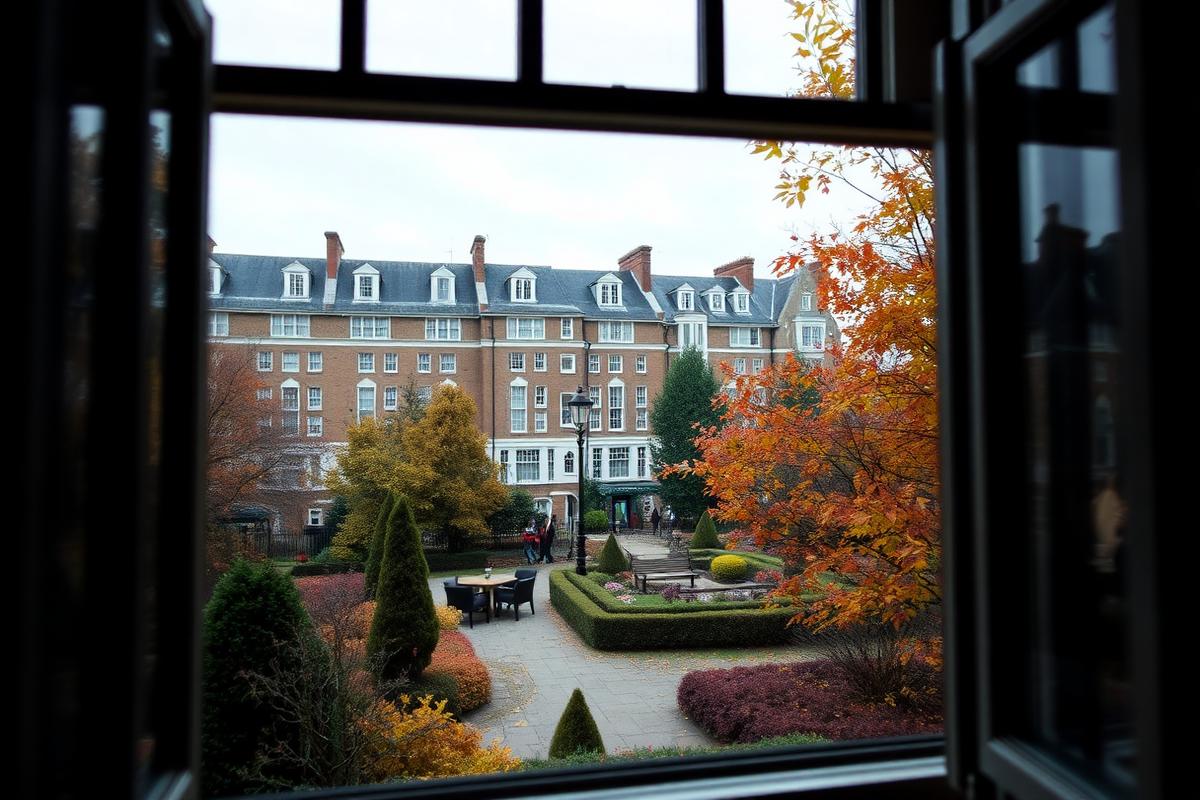
Richmond stands apart as one of London's most coveted addresses for tenants seeking a harmonious blend of metropolitan convenience and pastoral beauty. For those considering renting in Richmond, this historic riverside borough offers an unparalleled quality of life that few other London locations can match. From the sweeping greenery of Richmond Park to the elegant Georgian architecture lining Richmond Green, this is a place where urban sophistication meets natural splendour. Our team has witnessed firsthand how the Richmond rental market continues to attract discerning tenants who value character, community, and connectivity in equal measure.
Why Richmond Appeals to Renters
Richmond's enduring appeal lies in its remarkable ability to offer the best of both worlds. The area surrounding Richmond Green showcases some of London's finest period properties, with their distinctive townhouse façades and tree-lined streets creating an atmosphere that feels worlds away from central London—despite being just a straightforward journey into the city centre. The presence of Richmond Park, Britain's largest Royal Park, provides 2,500 acres of ancient woodland and open grassland that transforms the daily experience of living here.
The riverside location along the Thames adds another dimension to Richmond's character. The towpath walks, riverside pubs, and the view from Richmond Hill—protected by an Act of Parliament since 1902—create a lifestyle that tenants actively seek out. We've observed that many who begin renting in Richmond find themselves reluctant to leave, with the area's villages-within-a-village feel fostering genuine community connections.
Transport links serve as a practical cornerstone of Richmond's appeal. Richmond station offers both Underground services on the District line and overground connections, whilst the North Sheen and Mortlake stations provide additional options for commuters. This connectivity means tenants can access central London whilst returning each evening to an environment that feels distinctly removed from the urban intensity.
The cultural and retail offering along Richmond's high street and George Street provides everything from independent boutiques to established chains, whilst the Richmond Theatre and numerous riverside establishments ensure there's rarely a dull moment. For families considering flats to rent Richmond, the borough's outstanding schools—both state and independent—represent a significant draw.
Understanding the Richmond Rental Market
The Richmond tenancy landscape reflects the area's premium positioning within London's rental sector. Whilst comprehensive recent sales data from HM Land Registry and ONS rental statistics for this specific period aren't available, our team's daily engagement with the local market provides valuable insight into current conditions.
Demand for rental properties in Richmond remains consistently robust across all property types. Period conversions, particularly those near Richmond Green and along roads such as Richmond Hill, command premium rents due to their architectural distinction and prime locations. Modern developments closer to the station appeal to professionals prioritising commuter convenience, whilst family houses with gardens in the areas surrounding Richmond Park attract tenants planning longer-term stays.
The Richmond rental market demonstrates notable seasonality, with activity typically peaking during late spring and early autumn as families time moves around academic calendars. We've noticed that properties presented to exceptional standards and accurately priced secure tenants swiftly, often with multiple applicants competing for the most desirable homes. This competitive environment means prospective tenants benefit from having their documentation prepared and being ready to move decisively when they identify their ideal property.
Rental yields in Richmond tend to be more modest than in some other London locations, reflecting the area's capital value premium rather than indicating weak rental performance. The tenant demographic skews towards established professionals and families who value stability, often resulting in longer tenancy periods and lower turnover rates—factors that landlords prize highly.

Popular Locations Within Richmond for Tenants
Richmond encompasses several distinct micro-locations, each with its own character and appeal. The streets immediately surrounding Richmond Green represent perhaps the most prestigious addresses, where elegant Georgian and Victorian properties create an architectural showcase. Tenants here enjoy proximity to the town centre whilst residing on quieter, predominantly residential streets that exude calm and refinement.
The riverside areas, particularly around Richmond Bridge and extending towards Petersham, offer a different proposition. Properties here often feature river views or garden access extending towards the Thames Path, creating a resort-like atmosphere that feels especially valuable during warmer months. The concentration of riverside pubs and restaurants in this area adds to its social appeal.
For those prioritising parkland access, the roads bordering Richmond Park—including areas near Richmond Gate—provide immediate access to one of London's greatest natural assets. Morning runs, weekend cycles, and the sight of freely roaming deer herds become part of daily life for tenants in these locations. Properties here range from substantial family houses to more modest flats, all benefiting from their parkside positioning.
The area around Richmond station and the town centre appeals particularly to professionals and younger tenants who value walkability and convenience. Modern apartment blocks in this vicinity offer contemporary specifications and minimal commuting time, though they typically lack the period character found elsewhere in Richmond. Our experience at [Seymont London](/estate-agents/richmond) suggests that each micro-location attracts its own distinct tenant profile, and understanding these nuances proves essential when searching for the right property.
Talk to Seymont
What's your home worth?
A considered view on price, timing and how to bring your London home to market — a personal reply within 24 hours.
Your property
Step 1 of 2Practical Considerations for Richmond Tenants
Securing a Richmond tenancy requires thorough preparation and realistic expectations. The competitive nature of the market means landlords and letting agents can be selective, with comprehensive referencing now standard practice. Prospective tenants should anticipate providing employment references, proof of income (typically demonstrating earnings of at least 2.5 times the annual rent), and previous landlord references where applicable.
Deposit requirements in Richmond typically align with the legal maximum of five weeks' rent for annual rents below £50,000, though tenants should also budget for the first month's rent in advance. All deposits must be protected in a government-approved tenancy deposit scheme—a legal requirement that provides important protections for tenants. We always ensure our clients understand these financial obligations before committing to viewings.
The rental application process moves swiftly in Richmond's competitive market. Properties that meet market expectations often receive multiple applications within days of listing, meaning prospective tenants cannot afford to delay once they've identified a suitable home. Having identification documents, proof of address, and employment details readily available expedites the process considerably.
Tenants should also consider practical factors such as parking availability—increasingly restricted in central Richmond areas—and council tax bands, which can vary significantly depending on property size and location. Understanding what's included in the rent (whether utilities, garden maintenance, or other services) prevents unwelcome surprises after moving in. Our team at [Seymont London](/let-your-property/richmond) works to ensure complete transparency throughout the tenancy process, recognising that well-informed tenants make for more successful, longer-term arrangements.

Living in Richmond: What Tenants Can Expect
The lived experience of renting in Richmond extends far beyond the property itself. The area's village atmosphere, despite its London location, manifests in ways both subtle and significant. Local shopkeepers often recognise regular customers, community events draw enthusiastic participation, and the numerous green spaces create natural gathering points for residents.
Richmond's cultural calendar offers year-round interest. The annual Richmond Literature Festival attracts notable authors, whilst summer brings outdoor cinema screenings in various locations. The farmers' market near the station provides artisanal produce each week, and the concentration of independent restaurants along Richmond Hill and in the town centre ensures dining options remain varied and interesting.
For families, the area's educational provision represents a major advantage. Outstanding state primaries and secondaries compete with prestigious independent schools, creating an environment where educational attainment receives considerable emphasis. The numerous parks, riverside walks, and family-oriented facilities mean children growing up in Richmond benefit from an unusually balanced urban-rural experience.
The cycling culture in Richmond deserves particular mention. Richmond Park's vehicle-free Tamsin Trail provides a traffic-free circuit, whilst the area's roads attract weekend cyclists from across London tackling the climb up Richmond Hill or heading out towards Surrey. For tenant cyclists, this infrastructure and culture create an ideal environment. Those interested in exploring available rental properties can view current listings through our [property search](/property-for-sale/richmond) to understand the market landscape.
Talk to Seymont
What's your home worth?
A considered view on price, timing and how to bring your London home to market — a personal reply within 24 hours.
Your property
Step 1 of 2About the author
Julian ReyesLicensed Real Estate Agent
Julian has spent eleven years handling residential sales across west and central London, previously with the independent agencies Harlowe & Vance and Marchmont Row. He runs listings end to end, from pricing and presentation through to negotiating offers and holding chains together to completion. His writing focuses on the practical mechanics of buying and selling a home in a market where timing and preparation decide the outcome.
Licensed estate agent · 11 years in London residential sales
- Residential sales
- First-time buyers
- Offer negotiation
- Chain management
Frequently asked
- Is Richmond in London or Surrey?
- Richmond is located in the London Borough of Richmond upon Thames, within Greater London. Whilst the area historically formed part of Surrey before London's expansion, it has been officially part of London since 1965. This can cause some confusion, as Richmond's postcode (TW9) and its character sometimes feel more Surrey than typically metropolitan London. The borough borders Surrey, and many of Richmond's attributes—particularly its green spaces and riverside setting—give it a distinctly non-urban feel despite its London location.
- What is the average rent for flats to rent in Richmond?
- Rental prices for flats in Richmond vary considerably depending on size, condition, and specific location. One-bedroom flats typically start from around £1,400-£1,600 per month for more modest properties, rising to £2,000+ for well-presented apartments in prime locations near Richmond Green or with river views. Two-bedroom flats generally range from £1,800 to £2,800 per month, whilst larger three-bedroom apartments can exceed £3,000-£4,000 monthly. Properties in period conversions with original features typically command premiums over modern developments, and proximity to the station or park significantly influences pricing.
- How competitive is the Richmond rental market?
- The Richmond rental market remains consistently competitive due to the area's enduring popularity and limited housing stock. Well-priced properties in good condition typically attract multiple enquiries within days of listing, and desirable homes often receive several applications simultaneously. The market experiences peak activity during spring and autumn, particularly around school term transitions when families are most likely to relocate. Prospective tenants should be prepared to act quickly when they find suitable properties, have all documentation ready, and understand that landlords can be selective given the high demand.
- What are the transport links like from Richmond?
- Richmond benefits from excellent transport connectivity despite its Zone 4 location. Richmond station provides both London Underground services (District line) and London Overground connections, with the District line offering direct access to central locations including South Kensington, Victoria, and Westminster. Journey times to central London typically range from 30-45 minutes depending on the destination. Overground services connect to Clapham Junction, Stratford, and other key interchanges. Additionally, numerous bus routes serve Richmond, and the area's riverside location and cycle infrastructure make cycling a viable commuting option for many residents.
- Is Richmond suitable for families renting in London?
- Richmond ranks among London's most family-friendly locations for tenants. The combination of outstanding schools (both state and independent), abundant green space including Richmond Park, riverside walks, low crime rates, and strong community atmosphere creates an environment where families thrive. The area offers excellent childcare facilities, numerous parent-and-child activities, and safe streets where children can develop independence. Whilst rental costs are higher than many London locations, families often consider this offset by the quality of life, educational opportunities, and the fact that extensive outdoor space reduces the need for paid entertainment. Many families who begin renting in Richmond ultimately choose to purchase property in the area if circumstances allow.