Journal
Renting in Fulham: Your Complete Guide to the Area
Written by Nina Castellano · Investment Property Advisor
Published 1 January 2026 · Updated 1 July 2026 · 6 min read
The short answer
Renting in Fulham offers tenants an enviable combination of riverside charm, village atmosphere and Zone 2 convenience that few London neighbourhoods can match. Stretching from the Thames at Putney Bridge to the bustling retail hub of Fulham Broadway, this established south-west London address has evolved into one of the capital's most sought-after rental markets.

Renting in Fulham offers tenants an enviable combination of riverside charm, village atmosphere and Zone 2 convenience that few London neighbourhoods can match. Stretching from the Thames at Putney Bridge to the bustling retail hub of Fulham Broadway, this established south-west London address has evolved into one of the capital's most sought-after rental markets. Whether you're searching for a conversion flat on a tree-lined avenue or a modern apartment near the river, the Fulham rental market presents diverse opportunities across a range of budgets and lifestyles. Our team at Seymont London has witnessed sustained demand throughout this area, driven by its excellent transport connections, thriving independent high streets and proximity to central London without the premium price tags of neighbouring Chelsea or Kensington.
Understanding the Fulham Rental Market
The Fulham tenancy landscape reflects the area's broad appeal to young professionals, families and established Londoners seeking quality of life without sacrificing connectivity. According to ONS data, studio flats to rent in Fulham typically command between £1,150 and £1,775 per calendar month, whilst one-bedroom properties range from £1,500 to £2,350. Two-bedroom apartments—the most commonly available rental stock—sit between £2,050 and £3,200, making them competitive when weighed against comparable offerings in adjacent boroughs.
For those requiring more space, three-bedroom properties range from £2,725 to £4,275 monthly, four-bedroom homes between £3,650 and £5,700, and larger five-bedroom houses command £4,775 to £7,475. These figures position Fulham as a premium yet accessible market, particularly when considering the area's amenities and transport infrastructure.
HM Land Registry data reveals that 273 properties changed hands recently, with a median sale price of £725,000. Flats dominated transactions with 199 sales at a median of £625,000, followed by 58 terraced houses at £1,489,500. This sales activity underpins a healthy rental supply, as many investors acquire properties specifically for the lettings market. The price differential between purchasing and renting makes Fulham particularly attractive to mobile professionals and those prioritising flexibility over ownership.
Our experience across the Fulham rental market shows that well-presented properties in prime pockets—particularly those near Eel Brook Common, Bishops Park or the quieter streets around Parsons Green—typically let within two weeks during peak moving seasons. Competition remains robust for characterful conversions in mansion blocks and newly refurbished apartments with outside space.
Neighbourhoods and Transport Connections
Fulham's geography divides naturally into distinct micro-markets, each with its own character and rental profile. Fulham Broadway serves as the area's commercial heart, anchored by its Tube station on the District line and the iconic stadium on Fulham Palace Road—home to Chelsea Football Club until their proposed redevelopment materialises. The Broadway itself offers a sprawling shopping centre, supermarkets, gyms and high-street chains, making it ideal for tenants prioritising convenience and nightlife.
Venture north towards the King's Road boundary and you'll encounter smarter mansion conversions and purpose-built developments that attract City workers and media professionals. These streets offer easier access to South Kensington and Sloane Square, extending commuting options via the Circle line. Parking restrictions are stricter here, and rental values trend towards the upper end of the scale.
West Fulham, encompassing the streets radiating from Parsons Green, exudes a more residential, village-like atmosphere. The Green itself provides a rare expanse of open space, surrounded by gastropubs, delis and independent boutiques. Families particularly favour this enclave for its community feel and proximity to well-regarded state and independent schools. Rental properties here span Victorian conversions, Edwardian terraces and occasional mews houses, with longer average tenancy lengths reflecting the area's settled character.
Transport infrastructure extends beyond the District line. Fulham Broadway station provides direct routes to Westminster (approximately 15 minutes), South Kensington (7 minutes) and Canary Wharf (35 minutes via Tower Hill). Numerous bus routes traverse Fulham Palace Road and New Kings Road, connecting to Hammersmith, Putney, Battersea and Chelsea. Overground services from Imperial Wharf station (technically within Fulham's borders) link to Clapham Junction and Willesden Junction, whilst Thames Clippers riverboat services operate from Putney Pier. This multimodal connectivity makes renting in Fulham particularly practical for professionals working across different London hubs.

Property Types and What Tenants Can Expect
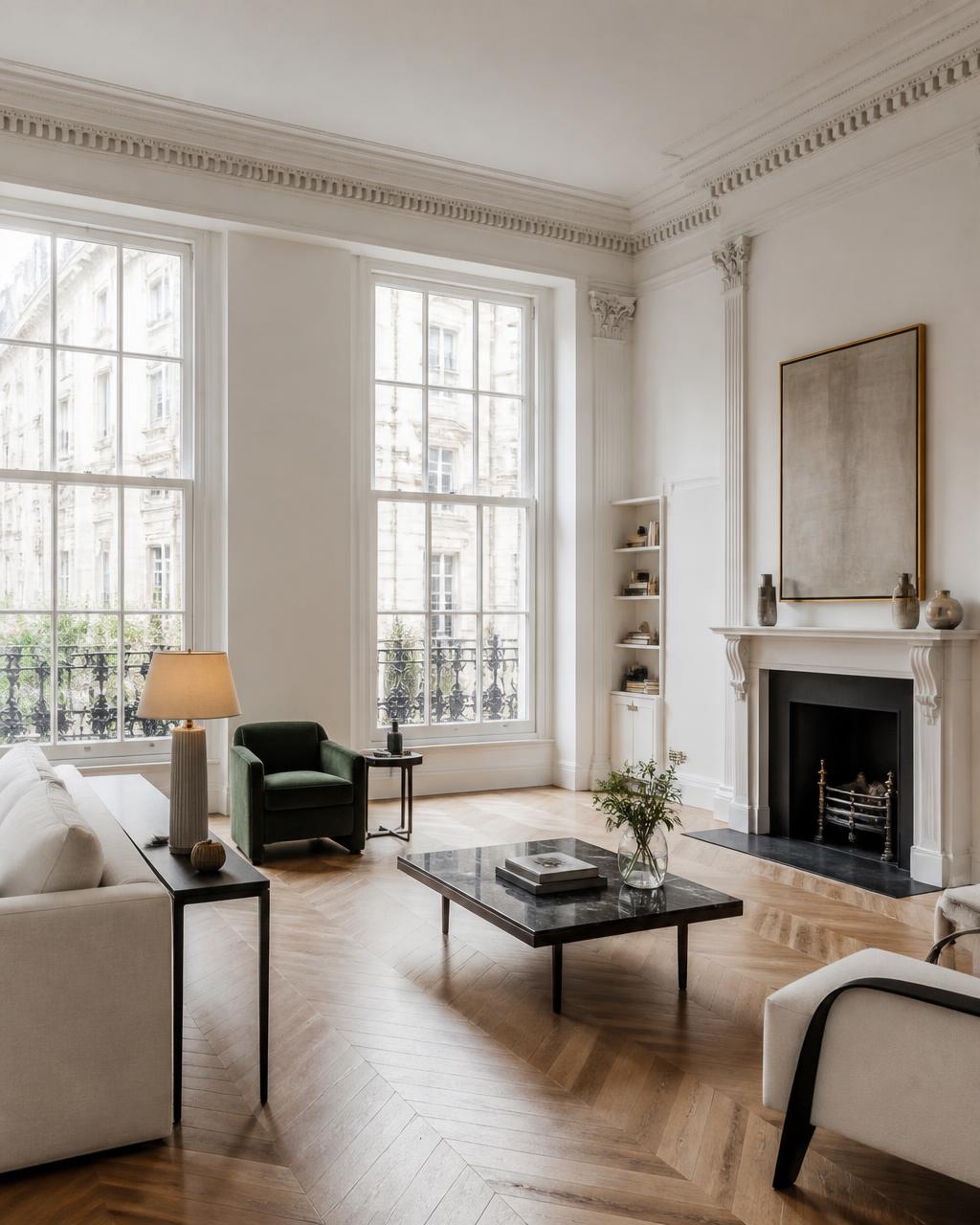
Flats to rent in Fulham encompass everything from compact studio conversions in Victorian townhouses to expansive lateral apartments in riverside developments. Period conversions dominate the market, typically offering high ceilings, original cornicing and sash windows, though thermal efficiency and storage can present challenges in older stock. Purpose-built blocks from the 1930s through to recent constructions provide more uniform specifications, often including communal gardens, porters and allocated parking.
The area's housing stock reflects successive waves of development. Red-brick mansion blocks line many principal roads, subdivided decades ago into one- and two-bedroom flats that remain popular with single professionals and couples. Terraced houses on quieter residential streets have frequently been split into maisonettes or retained as family homes, commanding premium rents when they reach the market. Modern developments, particularly those near the river and Imperial Wharf, offer contemporary specifications with balconies, concierge services and access to private gyms.
Tenants should note that Fulham properties vary considerably in condition and finish. Some landlords have invested in comprehensive refurbishments with integrated appliances, smart heating systems and designer bathrooms, whilst others maintain serviceable but dated specifications. Competition for the best-presented homes remains fierce, particularly at the beginning of the academic year and in January when corporate relocations peak.
Outside space commands a significant premium. Properties with private gardens, terraces or even Juliet balconies let more quickly and achieve rents 10-15% above comparable units without outdoor access. Parking—whether allocated, on-street permit or residents' bay—adds further value in an area where Controlled Parking Zones operate extensively. Our team advises tenants to clarify parking arrangements early in viewings, as availability fluctuates considerably between streets.
Talk to Seymont
What's your home worth?
A considered view on price, timing and how to bring your London home to market — a personal reply within 24 hours.
Your property
Step 1 of 2Local Amenities and Lifestyle
Beyond residential appeal, Fulham's lifestyle infrastructure significantly influences rental demand. Bishops Park, stretching along the Thames between Putney Bridge and Fulham Palace, provides 27 acres of gardens, sports facilities and riverside walks. The park hosts weekend markets, outdoor cinema screenings and community events throughout the year. Fulham Palace itself, a Grade I listed former residence of the Bishops of London, offers botanical gardens, a museum and a café, creating a cultural anchor that distinguishes the area from more transactional London neighbourhoods.
Dining and socialising options span gastro-pubs like The Harwood Arms (London's only Michelin-starred pub), neighbourhood bistros on New Kings Road, and chain restaurants clustered around Fulham Broadway. Independent shops—particularly on the Fulham Road and Wandsworth Bridge Road—provide butchers, fishmongers, delicatessens and florists, supporting a village retail ecosystem that supermarkets haven't entirely displaced.
Fitness facilities proliferate, from Virgin Active and Nuffield Health clubs to boutique studios specialising in Pilates, yoga and spin classes. The Thames Path offers traffic-free running and cycling routes towards Putney or Chelsea, whilst Eel Brook Common and Hurlingham Park (just across the borough boundary) provide additional green space. This active lifestyle infrastructure particularly attracts tenants in their late twenties to early forties seeking work-life balance.
Schools significantly influence family rental decisions. Fulham offers several well-regarded state primaries including Sulivan Primary, Langford Primary and Holy Cross, alongside prep schools such as The Hurlingham School and Fulham Prep. Secondary options include London Oratory School (faith-based) and proximity to outstanding comprehensives in neighbouring boroughs, though admissions distances fluctuate annually.
Working with Seymont London in Fulham
Our approach to the Fulham rental market combines local expertise with transparency throughout the lettings process. We understand that securing the right property requires more than viewing availability—tenants benefit from insight into micro-market dynamics, realistic assessments of commute times and honest appraisals of property condition relative to asking rent.
For those considering renting in Fulham, we recommend beginning searches 6-8 weeks before your intended move date. The area's popularity means quality properties let quickly, but starting too early risks missing optimal availability. Our team maintains detailed knowledge of upcoming instructions and can often arrange priority viewings for registered applicants before properties reach public portals.
Tenants should prepare comprehensive referencing documentation—proof of income at 30 times monthly rent annually, employer references, previous landlord references and identification—to expedite offers on competitive properties. Overseas applicants or those without UK credit history may require guarantors or advance rent payments, which we negotiate pragmatically with landlords to facilitate agreements.
Beyond initial lettings, we provide [ongoing tenancy management](/let-your-property/fulham) that ensures maintenance issues are resolved promptly and tenancy renewals are handled smoothly. Understanding the Fulham property market from both sales and lettings perspectives—explore our [estate agency services](/estate-agents/fulham) and [sales listings](/property-for-sale/fulham)—enables us to advise tenants on market timing and opportunities. Whether you're renting short-term whilst house-hunting or establishing a long-term base, our focus remains on matching tenants with properties that genuinely suit their requirements rather than simply closing transactions.
Talk to Seymont
What's your home worth?
A considered view on price, timing and how to bring your London home to market — a personal reply within 24 hours.
Your property
Step 1 of 2About the author
Nina CastellanoInvestment Property Advisor
Nina advises landlords and investors on rental yields, tenant demand and portfolio structure across Greater London, after running lettings and management at Bellhouse Property Partners. She has overseen single units and multi-property portfolios, and works through compliance, void periods and running costs before a purchase is agreed. Her articles deal with the numbers behind a buy-to-let rather than the headline gross yield.
Lettings and portfolio management · 9 years in London rentals
- Buy-to-let
- Rental yields
- Portfolio strategy
- Landlord compliance
Frequently asked
- What is the average rent for a two-bedroom flat in Fulham?
- According to ONS data, two-bedroom flats to rent in Fulham typically range from £2,050 to £3,200 per calendar month, depending on property condition, exact location and amenities such as parking or outdoor space. Properties near Parsons Green or with river views command the higher end of this bracket, whilst conversions further from transport hubs sit towards the lower range.
- How long does it typically take to find a rental property in Fulham?
- Well-qualified tenants typically secure properties within 2-4 weeks of beginning their search during normal market conditions. Well-presented flats in prime locations—particularly those near Bishops Park or Parsons Green—often let within days of listing during peak seasons (September-October and January-February). Our team recommends starting your search 6-8 weeks before your intended move date to allow time for viewings, referencing and notice periods.
- Is Fulham well-connected for commuting into central London?
- Yes, Fulham offers excellent transport links. Fulham Broadway station on the District line provides direct Tube services to Westminster (15 minutes), South Kensington (7 minutes) and the City via Tower Hill. Multiple bus routes serve Fulham Palace Road and New Kings Road, whilst Imperial Wharf station offers Overground connections to Clapham Junction and beyond. Riverside locations also benefit from Thames Clippers services from Putney Pier.
- What areas of Fulham are best for families renting with children?
- Families typically favour the streets around Parsons Green for its village atmosphere, open green space and proximity to well-regarded primary schools including Sulivan Primary and Langford Primary. The residential streets between Eel Brook Common and Bishops Park also attract family tenants, offering a quieter environment whilst maintaining good transport access and proximity to the riverside parks. Three- and four-bedroom houses in these areas command premium rents but offer longer-term stability.
- Do I need a car when renting in Fulham?
- A car is not essential for most tenants given Fulham's comprehensive public transport network and proximity to central London. However, for families or those working outside central zones, a vehicle can be convenient. Parking availability varies significantly—some properties include allocated spaces or permits, whilst others rely on competitive residents' bays with Controlled Parking Zones operating extensively. We advise clarifying parking arrangements during viewings if you plan to keep a vehicle.