Journal
Putney vs Fulham: Where Should You Live in South West London?
Written by Amara Bennett · Property Market Analyst
Published 28 February 2026 · Updated 30 May 2026 · 6 min read
The short answer
The debate between Putney vs Fulham is one we hear constantly from buyers and renters exploring south-west London. Both sit elegantly along the Thames, both offer enviable village atmospheres within Zone 2, and both command premium prices for their blend of green space, independent shops, and excellent schools.
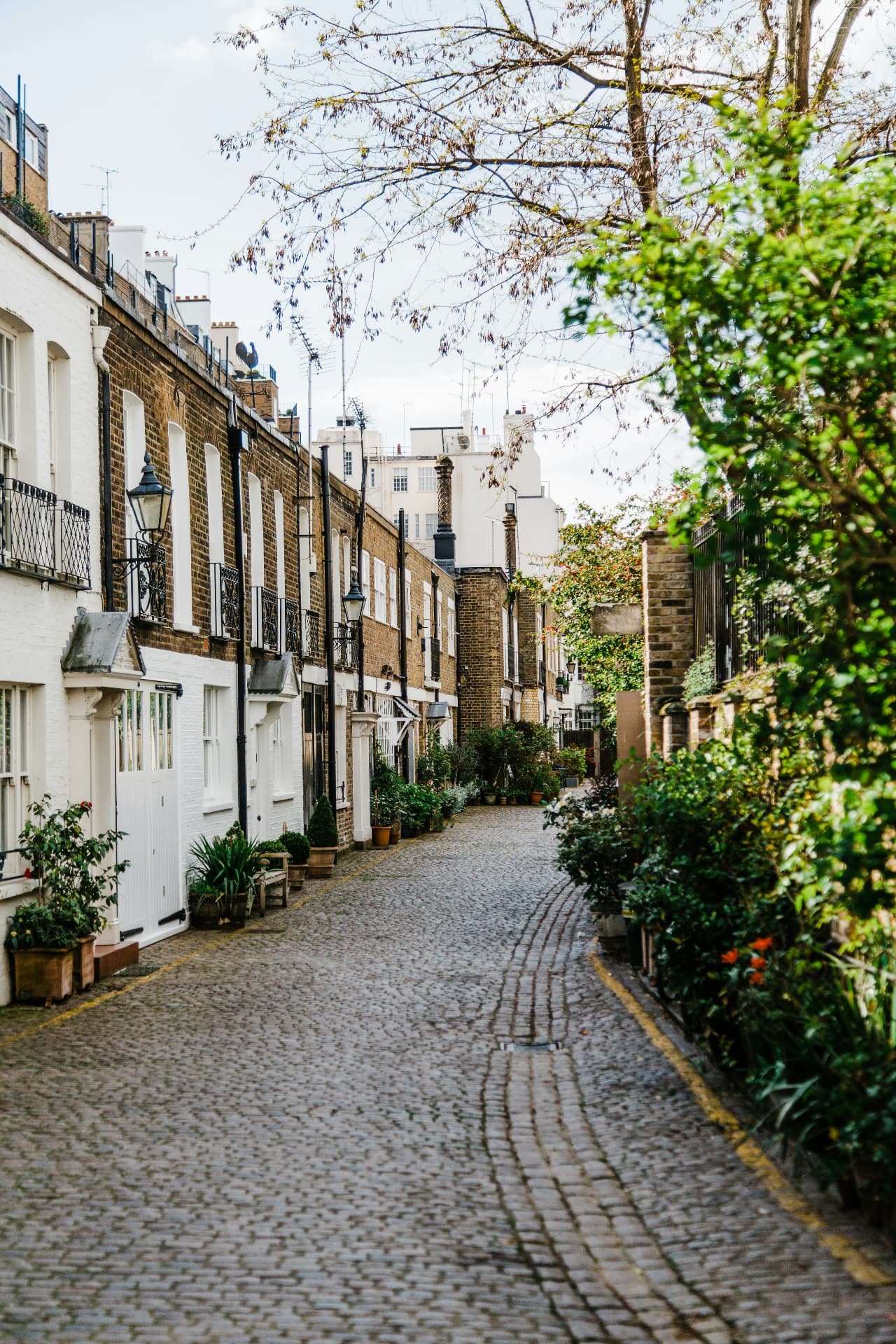
The debate between Putney vs Fulham is one we hear constantly from buyers and renters exploring south-west London. Both sit elegantly along the Thames, both offer enviable village atmospheres within Zone 2, and both command premium prices for their blend of green space, independent shops, and excellent schools. Yet they possess distinctly different characters. Our team at Seymont London works across both postcodes daily, and we've prepared this comprehensive comparison to help you decide whether Putney or Fulham suits your lifestyle, budget, and long-term plans. Drawing on HM Land Registry data and our on-the-ground experience, we'll explore what makes each area unique.
Property Prices and Market Dynamics
When comparing Putney and Fulham, property values reveal fascinating patterns. According to HM Land Registry Price Paid Data, Putney recorded a median sale price of £600,000 across 1,013 transactions in the most recent period. Flats—the dominant property type with 646 sales—achieved a median of £485,000, whilst terraced houses commanded £950,000 and semi-detached properties reached £1,738,500. At the premium end, detached houses recorded a median of £2,595,000, with the top sale reaching £9,000,000.
Fulham typically trades at a premium to Putney, particularly in its most coveted pockets near Parsons Green and the riverside Hurlingham quarter. However, Putney offers notably better value for families seeking gardens and period houses, especially around Putney Heath and the leafier roads between the Upper Richmond Road and Wimbledon Park. The £950,000 median for terraced houses in Putney delivers considerably more square footage than equivalent money in central Fulham, where Victorian conversions often lack the garden depth found in SW15.
For investors and first-time buyers, Putney's flat market presents compelling opportunities. The £485,000 median for apartments positions Putney as more accessible than Fulham, where comparable one and two-bedroom flats frequently exceed £550,000. Our <a href="/property-for-sale/putney">Putney sales listings</a> consistently attract buyers priced out of Fulham who refuse to compromise on riverside proximity and transport links.
Rental values, according to ONS data, range from £950–£1,475 for studios up to £3,950–£6,175 for five-bedroom houses. These figures sit 10–15% below equivalent Fulham rents, making Putney particularly attractive to professional sharers and young families renting before buying. The calculation of whether to consider <a href="/let-your-property/putney">letting your Putney property</a> versus selling depends heavily on yield, which typically runs stronger here than in neighbouring postcodes due to this price-to-rent relationship.
Transport and Connectivity: How Putney Compares
Transport infrastructure forms a critical consideration when weighing Putney or Fulham. Putney benefits from dual Underground stations—Putney Bridge (District line) and East Putney (District line)—plus the mainline Putney station offering South Western Railway services to Waterloo, Clapham Junction, and beyond. East Putney station, in particular, serves the dense residential blocks between the Upper Richmond Road and Putney Hill, delivering Zone 2 access at a relative discount to Fulham Broadway.
Fulham's connectivity centres on Fulham Broadway (District line) and Parsons Green (District line), with Imperial Wharf providing Overground services. Whilst both areas share the District line, Putney's mainline station offers greater flexibility for commuters heading to Waterloo (approximately 13 minutes) or continuing to suburban Surrey and Hampshire. This dual offering of Underground and mainline makes Putney marginally more versatile for mixed-mode commuting.
Beyond the Tube, Putney's bus network rivals Fulham's, with routes connecting to Hammersmith, Richmond, Kingston, and Chelsea. The 14, 22, 74, and 430 buses provide exceptional coverage. Cycling infrastructure along the Thames Path and Putney Bridge encourages active commuting, whilst drivers benefit from the A3 corridor—though rush-hour congestion affects both areas equally. For families considering school runs and weekend escapes, Putney's proximity to Richmond Park and the A3 gives it a slight edge over Fulham for those prioritising green space and motorway access.

Lifestyle, Amenities and the Best of Putney and Fulham
Lifestyle distinguishes these two postcodes more than any other factor. Putney projects a sporty, outdoorsy character shaped by the annual Boat Race, the rowing clubs lining the Thames, and the vast expanse of Putney Heath to the south. Weekend mornings see the High Street buzzing with runners returning from Richmond Park, families queuing at independent bakeries, and cyclists refuelling at café tables spilling onto the pavement. The Odeon Putney remains a cherished local cinema, whilst wine bars in Putney—particularly along the Lower Richmond Road and Felsham Road—offer sophisticated evening venues without Fulham's sometimes corporate polish.
Fulham leans more cosmopolitan and restaurant-focused, with a concentration of high-end dining, boutique fitness studios, and design-led interiors shops. Its demographics skew slightly older and wealthier, reflected in property stock that includes more mansion blocks and white-stucco terraces. Putney feels simultaneously more villagey and more diverse, with pockets ranging from the upmarket riverside developments like Putney Wharf Tower to the Victorian terraces of West Putney that retain a pleasingly ungentrified mix of independent traders.
Green space crowns Putney's appeal when comparing the best of Putney and Fulham. Whilst Fulham offers Bishops Park and Hurlingham Club (members-only), Putney boasts Putney Heath, Putney Lower Common, and immediate access to Richmond Park's 2,500 acres—an unparalleled asset for families with young children or dog owners. The Thames Path runs through both, but Putney's riverside feels less manicured and more genuinely recreational, with rowing clubs, open parkland, and the working boathouses that give the waterfront an active, sporting soul.
Schools in both areas command fierce competition, but Putney's state primaries—including Brandlehow, Hotham, and Southfields Academy—consistently achieve strong Ofsted ratings. Independent schools such as Putney High (GDST) and Ibstock Place attract families across south-west London. Our experience at <a href="/estate-agents/putney">Seymont's Putney office</a> confirms that school catchments drive a significant proportion of family moves, with buyers timing purchases to secure nursery or reception places up to two years in advance.
Talk to Seymont
What's your home worth?
A considered view on price, timing and how to bring your London home to market — a personal reply within 24 hours.
Your property
Step 1 of 2Renting vs Buying: Freehold vs Leasehold Considerations
Whether you're renting a house or purchasing in Putney, understanding tenure matters profoundly. The freehold vs leasehold question affects long-term value and monthly outgoings. Putney's housing stock divides roughly between leasehold flats (the majority of sales) and freehold houses, particularly the Victorian and Edwardian terraces that define streets south of the Upper Richmond Road.
Leasehold vs freehold considerations become acute when comparing flats in Putney's riverside developments—many built in the 1980s and 1990s—with older conversions. Leases below 80 years trigger 'marriage value' complications, inflating extension costs and dampening resale appeal. We always advise clients to scrutinise lease length and ground rent terms, particularly in developments like Putney Wharf Tower where service charges can exceed £4,000 annually. Freehold houses, whilst commanding higher entry prices (£950,000 median for terraced), eliminate these complications and typically appreciate more reliably.
For those renting a house in Putney before committing to purchase, the ONS rental data—£2,275–£3,525 for three bedrooms—allows a realistic 12–24 month trial of school catchments, commute times, and neighbourhood feel. Renting in Putney often proves more financially accessible than Fulham, stretching household budgets further whilst maintaining the same Zone 2 lifestyle and riverside amenities. Many of our tenants transition to buyers within two years, having confirmed Putney meets their long-term needs.
Investment Outlook: Why Putney Holds Its Ground
From an investment perspective, the comparison of Putney and Fulham hinges on relative value and growth potential. Putney's lower entry prices—particularly for flats at £485,000 median—offer stronger rental yields (typically 3.5–4.5%) than Fulham's sub-3% returns. The professional renter demographic remains robust, sustained by excellent transport, the appeal of riverside living, and proximity to employment hubs in central London, Hammersmith, and Chiswick.
Capital growth historically tracks closely between the two areas, both benefiting from south-west London's enduring appeal and constrained housing supply. However, Putney's greater housing diversity—from studio flats to £9 million detached houses—creates multiple entry points and exit strategies for investors. The 1,013 transactions recorded by HM Land Registry demonstrate liquidity and active demand across price bands, reducing hold risk compared to less transactional postcodes.
Looking ahead, Putney's fundamentals remain sound. The Elizabeth line's impact ripples across Zone 2, enhancing connectivity even for areas not directly served. Environmental policies favouring active travel and green space access increasingly favour Putney's proximity to Richmond Park and the Thames Path. Demographic trends—particularly the return of families to London post-pandemic—support demand for Putney's houses with gardens, a segment that outperformed flats in recent years. Our assessment suggests Putney will continue closing any perceived gap with Fulham, rewarding buyers and investors who recognise value beyond postcode prestige.
Talk to Seymont
What's your home worth?
A considered view on price, timing and how to bring your London home to market — a personal reply within 24 hours.
Your property
Step 1 of 2About the author
Amara BennettProperty Market Analyst
Amara spent seven years as a market analyst at Kestrel Lane Research, a small London property consultancy, before joining our editorial desk. She reads sold-price and rental data street by street to explain how individual London postcode districts actually behave, and reviews every price figure we publish. Her focus is separating headline national averages from what a specific address is worth today.
MSc Real Estate Economics · Seven years in property market research
- Valuations
- Local market data
- Sold prices
- Pricing strategy
Frequently asked
- Is Putney more affordable than Fulham?
- Yes, Putney generally offers better value than Fulham. According to HM Land Registry data, Putney's median property price stands at £600,000, with flats at £485,000 median and terraced houses at £950,000. Fulham typically commands a 15–25% premium for equivalent property types, particularly near Parsons Green and the river. Rental values in Putney also run 10–15% below Fulham across all bedroom counts, making it more accessible for both buyers and tenants.
- Which area has better transport links, Putney or Fulham?
- Putney offers marginally better transport flexibility. Both areas share the District line (Putney Bridge, East Putney versus Fulham Broadway, Parsons Green), but Putney adds a mainline station with South Western Railway services to Waterloo in approximately 13 minutes. This dual Underground and mainline offering provides more commuting options, especially for those working near Waterloo or travelling beyond London. Bus networks are comparable, and both enjoy excellent cycling access along the Thames Path.
- What are the main lifestyle differences between Putney and Fulham?
- Putney has a sportier, more village-like atmosphere shaped by rowing clubs, proximity to Richmond Park, and Putney Heath. It attracts families and active professionals who value green space and outdoor recreation. Fulham leans more cosmopolitan with higher-end restaurants, boutique shopping, and a slightly older, wealthier demographic. Wine bars in Putney offer relaxed sophistication, whilst Fulham's dining scene tends toward polished establishments. Both areas excel, but Putney's 2,500-acre Richmond Park access is unmatched.
- Are schools better in Putney or Fulham?
- Both areas boast excellent state and independent schools, making this largely a matter of specific catchment. Putney offers strong state primaries including Brandlehow and Hotham, plus independents like Putney High (GDST) and Ibstock Place. Fulham counters with schools such as Hurlingham Academy and Fulham Primary. Demand for school places drives property decisions in both postcodes, with families purchasing 1–2 years ahead of reception entry. We recommend researching individual school Ofsted reports and catchment boundaries rather than choosing solely on postcode.
- What are typical rental costs in Putney?
- According to ONS data, Putney rental costs range from £950–£1,475 monthly for studios, £1,250–£1,950 for one-bedroom flats, £1,700–£2,650 for two bedrooms, £2,275–£3,525 for three bedrooms, £3,025–£4,700 for four bedrooms, and £3,950–£6,175 for five-bedroom houses. These figures sit approximately 10–15% below equivalent Fulham rents, offering better value for renters whilst maintaining comparable amenities, transport links, and lifestyle appeal.