Journal
The Best Areas to Live in Putney
Written by Julian Reyes · Licensed Real Estate Agent
Published 22 May 2026 · Updated 28 May 2026 · 8 min read
The short answer
When searching for the best areas to live in Putney, buyers and renters discover a Thames-side enclave that effortlessly balances village charm with exceptional connectivity to central London. Our team at Seymont London has witnessed firsthand how this south-west London neighbourhood continues to attract professionals, families and downsizers who value green spaces, independent shops and a genuine sense of community.
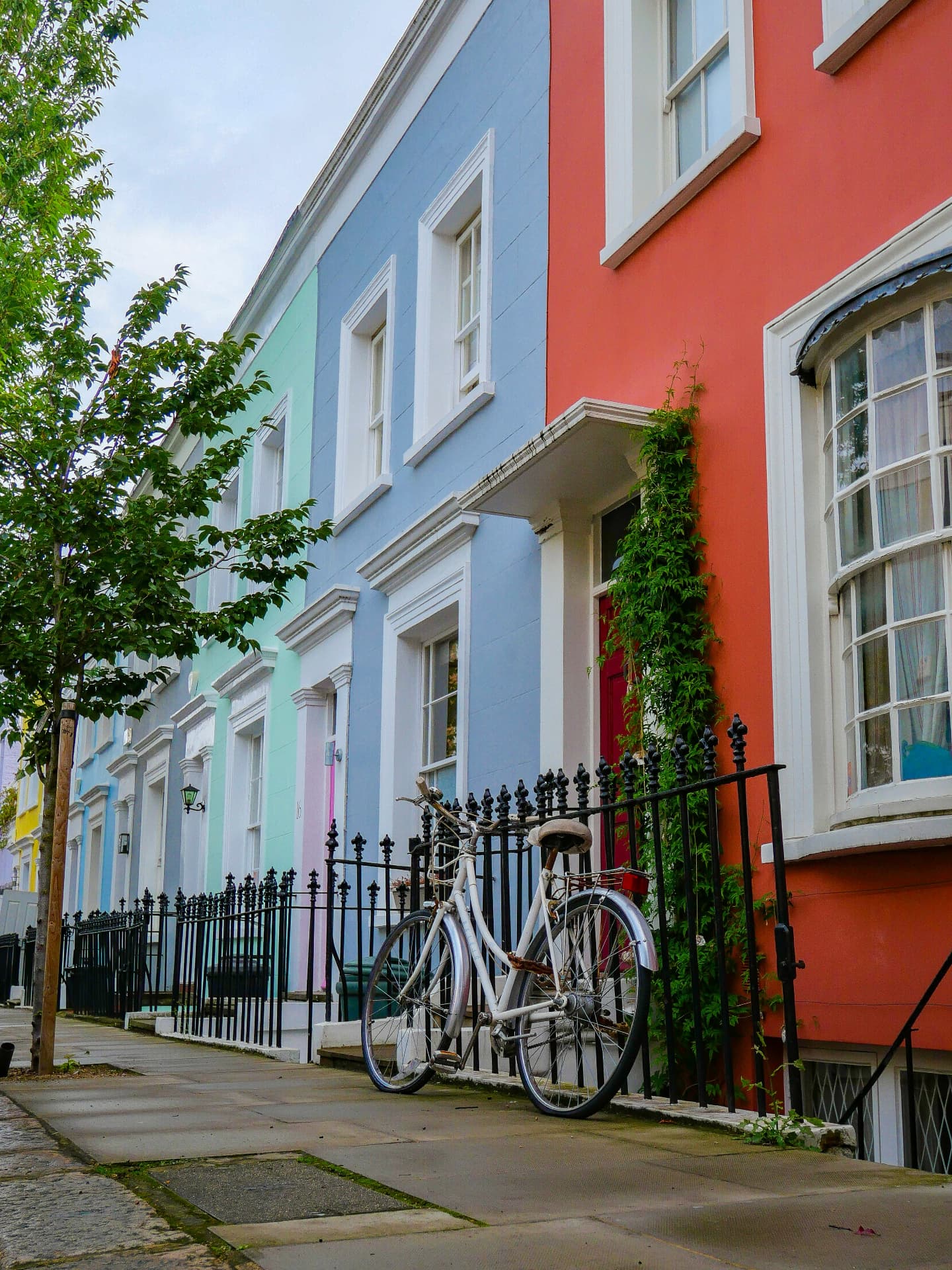
When searching for the best areas to live in Putney, buyers and renters discover a Thames-side enclave that effortlessly balances village charm with exceptional connectivity to central London. Our team at Seymont London has witnessed firsthand how this south-west London neighbourhood continues to attract professionals, families and downsizers who value green spaces, independent shops and a genuine sense of community. From the elegant Victorian terraces near Putney Bridge to the riverside apartments along the Thames Path, each pocket of this SW15 postcode offers its own distinct character and appeal.
Putney Neighbourhoods: A Geographical Overview
Understanding where to live in Putney begins with appreciating its natural boundaries and distinct quarters. The Thames forms the northern border, while Putney Heath and Wimbledon Common create sprawling green lungs to the south and east. This geographical layout has shaped three principal residential zones, each with unique characteristics.
The riverside quarter, stretching from Putney Bridge to the Wandsworth border, represents Putney's most prestigious address. Here, converted warehouses and modern developments like Putney Wharf Tower sit alongside Georgian and Victorian townhouses on streets such as Lower Richmond Road and Embankment. The Thames Path draws joggers, cyclists and families year-round, whilst the rowing clubs that line the riverbank contribute to the area's sporting heritage.
Central Putney, radiating from Putney High Street and the Upper Richmond Road, forms the commercial and transport heart. This zone offers superb walkability, with Putney mainline station and East Putney Underground serving commuters heading into the City or West End. The high street itself has evolved beyond chain retailers to embrace wine bars in Putney, independent cafés and the restored Odeon Putney cinema, creating a genuine neighbourhood destination.
The southern reaches, encompassing Putney Heath and the streets bordering Wimbledon Common, provide a more suburban feel without sacrificing convenience. Families are particularly drawn to this zone for its proximity to outstanding schools, generous garden plots and immediate access to 1,140 acres of protected common land where horses graze and ancient woodlands remain preserved.
Putney Best Streets and Property Hotspots
Our experience at Seymont London reveals that certain Putney best streets consistently command premium values due to their architectural merit, position and community atmosphere. The tree-lined avenues between Putney Hill and the common—including roads such as Larpent Avenue, Wildcroft Road and Westmead—showcase substantial Edwardian and inter-war family homes with generous gardens, often appealing to those seeking period features and proximity to both greenery and good schools.
Closer to the river, the streets immediately south of Lower Richmond Road, particularly those in the Conservation Area, feature elegant Victorian terraces with original sash windows, decorative brickwork and enviable ceiling heights. According to HM Land Registry data, the median price for terraced properties in Putney recently stood at £921,500, reflecting the enduring appeal of these characterful homes. The premium attached to riverside proximity becomes evident when comparing values: properties within a five-minute walk of the Thames Path routinely achieve significant uplifts over equivalent homes further inland.
East Putney, centred around the Underground station on Upper Richmond Road, has emerged as a particularly dynamic neighbourhood. This pocket offers a compelling proposition for first-time buyers and young professionals, with conversion flats in handsome Victorian houses providing more accessible entry points. HM Land Registry figures show the median flat price at £475,000, representing substantial value compared to neighbouring Fulham or Barnes whilst maintaining excellent Zone 2 connectivity.
The streets surrounding Putney Heath itself—particularly those offering direct common access—attract discerning buyers willing to pay a premium for that rare London commodity: space. Semi-detached properties here recorded a median price of £1,450,000, whilst detached homes reached £1,880,000, according to recent Land Registry data. These figures reflect not merely square footage but the intangible benefits of waking to birdsong and accessing woodland walks from your front door.
The Putney Rental Market: What Tenants Can Expect
Our lettings team observes consistent demand across Putney London's rental sector, driven by the area's transport links, green spaces and established community infrastructure. ONS rental data reveals the market spans from studios at £900–£1,400 per month to five-bedroom family homes commanding £3,775–£5,875 monthly, demonstrating the neighbourhood's capacity to accommodate diverse household types and budgets.
One-bedroom flats, typically ranging from £1,175 to £1,850 per month according to ONS figures, prove particularly popular with young professionals working in central London or Canary Wharf. These properties cluster around East Putney station and the southern end of Putney High Street, where Victorian conversions offer period charm alongside modern amenities. Tenants in this segment frequently cite the abundance of wine bars in Putney, weekend farmers' markets and the riverside as lifestyle factors that justify the rental premium over less characterful neighbourhoods.
Families seeking three-bedroom properties, with monthly rents spanning £2,150 to £3,350, gravitate towards the streets near outstanding primary and secondary schools. The combination of garden space, parking and proximity to Putney Heath or Wimbledon Common makes these rentals highly competitive, often securing tenants within days of listing. Our experience suggests that well-presented family homes with modern kitchens and bathrooms in desirable school catchments rarely remain available for long.
The rental market also accommodates those seeking premium riverside living or newly built apartments with concierge services and amenities. Two-bedroom flats in developments along the Thames Path typically command the upper end of the £1,625–£2,525 range, whilst larger units in landmark buildings can exceed standard brackets entirely. These properties appeal to relocating executives and international tenants who prioritise location, security and turnkey convenience.
Talk to Seymont
What's your home worth?
A considered view on price, timing and how to bring your London home to market — a personal reply within 24 hours.
Your property
Step 1 of 2Transport, Amenities and Community Life
Connectivity forms a cornerstone of Putney's enduring appeal. Putney mainline station provides direct services to Waterloo in approximately 14 minutes, whilst East Putney Underground station on the District line offers straightforward access to South Kensington, Victoria and the City. This dual transport provision creates redundancy that commuters value, particularly during engineering works or disruptions on either network.
Beyond the railway lines, Putney's bus network fans out across south-west London, connecting residents to Kingston, Richmond, Hammersmith and beyond. For those who cycle, the Thames Path provides a scenic, largely traffic-free route into central London, whilst the infrastructure improvements along Upper Richmond Road and Putney High Street have made cycling an increasingly practical option for daily commuting.
The retail and hospitality landscape has matured considerably in recent years. Whilst major supermarkets serve everyday needs, the independent sector has flourished—from the specialist delicatessens and fishmongers to the wine bar Putney has embraced along the high street and side roads. The Odeon Putney, following its restoration, has become a neighbourhood focal point, complementing the established cultural fixtures that include live music venues, yoga studios and the regular artisan markets.
Green space distinguishes Putney from many London neighbourhoods. Putney Heath and Wimbledon Common together offer an unbroken expanse of woodland, grassland and ponds that would be remarkable in any city, let alone one so close to central London. The rowing heritage along the Thames—this is where the Oxford and Cambridge Boat Race begins—creates a unique sporting atmosphere, whilst numerous tennis courts, football pitches and sports clubs cater to active residents of all ages.
Investment Perspective and Market Dynamics
From a property investment standpoint, we observe that Putney demonstrates the resilience characteristic of established London neighbourhoods with strong fundamentals. The combination of transport accessibility, green space, good schools and an active community creates sustained demand across both sales and lettings markets. HM Land Registry data recording 255 transactions with a median price of £570,000 reflects a liquid market where property changes hands regularly—a positive indicator for both buyers and sellers.
The breakdown by property type reveals distinct sub-markets within Putney. Flats, which constituted 172 of the recorded transactions at a median of £475,000, offer the most accessible entry point and typically appeal to first-time buyers, downsizers and investors seeking rental income. The flat market spans from ex-local authority conversions starting around £118,750 to premium riverside apartments reaching £990,000, providing options across the price spectrum.
Terraced and semi-detached family homes form the middle tier of the market, with terraces at £921,500 and semi-detached properties at £1,450,000 (median figures from HM Land Registry). These properties typically attract established families prioritising space, gardens and school access. The scarcity of detached homes—just eight transactions recorded at a median of £1,880,000—means these rare properties command significant premiums when they do reach the market.
Looking at broader search trends, we note that queries such as "houses to rent" (40,500 monthly searches) and "property to rent" (18,100 searches) indicate robust demand in the lettings sector nationwide, a pattern we certainly observe locally in Putney. This sustained rental demand underpins buy-to-let investment cases, particularly for well-located flats and two-bedroom houses that appeal to the professional demographic Putney consistently attracts. Those considering selling or letting property can explore the current market through our dedicated pages for [property for sale in Putney](/property-for-sale/putney) and [letting your property](/let-your-property/putney).
Choosing Your Putney Address: Practical Considerations
Deciding precisely where to live in Putney ultimately depends on individual priorities and lifestyle requirements. Commuters who prize speed and simplicity typically favour locations within a ten-minute walk of Putney station or East Putney Underground, accepting slightly smaller gardens or less green space in exchange for door-to-desk convenience. The streets immediately surrounding these transport nodes—particularly those in the Conservation Area with architectural merit—offer the best of both worlds when available.
Families with school-age children frequently prioritise catchment areas and proximity to Putney Heath or Wimbledon Common, often selecting the southern and south-eastern pockets of SW15. These neighbourhoods offer larger gardens, quieter streets and immediate access to outdoor space, though they may require a longer walk or short bus journey to the mainline station. The trade-off proves worthwhile for many households who value weekend woodland walks and the ability for children to safely explore nature.
Those seeking a more urban, village-high-street lifestyle gravitate towards the central corridor along Putney High Street and Upper Richmond Road, where independent shops, restaurants and the Odeon Putney create a vibrant streetscape. Conversion flats and Victorian terraces in this zone provide period character alongside maximum convenience, with supermarkets, gyms, cafés and wine bars all within strolling distance. The atmosphere here feels distinctly less suburban, appealing to professionals and couples who want neighbourhood amenities without retreating entirely from city energy.
We encourage prospective buyers and tenants to visit Putney at different times—weekday mornings to observe commuter patterns, Saturday afternoons to experience the high street buzz, and Sunday mornings when the common and riverside reveal their quieter, more contemplative character. Each Putney neighbourhood reveals its personality through these rhythms. Our team at [Seymont London's Putney estate agents](/estate-agents/putney) office remains available to discuss specific streets and properties, drawing on our detailed knowledge of micro-markets, recent transactions and emerging opportunities. For those researching values and trends, our comprehensive [Putney house prices](/house-prices/putney) analysis provides transparent, data-driven insights into market movements and comparative value across different property types and locations.
Talk to Seymont
What's your home worth?
A considered view on price, timing and how to bring your London home to market — a personal reply within 24 hours.
Your property
Step 1 of 2About the author
Julian ReyesLicensed Real Estate Agent
Julian has spent eleven years handling residential sales across west and central London, previously with the independent agencies Harlowe & Vance and Marchmont Row. He runs listings end to end, from pricing and presentation through to negotiating offers and holding chains together to completion. His writing focuses on the practical mechanics of buying and selling a home in a market where timing and preparation decide the outcome.
Licensed estate agent · 11 years in London residential sales
- Residential sales
- First-time buyers
- Offer negotiation
- Chain management
Frequently asked
- Which part of Putney is best for families with children?
- The streets surrounding Putney Heath and bordering Wimbledon Common are particularly popular with families, offering larger gardens, quieter roads and immediate access to outstanding outdoor space. The southern pockets of Putney also benefit from proximity to highly regarded primary and secondary schools. Properties in this area tend towards semi-detached and detached family homes with generous plots, though excellent Victorian terraces can also be found on tree-lined avenues leading towards the common.
- How much does it cost to rent in Putney?
- According to ONS rental data, Putney rental costs vary by property size and location. Studios range from £900 to £1,400 monthly, one-bedroom flats from £1,175 to £1,850, two-bedroom properties from £1,625 to £2,525, and three-bedroom homes from £2,150 to £3,350. Larger family houses with four bedrooms command £2,875 to £4,475, whilst five-bedroom properties reach £3,775 to £5,875 per month. Riverside locations and newly built developments with amenities typically sit at the upper end of these ranges.
- Is Putney well connected to central London?
- Yes, Putney offers excellent connectivity through multiple transport options. Putney mainline station provides direct services to Waterloo in approximately 14 minutes, whilst East Putney Underground station on the District line connects to South Kensington, Victoria, Embankment and the City. Extensive bus routes serve Kingston, Richmond, Hammersmith and other south-west London destinations. The Thames Path also provides a scenic cycling route into central London, making Putney particularly attractive for commuters who value transport redundancy and choice.
- What is the average house price in Putney?
- HM Land Registry data shows the median property price in Putney at £570,000 across all types. Breaking this down, flats recorded a median of £475,000, terraced houses £921,500, semi-detached properties £1,450,000, and detached homes £1,880,000. These figures reflect recent transactions and demonstrate the range available, from conversion flats offering accessible entry points to substantial family homes commanding premium prices, particularly those near the Thames or with direct common access.
- What makes Putney a desirable place to live?
- Putney combines several attributes that create enduring appeal: exceptional green space through Putney Heath and Wimbledon Common, riverside amenity along the Thames Path, strong transport links to central London via mainline and Underground services, a thriving high street with independent shops and restaurants, outstanding schools, and a genuine village atmosphere despite Zone 2 proximity to the City. The neighbourhood attracts a diverse mix of families, professionals and downsizers who value community, convenience and quality of life in equal measure.