Journal
Peckham Property Market Report: South London's Cultural Quarter
Written by Nina Castellano · Investment Property Advisor
Published 5 January 2026 · Updated 21 February 2026 · 7 min read
The short answer
The Peckham property market has undergone a remarkable transformation over the past decade, evolving from overlooked enclave to one of South London's most dynamic investment destinations. Our team has analysed the latest HM Land Registry data alongside rental trends and neighbourhood developments to provide a comprehensive overview of what buyers, sellers and investors can expect in this culturally rich SE15 postcode.
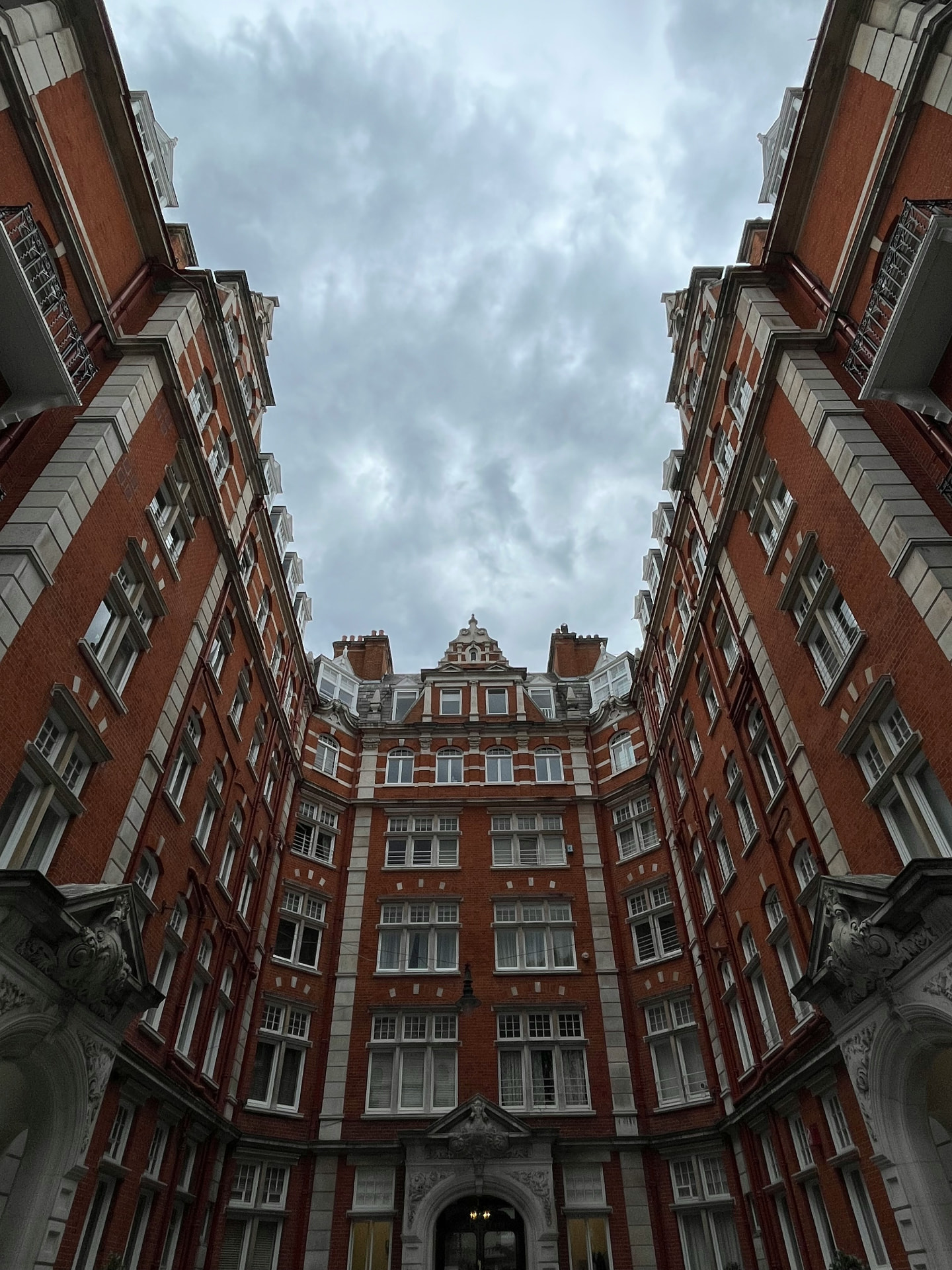
The Peckham property market has undergone a remarkable transformation over the past decade, evolving from overlooked enclave to one of South London's most dynamic investment destinations. Our team has analysed the latest HM Land Registry data alongside rental trends and neighbourhood developments to provide a comprehensive overview of what buyers, sellers and investors can expect in this culturally rich SE15 postcode. With 874 recorded sales and a median property price of £510,000, Peckham continues to offer a compelling proposition for those seeking authentic London living with genuine capital growth potential.
Current Price Trends and Property Types
According to HM Land Registry Price Paid Data, the Peckham housing market recorded 874 transactions with a median sale price of £510,000. This figure masks significant variation across property types, reflecting the area's diverse housing stock that ranges from Victorian conversions to contemporary developments.
Flats dominated the market with 540 sales and a median price of £415,000, making them the most accessible entry point for first-time buyers and buy-to-let investors. The range extended from £92,500 to £1,070,000, demonstrating the breadth of apartment stock from compact studios to expansive warehouse conversions near Peckham Rye. Terraced houses commanded a median of £835,000 across 263 transactions, with prices spanning £306,000 to £2,335,000, whilst the 38 semi-detached properties sold achieved a median of £1,078,838.
Detached homes remain exceptionally rare in Peckham, with just three sales recorded at a median of £765,000. This scarcity reflects the area's predominantly Victorian and Edwardian terraced streetscape, where detached properties represent a premium offering for families seeking space within Zone 2. Our analysis of these Peckham price trends reveals a market that rewards buyers willing to look beyond headline figures and understand the granular variations between street-by-street micro-markets.
The 'other' category, comprising commercial conversions and mixed-use properties, recorded 30 sales with a median of £424,000. This segment includes the live-work units and former industrial spaces that have become synonymous with Peckham's creative economy, offering unique opportunities for those seeking characterful properties outside the traditional residential mould.
Rental Market Performance and Yields
ONS rental data positions Peckham as a landlord-friendly market with strong tenant demand across all property sizes. Studio apartments command monthly rents between £800 and £1,250, whilst one-bedroom properties range from £1,050 to £1,650, reflecting the area's appeal to young professionals working in Canary Wharf, the City and the West End via the Overground network.
Two-bedroom flats and houses, the sweet spot for sharers and small families, achieve rents of £1,450 to £2,250 per month. Three-bedroom properties fetch £1,925 to £3,000, whilst four-bedroom homes command £2,575 to £4,000 monthly. At the upper end, five-bedroom properties achieve £3,375 to £5,250, though such configurations remain relatively scarce given the predominance of Victorian housing stock originally designed for smaller households.
When calculating gross yields, investors purchasing a median-priced flat at £415,000 and achieving £1,350 monthly rent (mid-range for a one-bedroom) would see an approximate 3.9% return before costs. Terraced houses present a different equation: a £835,000 property commanding £2,600 monthly (mid-range three-bedroom) yields roughly 3.7%. These figures align with Inner London averages but benefit from Peckham's ongoing regeneration trajectory and transport improvements.
Our team observes particularly strong demand from corporate tenants and young families drawn to the area's independent schools, green spaces and cultural amenities. The rental market here demonstrates resilience even during broader economic uncertainty, underpinned by Peckham's reputation as an authentic, well-connected neighbourhood that offers genuine value compared to neighbouring Dulwich or Camberwell.

Is Peckham a Good Investment? The Fundamentals
The question of whether Peckham represents sound investment hinges on understanding the structural drivers reshaping this corner of Southwark. The area benefits from exceptional connectivity—Peckham Rye and Queens Road Peckham stations provide Overground services to Canada Water (for Jubilee line connections), Shoreditch and the West End, with journey times to Oxford Circus under 25 minutes. This transport infrastructure underpins both capital appreciation and rental demand.
Regeneration initiatives continue to reshape the physical landscape. The Aylesham Centre redevelopment, improvements to Peckham town centre and ongoing investment in Peckham Rye Park and Common enhance the area's liveability. Meanwhile, the established creative scene—anchored by institutions like the Bussey Building, Peckham Levels and Bold Tendencies—ensures a steady influx of young professionals and families seeking cultural authenticity rarely found in sanitised riverside developments.
Demographic shifts tell an important story. Our observations align with census data showing an increasingly diverse, educated population with higher disposable incomes than historical norms. This supports the independent restaurant scene along Bellenden Road and Rye Lane, the weekend farmers' market and the artisan retail that makes Peckham London's answer to Brooklyn's gentrified neighbourhoods.
Risk factors warrant consideration. The market here moves faster than in more established prime locations, meaning timing becomes crucial. Investors should focus on [properties with strong transport links](/property-for-sale/peckham), period features or conversion potential. The gap between Peckham's current pricing and neighbouring areas like East Dulwich suggests room for convergence, though buying near the median rather than stretching for trophy assets typically offers better risk-adjusted returns in this dynamic but still-evolving market.
Talk to Seymont
What's your home worth?
A considered view on price, timing and how to bring your London home to market — a personal reply within 24 hours.
Your property
Step 1 of 2Neighbourhood Character and Buyer Profiles
Where is Peckham in the context of London's geography? This SE15 neighbourhood sits in Zone 2, roughly four miles southeast of Charing Cross, bordered by Camberwell to the west, Dulwich to the south, New Cross to the east and Bermondsey to the north. Its position makes it both a genuine South London neighbourhood and a surprisingly central base for commuters.
The area's character divides into distinct micro-markets. Bellenden Village, with its conservation area status and independent shops, attracts families seeking Victorian terraces with gardens. The streets around Peckham Rye Common appeal to similar demographics but often at marginally lower price points. Meanwhile, the Peckham Rye station catchment draws first-time buyers and investors focused on flats in purpose-built blocks and conversions, where the median £415,000 price point remains accessible with a decent deposit.
Our team regularly works with several buyer archetypes. Creative professionals—designers, architects, media workers—gravitate toward the area's authenticity and thriving independent culture. Young families, often priced out of Dulwich or Herne Hill, discover excellent primary schools, green space and genuine community spirit. International buyers, though less prevalent than in Zone 1, increasingly recognise Peckham's value equation, particularly those familiar with comparable urban regeneration stories in Brooklyn, Berlin or Melbourne.
The area retains an edge that won't suit everyone. Peckham wears its working-class history proudly, and the high street buzzes with an energy that feels worlds away from Mayfair or South Kensington. For buyers seeking that vitality rather than Georgian crescents and gentlemen's clubs, the trade-off delivers exceptional value. Those willing to embrace the neighbourhood's authentic character rather than wait for it to be polished into blandness typically find themselves rewarded both financially and culturally.
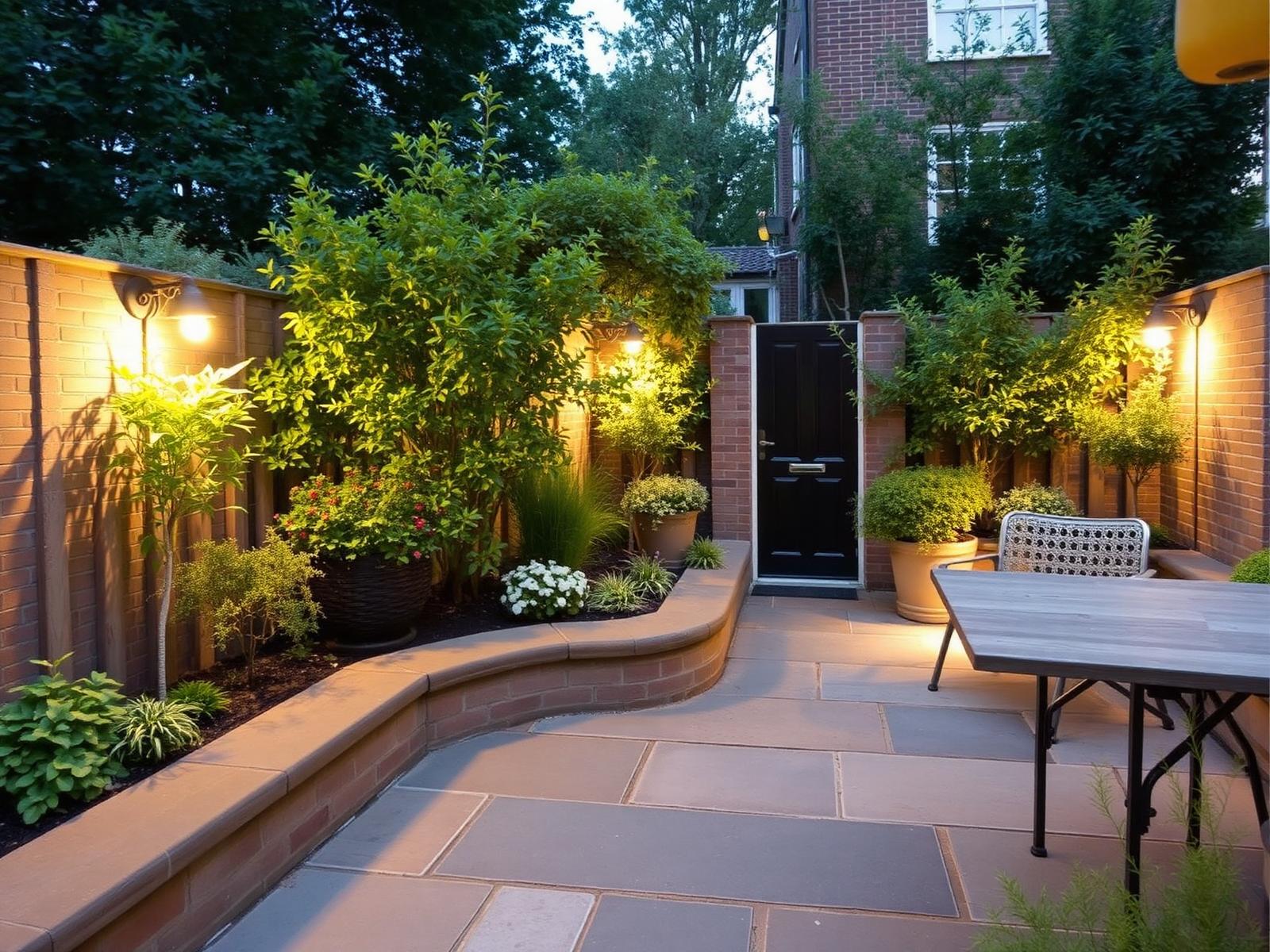
Market Outlook and Strategic Considerations
Looking ahead, several factors should inform purchasing decisions in the Peckham property market. The Bakerloo line extension, though subject to funding uncertainties, would transform connectivity if delivered, potentially adding significant value to properties within the station catchment. Even without this catalyst, the existing Overground network continues to improve, with recent service frequency increases benefiting commuters.
Supply dynamics favour sellers in the near term. New-build activity remains relatively modest compared to riverside boroughs, whilst demand from both owner-occupiers and investors shows little sign of abating. This imbalance supports price stability even when broader London markets soften. Streets between Peckham Rye and East Dulwich station particularly benefit from this squeeze, offering Peckham pricing with proximity to the latter's schools and amenities.
For those considering whether to buy, sell or invest, we recommend focusing on properties that align with evolving buyer preferences. Period features, outside space and proximity to the Overground network consistently outperform the market. Flats in well-managed blocks with secure entry and bike storage attract professional tenants willing to pay premium rents. Houses with potential to extend or convert loft space offer value-add opportunities for both owner-occupiers and developers.
Sellers should recognise that Peckham buyers typically conduct thorough due diligence, understanding micro-market variations and comparing value across neighbouring postcodes. Realistic pricing based on genuine comparables rather than aspirational benchmarks ensures properties don't linger. Our approach emphasises [accurate valuations](/house-prices/peckham) grounded in transaction data rather than optimistic projections, helping sellers achieve the best outcome within realistic timeframes.
Working With Seymont in Peckham
Our presence in South London means we understand what makes Peckham distinctive within the capital's diverse property landscape. We recognise that buyers here aren't simply purchasing square footage—they're investing in a neighbourhood with genuine cultural capital, community spirit and a trajectory that points toward sustained appreciation.
Whether you're a first-time buyer navigating the market with a £400,000 budget, a family seeking a three-bedroom terraced house, or an investor building a London portfolio, our team provides the local insight that generic portals and national chains cannot match. We know which streets command premiums and why, understand the nuances between different mansion blocks, and can guide you toward properties that align with your specific requirements.
For landlords considering Peckham, we offer [property management services](/let-your-property/peckham) that maximise returns whilst ensuring compliance with increasingly complex regulations. Our tenant vetting processes, maintenance networks and rent collection systems allow investors to benefit from Peckham's strong yields without the operational headaches that can erode returns.
Those exploring houses for sale in Peckham benefit from our comprehensive market coverage. We maintain relationships across the area, from the conservation streets of Bellenden Village to the warehouse conversions near Queens Road station. This network, combined with our analytical approach to pricing and negotiation, ensures our clients make informed decisions grounded in data rather than emotion. Visit our [Peckham estate agents](/estate-agents/peckham) page to begin your property journey in this dynamic SE15 neighbourhood.
Talk to Seymont
What's your home worth?
A considered view on price, timing and how to bring your London home to market — a personal reply within 24 hours.
Your property
Step 1 of 2About the author
Nina CastellanoInvestment Property Advisor
Nina advises landlords and investors on rental yields, tenant demand and portfolio structure across Greater London, after running lettings and management at Bellhouse Property Partners. She has overseen single units and multi-property portfolios, and works through compliance, void periods and running costs before a purchase is agreed. Her articles deal with the numbers behind a buy-to-let rather than the headline gross yield.
Lettings and portfolio management · 9 years in London rentals
- Buy-to-let
- Rental yields
- Portfolio strategy
- Landlord compliance
Frequently asked
- What is the average house price in Peckham?
- According to HM Land Registry data, the median property price in Peckham is £510,000 across all property types. However, this varies significantly by category: flats have a median of £415,000, terraced houses £835,000, and semi-detached properties £1,078,838. The market offers options from around £90,000 for compact flats to over £2 million for substantial family homes.
- Is Peckham a safe area to live in London?
- Like many inner London neighbourhoods, Peckham has diverse safety profiles across different streets and times of day. The area has seen significant improvements over the past decade, with regeneration and demographic shifts contributing to reduced crime rates. Residential streets around Peckham Rye Common and Bellenden Village are particularly popular with families. We recommend visiting at different times and speaking with current residents to gauge comfort levels for your specific circumstances.
- How long does it take to commute from Peckham to central London?
- Peckham offers excellent connectivity for a Zone 2 location. From Peckham Rye station, the London Overground reaches Canada Water in 6 minutes (connecting to the Jubilee line), Shoreditch High Street in 16 minutes, and Highbury & Islington in 22 minutes. Queens Road Peckham provides similar journey times. Combining Overground and Tube connections, you can reach Oxford Circus in under 25 minutes, making Peckham highly viable for City, Canary Wharf and West End commuters.
- What are rental yields like for buy-to-let investors in Peckham?
- Rental yields in Peckham typically range from 3.5% to 4.5% gross, depending on property type and location. A median-priced flat at £415,000 achieving £1,350 monthly rent yields approximately 3.9% before costs. These figures align with Inner London averages but benefit from strong tenant demand, relatively lower voids, and the area's ongoing appreciation trajectory. Investors should factor in management costs, maintenance and periodic void periods when calculating net yields.
- What makes Peckham attractive compared to neighbouring areas like Camberwell or Dulwich?
- Peckham offers a distinctive value proposition: better connectivity than Dulwich via the Overground network, more affordable pricing than East Dulwich for equivalent property types, and more cultural vitality than Camberwell. The area combines excellent transport links, independent restaurants and bars, green spaces including Peckham Rye Park, and a diverse community that appeals to buyers seeking authenticity. Properties here typically cost 15-25% less than equivalent homes in East Dulwich, whilst offering similar commute times and improving amenities.