Journal
The Best Areas to Live in Peckham
Written by Thomas Lindqvist · Mortgage & Financing Specialist
Published 29 November 2025 · Updated 14 March 2026 · 6 min read
The short answer
Peckham has undergone one of the most remarkable transformations in London over the past two decades, evolving from overlooked postcode to one of the capital's most culturally vibrant and sought-after destinations. When considering the best areas to live in Peckham, it's essential to understand that this SE15 neighbourhood offers extraordinary diversity—from leafy residential enclaves to buzzing creative quarters.
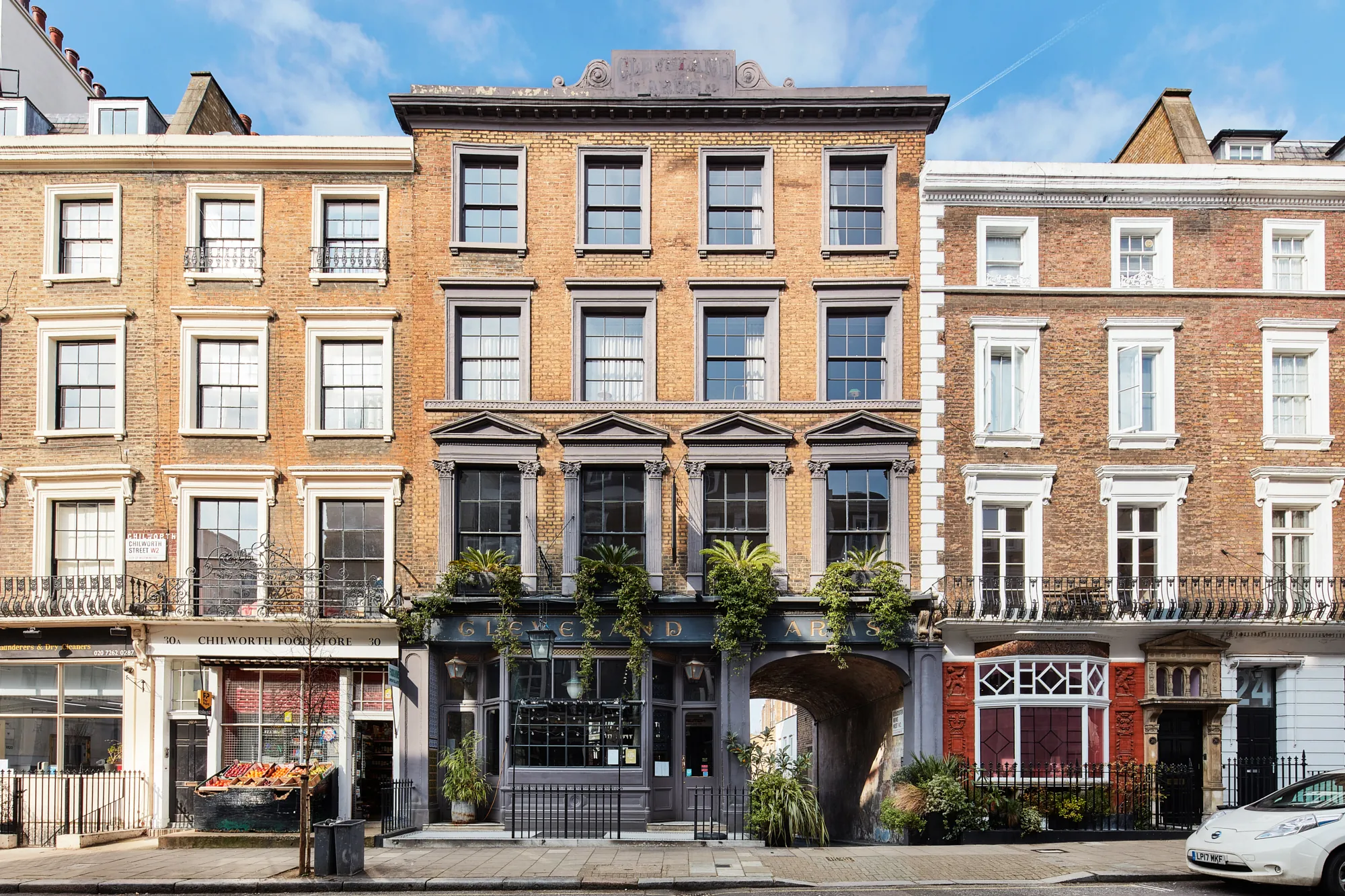
Peckham has undergone one of the most remarkable transformations in London over the past two decades, evolving from overlooked postcode to one of the capital's most culturally vibrant and sought-after destinations. When considering the best areas to live in Peckham, it's essential to understand that this SE15 neighbourhood offers extraordinary diversity—from leafy residential enclaves to buzzing creative quarters. Our team at Seymont London has witnessed Peckham's evolution first-hand, and we've seen how different pockets of this dynamic area appeal to distinct lifestyles. Whether you're drawn to Victorian terraces, converted warehouse apartments, or modern developments, knowing where to live in Peckham can make all the difference to your London experience.
Bellenden Village: Peckham's Village-Style Heart
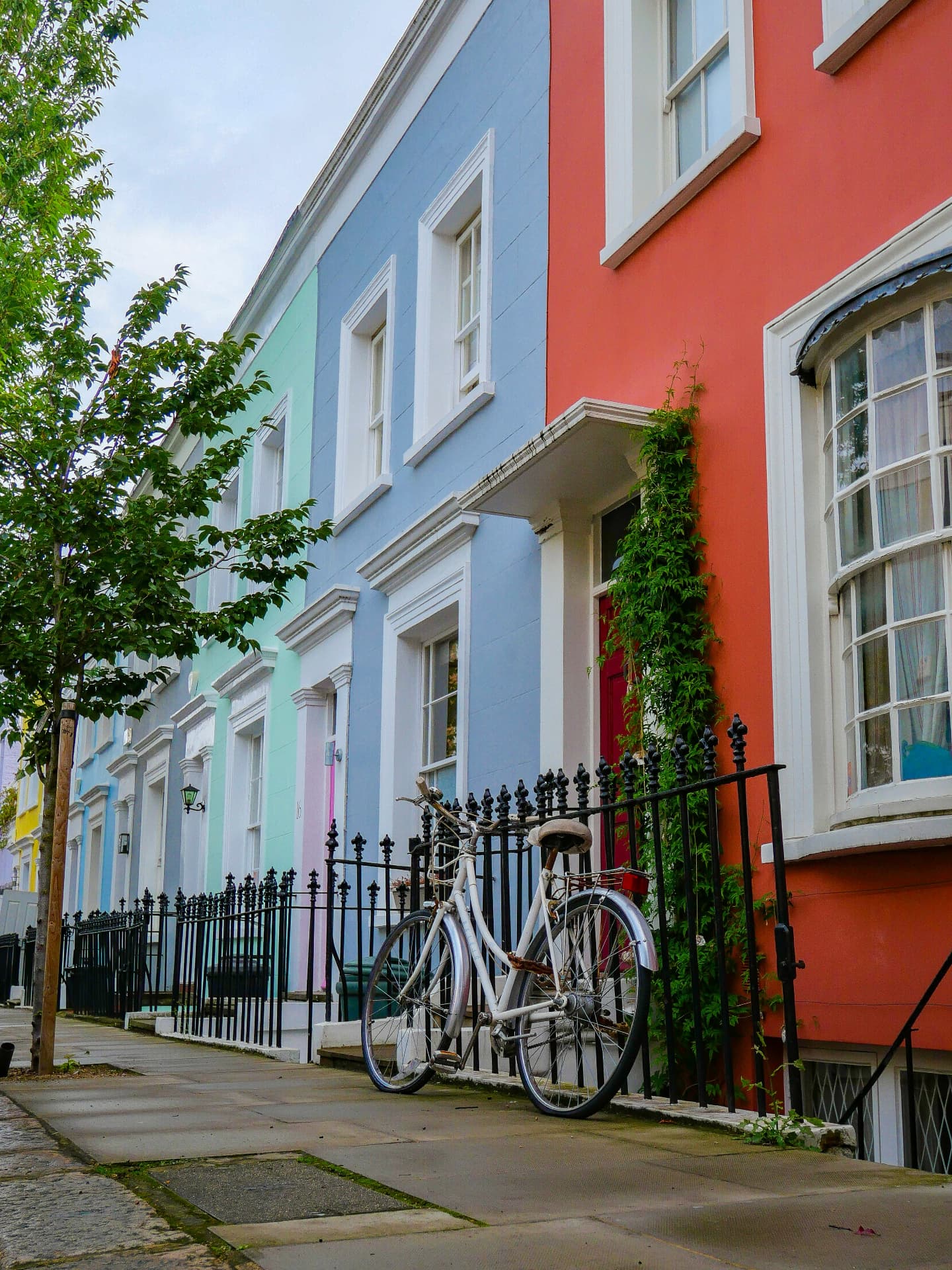
Bellenden Village consistently ranks among Peckham's best streets and most desirable micro-neighbourhoods. Centred around Bellenden Road, this conservation area feels delightfully removed from the urban intensity elsewhere in SE15, with its independent cafés, delis, and boutiques creating a genuine village atmosphere within Zone 2.
The Victorian terraced houses here command premium prices, with HM Land Registry data showing terraced properties across Peckham achieving a median of £835,000. The architectural consistency—characterised by bay-fronted homes with original features—combined with tree-lined streets makes this one of the most photogenic corners of south London.
Families particularly gravitate towards this area, drawn by the community feel, Bellenden Primary School's strong reputation, and the excellent Bellenden Green space. The weekly farmers' market reinforces the neighbourhood's village credentials, while still being a fifteen-minute walk from Peckham Rye station.
Rental demand here remains exceptionally strong, with three-bedroom properties typically commanding between £1,925 and £3,000 per month according to ONS data. For those seeking period charm combined with contemporary amenities, Bellenden Village represents Peckham at its most refined.
Peckham Rye: Green Space and Georgian Grandeur
The streets surrounding Peckham Rye Park and Common form another of Peckham's prime residential zones. Roads like Lausanne Road, Chadwick Road, and the streets branching off East Dulwich Road offer some of the area's most substantial Victorian and Edwardian homes, many retaining stunning original features.
Proximity to the 113-acre Peckham Rye Park—one of south London's finest green spaces—adds considerable appeal. The park's ornamental garden, Japanese garden, and ancient woodland create an almost rural atmosphere, making these Peckham neighbourhoods particularly attractive to families and those seeking outdoor amenities within an urban setting.
The station connectivity here is exceptional, with Peckham Rye offering direct services to London Bridge (12 minutes), Victoria (15 minutes), and even Gatwick Airport. This accessibility has driven consistent price growth, with semi-detached properties in Peckham now achieving a median of £1,078,838 according to HM Land Registry data.
Beyond the grand houses, the area around Holly Grove and Asylum Road offers excellent flat conversions and purpose-built apartments. These typically achieve median prices around £415,000 for flats across Peckham, making this zone more accessible for first-time buyers while still delivering on location and lifestyle.
Peckham Town Centre and Rye Lane: Urban Energy
For those drawn to urban vitality rather than residential tranquillity, the area around Rye Lane and central Peckham offers unparalleled cultural energy. This isn't traditionally where families seeking quiet streets look, but for young professionals, creatives, and those wanting to be at the heart of Peckham's legendary arts scene, this zone is incomparable.
The transformation of Peckham's town centre has been driven by destinations like the Bussey Building, Peckham Levels, and the iconic Frank's Café rooftop bar. Meanwhile, Rye Lane itself—one of London's most diverse high streets—offers everything from African grocers to Vietnamese restaurants, vintage boutiques to traditional pie and mash shops.
Property options here span converted warehouses, ex-local authority flats, and new-build developments. Studios and one-bedroom apartments dominate, with rental ranges of £800-£1,250 for studios and £1,050-£1,650 for one-bedroom properties according to ONS data. This makes central Peckham more accessible than many London neighbourhoods, particularly for those prioritising location over space.
Transport links are excellent, with Peckham Rye and Queens Road Peckham stations both within walking distance, plus extensive bus connectivity along the Old Kent Road corridor. For those seeking authenticity and accessibility in equal measure, this area captures Peckham's essence.
Talk to Seymont
What's your home worth?
A considered view on price, timing and how to bring your London home to market — a personal reply within 24 hours.
Your property
Step 1 of 2Nunhead and Peckham's Southern Reaches
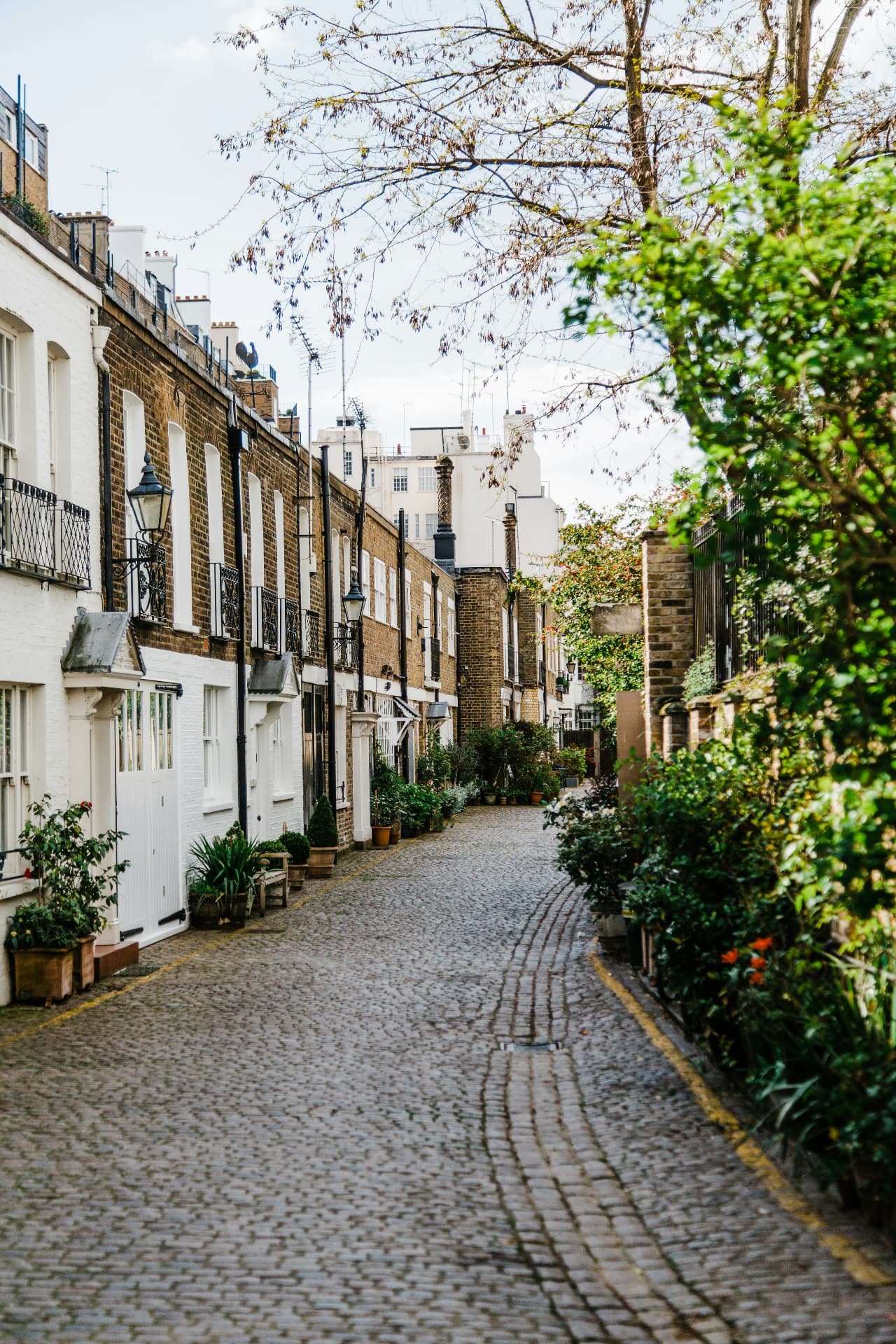
The southern streets of Peckham, transitioning towards Nunhead, represent some of the area's best value whilst maintaining excellent connectivity and residential appeal. Roads like Maxted Road, Ivydale Road, and the streets around Nunhead Cemetery offer more space and greenery, often at more accessible price points.
This zone appeals particularly to growing families seeking period properties with gardens—something increasingly rare in much of inner London. The Victorian terraces here typically offer more square footage than equivalents closer to Peckham Rye, while Nunhead station provides direct services to London Bridge in under fifteen minutes.
Nunhead Cemetery itself, one of London's 'Magnificent Seven' Victorian cemeteries, adds unexpected character. Its 52 acres of semi-wild woodland create a unique green corridor, whilst the improving retail and hospitality scene along Evelina Road suggests this pocket will only become more desirable.
For buyers exploring [property for sale in Peckham](/property-for-sale/peckham), this southern zone often delivers better value, with terraced homes occasionally achieving prices below the £835,000 Peckham median. As nearby areas like Honor Oak and Forest Hill command premiums, we expect continued interest in these more accessible Peckham streets.
Understanding Peckham's Property Market
When evaluating where to live in Peckham, understanding the broader market context helps buyers and renters make informed decisions. HM Land Registry data shows 874 property transactions with a median price of £510,000, positioning Peckham below Prime Central London yet above many outer London boroughs—reflecting its Zone 2 location and ongoing regeneration.
The property type breakdown reveals Peckham's character: flats dominate with 540 transactions at a £415,000 median, making apartment living the most common ownership model. Terraced houses (263 transactions, £835,000 median) represent the aspirational family option, whilst semi-detached properties (38 transactions, £1,078,838 median) remain relatively scarce, commanding significant premiums.
For investors and landlords, rental yields remain attractive across property types. Two-bedroom apartments—the most liquid rental category—command £1,450-£2,250 monthly according to ONS data, whilst larger family homes can achieve £2,575-£4,000 for four bedrooms. Those considering [letting your property in Peckham](/let-your-property/peckham) benefit from strong tenant demand driven by the area's improving reputation and excellent transport links.
Our team observes that Peckham's property market increasingly mirrors patterns seen in neighbouring Dulwich and Camberwell, with buyers prioritising specific micro-locations. Understanding these Peckham best streets and their distinct characters has never been more crucial. For detailed price analysis, our [Peckham house prices](/house-prices/peckham) guide offers comprehensive data and trends.
What Makes Peckham's Best Areas Stand Out
Beyond property prices and types, the best areas to live in Peckham share certain qualities that distinguish them from comparable London neighbourhoods. Authenticity ranks highly—unlike some regenerated areas that feel manufactured, Peckham retains genuine community character alongside its contemporary creative scene.
Transport connectivity proves consistently crucial. Whether via Peckham Rye's frequent rail services, Queens Road Peckham's London Overground connections, or the extensive bus network threading through the area, proximity to transport infrastructure directly correlates with property desirability and values. The forthcoming Bakerloo line extension proposals, should they progress, would further transform Peckham's connectivity profile.
Green space access differentiates Peckham's premium streets from its more urban pockets. Properties near Peckham Rye Park, Nunhead Cemetery, or even the smaller neighbourhood squares command premiums reflecting Londoners' post-pandemic prioritisation of outdoor amenity.
Peckham London continues evolving, with ongoing developments along the Old Kent Road corridor and continued cultural investment ensuring the area's trajectory remains upward. For buyers and renters timing their move carefully, understanding which Peckham neighbourhoods align with personal priorities—whether village tranquillity, urban energy, or family-focused community—determines long-term satisfaction.
Our [estate agents in Peckham](/estate-agents/peckham) team possesses intimate knowledge of these micro-markets, helping clients navigate the area's complexity. Whether you're a first-time buyer drawn to a modern flat, a family seeking a period terrace, or an investor evaluating rental potential, Peckham's diversity means the right property exists—knowing exactly where to look makes all the difference.
Talk to Seymont
What's your home worth?
A considered view on price, timing and how to bring your London home to market — a personal reply within 24 hours.
Your property
Step 1 of 2About the author
Thomas LindqvistMortgage & Financing Specialist
Thomas advised buyers for a decade at Ashgrove Financial, an independent brokerage, on borrowing capacity, product selection and the full cost of a purchase, including stamp duty, legal fees and lender charges. He follows rate decisions and lender criteria changes and translates them into what a household can realistically afford. His guides cover affordability, remortgaging and the closing costs that buyers routinely underestimate.
CeMAP qualified · Whole-of-market mortgage advice background
- Mortgages
- Affordability
- Closing costs
- Remortgaging
Frequently asked
- What is the average house price in Peckham?
- According to HM Land Registry data, the median property price in Peckham is £510,000. However, this varies significantly by property type: flats achieve a median of £415,000, terraced houses £835,000, and semi-detached properties £1,078,838. Location within Peckham also impacts pricing, with streets near Bellenden Village and Peckham Rye Park typically commanding premiums above these medians.
- Is Peckham a good area to live in London?
- Peckham has transformed into one of south London's most desirable and culturally vibrant neighbourhoods. It offers excellent transport links (15 minutes to London Bridge), diverse dining and arts scenes, substantial green spaces including Peckham Rye Park, and relatively accessible property prices compared to neighbouring areas like Dulwich. The area particularly appeals to young professionals, creatives, and families seeking community atmosphere with urban connectivity.
- Where is Peckham located in London?
- Peckham is located in southeast London within the borough of Southwark, postcode SE15. It sits in Zone 2, bordered by Camberwell to the west, Dulwich to the south, New Cross to the east, and Bermondsey to the north. Peckham benefits from two railway stations—Peckham Rye and Queens Road Peckham—providing direct services to London Bridge, Victoria, and connections across the London Overground network.
- What are typical rental prices in Peckham?
- ONS data shows Peckham rental prices ranging from £800-£1,250 monthly for studios, £1,050-£1,650 for one-bedroom properties, £1,450-£2,250 for two bedrooms, and £1,925-£3,000 for three-bedroom homes. Four-bedroom properties command £2,575-£4,000, whilst five-plus bedroom homes range from £3,375-£5,250. These figures reflect Peckham's position as more accessible than Prime Central London whilst offering excellent connectivity and amenities.
- Which streets are best for families in Peckham?
- Bellenden Village, particularly streets around Bellenden Road, consistently ranks as Peckham's most family-friendly area, offering a village atmosphere, excellent schools, and community amenities. The streets surrounding Peckham Rye Park—including Lausanne Road and Chadwick Road—also appeal to families seeking period homes with garden space near substantial green areas. The southern reaches towards Nunhead offer larger properties often with outdoor space, making them increasingly popular with growing families.