Journal
Moving to South Kensington: A Founder’s Guide to the SW7 Market
Written by Thomas Lindqvist · Mortgage & Financing Specialist
Published 18 June 2026 · Updated 8 July 2026 · 4 min read
The short answer
When you look at South Kensington, you are looking at one of the most culturally dense and aesthetically consistent corners of the Royal Borough of Kensington & Chelsea. As the founder of Seymont London, we deal directly with every seller and buyer in this patch, and we have observed that moving to South Kensington is rarely a whim—it is a calculated lifestyle choice driven by architecture, education, and accessibility.
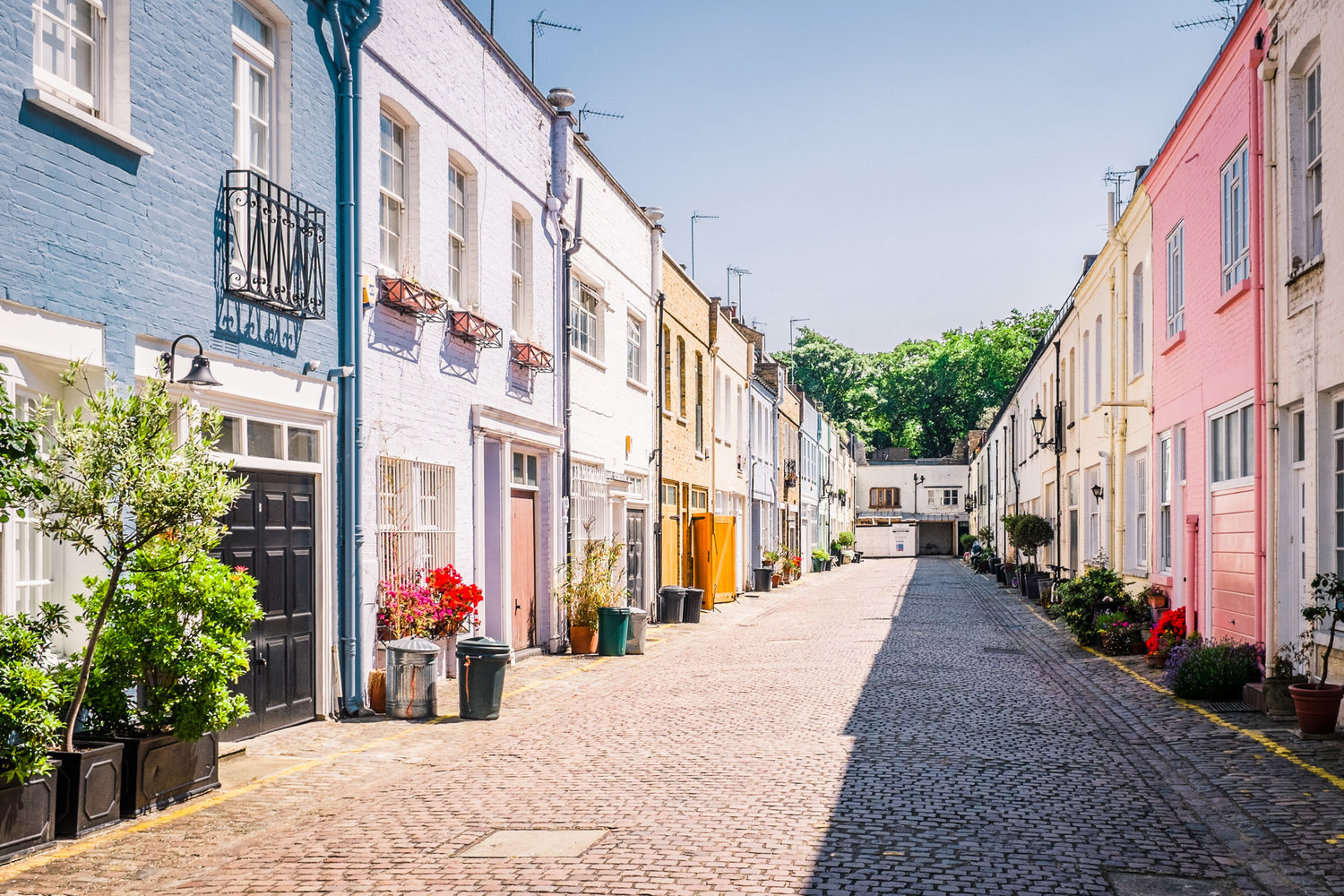
When you look at South Kensington, you are looking at one of the most culturally dense and aesthetically consistent corners of the Royal Borough of Kensington & Chelsea. As the founder of Seymont London, we deal directly with every seller and buyer in this patch, and we have observed that moving to South Kensington is rarely a whim—it is a calculated lifestyle choice driven by architecture, education, and accessibility. Unlike the broader London market, which often waits on the Bank of England’s every word, the rhythm of SW7 is dictated by the academic calendar and the international prestige of the Museum Quarter. This guide provides a practical, clear-eyed view of what to expect when navigating this unique real estate landscape.
Understanding the Property Landscape and Costs
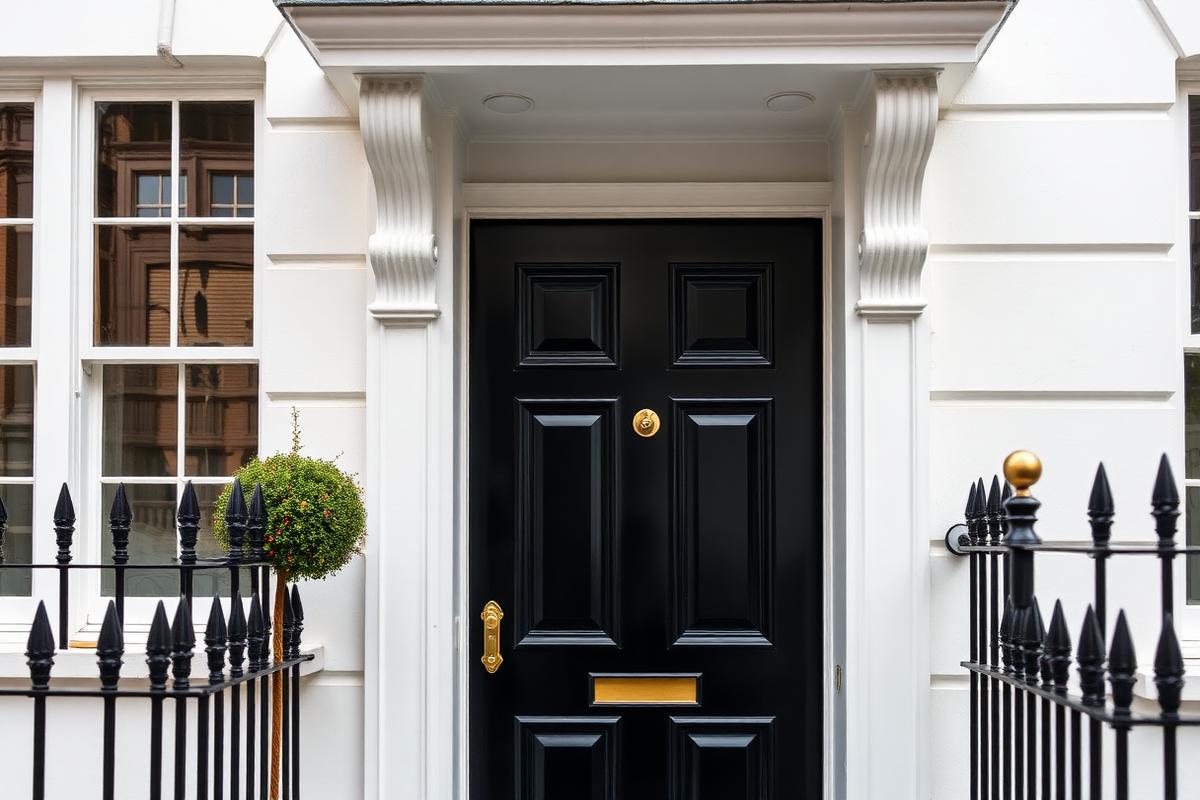
The architectural identity of South Kensington is defined by its white stucco-fronted terraces and grand Victorian garden squares. According to data derived from HM Land Registry, the average property price in the area currently sits at approximately £2,350,000, with a price per square foot averaging £1,580. However, these figures only tell half the story. The value of a property here is heavily contingent on its position within a building; a first-floor flat with a balcony overlooking Onslow Gardens or Egerton Gardens commands a significant premium over a lower-ground unit in the same terrace.
Most buyers moving to South Kensington will find themselves choosing between three primary property types. Garden-square conversion flats are the most common, particularly those on the raised-ground and first floors which often retain grand ceiling heights and communal garden access. Mansion-block apartments, particularly those with porterage and lifts along Old Brompton Road and Cromwell Road, offer a different kind of security and convenience. Finally, there are the rare and highly coveted whole townhouses found on streets like Thurloe Square or Sumner Place, which appear on the market infrequently and typically sell with significant competition.
The Academic Cycle and Market Timing
One of the most critical factors to understand when moving to South Kensington is that the market tracks the academic calendar more closely than the interest rate cycle. The presence of the Lycée Français Charles de Gaulle is the single biggest driver of family demand in SW7. This creates a distinct seasonality: we see a sharp increase in activity during the spring as families secure homes for the September intake, followed by another rush in late summer. If you are a buyer, looking during the 'off-peak' winter months can sometimes yield more room for negotiation.
For sellers, our advice is always to time your launch to coincide with this school-related surge. Because the area also hosts Imperial College London, there is a consistent undercurrent of professional rental demand and pied-à-terre buyers. This academic gravity ensures that while other parts of London might see volatility, the price trend in South Kensington remains remarkably steady. In our experience at Seymont London, preparing your paperwork early—particularly freeholder consents and service charge accounts—is vital because the buyers here are often sophisticated and move quickly once they find the right address.
Transport and Connectivity in SW7
Logistically, South Kensington is one of the best-connected hubs in London. The South Kensington Underground station serves the Circle, District, and Piccadilly lines, providing a direct link to the City, Westminster, and the West End. For those with international lifestyles, the proximity to Gloucester Road is invaluable; the Piccadilly line offers a direct route to Heathrow Airport, while also providing westbound access for those heading towards the M4 corridor.
Beyond the Tube, the area is surprisingly walkable. You can stroll from the quiet residential enclaves of Cranley Gardens across the museum quarter to the boutiques of Knightsbridge in less than fifteen minutes. The layout of the streets, from the bustling cafe culture of Bute Street to the majestic breadth of Queen's Gate, makes South Kensington a neighbourhood designed for pedestrians. This connectivity is a primary reason why the area remains a perennial favourite for both local families and international professionals.
Talk to Seymont
What's your home worth?
A considered view on price, timing and how to bring your London home to market — a personal reply within 24 hours.
Your property
Step 1 of 2The Practicalities: Paperwork and Preparation
When you are moving to South Kensington, the administrative side of the transaction requires precision. If you are purchasing a flat in a converted terrace, you must scrutinise the lease terms and communal garden rights. Not every flat in a square automatically has access to the central gardens; this is a specific legal right that must be verified. Additionally, because much of the area falls within the Royal Borough of Kensington & Chelsea’s conservation areas, any plans for renovation or internal alterations will face strict scrutiny.
I always tell our clients that in SW7, 'the building sells the flat.' This means the condition of the communal hallway and the external masonry is almost as important as the interior of the apartment itself. Before listing or buying, ensure that the sinking fund for the building is well-capitalised. At Seymont London, we personally handle the liaison between solicitors to ensure that the freeholder's management pack is obtained early in the process, preventing the delays that often plague London's high-end property transactions.
Talk to Seymont
What's your home worth?
A considered view on price, timing and how to bring your London home to market — a personal reply within 24 hours.
Your property
Step 1 of 2About the author
Thomas LindqvistMortgage & Financing Specialist
Thomas advised buyers for a decade at Ashgrove Financial, an independent brokerage, on borrowing capacity, product selection and the full cost of a purchase, including stamp duty, legal fees and lender charges. He follows rate decisions and lender criteria changes and translates them into what a household can realistically afford. His guides cover affordability, remortgaging and the closing costs that buyers routinely underestimate.
CeMAP qualified · Whole-of-market mortgage advice background
- Mortgages
- Affordability
- Closing costs
- Remortgaging
Frequently asked
- What are the most sought-after streets for those moving to South Kensington?
- Onslow Gardens, Egerton Gardens, and Thurloe Square are perennially at the top of the list due to their grand architecture and garden access. For those seeking a quieter residential feel, Sumner Place and Cranley Gardens offer exceptional period charm.
- How does the French Lycée affect the local property market?
- The Lycée Français Charles de Gaulle creates a concentrated 'micro-market' around SW7. It drives high demand for 3-4 bedroom lateral flats and houses, ensuring that property values within walking distance of the school remain some of the most resilient in London.
- Is South Kensington a good area for investment?
- Yes. Due to the presence of Imperial College London and the major museums (V&A, Natural History Museum), there is a permanent demand for both long-term and short-term rentals, keeping yields stable and capital appreciation steady compared to more speculative areas.