Journal
Moving to Richmond: The Complete Guide
Written by Thomas Lindqvist · Mortgage & Financing Specialist
Published 21 February 2026 · Updated 29 June 2026 · 6 min read
The short answer
Few London neighbourhoods can match Richmond's unique blend of riverside elegance, royal parkland and village charm. For those considering moving to Richmond, this Thames-side enclave offers a rare combination: outstanding schools, exceptional green spaces and swift connections to central London, all wrapped in a community that feels distinctly separate from the capital's relentless pace.
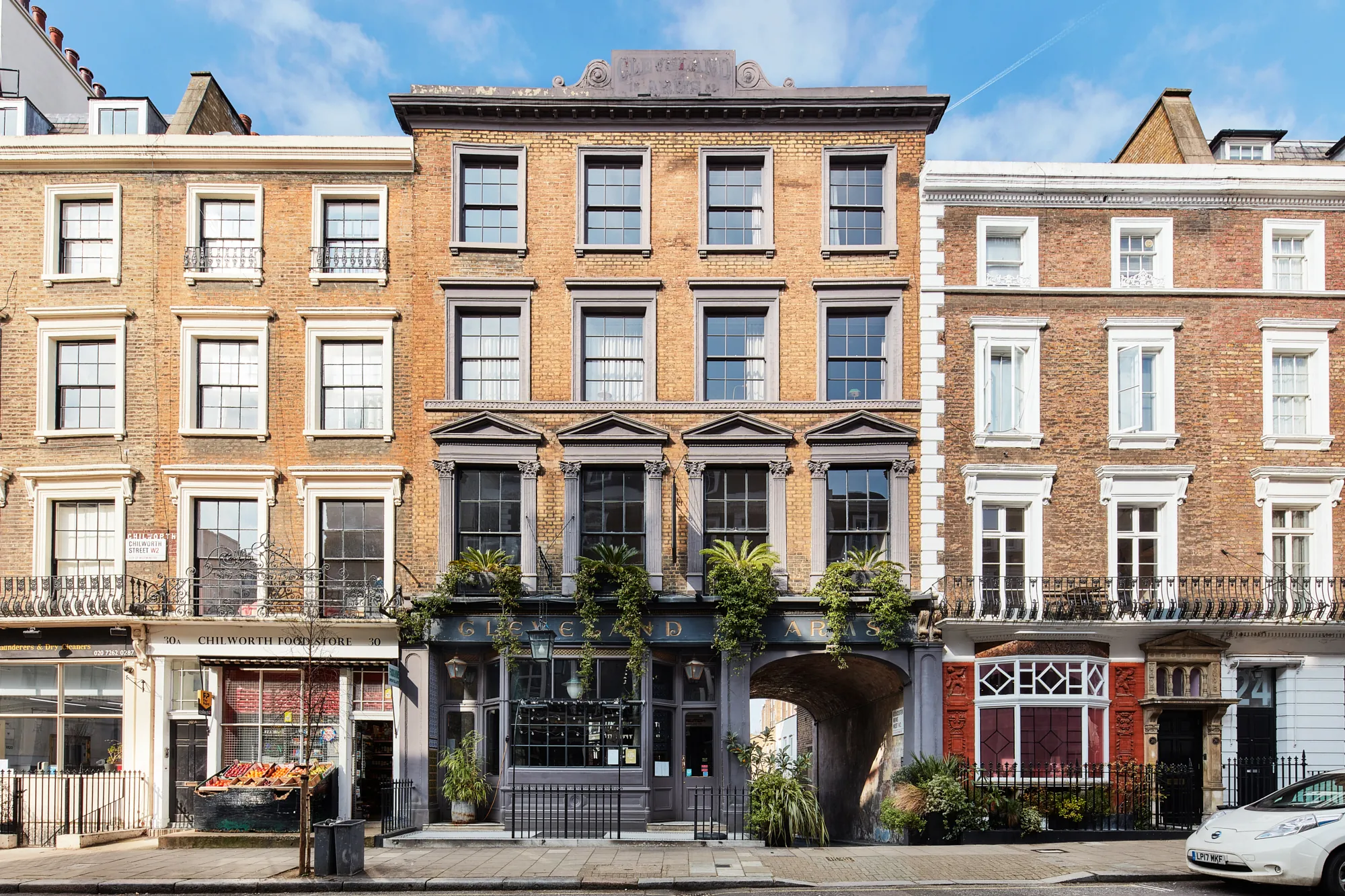
Few London neighbourhoods can match Richmond's unique blend of riverside elegance, royal parkland and village charm. For those considering moving to Richmond, this Thames-side enclave offers a rare combination: outstanding schools, exceptional green spaces and swift connections to central London, all wrapped in a community that feels distinctly separate from the capital's relentless pace. Our team has watched Richmond evolve over the years, and we've seen firsthand why families, professionals and retirees alike are drawn to this corner of southwest London. Whether you're relocating to Richmond from elsewhere in the UK or simply seeking a better quality of life within London's boundaries, understanding what makes this area special is essential to making an informed decision.
Why Richmond Stands Apart
Richmond's defining feature is undoubtedly Richmond Park, at 2,500 acres the largest of London's Royal Parks and a genuine wilderness on the capital's doorstep. Red and fallow deer roam freely across ancient woodland and open grassland, whilst cyclists, runners and walkers traverse paths that have remained largely unchanged for centuries. The park isn't merely a recreational asset; it fundamentally shapes the area's character, providing residents with breathing space that would be unthinkable in most London postcodes.
Beyond the park, Richmond's appeal extends along the Thames itself. The riverside walk stretches from Richmond Bridge—the oldest surviving Thames bridge in Greater London—past elegant Georgian townhouses and Victorian villas towards Twickenham and beyond. Richmond Green, a vast expanse of common land framed by period properties, hosts cricket matches in summer and serves as the social heart of the community throughout the year.
The town centre strikes a careful balance between independent retailers and recognisable high street names. George Street and Hill Street feature boutique shops, delicatessens and antique dealers alongside established chains, whilst the restaurant scene ranges from riverside gastropubs to Michelin-recommended dining. Richmond Theatre, a beautifully preserved Victorian playhouse, brings West End-quality productions to local audiences, reinforcing the area's cultural credentials.
Understanding the Richmond Commute
Transport connectivity represents one of Richmond's strongest practical advantages. The Richmond commute offers multiple options depending on your destination: the District line provides direct Underground services to Victoria, Westminster and the City, whilst South Western Railway mainline services reach Waterloo in approximately twenty minutes during off-peak hours. For those working in west London, the Overground connection to Stratford via Clapham Junction and Shepherd's Bush opens up vast swathes of the capital.
Road links prove equally robust. The A316 and A205 South Circular provide swift access to the M3 and M25, making Richmond an attractive base for those whose work requires regular travel beyond London. Heathrow Airport sits just eight miles west, a particular consideration for frequent flyers or those in internationally-focused roles.
Cycling infrastructure has improved considerably in recent years, with dedicated routes following the Thames Path and quieter residential streets offering safe passage towards Hammersmith, Kew and Kingston. We've noticed growing numbers of professionals choosing pedal power for their daily commute, taking advantage of Richmond's relatively flat terrain and the riverside route's undeniable aesthetic appeal.
Neighbourhoods Within Richmond
Richmond encompasses several distinct neighbourhoods, each with its own character. Richmond Hill, crowned by the famous viewpoint immortalised by Turner and Reynolds, features some of the area's grandest properties, many with spectacular Thames panoramas. The Terrace and surrounding streets command premium prices, reflecting both their architectural significance and those protected vistas.
St Margarets, tucked between Richmond and Twickenham, offers a more village-like atmosphere with excellent independent shops along Crown Road and St Margarets Road. Properties here typically represent slightly better value than Richmond proper, whilst maintaining easy access to the same transport links and amenities. The area has developed a loyal following amongst young families seeking community spirit and good primary schools.
East Sheen and Mortlake, whilst administratively separate, often feature in Richmond property searches given their proximity and similar demographic appeal. Both offer substantial family homes, good schools and convenient access to Richmond Park, typically at more accessible price points than Richmond's central areas. For those viewing [property for sale in Richmond](/property-for-sale/richmond), exploring these neighbouring pockets can reveal excellent alternatives.
Talk to Seymont
What's your home worth?
A considered view on price, timing and how to bring your London home to market — a personal reply within 24 hours.
Your property
Step 1 of 2Richmond Council Tax and Practical Considerations
Richmond falls within the London Borough of Richmond upon Thames, which consistently ranks among London's most efficiently run local authorities. Richmond council tax rates for 2024/25 range from £1,093.82 for Band A properties to £3,281.46 for Band H, positioning the borough in the mid-range compared to other London councils. The majority of properties in Richmond fall into Bands D through G, reflecting the area's predominantly family-sized housing stock.
Council services generally receive positive feedback from residents. Waste collection operates reliably, street cleaning standards remain high, and the borough has invested considerably in cycling infrastructure and park maintenance. The council's planning department takes heritage conservation seriously—Richmond's numerous conservation areas mean significant external alterations require careful consideration and often formal consent.
For families, Richmond's state education provision ranks among London's finest. Multiple primary and secondary schools achieve 'Outstanding' Ofsted ratings, whilst selective schools including The Tiffin Schools in nearby Kingston and Hampton School draw academically ambitious families to the area. Private education options abound, with both day and boarding schools within easy reach. Those [exploring estate agents in Richmond](/estate-agents/richmond) will find education frequently tops the list of relocation priorities.

Property Market Dynamics
Richmond's property landscape reflects the area's premium positioning. Period properties dominate: Georgian and Victorian terraces near the town centre and riverside, substantial Edwardian and inter-war family homes in the residential streets radiating from Richmond Park, and handsome Victorian conversions offering more accessible entry points. Purpose-built modern developments remain relatively scarce, with most new-build activity concentrated in carefully considered infill sites or riverside regeneration schemes.
Whilst we cannot provide current sales data for the most recent period, our experience suggests Richmond's market moves in step with broader prime outer London trends, though often with reduced volatility. The area's fundamentals—outstanding schools, green space, transport links—provide resilience during market corrections whilst supporting steady long-term value appreciation. For detailed local market analysis, our [house prices in Richmond](/house-prices/richmond) resource offers comprehensive insights.
The rental market proves equally robust. Professional couples, relocated executives and families awaiting their ideal purchase sustain consistent demand across all property sizes. Investment buyers should note that Richmond's premium pricing requires careful yield calculations, though capital preservation and long-term appreciation have historically compensated for relatively modest rental returns. Our [letting services](/let-your-property/richmond) support landlords seeking reliable tenancies in this established market.
Living in Richmond: The Reality
Daily life in Richmond revolves around outdoor activity to an extent unusual for London. Weekend mornings see Richmond Park filled with cyclists completing laps of the perimeter road, families picnicking near Pen Ponds, and photographers pursuing the perfect deer shot. The riverside path attracts runners year-round, whilst the pubs lining Richmond's waterfront—including the renowned White Cross and White Swan—draw crowds whenever weather permits.
The social scene skews towards prosperous families and established professionals. Independent coffee shops do brisk trade with the school-run crowd, whilst evening restaurant bookings often require advance planning. Richmond's farmers' market, held on Richmond Green, exemplifies the area's demographic: organic produce, artisan breads and premium meats sold to discerning locals happy to pay for quality.
Community spirit flourishes through numerous residents' associations, particularly around Richmond Green and in the conservation areas surrounding the town centre. Local concerns—planning applications, traffic management, park maintenance—generate engaged participation, reflecting residents' investment in preserving Richmond's distinctive character. For those relocating to Richmond from more transient London postcodes, this stability and community engagement often proves refreshingly different.
The area isn't without compromises. Property prices and rental costs rank among London's highest. Popular restaurants and riverside pubs can feel uncomfortably crowded on sunny weekends. Traffic congestion affects key routes during peak hours, and train services to Waterloo suffer occasional disruption. Yet for most Richmond residents, these inconveniences pale against the lifestyle benefits this remarkable corner of London delivers.
Talk to Seymont
What's your home worth?
A considered view on price, timing and how to bring your London home to market — a personal reply within 24 hours.
Your property
Step 1 of 2About the author
Thomas LindqvistMortgage & Financing Specialist
Thomas advised buyers for a decade at Ashgrove Financial, an independent brokerage, on borrowing capacity, product selection and the full cost of a purchase, including stamp duty, legal fees and lender charges. He follows rate decisions and lender criteria changes and translates them into what a household can realistically afford. His guides cover affordability, remortgaging and the closing costs that buyers routinely underestimate.
CeMAP qualified · Whole-of-market mortgage advice background
- Mortgages
- Affordability
- Closing costs
- Remortgaging
Frequently asked
- Is Richmond considered part of London or Surrey?
- Richmond sits within the London Borough of Richmond upon Thames and is definitively part of Greater London, despite historical associations with Surrey. The area transferred to Greater London when the modern borough structure was created in 1965. Postcode confusion arises because Richmond uses TW postcodes (Twickenham), but it remains fully within London for administrative, political and transport purposes.
- How long does the commute from Richmond to central London take?
- Richmond to London Waterloo takes approximately 20 minutes by South Western Railway mainline services during off-peak periods, though this extends to 25-30 minutes during rush hour. The District line Underground service reaches Victoria in around 30 minutes and continues to Westminster, Embankment and City stations. Overall journey times to central London typically range from 20-40 minutes depending on your specific destination and time of travel.
- What are council tax rates like in Richmond?
- The London Borough of Richmond upon Thames sets council tax annually, with 2024/25 rates ranging from £1,093.82 for Band A properties to £3,281.46 for Band H. Most Richmond properties fall into Bands D-G given the predominance of family-sized homes. These rates position Richmond in the middle range compared to other London boroughs, with the council generally receiving positive feedback for service standards and value.
- Are there good schools in Richmond?
- Richmond offers exceptional state and private education. Multiple primary schools achieve 'Outstanding' Ofsted ratings, whilst secondary options include well-regarded comprehensives and nearby selective grammar schools like The Tiffin Schools in Kingston. Private schools including Hampton School, Lady Eleanor Holles and St Paul's School (in Barnes) attract families from across southwest London. Education quality consistently ranks as a primary factor driving families to relocate to Richmond.
- Can you access Richmond Park easily from all parts of Richmond?
- Most residential areas of Richmond sit within comfortable walking or cycling distance of Richmond Park gates. Richmond Hill, East Sheen and Mortlake properties offer particularly quick access, whilst even the town centre sits less than fifteen minutes' walk from Richmond Gate. The park's sheer size—2,500 acres—means multiple entrance points serve different neighbourhoods, making this extraordinary green space genuinely accessible to Richmond residents rather than merely a theoretical amenity.