Journal
Moving to Mayfair: The Complete Guide
Written by Amara Bennett · Property Market Analyst
Published 4 March 2026 · Updated 14 April 2026 · 7 min read
The short answer
Moving to Mayfair represents one of the most prestigious relocations you can make in London. This historic enclave in the heart of the West End has been synonymous with luxury, refinement and exclusivity for over three centuries.
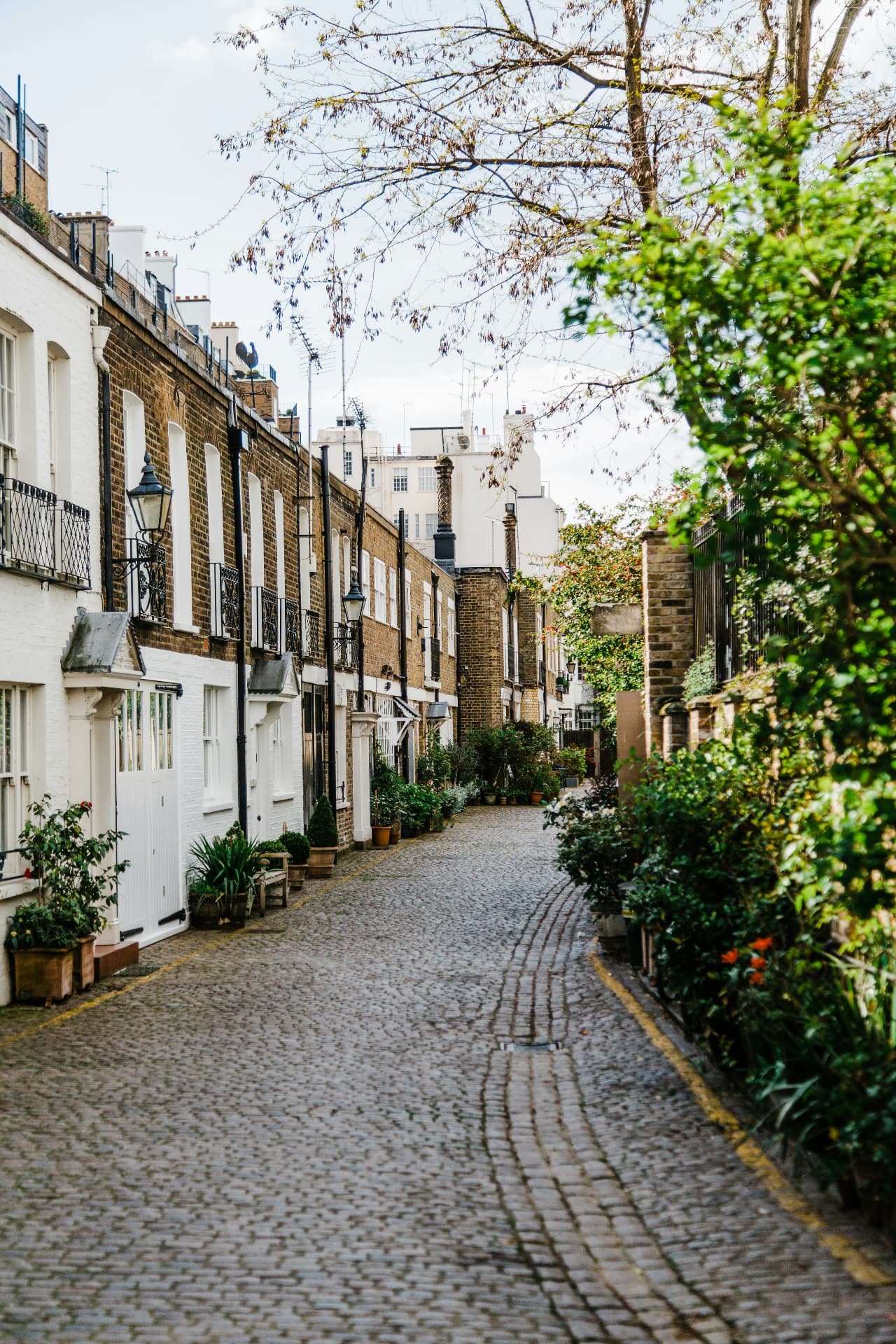
Moving to Mayfair represents one of the most prestigious relocations you can make in London. This historic enclave in the heart of the West End has been synonymous with luxury, refinement and exclusivity for over three centuries. From its elegant Georgian squares and world-class art galleries to its private members' clubs and Michelin-starred restaurants, Mayfair offers an unparalleled lifestyle for those seeking the very best of central London living. Whether you're relocating to Mayfair for work, drawn by its cultural cachet, or simply seeking one of the capital's most distinguished addresses, our complete guide will help you navigate this exceptional neighbourhood with confidence.
Understanding Mayfair's Property Market
The Mayfair property market operates at the apex of London's residential sector, commanding some of the highest prices in the United Kingdom. According to HM Land Registry data, the median property price in Mayfair stands at £4,500,000, reflecting the area's unrivalled prestige and scarcity of available homes. This figure encompasses 31 recorded sales, with flats representing the majority of transactions at a median of £3,950,000, whilst terraced properties command a median of £6,125,000.
The diversity of property stock in Mayfair ranges from elegant period conversions in historic buildings to ultra-luxury new developments with state-of-the-art amenities. Flats to rent in Mayfair span from refined studio apartments to expansive penthouses, catering to varying requirements. ONS rental data reveals that studio flats typically range from £7,075 to £11,050 per month, whilst one-bedroom apartments command between £9,325 and £14,575. For families or those requiring more substantial accommodation, three-bedroom properties range from £16,975 to £26,500 monthly, with five-bedroom residences reaching between £29,700 and £46,375.
Our team at Seymont London observes that apartments to rent in Mayfair are particularly sought after by international executives, diplomats and established families seeking a pied-à-terre in central London. The area's freehold houses are exceptionally rare, making any flat to rent in Mayfair or houses available for purchase highly competitive. We recommend prospective buyers and tenants work with specialists who understand the nuances of this rarefied market and maintain relationships with key buildings and estate managers.
For those considering an investment, Mayfair council tax falls within the City of Westminster, with rates varying by property band. The area's enduring appeal, limited supply and international recognition ensure that Mayfair properties historically demonstrate strong capital appreciation and rental yields. Browse our current <a href="/property-for-sale/mayfair">property for sale in Mayfair</a> to understand the breadth of opportunities available.
The Mayfair Commute: Connectivity and Transport
One of Mayfair's most compelling advantages for professionals is its exceptional transport connectivity. The Mayfair commute ranks among London's most convenient, with multiple Underground stations serving the area. Green Park, Bond Street, Oxford Circus, Marble Arch and Hyde Park Corner stations provide access to the Victoria, Jubilee, Central, Elizabeth and Piccadilly lines, connecting residents to every corner of the capital within minutes.
The Elizabeth Line at Bond Street has transformed east-west connectivity, placing Canary Wharf just 15 minutes away and Heathrow Airport within 40 minutes direct. For those working in the City, the Central Line reaches Bank in under 10 minutes, whilst the West End's theatres, restaurants and cultural institutions lie within walking distance. This transport infrastructure makes relocating to Mayfair particularly attractive for professionals working across London's multiple business districts.
Beyond the Underground, Mayfair's central location means that much of London becomes accessible on foot or by bicycle. Hyde Park's eastern edge provides serene cycling routes and morning runs, whilst the area's tree-lined streets remain surprisingly peaceful despite the central location. For those who prefer private transport, major taxi ranks operate throughout the neighbourhood, and residents enjoy straightforward access to London's orbital routes via Park Lane.
Mayfair's Lifestyle and Amenities
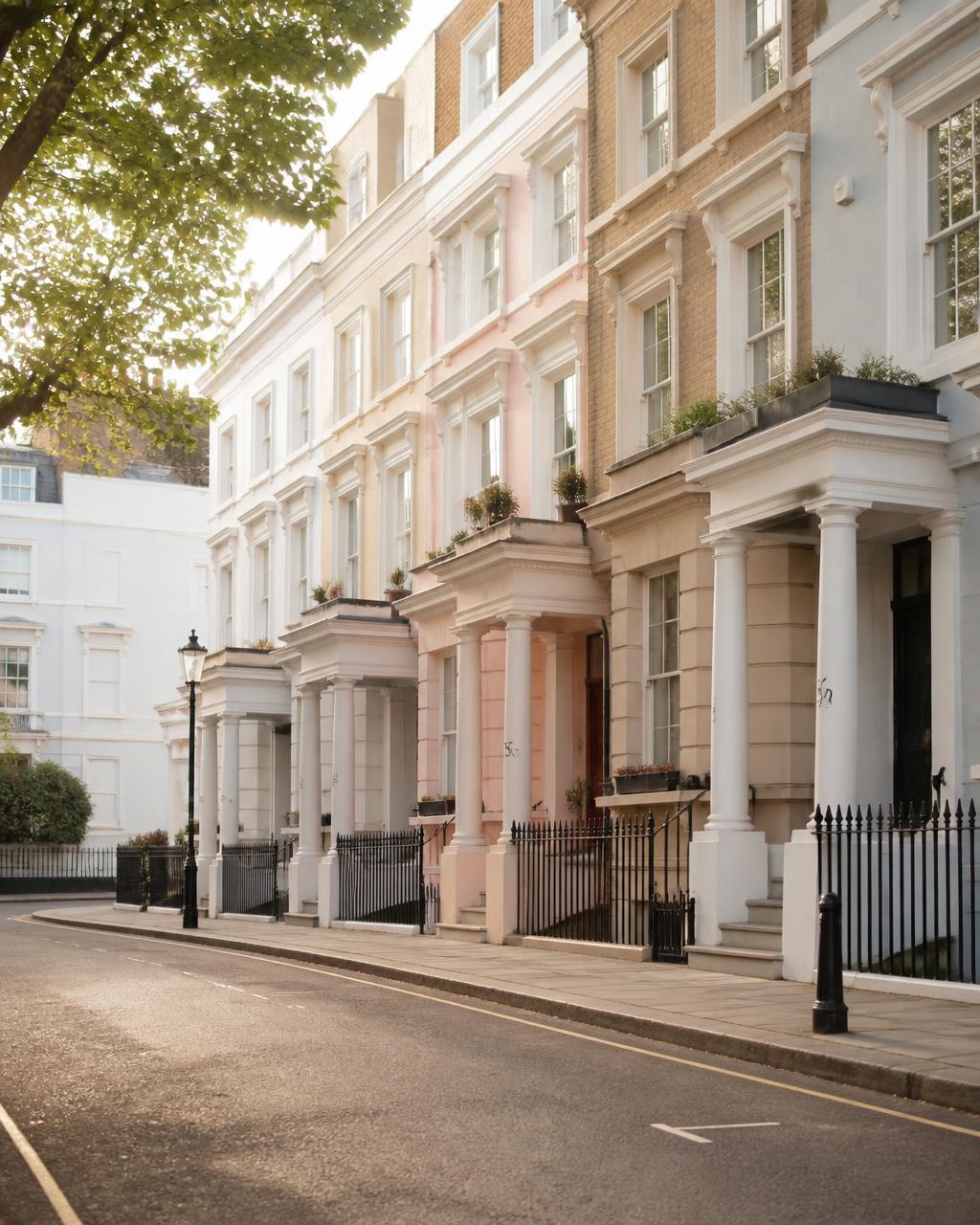
The lifestyle proposition of Mayfair extends far beyond its prestigious postcode. This is London's most concentrated collection of luxury amenities, where everyday errands become experiences in themselves. The neighbourhood hosts some of Britain's finest food halls and specialist retailers—from the historic Fortnum & Mason on Piccadilly to the artisan provisions along Mount Street.
For fitness and wellness, Third Space Mayfair on Hanover Square stands as one of London's premium health clubs, offering extensive gym facilities, swimming pools, spa treatments and group exercise studios. Virgin Active Mayfair on Berkeley Street provides another well-appointed option for residents prioritising health and fitness. Both clubs attract discerning members and foster strong community connections among Mayfair residents.
Mayfair's dining scene requires little introduction. Michelin-starred establishments including Sketch, The Greenhouse, Hélène Darroze at The Connaught and Hide demonstrate the area's culinary prestige. Yet the neighbourhood equally excels at understated elegance—established pubs in Mayfair such as The Punchbowl on Farm Street and The Audley on Mount Street offer refined settings for casual meals and weekend gatherings. Those seeking a traditional bar in Mayfair will find sophisticated cocktail lounges including The Connaught Bar, Claridge's Bar and the American Bar at The Beaumont.
The area's private members' clubs maintain Mayfair's reputation for exclusivity and discretion. Whilst each club in Mayfair operates selective membership policies, establishments such as 5 Hertford Street, George, Annabel's and The Arts Club contribute to the neighbourhood's social fabric. Cultural amenities include the Royal Academy of Arts on Piccadilly, Cork Street's commercial galleries, and the exceptional auction houses of Sotheby's, Christie's and Bonhams, all within Mayfair's boundaries.
For families relocating to Mayfair, the neighbourhood offers proximity to outstanding independent schools including the Francis Holland School and Queen's College on Harley Street, whilst Hyde Park and Green Park provide rare green space for recreation and relaxation in central London.
Talk to Seymont
What's your home worth?
A considered view on price, timing and how to bring your London home to market — a personal reply within 24 hours.
Your property
Step 1 of 2Mayfair's Distinct Character and History
Understanding Mayfair means appreciating its remarkable evolution from agricultural land to London's most fashionable quarter. The neighbourhood derives its name from the annual May Fair held here until the mid-18th century, when aristocratic development transformed the area into elegant townhouses and garden squares. The Grosvenor Estate, still the dominant landlord across much of Mayfair, began developing the area in the 1720s, establishing the architectural coherence and planning rigour that defines the neighbourhood today.
Mayfair's geography centres on a series of interconnected streets and squares—Grosvenor Square, Berkeley Square, Hanover Square and Mount Street among them—each with distinct character. Savile Row's bespoke tailoring heritage, Bond Street's luxury retail concentration, and Shepherd Market's village-like atmosphere demonstrate the diversity within Mayfair's 0.6 square miles. The area maintains strict planning protections as a conservation area, ensuring that its Georgian and Victorian architecture remains intact whilst permitting sensitive contemporary interventions.
Today's Mayfair balances its aristocratic heritage with cosmopolitan energy. International embassies occupy many historic buildings, whilst global luxury brands maintain flagship stores along Bond Street and Mount Street. Yet residential Mayfair retains a remarkable quietude, particularly in its mews streets and garden squares where residents enjoy peaceful surroundings mere steps from Piccadilly's bustle. This duality—simultaneously vibrant and serene, historic and contemporary—defines the Mayfair living experience.
For those moving to Mayfair, understanding these micro-neighbourhoods helps identify the perfect location. Our team guides clients through these nuances, matching specific requirements to the streets and buildings that best suit individual lifestyles. Explore detailed <a href="/house-prices/mayfair">house prices in Mayfair</a> to understand value variations across different postcodes and streets.
Practical Considerations When Moving to Mayfair
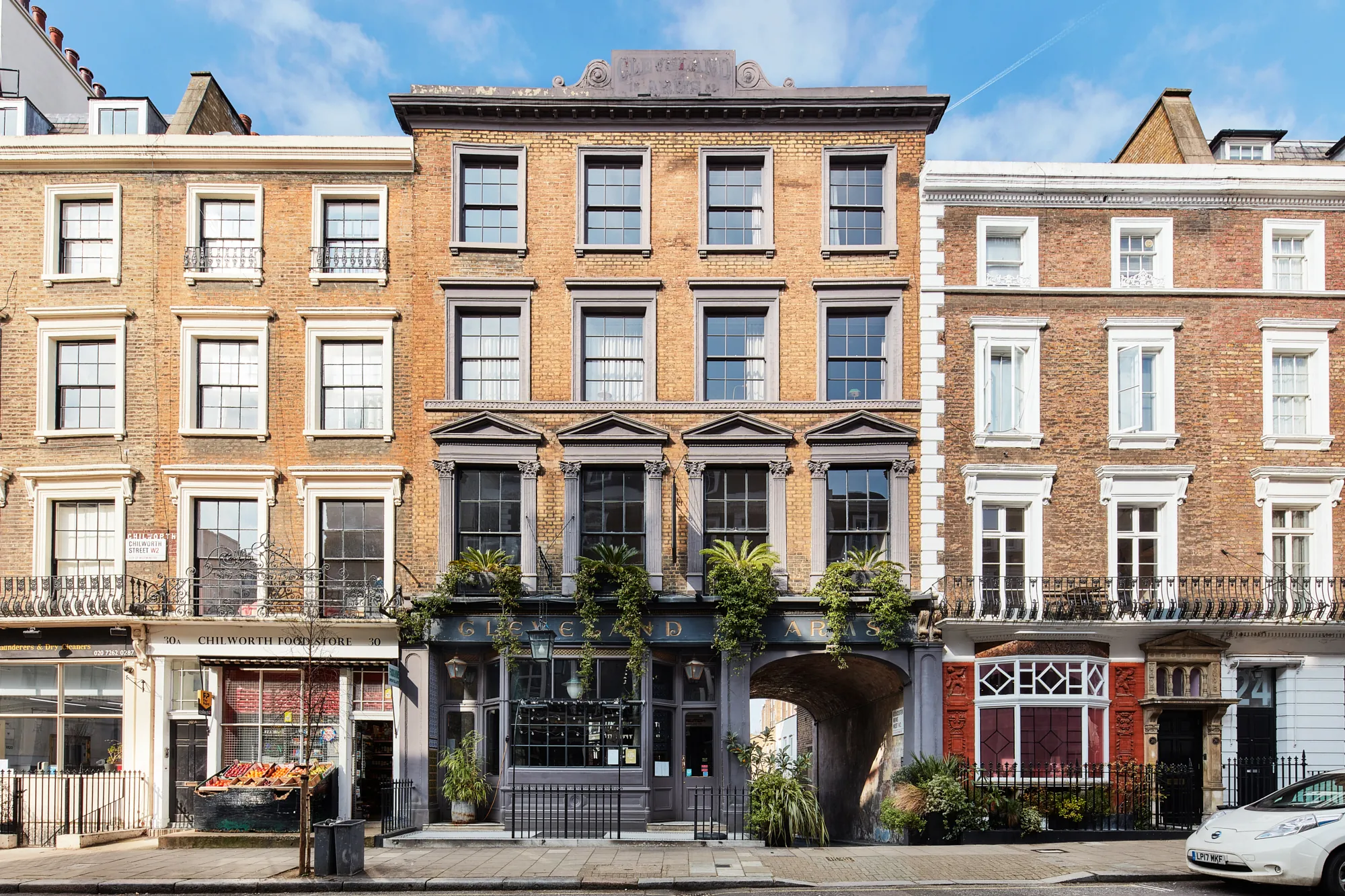
Relocating to Mayfair requires attention to several practical matters beyond property selection. Parking presents the first consideration—Westminster operates controlled parking zones throughout Mayfair, with resident permits available but subject to strict criteria and waiting lists for certain streets. Many residents opt for private parking arrangements within their buildings or nearby car parks, particularly for high-value vehicles.
Mayfair council tax, administered by Westminster City Council, varies according to property valuation bands. Band H properties, representing many Mayfair residences, currently attract annual charges exceeding £2,000, though this remains modest relative to property values. Council tax covers essential services including refuse collection, street cleaning and local amenities, with Westminster maintaining high service standards befitting the area.
For landlords considering the rental market, professional property management becomes essential given the expectations of Mayfair tenants and the complexities of period buildings. Our <a href="/let-your-property/mayfair">property letting services in Mayfair</a> address these requirements, ensuring properties meet the exacting standards that Mayfair commands whilst maximising returns for owners.
Storage often concerns Mayfair residents, as period flats may lack extensive built-in provision. Several specialist storage facilities operate near Mayfair, offering secure climate-controlled units for wine collections, archived documents and seasonal wardrobes. Building regulations and listed building consents can affect renovation plans, making pre-purchase surveys and planning advice essential for those contemplating alterations.
Finally, building relationships with Mayfair's exceptional service providers—from concierge services and personal shoppers to private doctors and household staff agencies—enhances the living experience. The neighbourhood's infrastructure of luxury service businesses exists precisely to support residents' requirements, and our team maintains connections across this network to assist clients settling into the area. Contact our <a href="/estate-agents/mayfair">Mayfair estate agents</a> to discuss your specific relocation requirements and benefit from our neighbourhood expertise.
Talk to Seymont
What's your home worth?
A considered view on price, timing and how to bring your London home to market — a personal reply within 24 hours.
Your property
Step 1 of 2About the author
Amara BennettProperty Market Analyst
Amara spent seven years as a market analyst at Kestrel Lane Research, a small London property consultancy, before joining our editorial desk. She reads sold-price and rental data street by street to explain how individual London postcode districts actually behave, and reviews every price figure we publish. Her focus is separating headline national averages from what a specific address is worth today.
MSc Real Estate Economics · Seven years in property market research
- Valuations
- Local market data
- Sold prices
- Pricing strategy
Frequently asked
- Is Mayfair a good area to live in London?
- Mayfair is widely considered one of London's finest residential areas, offering unparalleled central location, exceptional transport links, world-class dining and cultural amenities, and some of the capital's most distinguished architecture. The neighbourhood provides a rare combination of prestige, convenience and lifestyle that few other London postcodes can match. However, this comes at a premium, with property prices and rental rates reflecting Mayfair's exclusivity. For those who value central London living at its absolute best and can meet the financial requirements, Mayfair offers an outstanding quality of life.
- What is the average rent for a flat in Mayfair?
- According to ONS data, rental prices in Mayfair vary significantly by property size. Studio flats typically range from £7,075 to £11,050 per month, one-bedroom apartments from £9,325 to £14,575, two-bedroom properties from £12,725 to £19,875, and three-bedroom residences from £16,975 to £26,500 monthly. Larger four and five-bedroom apartments command £22,625 to £35,325 and £29,700 to £46,375 respectively. Actual rental rates depend on specific location within Mayfair, building quality, amenities and property condition.
- How much does a property cost in Mayfair?
- HM Land Registry data shows the median property price in Mayfair at £4,500,000, though this figure encompasses significant variation. Flats represent the majority of sales with a median of £3,950,000, ranging from £632,000 to £16,100,000 in recent transactions. Terraced houses command a median of £6,125,000, with prices between £4,000,000 and £8,250,000. The 'other' category, which includes commercial conversions and unique properties, shows the widest range from £195,000 to £62,000,000, reflecting Mayfair's diversity of property types and the ultra-prime nature of certain residences.
- What transport options are available in Mayfair?
- Mayfair benefits from exceptional transport connectivity with five Underground stations serving the area: Green Park (Victoria, Jubilee and Piccadilly lines), Bond Street (Central, Jubilee and Elizabeth lines), Oxford Circus (Victoria, Central and Bakerloo lines), Marble Arch (Central Line) and Hyde Park Corner (Piccadilly Line). The Elizabeth Line provides rapid connections to Heathrow Airport, Canary Wharf and beyond. Numerous bus routes traverse the area, whilst the central location makes walking and cycling viable for many journeys. Black cabs are readily available throughout the neighbourhood.
- Are there good gyms and fitness facilities in Mayfair?
- Mayfair hosts several premium fitness facilities catering to residents' wellness requirements. Third Space Mayfair on Hanover Square is widely regarded as one of London's finest health clubs, offering extensive gym equipment, swimming pools, group exercise studios, spa facilities and personal training. Virgin Active Mayfair on Berkeley Street provides another comprehensive fitness option with modern equipment and classes. Additionally, many luxury residential developments in Mayfair include private gyms and wellness facilities exclusively for residents, whilst nearby hotels such as The Dorchester and Claridge's offer spa and fitness amenities.