Journal
The Best Areas to Live in Mayfair
Written by Julian Reyes · Licensed Real Estate Agent
Published 30 May 2026 · Updated 10 July 2026 · 7 min read
The short answer
When considering the best areas to live in Mayfair, discerning residents face an enviable challenge: how to choose between some of London's most distinguished addresses. This rarefied pocket of the West End, bounded by Hyde Park, Oxford Street, Regent Street and Piccadilly, offers a unique combination of Georgian elegance, Michelin-starred dining, and five-star amenities.
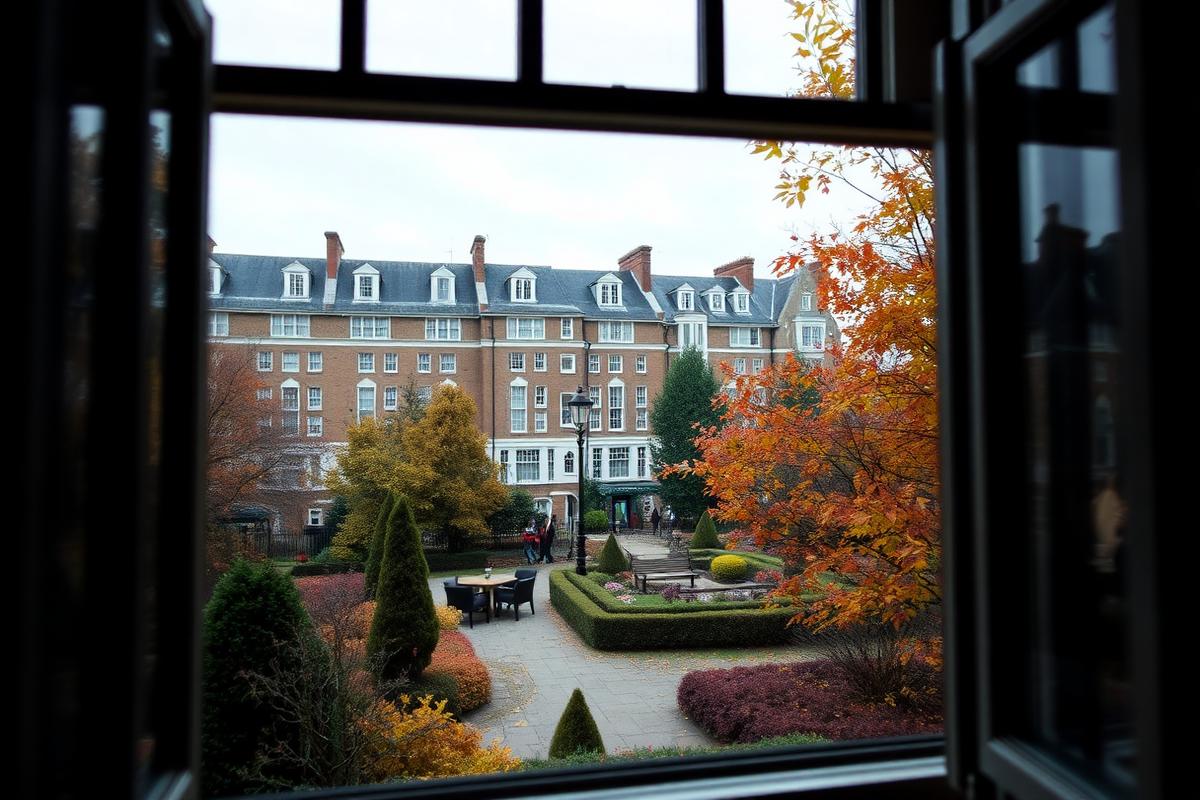
When considering the best areas to live in Mayfair, discerning residents face an enviable challenge: how to choose between some of London's most distinguished addresses. This rarefied pocket of the West End, bounded by Hyde Park, Oxford Street, Regent Street and Piccadilly, offers a unique combination of Georgian elegance, Michelin-starred dining, and five-star amenities. Our team has spent years guiding clients through Mayfair's distinct micro-neighbourhoods, each with its own character and appeal. Whether you're drawn to the tranquil garden squares, the heritage of Grosvenor Estate, or the vibrant social scene around South Audley Street, understanding where to live in Mayfair requires intimate local knowledge.
Grosvenor Square and the Northern Quarter
Grosvenor Square remains one of Mayfair's most prestigious addresses, offering residents access to London's second-largest garden square after Lincoln's Inn Fields. The northern reaches of Mayfair, extending towards Oxford Street, provide a fascinating blend of residential calm and urban energy. Upper Grosvenor Street and North Audley Street feature handsome mansion blocks alongside converted Georgian townhouses, many benefiting from views across the square's mature plane trees.
This area attracts those seeking proximity to Selfridges and the shopping corridor of Oxford Street, whilst maintaining the dignity of a true Mayfair postcode. The neighbourhood benefits from excellent fitness facilities, with Third Space Mayfair on Grosvenor Street offering one of London's most comprehensive gym and spa experiences. Virgin Active Mayfair provides another premium option for health-conscious residents.
According to HM Land Registry data, recent property sales in Mayfair recorded a median price of £4.5 million, with flats accounting for the majority of transactions at a median of £3.95 million. The northern quarter offers relatively better value compared to the most exclusive southern addresses, whilst maintaining impeccable credentials.
Dining and socialising in this quarter centres around Mount Street, where establishments like Scott's have been serving discerning clientele for generations. The concentration of art galleries on Cork Street, just moments away, adds cultural gravitas to everyday life in this part of Mayfair.
Mayfair's Best Streets: The Garden Squares
When clients ask us about Mayfair best streets, our conversation inevitably turns to the garden squares that define the area's residential appeal. Beyond Grosvenor Square, Berkeley Square offers another distinguished address, immortalised in song and history. The square's 30 mature plane trees, some dating to 1789, create a remarkable microclimate of tranquillity despite the proximity to Berkeley Street's restaurants and private members' clubs.
Hanover Square, recently revitalised, provides a more intimate scale whilst maintaining proximity to Mayfair's amenities. The square benefits from the presence of St George's Hanover Square, where numerous society weddings have taken place since 1725. Properties overlooking these gardens command premium prices, offering residents private key-holder access to spaces that remain hidden from the casual visitor.
For those exploring flats to rent in Mayfair, garden square addresses represent the pinnacle of urban living. ONS data indicates that rental prices reflect this desirability, with two-bedroom properties ranging from £12,725 to £19,875 per month, whilst three-bedroom homes command between £16,975 and £26,500 monthly.
The streets radiating from these squares—notably Bruton Street, Hay Hill, and Chesterfield Hill—offer equally distinguished addresses with architectural heritage that spans Georgian, Victorian and carefully considered contemporary interventions. We've observed that properties on these quieter streets often appeal to families and long-term residents who value discretion over ostentation.
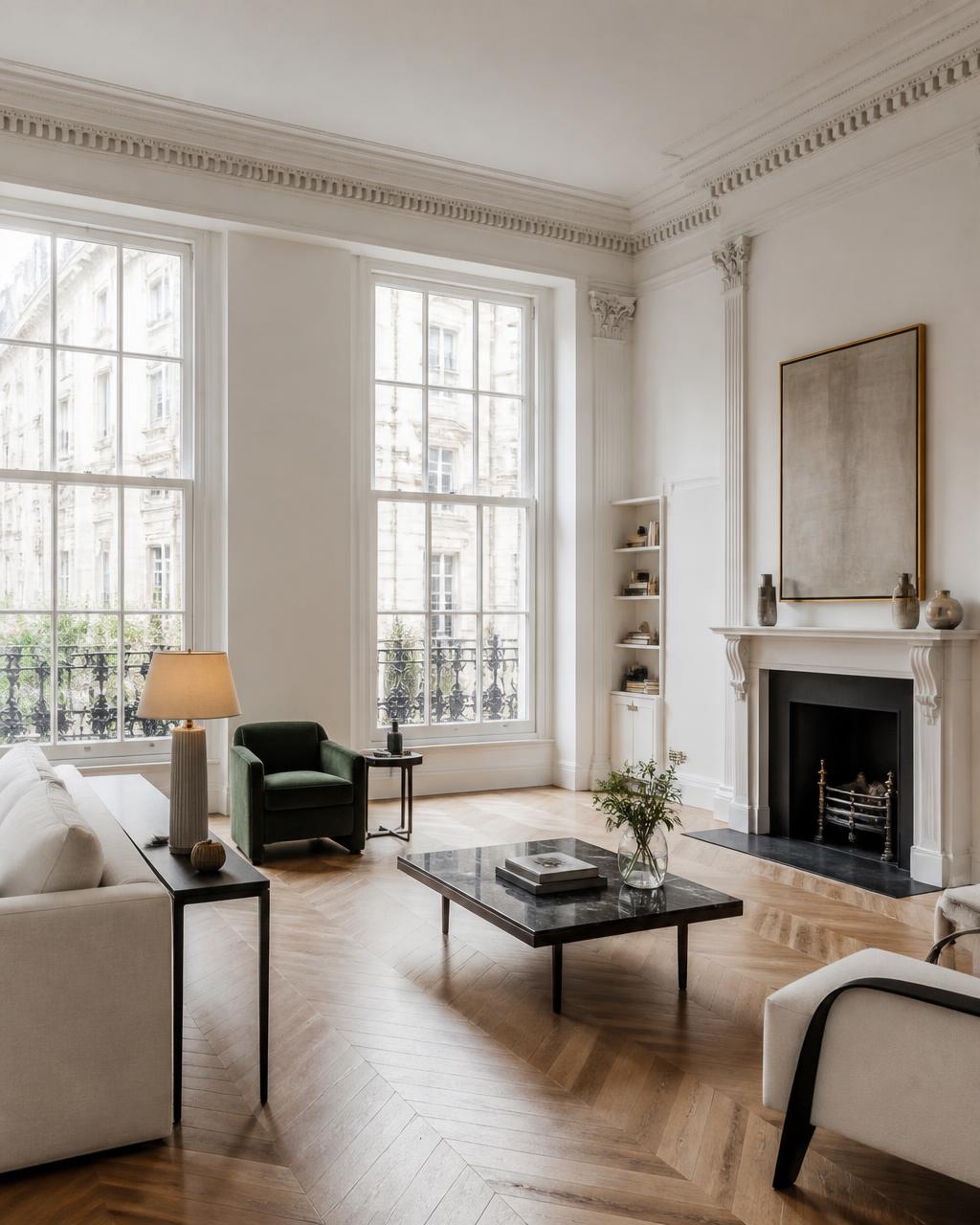
Mayfair Neighbourhoods: South Audley Street and Shepherd Market
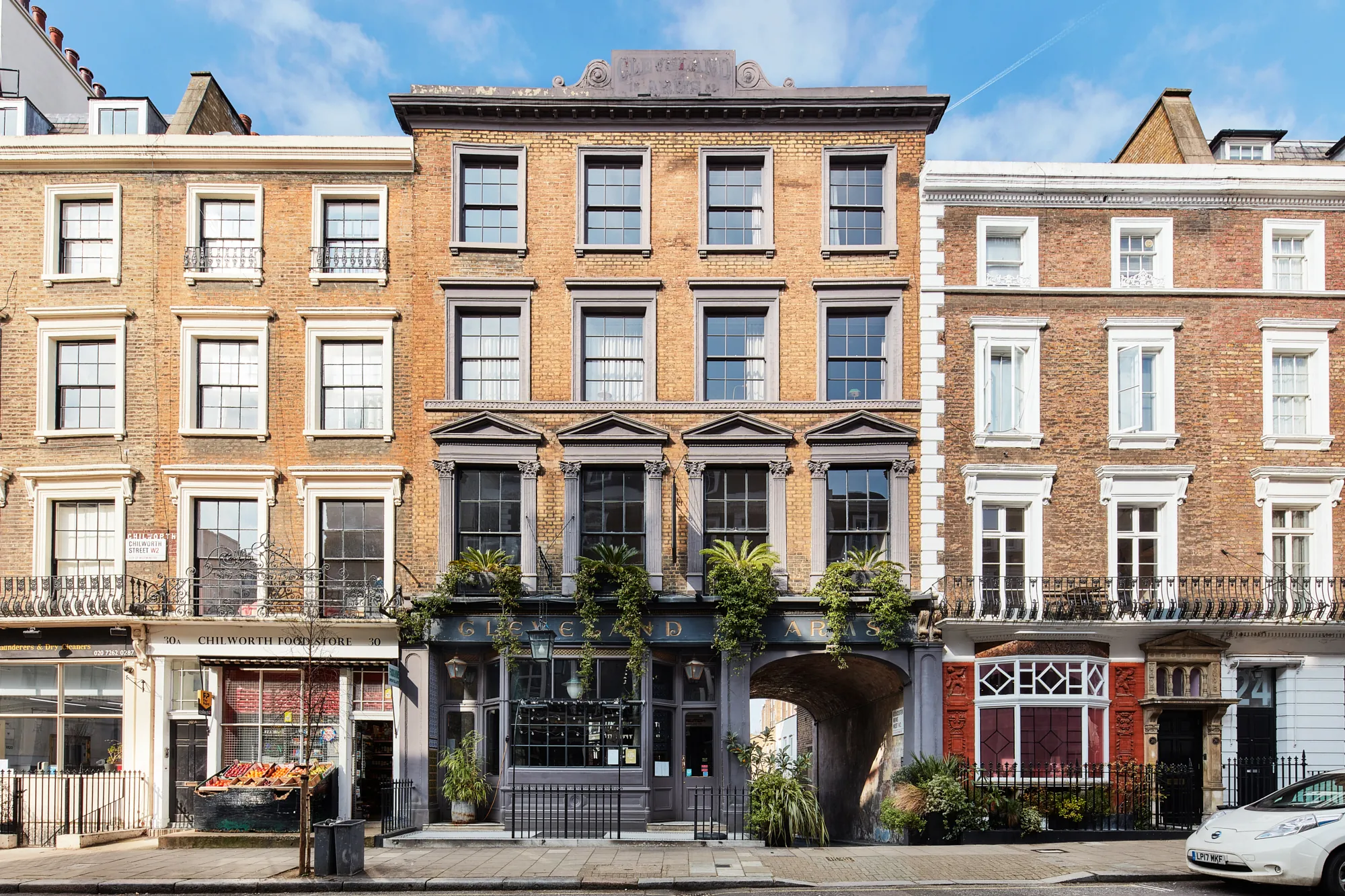
The character of Mayfair neighbourhoods varies considerably across relatively short distances. South Audley Street represents Mayfair at its most polished, with distinguished mansion blocks, the Grosvenor Chapel, and direct access to Mount Street's restaurant quarter. This north-south artery connects Grosvenor Square to Curzon Street, passing the Audley pub—a rare surviving Victorian gin palace that serves as a democratic counterpoint to Mayfair's exclusive private members' clubs.
Shepherd Market offers something altogether different: a village-like enclave of narrow streets, independent restaurants, and traditional pubs that predates the Georgian development of surrounding Mayfair. This distinctive pocket, built on the site of the historic May Fair itself, provides an unexpectedly intimate scale with genuine neighbourhood character. Properties here tend towards smaller flats and mews houses, attracting residents who appreciate charm and community over formal grandeur.
The juxtaposition is quintessentially Mayfair—within five minutes' walk, residents can access both the clubland atmosphere of Curzon Street (home to numerous private members' establishments) and the village pubs of Shepherd Market. This diversity of social settings, from white-tablecloth dining to relaxed local bars, distinguishes Mayfair from more homogeneous prime London neighbourhoods.
For those considering apartments to rent in Mayfair, this southern section offers particular variety. Studios range from £7,075 to £11,050 monthly according to ONS data, providing an accessible entry point to the postcode, whilst five-bedroom properties command between £29,700 and £46,375 per month. Our [estate agents in Mayfair](/estate-agents/mayfair) can provide detailed guidance on current availability across these distinct sub-markets.
Talk to Seymont
What's your home worth?
A considered view on price, timing and how to bring your London home to market — a personal reply within 24 hours.
Your property
Step 1 of 2The Grosvenor Estate Heritage
Understanding where to live in Mayfair requires appreciation of the Grosvenor Estate's enduring influence. The Duke of Westminster's estate has shaped Mayfair's development since the 1720s, maintaining architectural coherence and quality standards across centuries. Properties within the estate, particularly those on the prime residential streets west of Park Lane, benefit from this long-term stewardship and the prestige of the Grosvenor name.
Upper Grosvenor Street, Upper Brook Street, and the streets connecting to Hyde Park represent the estate at its most refined. These addresses offer proximity to the park's 350 acres—an amenity impossible to overvalue in central London. Morning runs along the Serpentine, weekend rides along Rotten Row, or simply direct access to green space provide quality-of-life benefits that transcend property specifications.
Recent HM Land Registry data reveals that terraced houses in Mayfair, many of which are concentrated in this western quarter, achieved median prices of £6.125 million, with transactions ranging from £4 million to £8.25 million. These figures reflect the scarcity and desirability of freehold houses in an area dominated by leasehold flats and apartments.
The estate's ongoing commitment to Mayfair includes careful curation of ground-floor retail and hospitality, ensuring that residents benefit from neighbourhood-serving amenities alongside destination restaurants and galleries. This active management distinguishes Grosvenor-controlled streets from other parts of Mayfair where commercial tenancies may be more transient. Prospective residents can explore current opportunities through our [property for sale in Mayfair](/property-for-sale/mayfair) listings.
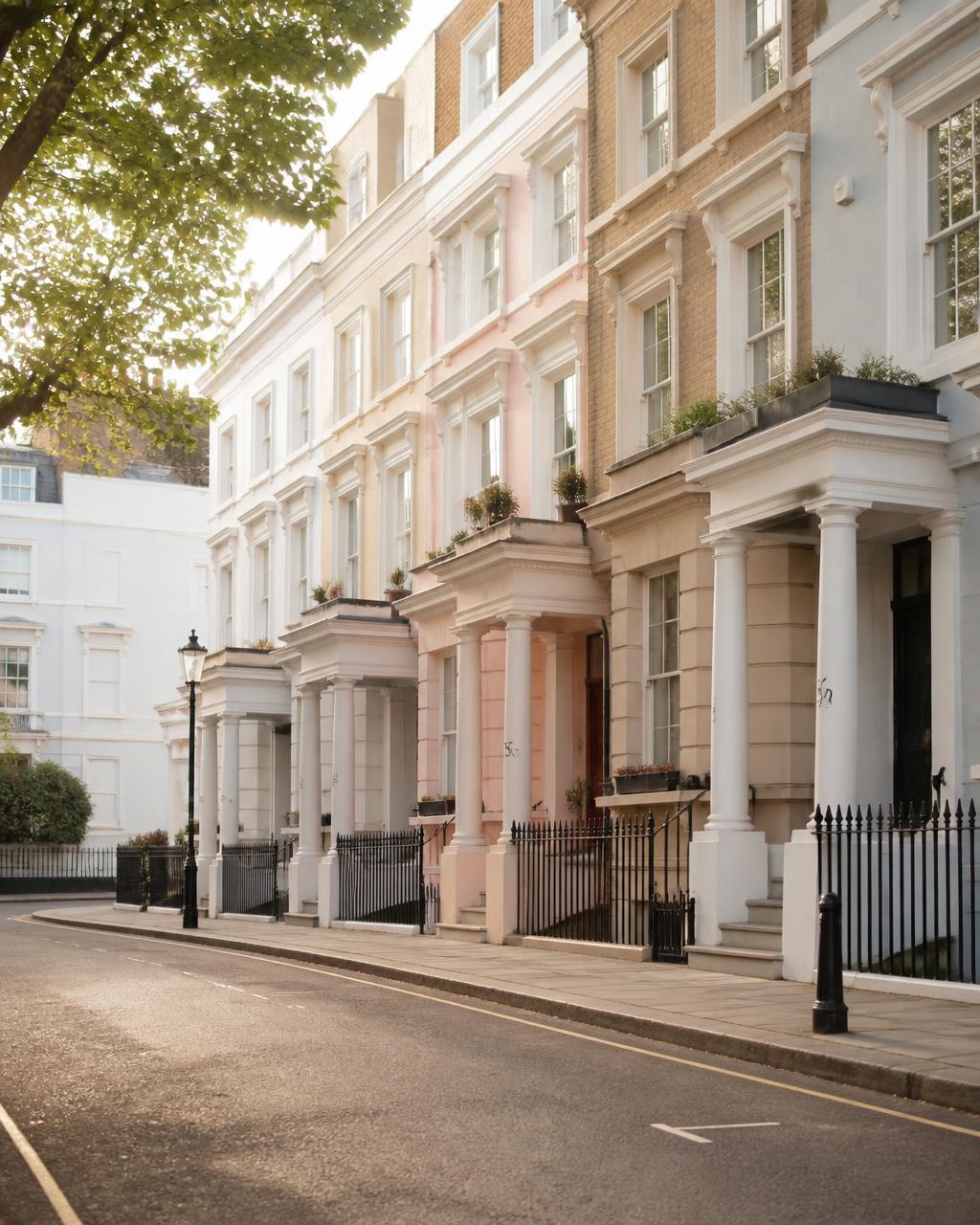
Amenities, Transport and Lifestyle
The practical appeal of Mayfair extends well beyond architectural heritage and prestigious addresses. Transport connectivity positions residents within minutes of the entire capital: Bond Street station (Elizabeth Line, Central and Jubilee lines), Green Park (Victoria, Piccadilly and Jubilee), and Marble Arch (Central) create a triangle of connectivity unmatched in London. The Elizabeth Line's arrival has particularly enhanced east-west travel, placing Canary Wharf within 20 minutes and Heathrow within 40.
Mayfair's amenity infrastructure caters comprehensively to residents' daily needs. Beyond the headline gym facilities at Third Space Mayfair and Virgin Active, the neighbourhood supports multiple private medical practices, premium supermarkets (Whole Foods on Piccadilly, Marks & Spencer on Oxford Street), and specialist retailers that obviate the need to travel elsewhere for essentials.
The social landscape encompasses remarkable variety. Those seeking a traditional bar in Mayfair can choose between the Audley's Victorian splendour, the Running Horse's unpretentious charm, or the Guinea Grill's Bruton Place location. Private members' clubs in Mayfair range from venerable institutions to contemporary spaces, though we recognise that club culture appeals selectively.
Dining options span from Michelin-starred establishments on Mount Street to neighbourhood restaurants in Shepherd Market, Italian trattorias on Albemarle Street, and Japanese precision on Bruton Place. This density of culinary excellence, combined with proximity to West End theatres and Mayfair's own concentration of art galleries, supports a lifestyle centred on cultural engagement and sophisticated leisure. For landlords, our [property letting services](/let-your-property/mayfair) help position properties to tenants who value this distinctive offering.
Investment Perspective and Market Dynamics
Mayfair's property market operates according to distinct dynamics that merit careful consideration. The area's international profile attracts global capital, supporting price resilience even during broader market corrections. HM Land Registry data shows 31 recorded sales with a median price of £4.5 million, though these figures encompass everything from smaller flats to substantial townhouses and the occasional commercial transaction (classified as 'other' property types, with a median of £13.0125 million).
The rental market demonstrates equally robust fundamentals. Demand for apartments to rent in Mayfair London comes from international executives, finance professionals, diplomats, and increasingly from domestic professionals drawn to the area's comprehensive amenities and transport connections. Yields typically sit below prime London averages, reflecting capital appreciation potential rather than income returns, though the combination of both elements supports Mayfair's enduring investment appeal.
Our team observes that successful Mayfair property decisions typically stem from clarity about priorities. Those seeking maximum square footage may find better value in Belgravia or Knightsbridge; those prioritising transport connectivity might consider King's Cross or Paddington. Mayfair's proposition centres on a unique combination: heritage architecture, pedestrian-scaled streets, comprehensive amenities, and addresses recognised globally.
For detailed analysis of market trends and pricing across different property types, our [Mayfair house prices](/house-prices/mayfair) resource provides comprehensive data. Whether considering purchase or rental, understanding these micro-market variations proves essential to identifying the best areas to live in Mayfair for your specific circumstances and preferences.
Talk to Seymont
What's your home worth?
A considered view on price, timing and how to bring your London home to market — a personal reply within 24 hours.
Your property
Step 1 of 2About the author
Julian ReyesLicensed Real Estate Agent
Julian has spent eleven years handling residential sales across west and central London, previously with the independent agencies Harlowe & Vance and Marchmont Row. He runs listings end to end, from pricing and presentation through to negotiating offers and holding chains together to completion. His writing focuses on the practical mechanics of buying and selling a home in a market where timing and preparation decide the outcome.
Licensed estate agent · 11 years in London residential sales
- Residential sales
- First-time buyers
- Offer negotiation
- Chain management
Frequently asked
- What is the average rent for a flat in Mayfair?
- According to ONS data, rental prices in Mayfair vary considerably by size. One-bedroom flats typically range from £9,325 to £14,575 per month, whilst two-bedroom properties command £12,725 to £19,875 monthly. Larger homes escalate accordingly, with three-bedroom properties ranging from £16,975 to £26,500, and five-bedroom residences reaching £29,700 to £46,375 per month. Studio apartments, offering the most accessible entry point, range from £7,075 to £11,050 monthly.
- Which are the most prestigious streets in Mayfair?
- Mayfair's most prestigious addresses traditionally include the streets surrounding the garden squares—particularly Grosvenor Square, Berkeley Square and Hanover Square. Upper Grosvenor Street, Mount Street, and the streets closest to Hyde Park (including Upper Brook Street and Park Lane itself) command particular cachet. Within the Grosvenor Estate, addresses on quieter residential streets such as Chesterfield Hill, Hay Hill, and Carlos Place offer distinguished alternatives to the better-known thoroughfares, often appealing to those prioritising discretion and residential calm.
- How much does property cost in Mayfair?
- HM Land Registry data shows Mayfair's median property price at £4.5 million across all transaction types. Flats, which represent the majority of sales, achieve a median of £3.95 million, with individual transactions ranging from £632,000 to £16.1 million depending on size, condition and specific location. Terraced houses command a median of £6.125 million, ranging from £4 million to £8.25 million. These figures reflect Mayfair's position among London's most valuable residential postcodes, with pricing strongly influenced by micro-location, views, and property condition.
- What transport links serve Mayfair?
- Mayfair benefits from exceptional transport connectivity through three principal Underground stations. Bond Street station provides access to the Elizabeth Line (for rapid connections to Heathrow, Canary Wharf and beyond), plus the Central and Jubilee lines. Green Park station serves the Victoria, Piccadilly and Jubilee lines, whilst Marble Arch offers Central Line access. This concentration of services places residents within easy reach of the entire capital, with multiple journey options for any destination. The Elizabeth Line's arrival has particularly enhanced east-west connectivity, transforming commuting patterns for many Mayfair residents.
- Is Mayfair suitable for families?
- Whilst Mayfair attracts predominantly professionals and couples, certain pockets suit family living remarkably well. The quieter streets around the garden squares offer pedestrian-friendly environments with key-holder access to private gardens. Proximity to Hyde Park provides extensive outdoor space for recreation. However, families should consider that Mayfair offers limited primary school provision within the immediate postcode, with most families looking to neighbouring areas or independent schools. The area's café culture, premium supermarkets, and safe streets support family life, though the neighbourhood skews towards adults rather than children compared to residential areas like Kensington or Hampstead.