Journal
Moving to Fulham: The Complete Guide
Written by Amara Bennett · Property Market Analyst
Published 15 May 2026 · Updated 12 August 2026 · 6 min read
The short answer
Moving to Fulham represents one of the most desirable residential choices in southwest London, combining riverside charm with exceptional transport connections and a vibrant community atmosphere. Whether you're relocating to Fulham for work, family or lifestyle, this affluent pocket of SW6 offers an enticing blend of Victorian and Edwardian architecture, world-class dining, and access to some of the capital's finest green spaces.
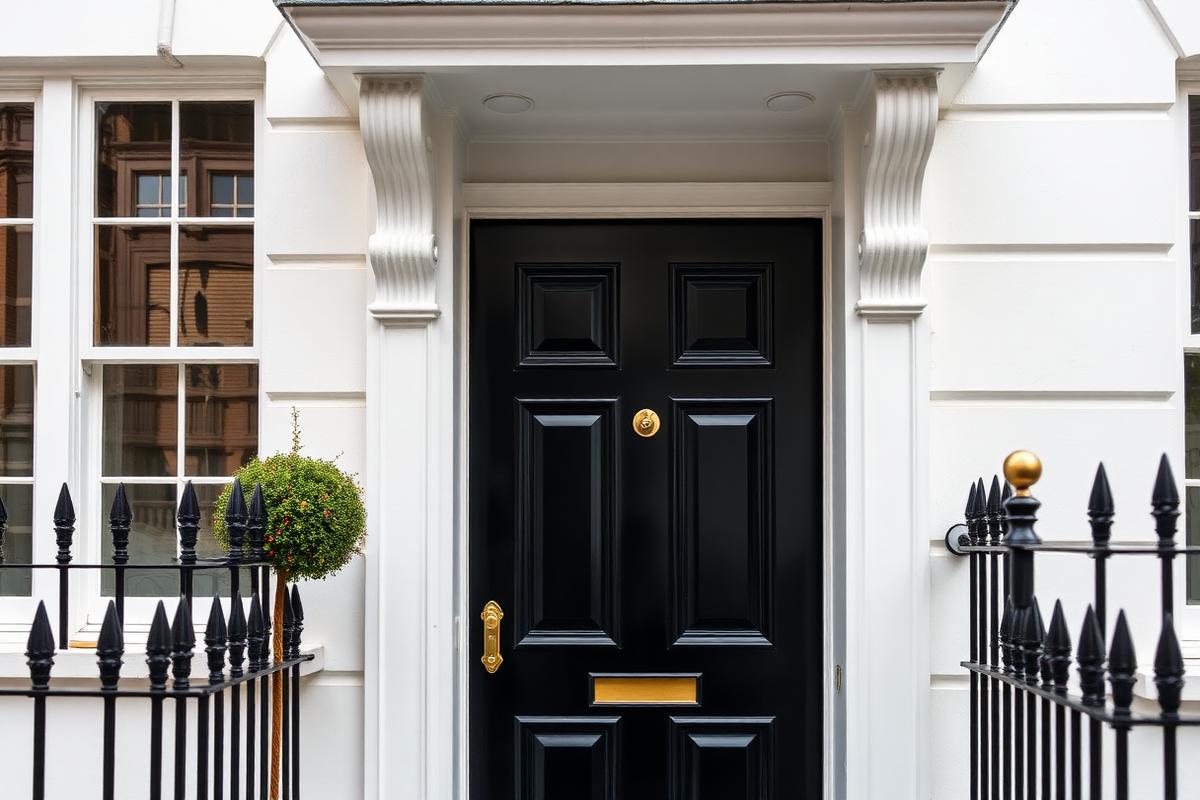
Moving to Fulham represents one of the most desirable residential choices in southwest London, combining riverside charm with exceptional transport connections and a vibrant community atmosphere. Whether you're relocating to Fulham for work, family or lifestyle, this affluent pocket of SW6 offers an enticing blend of Victorian and Edwardian architecture, world-class dining, and access to some of the capital's finest green spaces. Our team has prepared this comprehensive guide to help you understand everything from property costs to council tax, schools to commuting options, ensuring your move to this sought-after neighbourhood is as smooth as possible.
Understanding Fulham's Property Market
The Fulham property market offers a diverse range of housing options, from period conversions to modern riverside developments. According to HM Land Registry data, the median property price in Fulham stands at £725,000, based on 273 recorded sales. This figure reflects the area's enduring appeal among discerning buyers seeking a well-connected location with excellent amenities.
Flats dominate the local market, accounting for 199 sales with a median price of £625,000, making them an accessible entry point for those moving to Fulham. Terraced houses command a premium at £1,489,500 median, reflecting the desirability of the area's elegant Victorian and Edwardian street properties. For those seeking more space, semi-detached properties show a median of £2,215,000, whilst the 'other' category—which includes mews houses and unique conversions—has a median of £590,000.
For those considering renting before purchasing, ONS data reveals that studio apartments range from £1,150 to £1,775 per month, whilst one-bedroom properties cost between £1,500 and £2,350. Two-bedroom rentals typically command £2,050 to £3,200 monthly, and three-bedroom properties range from £2,725 to £4,275. Larger family homes with four bedrooms cost £3,650 to £5,700, whilst five-bedroom properties and above range from £4,775 to £7,475 per month.
When browsing [apartments for sale in Fulham](/property-for-sale/fulham), you'll discover a wealth of choice spanning the bustling Fulham Broadway area through to the tranquil riverside reaches near Fulham Palace Road. Our team at Seymont London maintains comprehensive knowledge of [house prices across Fulham](/house-prices/fulham), enabling us to guide you towards the best value in this competitive market.
The Fulham Commute: Transport Links and Connectivity
One of the primary reasons professionals choose relocating to Fulham is the exceptional transport infrastructure. The Fulham commute to central London is notably efficient, with Fulham Broadway station on the District line providing direct access to Westminster (13 minutes), Embankment (17 minutes), and the City via Monument and Tower Hill.
Parsons Green and Putney Bridge stations also serve the District line, offering additional options for residents in different parts of the neighbourhood. For those working in West London, the area benefits from excellent bus connectivity, with routes running along Fulham Palace Road and New Kings Road connecting to Hammersmith, Kensington, Chelsea and beyond.
The area's road links are equally impressive, with the A4 accessible via nearby routes for journeys west towards Heathrow Airport or the M4 corridor. For cyclists, dedicated cycle routes along the Thames Path provide a scenic commute option to central London, whilst the area's relatively flat topography makes cycling practical year-round.
Imperial Wharf station, situated on the border with Chelsea, offers London Overground services to Clapham Junction—one of Britain's busiest interchange stations—opening up connections across South London and beyond. This multi-modal connectivity makes Fulham equally suitable for those working in Canary Wharf, the West End, or anywhere across the capital's extensive transport network.
Lifestyle, Amenities and What Makes Fulham Special
Fulham's lifestyle offering extends far beyond its property portfolio and transport links. The area surrounding Fulham Broadway serves as the neighbourhood's commercial heart, featuring a major shopping centre, independent boutiques, and an excellent selection of supermarkets including Waitrose, Sainsbury's and Marks & Spencer.
For those seeking restaurant options in Fulham, the dining scene is exceptionally diverse. The streets radiating from Fulham Broadway and Parsons Green host everything from neighbourhood bistros to Michelin-recommended establishments. The Harwood Arms on Walham Grove holds particular renown, whilst the restaurants lining the New Kings Road and Fulham Road cater to every culinary preference, from Italian trattorias to contemporary British gastropubs.
Green space features prominently in daily life here. Bishop's Park stretches along the Thames, offering riverside walks, tennis courts, and children's play areas, whilst Hurlingham Park and Eel Brook Common provide additional recreational options. The historic Fulham Palace—once home to the Bishops of London—combines heritage architecture with beautiful botanical gardens, creating a tranquil escape within urban surroundings.
Sporting culture runs deep in Fulham, most notably through the presence of Fulham FC at Craven Cottage, the club's atmospheric ground beside the Thames. The Fulham stadium, as locals often call it, has stood since 1896 and remains one of English football's most characterful venues. Match days bring a particular energy to the riverside, with supporters gathering in traditional pubs like The Eight Bells and The Crabtree before kick-off.
Talk to Seymont
What's your home worth?
A considered view on price, timing and how to bring your London home to market — a personal reply within 24 hours.
Your property
Step 1 of 2Schools, Council Tax and Practical Considerations
Families moving to Fulham benefit from an impressive selection of state and independent schools. Outstanding primary schools include Fulham Primary School, Langford Primary, and Holy Cross RC Primary, whilst secondary options encompass Lady Margaret School (rated Outstanding) and the London Oratory School nearby. The independent sector is equally strong, with Fulham Prep School, The Swedish School and Thomas's Fulham among the well-regarded options.
Fulham council tax falls under the London Borough of Hammersmith & Fulham, which has historically maintained some of the lowest council tax rates in London. For the current tax year, Band D properties—the standard reference point—pay significantly less than many comparable London boroughs. This fiscal advantage represents a meaningful consideration when calculating the overall cost of living in the area, particularly for larger properties in higher bands.
Healthcare provision is comprehensive, with Charing Cross Hospital providing A&E services and specialist care. Numerous GP surgeries serve the area, whilst dental practices and private healthcare facilities are readily available throughout Fulham. The area also benefits from excellent childcare provision, with nurseries, childminders and after-school clubs catering to working families.
For those requiring storage or parking, many period properties along streets like Cloncurry Street Fulham offer off-street parking—a valuable commodity in inner London. However, the area operates controlled parking zones, so understanding residents' permit requirements is essential before completing your move. Our team at [Fulham estate agents](/estate-agents/fulham) can provide detailed guidance on parking regulations specific to your target street.

Finding Your Fulham Home
The process of securing the right property in Fulham requires local expertise and market knowledge. Competition for the best [Fulham homes](/property-for-sale/fulham) remains consistently strong, with desirable properties often receiving multiple offers within days of listing. Acting decisively whilst conducting thorough due diligence represents the optimal approach in this dynamic market.
Whether you're searching for houses in Fulham with period features and private gardens, modern apartments with river views, or investment properties to let, understanding the micro-markets within SW6 is crucial. The terraced streets north of Fulham Road offer a different proposition to the mansion blocks near Parsons Green, whilst the riverside developments along Imperial Wharf attract a distinct demographic.
For landlords and investors, Fulham's rental market demonstrates consistent demand driven by young professionals, families and international relocators. If you're considering [letting your property in Fulham](/let-your-property/fulham), the area's combination of transport links, amenities and schools creates a compelling proposition for quality tenants seeking longer-term homes.
Our approach at Seymont London centres on understanding your specific requirements—whether that's proximity to particular schools, a maximum commute time, or architectural preferences—and matching them against our detailed knowledge of current availability and emerging opportunities across the neighbourhood. We track market movements street by street, ensuring our clients benefit from insights that extend beyond standard property portals.
Talk to Seymont
What's your home worth?
A considered view on price, timing and how to bring your London home to market — a personal reply within 24 hours.
Your property
Step 1 of 2About the author
Amara BennettProperty Market Analyst
Amara spent seven years as a market analyst at Kestrel Lane Research, a small London property consultancy, before joining our editorial desk. She reads sold-price and rental data street by street to explain how individual London postcode districts actually behave, and reviews every price figure we publish. Her focus is separating headline national averages from what a specific address is worth today.
MSc Real Estate Economics · Seven years in property market research
- Valuations
- Local market data
- Sold prices
- Pricing strategy
Frequently asked
- Is Fulham a good area to live in London?
- Fulham is widely regarded as one of southwest London's premier residential areas, offering an exceptional combination of transport connectivity, green spaces, dining and shopping amenities, and excellent schools. The neighbourhood attracts professionals, families and international relocators seeking a well-established community with strong village characteristics whilst remaining firmly within inner London. Property values have remained resilient over decades, reflecting sustained demand and the area's enduring appeal.
- How much does it cost to rent in Fulham?
- According to ONS data, rental costs in Fulham vary by property size. Studio apartments range from £1,150 to £1,775 monthly, one-bedroom properties cost £1,500 to £2,350, two-bedroom homes range from £2,050 to £3,200, and three-bedroom properties typically command £2,725 to £4,275. Larger family homes with four bedrooms cost between £3,650 and £5,700, whilst five-bedroom properties range from £4,775 to £7,475 per month.
- What is the commute time from Fulham to central London?
- The Fulham commute is exceptionally efficient, with Fulham Broadway station on the District line reaching Westminster in approximately 13 minutes and Embankment in 17 minutes. Connections to the City via Monument take around 25 minutes. Multiple stations serve the area—including Parsons Green, Putney Bridge and Imperial Wharf—providing flexibility depending on your specific location within Fulham and your destination across London.
- What council tax band will I pay in Fulham?
- Fulham falls within the London Borough of Hammersmith & Fulham, which has historically maintained some of London's lowest council tax rates. Your specific band depends on your property's value as of 1991 valuation levels, ranging from Band A through to Band H. The borough publishes annual rates on its website, with Band D serving as the standard reference point. Many residents benefit from the council's competitive rates compared to neighbouring boroughs.
- Are there good schools in Fulham for families?
- Fulham offers an excellent range of both state and independent schools. Outstanding-rated state primaries include Fulham Primary School, Langford Primary and Holy Cross RC Primary. For secondary education, Lady Margaret School consistently achieves Outstanding ratings, whilst the nearby London Oratory School is highly regarded. The independent sector includes Fulham Prep School, Thomas's Fulham and The Swedish School, among others. This diversity makes Fulham particularly attractive to families prioritising educational quality.