Journal
Mayfair House Prices in 2026
Written by Julian Reyes · Licensed Real Estate Agent
Published 9 December 2025 · Updated 20 December 2025 · 6 min read
The short answer
Mayfair house prices remain amongst the most prestigious in the capital, with HM Land Registry data revealing a median sale price of £4.5 million across 31 recorded transactions in the latest reporting period. As one of London's most celebrated addresses, Mayfair continues to command exceptional values that reflect its unrivalled position at the heart of the West End.
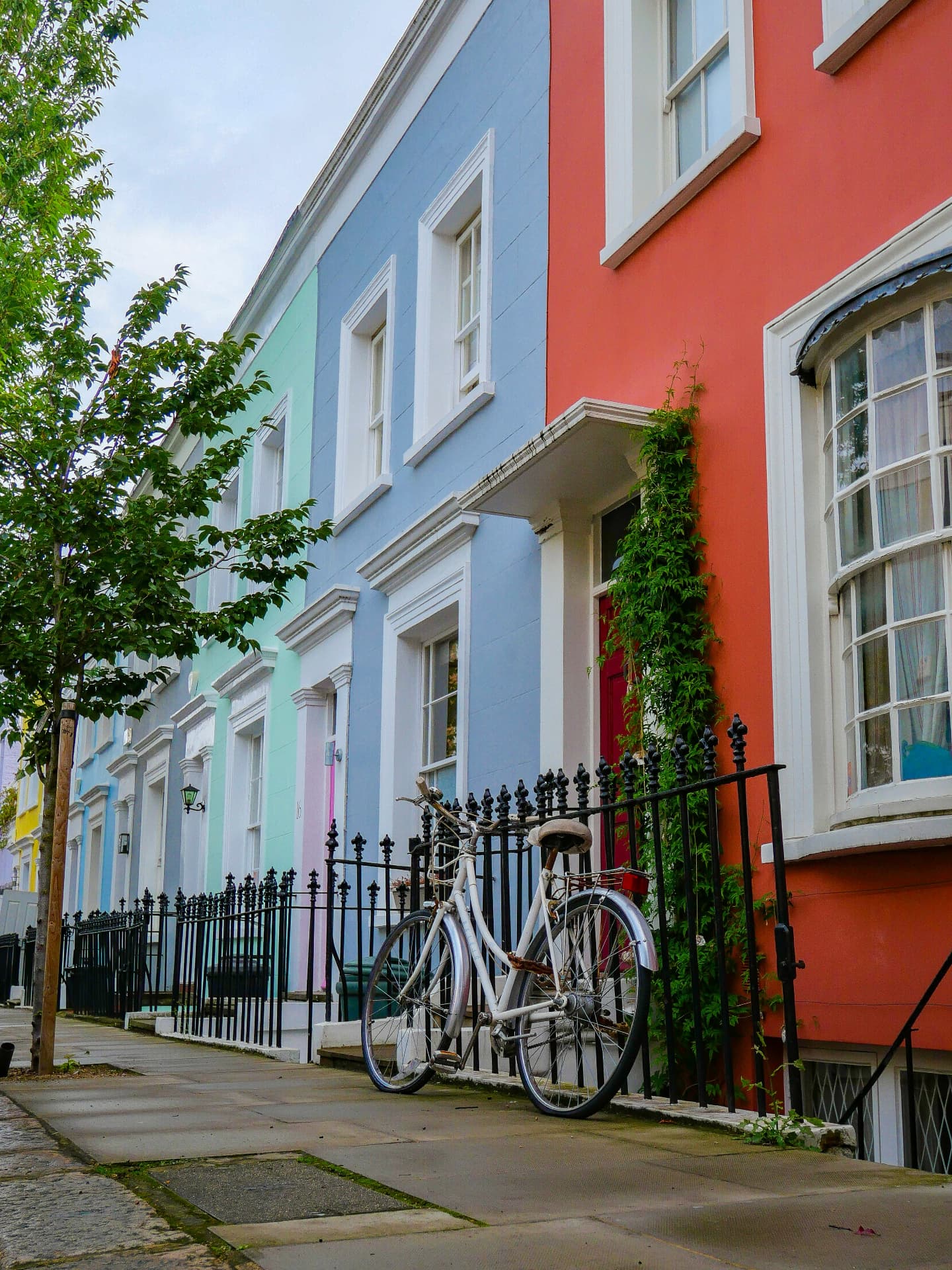
Mayfair house prices remain amongst the most prestigious in the capital, with HM Land Registry data revealing a median sale price of £4.5 million across 31 recorded transactions in the latest reporting period. As one of London's most celebrated addresses, Mayfair continues to command exceptional values that reflect its unrivalled position at the heart of the West End. Our team has analysed the latest market data to provide a comprehensive overview of property values across this storied neighbourhood, from elegant mansion flats to grand townhouses that have housed aristocracy, ambassadors and industry leaders for generations.
Current Average House Price in Mayfair
The average house price in Mayfair sits at a median of £4.5 million according to the most recent HM Land Registry Price Paid Data, though this figure masks considerable variation across property types and streets. Flats represented the majority of transactions with 19 sales at a median of £3.95 million, whilst terraced houses commanded £6.125 million at the median across two recorded sales.
The spread of Mayfair property prices demonstrates the neighbourhood's diverse housing stock. Flats ranged from £632,000 to £16.1 million, illustrating that whilst Mayfair is synonymous with ultra-prime real estate, opportunities exist across different price brackets. The 'other' category—encompassing commercial conversions, mixed-use properties and unique assets—showed the widest variance, from £195,000 to £62 million, reflecting transactions that include everything from parking spaces to landmark buildings.
These Mayfair sold prices represent exceptional value for buyers seeking a W1 postcode that delivers incomparable prestige. The concentration of Michelin-starred restaurants, members' clubs, luxury retailers along Bond Street and Berkeley Square, and Georgian architecture creates a living environment that cannot be replicated elsewhere in the capital. For those exploring opportunities in this market, our [Mayfair property listings](/property-for-sale/mayfair) showcase the current selection available through our team.
When analysing year-on-year trends, we observe that Mayfair maintains resilience even during broader market corrections. The limited supply of properties—constrained by conservation areas, listed buildings and long-term ownership by family estates—ensures that demand consistently outstrips availability, supporting price stability at the upper end of the London market.
Property Types and Price Ranges
Flats dominate the Mayfair housing landscape, accounting for 61% of recent transactions. These range from lateral apartments in purpose-built mansion blocks along Park Lane and Curzon Street to duplex penthouses offering exceptional ceiling heights and period features. The £3.95 million median for flats reflects the premium attached to addresses within Mayfair's most coveted garden squares and streets with historical significance.
Terraced houses, whilst fewer in number with only two sales recorded, demonstrate the scarcity value of freehold houses in this neighbourhood. The £4 million to £8.25 million range represents both mews conversions and traditional townhouses, many retaining original features from the 18th and 19th centuries when the Grosvenor Estate first developed the area. These properties typically offer four to six bedrooms across multiple floors, with many benefiting from private gardens—a genuine rarity in central London.
The 'other' category reveals Mayfair's commercial dimension, encompassing gallery spaces, office conversions and mixed-use buildings that reflect the neighbourhood's role as both residential enclave and international business hub. Transactions at the upper end often involve investors acquiring buildings for refurbishment or conversion under permitted development rights, whilst lower-value entries may represent parking spaces, storage units or share-of-freehold transactions.
For investors considering the rental market, understanding both capital values and income potential proves essential. Our [letting services in Mayfair](/let-your-property/mayfair) support landlords navigating the prime central London rental sector, where tenant demand remains robust despite regulatory changes affecting the broader market.
Rental Market in Mayfair
According to ONS rental data, a studio flat in Mayfair commands between £7,075 and £11,050 per month, immediately establishing the premium nature of the rental market. One-bedroom apartments range from £9,325 to £14,575 monthly, whilst two-bedroom properties span £12,725 to £19,875—figures that reflect not merely square footage but the intangible value of a Mayfair address.
Larger family accommodation commands substantial rents, with three-bedroom properties ranging from £16,975 to £26,500 per month, and four-bedroom homes between £22,625 and £35,325. For the most expansive residences with five or more bedrooms, monthly rents extend from £29,700 to £46,375, typically securing houses with private gardens, staff accommodation and entertaining space befitting corporate relocations and diplomatic tenancies.
The rental demographic in Mayfair differs markedly from other London neighbourhoods. Tenants frequently include international executives on fixed-term assignments, entrepreneurs requiring proximity to Mayfair's concentration of private equity and wealth management firms, and diplomats posted to the numerous embassies clustered around Grosvenor Square and its environs. This tenant profile values security, discretion and building quality above all considerations.
Walkability defines much of Mayfair's appeal to renters. Residents access Third Space Mayfair and Virgin Active Mayfair for wellness facilities, whilst the neighbourhood's acclaimed pub culture—from historic establishments like The Punchbowl to contemporary venues—provides social infrastructure within minutes of most residences. The ability to conduct business, socialise and maintain wellness routines without leaving W1 represents genuine luxury in an increasingly time-poor world.
Talk to Seymont
What's your home worth?
A considered view on price, timing and how to bring your London home to market — a personal reply within 24 hours.
Your property
Step 1 of 2What Makes Mayfair London Distinctive
Mayfair London occupies a unique position as the capital's most enduringly fashionable neighbourhood, bounded by Oxford Street to the north, Regent Street to the east, Piccadilly to the south and Park Lane to the west. This geographical concentration within the West End places residents at the epicentre of London's luxury ecosystem, with immediate access to Royal Parks, world-class auction houses, and retail destinations that define British elegance.
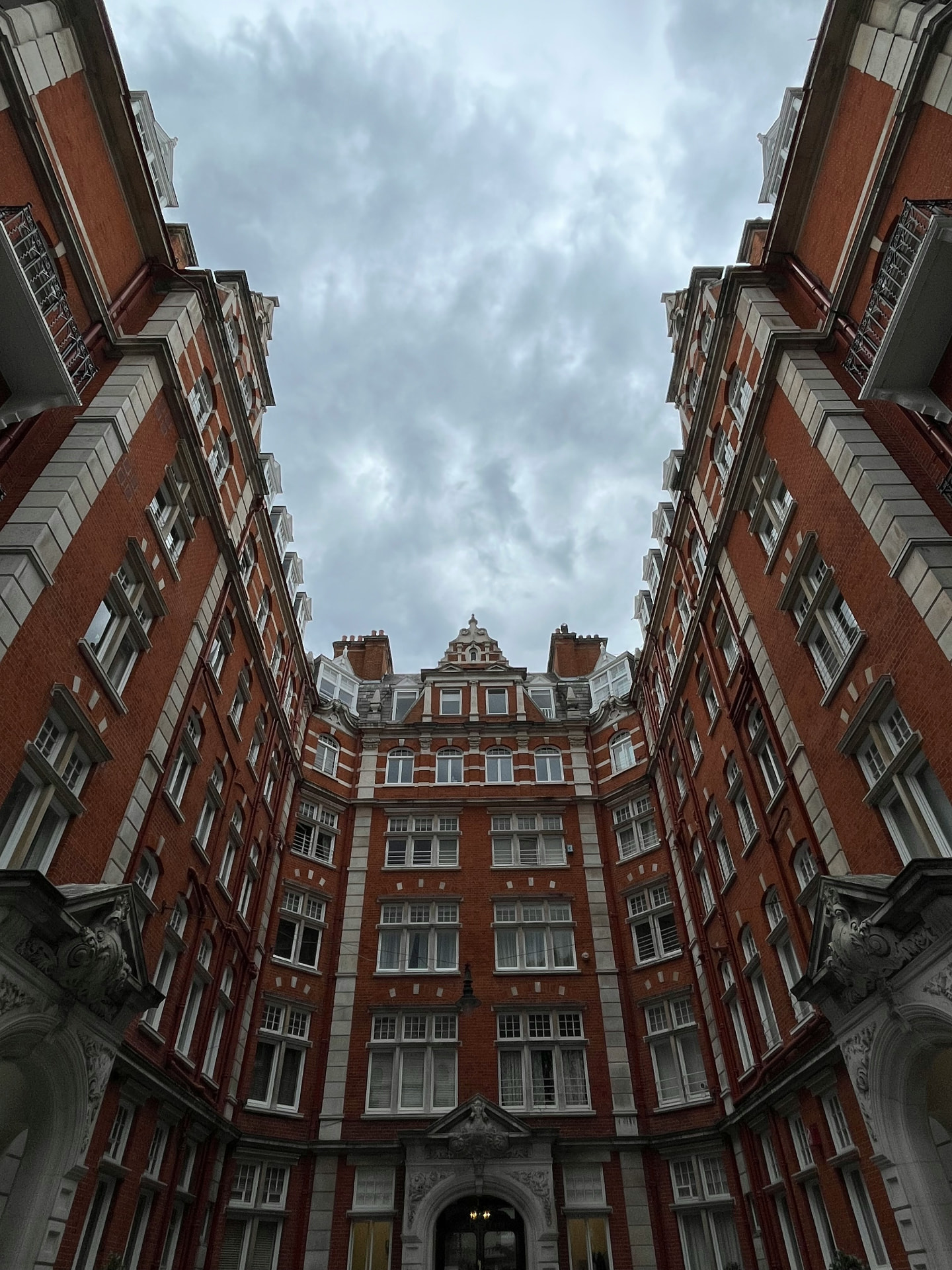
The architectural heritage distinguishes Mayfair from newer developments elsewhere in prime central London. Georgian townhouses with classical proportions line streets laid out in the early 18th century, whilst red-brick mansion blocks from the Edwardian era provide gracious apartment living with porter service and communal gardens. Conservation area protections ensure that the streetscape retains its historical character, preventing the wholesale redevelopment that has transformed neighbouring districts.
Mayfair's club culture remains central to its social fabric. Establishments ranging from traditional gentlemen's clubs on Pall Mall's northern reaches to contemporary private members' clubs throughout the neighbourhood create networks that extend far beyond property transactions. This club ecosystem, combined with bar culture in Mayfair venues and Michelin-starred dining, generates a village atmosphere paradoxically located in central London's most international postcode.
The commercial vitality of Mayfair supports residential desirability rather than detracting from it. Art galleries along Cork Street and Bruton Street, bespoke tailors on Savile Row, and jewellers clustered around Bond Street create a daytime population that ensures security, maintains property values and provides services unmatched elsewhere in the capital. For buyers evaluating Mayfair against alternative prime London locations, our [estate agency services](/estate-agents/mayfair) provide local expertise spanning decades of market cycles.

Market Outlook and Investment Considerations
The 31 transactions recorded in the latest HM Land Registry data represent a selective market where properties trade relatively infrequently compared to outer London boroughs. This limited supply underpins price resilience, as the pool of potential Mayfair properties remains constrained by planning regulations, family ownership patterns and the simple fact that no additional land exists within the neighbourhood's historic boundaries.
Buyers entering the Mayfair market in 2026 benefit from a landscape where sold house prices reflect genuine transactions rather than speculative listings. The properties that do reach the market typically require either modernisation to contemporary standards or represent rare opportunities when estates are settled or international owners reposition portfolios. This creates a market where well-presented homes in prime streets achieve competitive bidding, whilst those requiring substantial refurbishment trade at discounts that reflect the complexity of executing works within listed buildings and conservation areas.
For those seeking to understand whether Mayfair represents sound investment, the answer depends entirely upon investment horizon and objectives. Short-term speculation proves challenging given transaction costs including stamp duty at upper rates, but medium to long-term holders benefit from an asset class that has demonstrated remarkable resilience across economic cycles. The neighbourhood's reputation, established over three centuries, provides a foundation that newer developments cannot replicate within any foreseeable timeframe.
International buyers continue to view Mayfair as a safe haven for capital, with the combination of British property law, stable governance and global prestige creating sustained demand regardless of currency fluctuations or domestic economic conditions. This international dimension, combined with domestic demand from families seeking lateral living space in central London, ensures a deep buyer pool that supports market liquidity even at price points that would be considered illiquid in less established neighbourhoods. Our [house price analysis](/house-prices/mayfair) provides ongoing market intelligence for those monitoring value trends across the area.
Talk to Seymont
What's your home worth?
A considered view on price, timing and how to bring your London home to market — a personal reply within 24 hours.
Your property
Step 1 of 2About the author
Julian ReyesLicensed Real Estate Agent
Julian has spent eleven years handling residential sales across west and central London, previously with the independent agencies Harlowe & Vance and Marchmont Row. He runs listings end to end, from pricing and presentation through to negotiating offers and holding chains together to completion. His writing focuses on the practical mechanics of buying and selling a home in a market where timing and preparation decide the outcome.
Licensed estate agent · 11 years in London residential sales
- Residential sales
- First-time buyers
- Offer negotiation
- Chain management
Frequently asked
- What is the average house price in Mayfair in 2026?
- The median house price in Mayfair stands at £4.5 million according to HM Land Registry data, though this varies significantly by property type. Flats recorded a median of £3.95 million across 19 transactions, whilst terraced houses achieved £6.125 million at the median. The range extends from £632,000 to £62 million depending on property type, size and location within the neighbourhood.
- Are there affordable properties available in Mayfair?
- Whilst Mayfair is synonymous with prime property, entry-level opportunities exist, with the lowest flat sale recorded at £632,000 in the latest data. These typically represent smaller apartments, often requiring refurbishment, in buildings on the neighbourhood's periphery. Studios and one-bedroom flats occasionally become available at sub-£1 million price points, though these remain exceptional in a market where the median flat price exceeds £3.9 million.
- How much does it cost to rent in Mayfair?
- ONS data shows Mayfair rental costs ranging from £7,075 to £11,050 monthly for studios, £9,325 to £14,575 for one-bedroom flats, and £12,725 to £19,875 for two-bedroom apartments. Larger family homes command substantially higher rents, with five-bedroom properties ranging from £29,700 to £46,375 per month. These figures reflect Mayfair's position as one of London's most expensive rental markets.
- Why are Mayfair property prices so high?
- Mayfair's exceptional property prices reflect its unique combination of central West End location, architectural heritage, limited housing stock and international prestige. The neighbourhood's bounded geography means supply cannot expand, whilst conservation protections preserve its Georgian and Victorian character. Proximity to Royal Parks, luxury retail, Michelin-starred dining, private members' clubs and major business districts creates unparalleled lifestyle convenience that sustains demand from both domestic and international buyers.
- Is Mayfair a good area for property investment?
- Mayfair represents a secure long-term investment for those able to meet the substantial entry costs and hold through market cycles. The area's three-century reputation, constrained supply and sustained international demand provide resilience during market corrections. However, high stamp duty, management costs and the possibility of extended void periods mean investors should focus on capital preservation and long-term appreciation rather than immediate rental yields, which typically range from 2-3% gross in prime central London locations.