Journal
Buy Luxury Apartment London: Expert Local Guide
Written by Amara Bennett · Property Market Analyst
Published 15 October 2025 · Updated 28 October 2025 · 3 min read
The short answer
If you're looking to buy luxury apartment London, you're entering one of the world's most competitive property markets—but also one of the most rewarding. Our team works daily with buyers seeking exceptional homes across the capital's prime postcodes, and we've learned what separates a successful purchase from months of frustration.
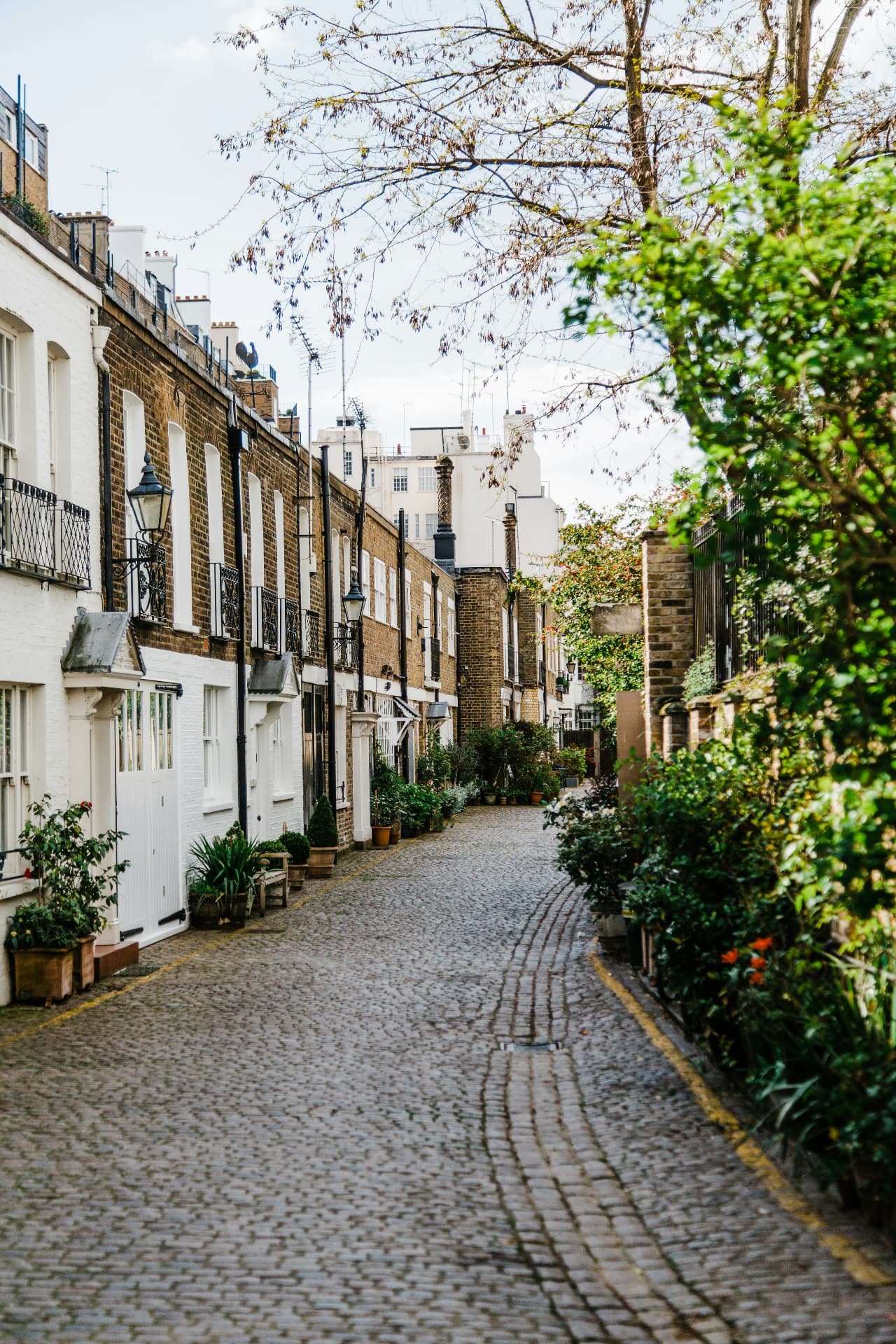
If you're looking to buy luxury apartment London, you're entering one of the world's most competitive property markets—but also one of the most rewarding. Our team works daily with buyers seeking exceptional homes across the capital's prime postcodes, and we've learned what separates a successful purchase from months of frustration. This guide distils that experience into practical advice: where to focus your search, what luxury actually costs right now, and how to move quickly when the right property appears.
Where to buy luxury apartment London: the prime postcodes
Mayfair remains the gold standard for lateral living, with mansion flats and purpose-built blocks offering high ceilings, porter service, and that W1 cachet. We regularly show properties around Grosvenor Square and Mount Street, where buyers appreciate the blend of heritage architecture and Michelin-starred dining on the doorstep. Our /estate-agents/mayfair team can talk you through inventory in detail, because stock here turns over quietly—often before public listing.
Knightsbridge and Belgravia deliver similar prestige with a slightly more residential feel, especially south of Hyde Park. Marylebone and Fitzrovia have grown in popularity for buyers who want luxury without the formality: think roof terraces, boutique developments, and walkable village high streets. South Bank and Bankside now compete seriously for river views, while Shoreditch and Clerkenwell attract those after industrial conversions with character.
What you'll pay in 2024
HM Land Registry data shows prime central London apartment prices averaging £1,400–£2,200 per square foot in the twelve months to September 2024, though headline figures mask significant variation by building, aspect, and condition. A two-bedroom lateral in a portered Mayfair block typically starts around £2.5 million; penthouse living begins closer to £5 million and rises steeply from there.
New-build developments command a premium for warranties, smart-home systems, and amenities like gyms and concierge, but we often see better value per square foot in well-maintained 1990s and early-2000s schemes. If you're serious about understanding real transaction prices in your target postcode, our /sold-prices tool pulls completed sales so you can benchmark asking prices against what actually changed hands.
How to buy luxury apartment London successfully
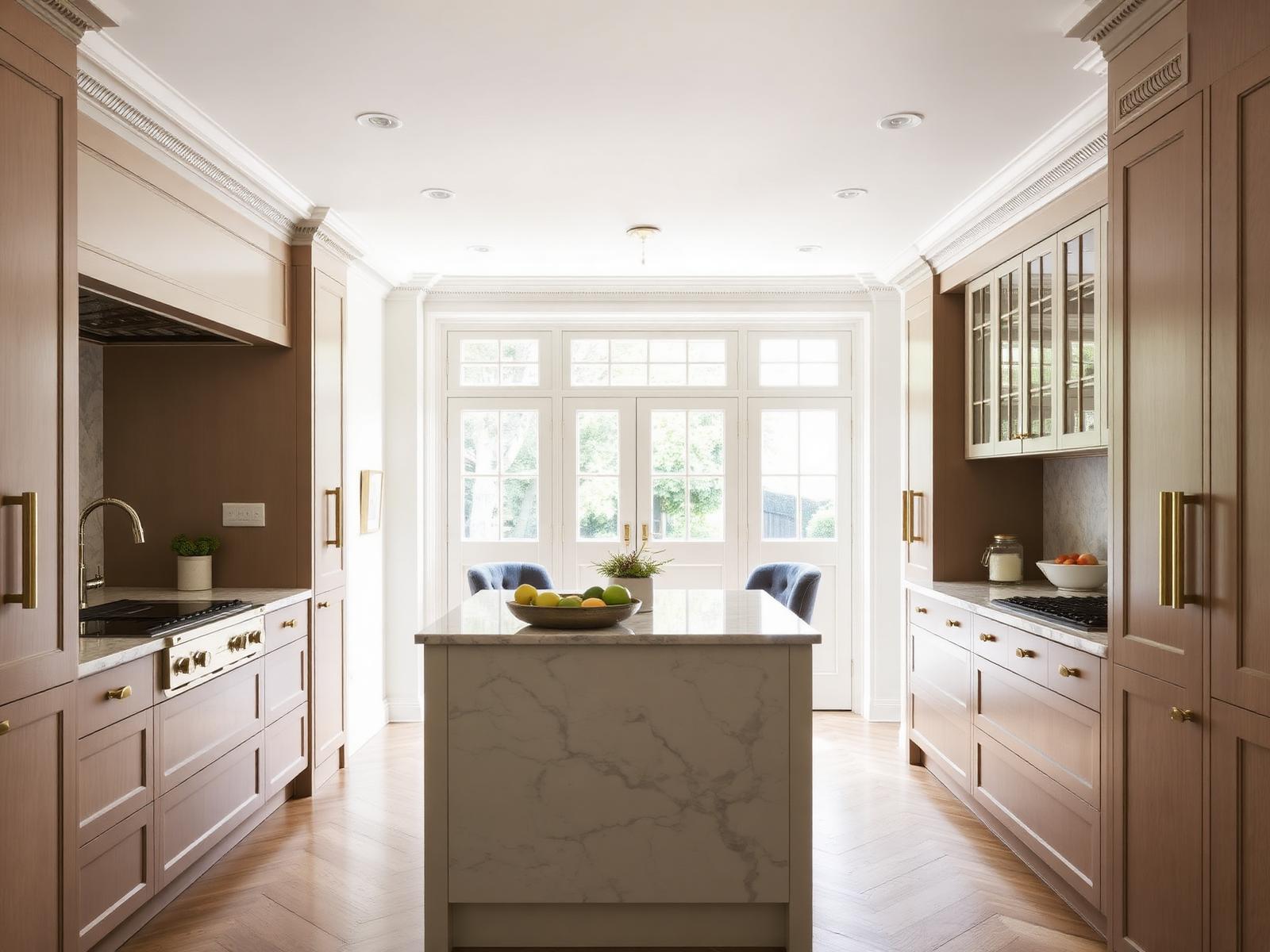
Speed and preparation win in this market. The best luxury apartments rarely make it to the portals; they're shared among a tight network of agents and introduced to vetted buyers first. Register your interest clearly—budget, must-haves, and timeline—so agents know you're decision-ready. Proof of funds and a mortgage agreement in principle (if applicable) should be in hand before you view anything seriously.
When you find the right property, instruct solicitors and surveyors immediately. Luxury leasehold purchases come with additional due diligence: service-charge history, reserve-fund health, planned major works, and lease length all matter. We've seen deals collapse because buyers didn't budget for a £15,000 annual service charge or realised too late that the lease had 80 years remaining. If you want a clear-eyed view of what a property is worth before you offer, our /valuation service gives you that baseline.
Talk to Seymont
What's your home worth?
A considered view on price, timing and how to bring your London home to market — a personal reply within 24 hours.
Your property
Step 1 of 2The hidden details that matter
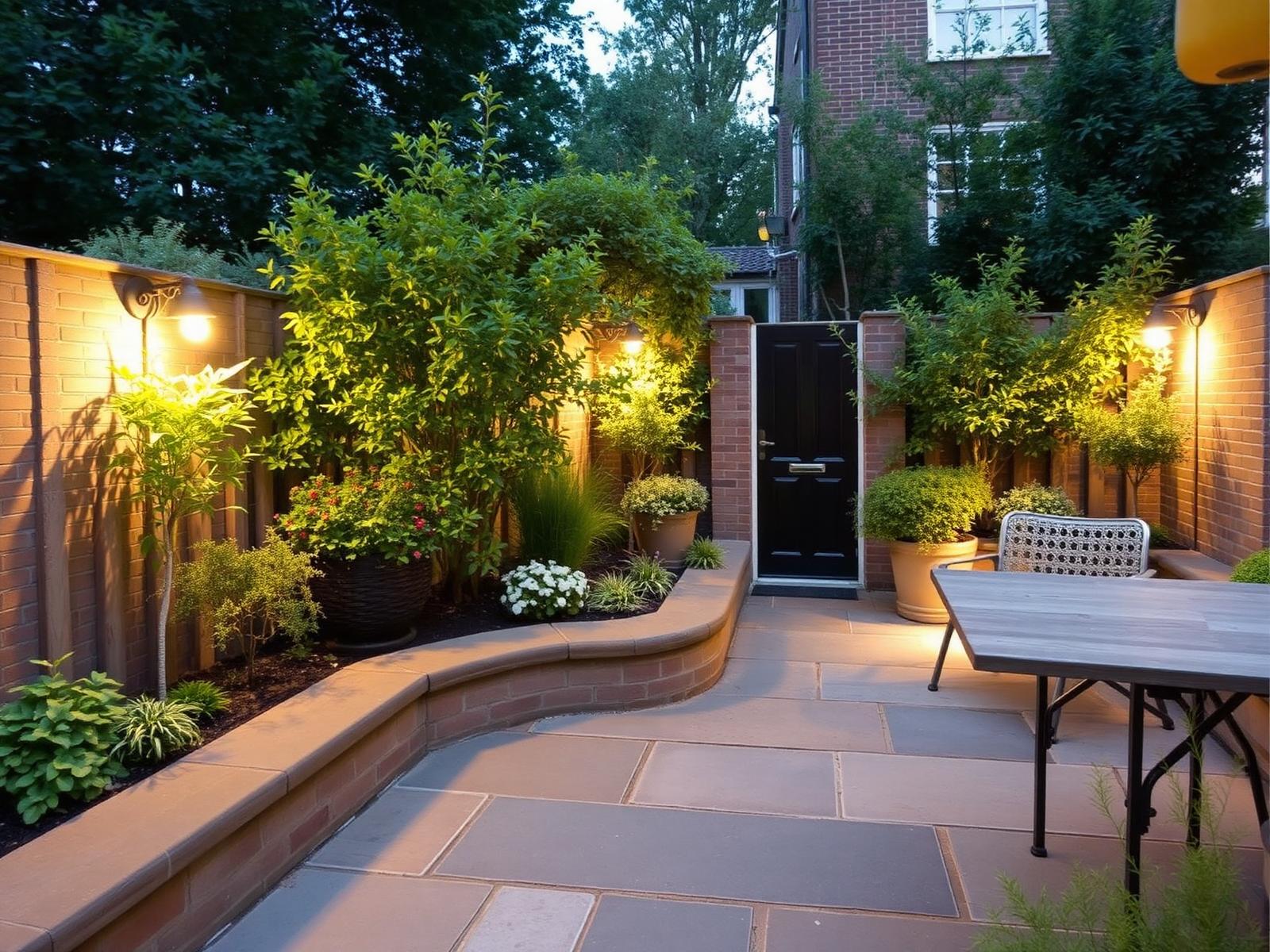
Luxury on paper doesn't always mean luxury in practice. We steer clients toward buildings with experienced, on-site management and a well-funded sinking fund—these are the blocks that stay immaculate and hold value. Parking and storage are surprisingly scarce in central developments; if you need either, confirm availability and cost early.
Aspect transforms how a property lives: south- and west-facing reception rooms make the most of London's limited daylight, while north-facing apartments stay cooler in summer. Floor level matters for noise, privacy, and view, but remember that top floors in older buildings without modern lifts can affect resale. If you browse /property-for-sale/mayfair, you'll notice how these details are flagged—they're not footnotes, they're deal-makers.
Talk to Seymont
What's your home worth?
A considered view on price, timing and how to bring your London home to market — a personal reply within 24 hours.
Your property
Step 1 of 2About the author
Amara BennettProperty Market Analyst
Amara spent seven years as a market analyst at Kestrel Lane Research, a small London property consultancy, before joining our editorial desk. She reads sold-price and rental data street by street to explain how individual London postcode districts actually behave, and reviews every price figure we publish. Her focus is separating headline national averages from what a specific address is worth today.
MSc Real Estate Economics · Seven years in property market research
- Valuations
- Local market data
- Sold prices
- Pricing strategy
Frequently asked
- What counts as a luxury apartment in London?
- Luxury typically means porter or concierge service, high-specification finishes, generous ceiling heights (2.7m+), well-managed communal areas, and prime location. Purpose-built blocks in Mayfair, Knightsbridge, and Belgravia set the benchmark, but boutique new-builds and mansion-flat conversions elsewhere can qualify if specification and service match.
- Do I need a buyer's agent to buy luxury apartment London?
- Not essential, but many buyers use one for off-market access and negotiation leverage. If you're time-poor or unfamiliar with London's micro-markets, a good buyer's agent earns their fee by filtering inventory and steering you away from overpriced stock.
- How long does a luxury apartment purchase take?
- Eight to twelve weeks is typical for a leasehold transaction with no chain, assuming your solicitor and surveyor are experienced in prime property. Delays usually stem from incomplete lease documentation, slow freeholder responses, or management-company queries.
- Are luxury apartments a good investment?
- Prime central London has historically shown resilience over ten-year cycles, but short-term volatility exists. Stamp duty, service charges, and ground rent erode yield, so most buyers prioritise lifestyle and capital preservation over income. Always model total cost of ownership before committing.
- What are typical service charges for luxury apartments?
- Expect £5–£15 per square foot annually in well-managed prime blocks, covering porter, maintenance, buildings insurance, and communal utilities. Exceptional buildings with pools, spas, or 24-hour concierge can exceed £20 per square foot. Always request three years of audited accounts before exchange.