Journal
Living in Richmond: Your Complete Area Guide
Written by Julian Reyes · Licensed Real Estate Agent
Published 2 October 2025 · Updated 27 June 2026 · 6 min read
The short answer
Few London locations capture the imagination quite like Richmond. When considering living in Richmond, you're exploring one of the capital's most distinguished residential areas, where Georgian elegance meets riverside tranquillity and expansive parkland.
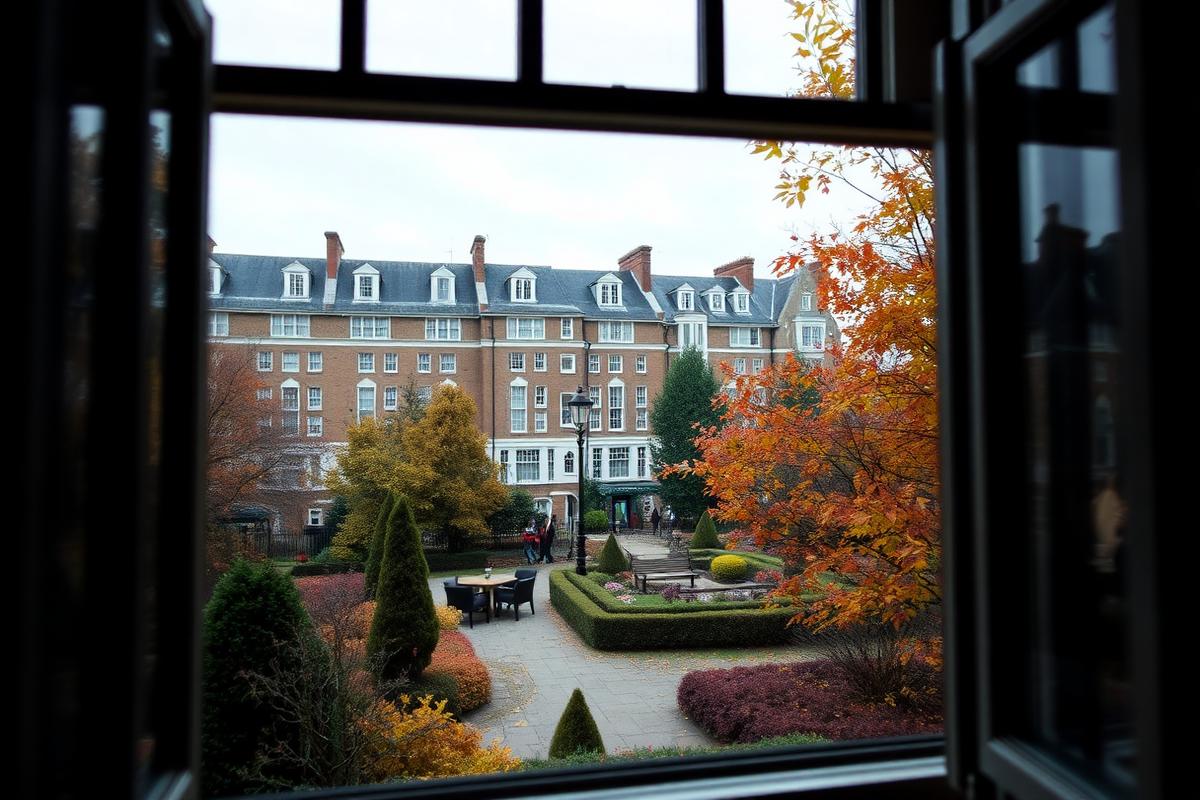
Few London locations capture the imagination quite like Richmond. When considering living in Richmond, you're exploring one of the capital's most distinguished residential areas, where Georgian elegance meets riverside tranquillity and expansive parkland. Our team has watched this Thames-side enclave evolve into one of London's most desirable postcodes, attracting families, professionals and retirees who seek the rare combination of verdant spaces, exceptional schools and excellent connectivity to central London. Richmond offers something genuinely unique: a village atmosphere within easy reach of the capital's commercial heart, wrapped in royal heritage and natural beauty.
What Is Richmond Like?
Richmond presents an immediately striking character from the moment you arrive. The town centre radiates from Richmond Green, a sprawling open space flanked by handsome Georgian townhouses, independent boutiques and traditional pubs that have served the community for centuries. This isn't the London of glass towers and relentless urbanity; instead, Richmond retains a market-town sensibility whilst offering everything you'd expect from a sophisticated metropolitan neighbourhood.
The area's defining feature remains Richmond Park, Europe's largest urban walled park, where herds of red and fallow deer roam freely across more than 2,500 acres. Weekend mornings see joggers, cyclists and families exploring the woodland trails, whilst Richmond Golf Club offers one of the capital's finest courses within the park boundaries. Richmond Park Golf Club attracts enthusiasts from across London, testament to the area's sporting credentials.
Along the Thames, the riverside walk stretches in both directions, passing elegant riverside houses and leading to the historic towpath towards Twickenham and beyond. The view from Richmond Hill, protected by an Act of Parliament since 1902, sweeps across the Thames valley in a panorama that has inspired artists for centuries. This is what Richmond is like: a place where history, nature and contemporary living intertwine seamlessly.
Richmond's retail and dining scene has matured considerably, with established names sitting alongside independent cafés, wine bars and restaurants. The high street feels refreshingly unhurried compared to central London, yet the quality of offerings rivals anywhere in the capital. From farmers' markets on Richmond Green to artisan bakeries and specialist food shops, the area caters to discerning tastes without pretension.
The Richmond Lifestyle
The Richmond lifestyle centres on a rare equilibrium between urban convenience and semi-rural tranquillity. Families gravitate here for outstanding state and independent schools, green spaces for children to explore, and a genuine sense of community that survives despite London's sprawl. We've observed that residents here tend to stay longer than in many London neighbourhoods, forming lasting connections through schools, sports clubs and local societies.
Cultural life thrives, with Richmond Theatre presenting West End productions and performances throughout the year. The Riverside complex offers cinema, dining and entertainment on the Thames, whilst the Orange Tree Theatre has built a national reputation for new writing and intimate productions. Museums, galleries and regular arts festivals ensure there's always something to discover.
Outdoor pursuits define much of Richmond's appeal. Beyond Richmond Park, Kew Gardens lies just upstream, offering world-class botanical collections. The Thames Path provides traffic-free walking and cycling routes, and rowing clubs have operated from Richmond's banks for generations. Saturday mornings might involve parkrun in the park, browsing the farmers' market, then lunch overlooking the river—a rhythm that feels worlds away from the typical London weekend.
The demographic mix spans young professionals in riverside flats, established families in Victorian terraces around the town centre, and downsizers seeking period houses with gardens. This diversity creates a balanced, year-round community rather than a dormitory suburb. Local pubs in Richmond maintain their traditional character whilst serving excellent food, and the social scene feels inclusive rather than exclusive.
Richmond Transport and Connectivity
Richmond transport links provide the essential connection that makes suburban living practical for those working in central London. The District Line delivers direct Underground services to key destinations including Earl's Court, South Kensington, Victoria and Westminster, with typical journey times to the West End of around 35 minutes. This Tube access distinguishes Richmond from many equally attractive riverside locations.
Overground services from Richmond station complement the Underground, with South Western Railway trains reaching Waterloo in approximately 20 minutes during peak hours. This dual provision means genuine redundancy; if one service experiences disruption, alternatives exist. The station itself sits conveniently close to the town centre, making the commute genuinely practical.
Road connections via the A316 and A205 provide relatively swift access to the M3, M4 and M25, making Richmond a sensible base for those whose work involves travel beyond London. The proximity to Heathrow—around 30 minutes by road—proves invaluable for frequent flyers. Bus routes serve the local area comprehensively, though many residents find Richmond compact enough for walking or cycling to handle most daily errands.
We've noticed that Richmond's transport infrastructure supports flexible working patterns particularly well. The reliable connections mean you can reach central London for important meetings without the punishing daily commute that defines life in more remote suburbs, yet you're home in time to enjoy Richmond Park before dusk.
Talk to Seymont
What's your home worth?
A considered view on price, timing and how to bring your London home to market — a personal reply within 24 hours.
Your property
Step 1 of 2Property in Richmond
The Richmond property market reflects the area's enduring appeal and limited supply. Period Georgian and Victorian houses command premium prices, particularly those around Richmond Green and the riverside. Substantial family homes, many with gardens that are generous by London standards, attract buyers seeking long-term family residences. Those searching for a Richmond house will find architectural variety, from elegant terraces to substantial detached properties in roads like Richmond Avenue, where mature trees and spacious plots create an almost suburban atmosphere.
Flats and apartments range from mansion conversions to modern riverside developments. For those looking for a flat to rent in London with village character and green spaces, Richmond presents compelling options, though rental demand remains consistently high. The market sees steady interest in houses for sale in London from buyers relocating from more central postcodes, seeking gardens and schools without sacrificing connectivity.
Richmond Surrey—the area technically sits within the London Borough of Richmond upon Thames, though historically Surrey—continues to attract attention in property searches, reflecting some confusion about administrative boundaries. What matters more than postcodes is the quality of life the location delivers. We maintain comprehensive listings at our [Richmond estate agents](/estate-agents/richmond) office, and our team can guide you through current [property for sale in Richmond](/property-for-sale/richmond).
Understanding [house prices in Richmond](/house-prices/richmond) requires acknowledging that this remains one of London's most expensive residential areas, reflecting the combination of space, schools, transport and environment. For property owners considering their options, our [letting services in Richmond](/let-your-property/richmond) provide expert guidance on the robust rental market. Though we cannot provide specific median price data for the most recent period, HM Land Registry historical data and ONS rental statistics confirm Richmond's position as a premium London location with prices reflecting sustained demand.
Schools, Shopping and Daily Life
Richmond's educational provision ranks among London's finest, with outstanding state primary and secondary schools alongside prestigious independent options. This educational excellence drives much of the family demand, and catchment areas for popular schools significantly influence property desirability. Our team regularly works with families relocating specifically to access Richmond's schools, and we understand how critical proximity to preferred institutions can be.
Daily shopping needs are met comprehensively within walking distance for most residents. Supermarkets include Waitrose and M&S Food, reflecting the local demographic, whilst independent butchers, fishmongers and delicatessens provide specialist provisions. The twice-weekly market on Richmond Green brings fresh produce and artisan goods, and the area has avoided the clone-town homogeneity affecting many suburbs.
Healthcare facilities include a modern hospital, numerous GP practices and dental surgeries. Libraries, sports centres and community facilities serve the borough well. For everyday banking, services and amenities, Richmond functions as a self-contained town; you rarely need to travel elsewhere for routine requirements.
The combination of these practical elements with Richmond's aesthetic and environmental qualities explains why the area maintains such consistent appeal across generations. This isn't a fashionable neighbourhood enjoying a temporary moment; Richmond has remained desirable for decades, and nothing suggests that changing.
Talk to Seymont
What's your home worth?
A considered view on price, timing and how to bring your London home to market — a personal reply within 24 hours.
Your property
Step 1 of 2About the author
Julian ReyesLicensed Real Estate Agent
Julian has spent eleven years handling residential sales across west and central London, previously with the independent agencies Harlowe & Vance and Marchmont Row. He runs listings end to end, from pricing and presentation through to negotiating offers and holding chains together to completion. His writing focuses on the practical mechanics of buying and selling a home in a market where timing and preparation decide the outcome.
Licensed estate agent · 11 years in London residential sales
- Residential sales
- First-time buyers
- Offer negotiation
- Chain management
Frequently asked
- Is Richmond considered part of London or Surrey?
- Richmond sits within the London Borough of Richmond upon Thames and is officially part of Greater London, though historically it was in Surrey. Some property searches still reference Richmond Surrey due to this heritage, but administratively it has been part of London since 1965. The area benefits from London transport connections whilst retaining a character distinct from central London.
- How long does it take to commute from Richmond to central London?
- Richmond offers excellent transport links with journey times of approximately 20 minutes to Waterloo via South Western Railway overground services, and around 35 minutes to Westminster or Victoria via the District Line. The dual provision of Underground and overground services provides flexibility and reliability for commuters.
- What makes Richmond Park special?
- Richmond Park is Europe's largest urban walled park, covering 2,500 acres with ancient woodland, grassland and herds of over 600 red and fallow deer. The park offers walking, cycling and horse riding trails, sports facilities including Richmond Park Golf Club, and Isabella Plantation's famous woodland gardens. The protected view from Richmond Hill provides one of London's most iconic panoramas.
- Are property prices in Richmond significantly higher than other London areas?
- Richmond consistently ranks among London's most expensive residential areas, reflecting the combination of period properties, green spaces, excellent schools and strong transport links. According to HM Land Registry data, prices reflect sustained demand, particularly for family houses with gardens near good schools. The premium reflects quality of life factors that are difficult to find elsewhere in London.
- What is the lifestyle like for families living in Richmond?
- Richmond offers an exceptional family lifestyle centred on green spaces, outstanding schools and community atmosphere. Families enjoy Richmond Park for weekend activities, riverside walks, excellent state and independent schools, and a town centre with shops, restaurants and cultural venues including Richmond Theatre. The area provides a village feel whilst maintaining easy access to central London for work and entertainment.