Journal
Living in Putney: A Complete Guide to SW15
Written by Nina Castellano · Investment Property Advisor
Published 3 April 2026 · Updated 30 May 2026 · 7 min read
The short answer
Nestled along a generous sweep of the Thames, living in Putney offers an enviable combination of riverside village charm and cosmopolitan convenience. This thriving south-west London neighbourhood has evolved into one of the capital's most desirable residential quarters, attracting young professionals, established families and everyone in between.
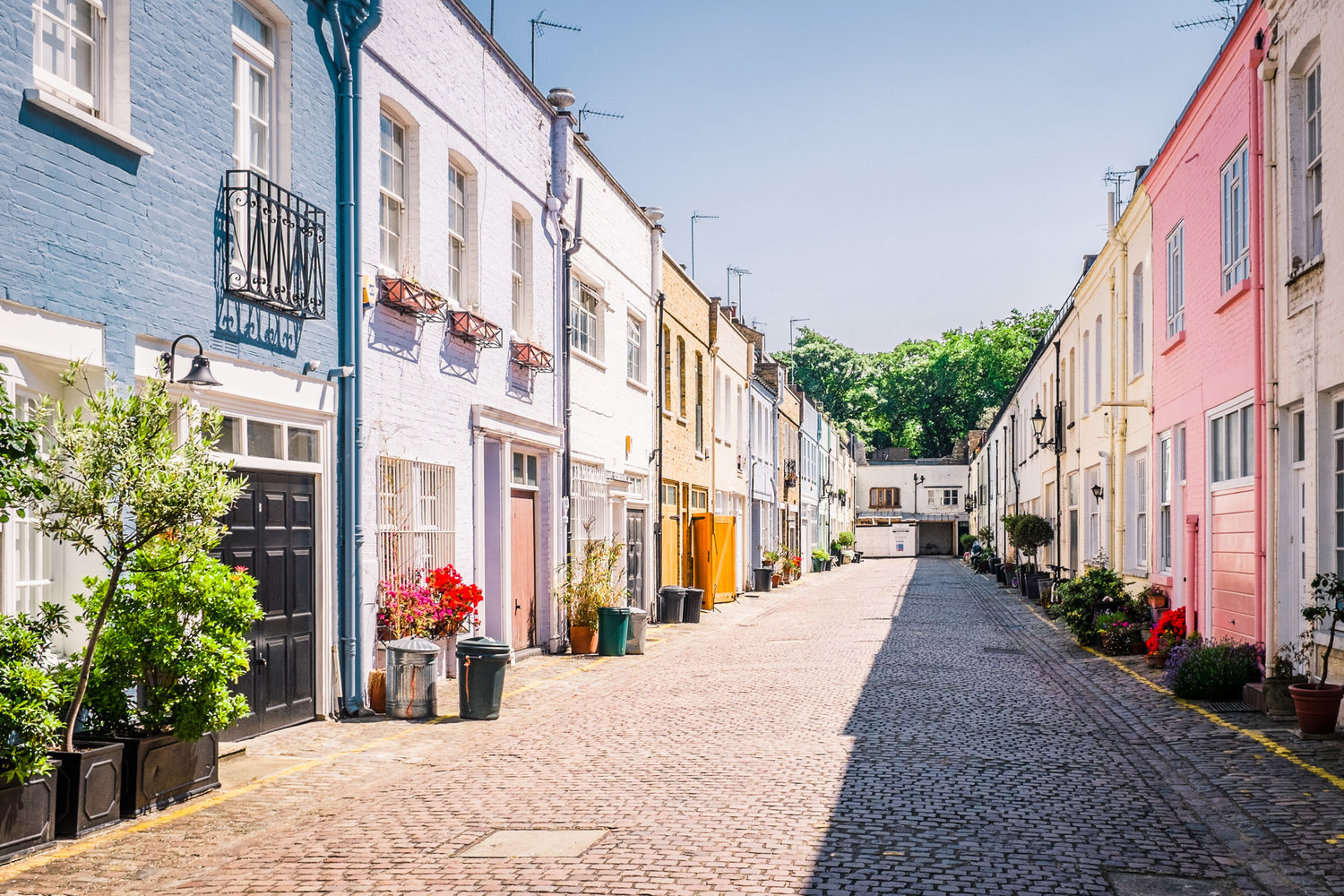
Nestled along a generous sweep of the Thames, living in Putney offers an enviable combination of riverside village charm and cosmopolitan convenience. This thriving south-west London neighbourhood has evolved into one of the capital's most desirable residential quarters, attracting young professionals, established families and everyone in between. Our team has witnessed firsthand how Putney's unique blend of green spaces, independent shops, and excellent transport connections creates a lifestyle that feels both distinctly local and unmistakably London. Whether you're drawn by the famous riverside pubs, the annual Boat Race tradition, or simply the prospect of a well-connected community with genuine character, SW15 rewards closer inspection.
What Is Putney Like? Character and Community
The question of what is Putney like reveals a neighbourhood with multiple personalities, each adding to its considerable appeal. The riverside forms the heart of the area's identity, where the historic Putney Bridge connects south-west London to Fulham and where rowing clubs have shaped local culture for generations. The Thames Path here attracts joggers, cyclists and weekend strollers year-round, whilst the annual Oxford and Cambridge Boat Race transforms the embankment into one of London's great sporting spectacles each spring.
Move inland from the river and you'll discover Putney's thriving high street, where national retailers sit alongside independent boutiques, wine bars and neighbourhood cafés. The Odeon Putney anchors the eastern end of the high street, offering mainstream cinema in a convenient location, whilst the surrounding streets reveal everything from specialist delis to contemporary wine bars in Putney that have become destination venues in their own right. This blend of chain convenience and independent character creates a shopping and dining scene that serves daily needs without sacrificing personality.
Putney Heath extends the area's green credentials to the south, offering 460 acres of protected common land that transitions seamlessly into Wimbledon Common. This vast open space provides an unexpected wilderness on London's doorstep, popular with dog walkers, horse riders and those seeking genuine countryside within Zone 2. The heath's protected status ensures that even as surrounding areas develop, this precious landscape remains untouched—a rare luxury in the capital.
The community itself skews towards affluent professionals and families, with excellent state and independent schools drawing parents from across south-west London. Local groups centred around rowing, tennis, rugby and the various commons foster genuine neighbourhood connections, whilst the area's village-like high street encourages the sort of repeated encounters that build community over time.
Putney Transport: Connectivity Across the Capital
Putney transport links represent one of the area's strongest selling points, with multiple options ensuring swift connections across London and beyond. The District line serves both Putney Bridge and East Putney stations, placing the West End within 25 minutes and the City within 40 minutes during typical journeys. East Putney station sits slightly south of the high street and provides particularly convenient access for residents in the Lower Richmond Road and Felsham Road areas.
Overground services from Putney station deliver direct connections to Waterloo in just 13 minutes, making this the fastest route into central London for many residents. The same station provides services towards Wimbledon and beyond, creating excellent orbital connectivity that doesn't require zone 1 diversions. This dual Underground and Overground provision gives residents genuine routing options—invaluable when service disruptions affect one line.
Bus services blanket the area comprehensively, with routes connecting to Hammersmith, Wandsworth, Richmond, Kingston and numerous points between. Night buses ensure weekend travel remains viable beyond tube hours, whilst the various routes converging on Putney Bridge create a genuine transport hub. For those who drive, the A3 provides rapid access southbound towards the M25 and beyond, whilst westbound routes to Hammersmith, Chiswick and the M4 corridor remain straightforward.
Cyclists benefit from the Thames Path providing largely traffic-free routes both east and west, with CS8 (Cycle Superhighway 8) running through the area towards Westminster. The combination of these transport modes—Underground, Overground, bus, cycle and road—creates the sort of multi-modal flexibility that genuinely reduces car dependency for many households.
The Putney Lifestyle: From Rowing Clubs to Wine Bars
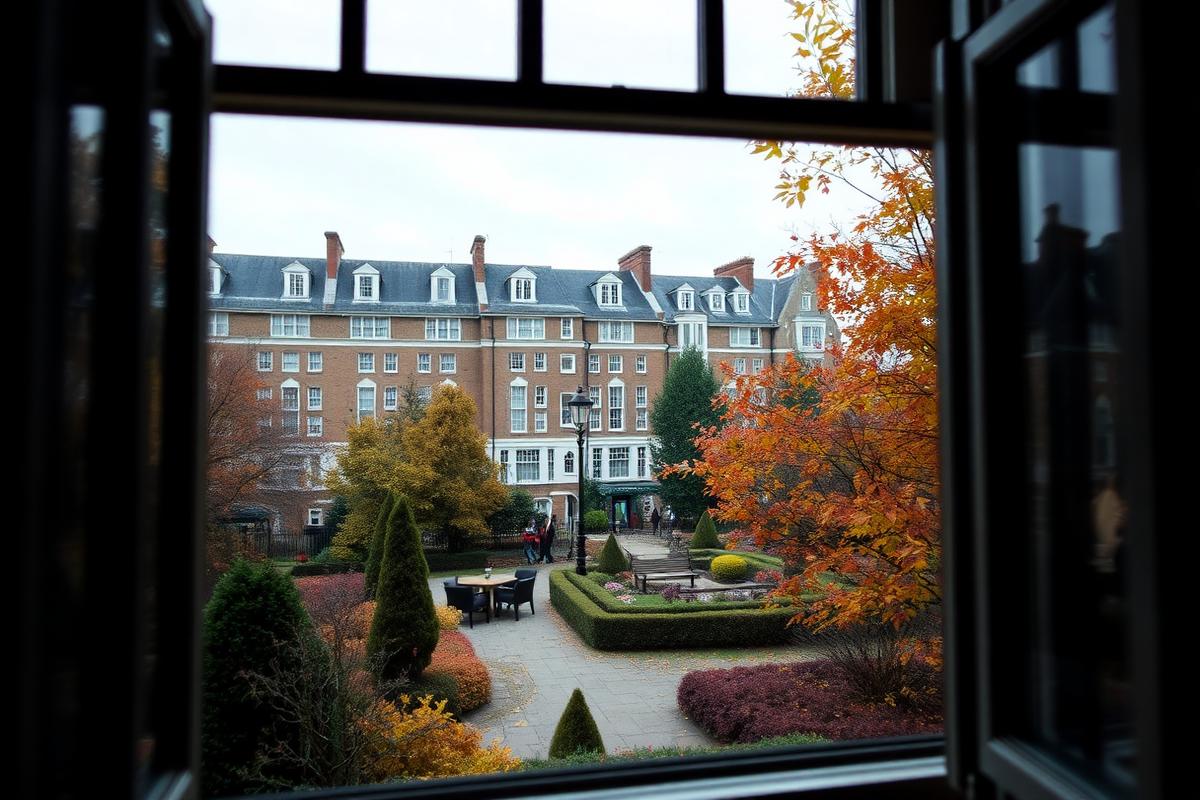
The Putney lifestyle centres substantially on outdoor activity and riverside culture, with rowing forming an integral part of the area's DNA. Numerous clubs line the embankment, from elite squads to social groups welcoming complete beginners, and early mornings see the Thames busy with eights, fours and scullers. This sporting heritage extends beyond the water to the various commons, where football, cricket, tennis and running clubs maintain active memberships year-round.
Dining and drinking options have evolved considerably over recent years, moving beyond traditional gastropubs to embrace contemporary wine bars, international restaurants and specialist coffee shops. The wine bar scene in Putney particularly deserves mention, with several establishments offering carefully curated lists alongside small plates and charcuterie in intimate, neighbourhood settings. The high street supports multiple supermarkets including Waitrose and Sainsbury's, whilst the weekend farmers' market and various specialist food shops cater to more discerning grocery needs.
Families find Putney especially accommodating, with numerous state primaries rated 'Outstanding' by Ofsted and several well-regarded independent schools within easy reach. The combination of green spaces, child-friendly restaurants, and active parent networks creates an environment where raising children feels genuinely supported. For those without school-age children, the riverside pubs, independent cinema offerings beyond the mainstream Odeon Putney, and proximity to central London create ample evening and weekend options.
Cultural life may not rival Shoreditch or Soho, but the area compensates with accessible theatre at the Putney Arts Theatre, regular live music at various venues, and the sort of neighbourhood festivals and markets that foster genuine community participation. The lifestyle here prioritises quality of life—green space, river access, neighbourhood shops—over cutting-edge culture, and for many residents, that balance proves exactly right.
Talk to Seymont
What's your home worth?
A considered view on price, timing and how to bring your London home to market — a personal reply within 24 hours.
Your property
Step 1 of 2Property in Putney: Prices, Types and Opportunities
According to HM Land Registry Price Paid Data, the median property price in Putney currently stands at £570,000 across 255 recent sales, reflecting the area's position as a firmly established, affluent London neighbourhood. Flats dominate the market numerically, representing 172 of these transactions with a median price of £475,000, whilst terraced houses commanded a median of £921,500 across 54 sales. Semi-detached properties achieved a median of £1,450,000 (15 sales), and detached homes reached £1,880,000 (8 sales), with the most substantial properties exceeding £4 million.
The housing stock itself varies considerably across Putney's different quarters. Victorian and Edwardian terraces characterise streets radiating from the high street, offering period features, generous ceiling heights and established gardens. Purpose-built mansion blocks from various eras provide flat accommodation ranging from compact studios to substantial three-bedroom apartments, many with porter services and well-maintained communal areas. More recent developments, including the notable Putney Wharf Tower and various riverside conversions, offer contemporary living with balconies, parking and modern specifications that appeal particularly to downsizers and young professionals.
ONS rental data indicates monthly costs ranging from £900–£1,400 for studios, £1,175–£1,850 for one-bedroom properties, and £1,625–£2,525 for two-bedroom homes. Families seeking three bedrooms should budget £2,150–£3,350 monthly, whilst four-bedroom properties command £2,875–£4,475, and larger family homes require £3,775–£5,875 per month. These figures reflect Putney's desirability and transport connections whilst remaining somewhat below equivalent properties in neighbouring Fulham or Barnes.
Our team at Seymont regularly handles [property for sale in Putney](/property-for-sale/putney) across all price brackets, from first-time buyer flats to substantial family homes on the heath. We've observed particular demand for properties combining period character with modern kitchens and bathrooms—buyers increasingly expect contemporary living standards within traditional architecture. For those exploring [houses for sale across London](/property-for-sale), Putney offers compelling value compared to equivalent neighbourhoods north of the river, whilst maintaining comparable transport times and superior green space access. Investors and landlords considering the rental market can explore our [lettings services in Putney](/let-your-property/putney), where sustained tenant demand and relatively stable yields continue to attract portfolio growth.
Putney's Neighbours: East Putney, Putney Heath and Beyond
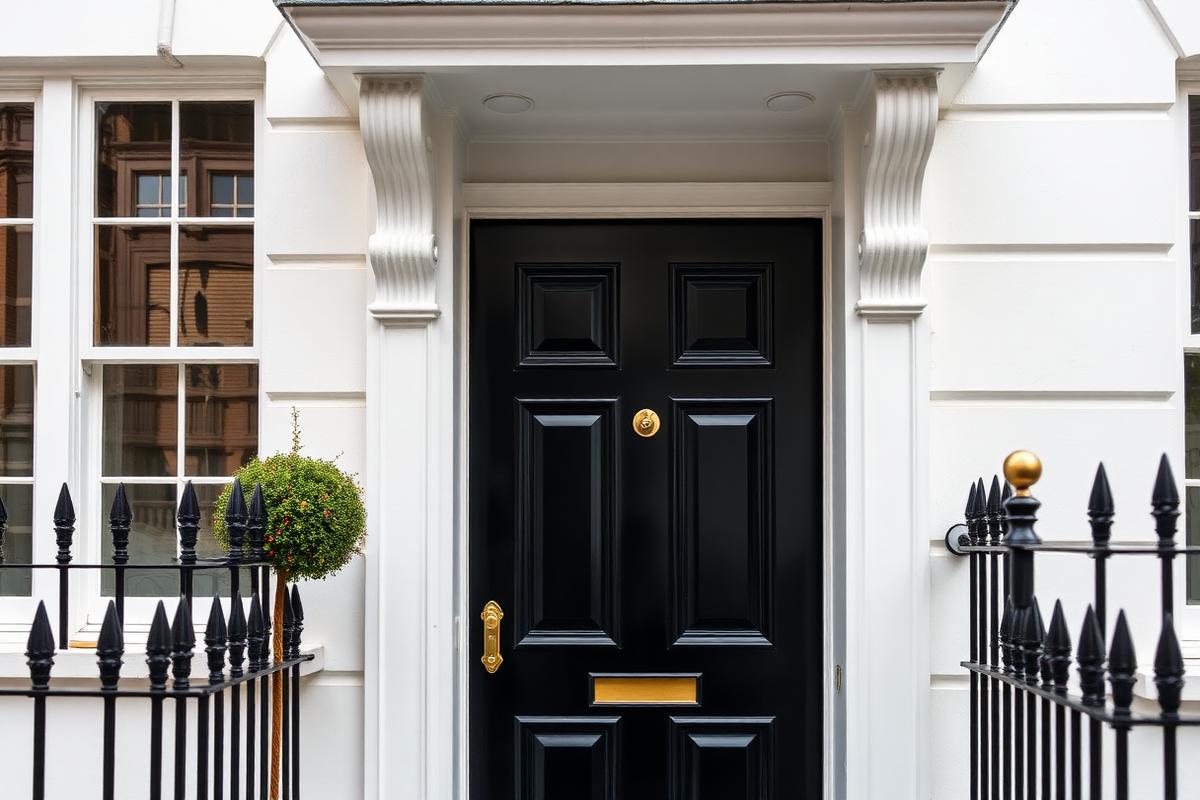
Understanding Putney requires recognising its distinct sub-areas, each with characteristic property stock and atmosphere. East Putney, centred around the Underground station of the same name, offers somewhat more affordable entry points whilst maintaining excellent transport links and easy access to the riverside and commons. The streets here contain a higher proportion of conversion flats and smaller Victorian terraces, attracting first-time buyers and young professionals seeking Zone 2 convenience.
Putney Heath represents the area's most exclusive quarter, where substantial detached and semi-detached homes occupy generous plots bordering the protected common land. Properties here command premium prices but deliver exceptional privacy, green surroundings and a genuinely suburban feel whilst remaining within easy reach of central London. The heath itself provides recreational space that rivals Richmond Park, with ancient woodland, open grassland and bridleways creating an environment that feels entirely removed from urban London.
The riverside between Putney Bridge and the western edges towards Barnes features some of the area's most coveted addresses, where period mansion flats and modern developments alike capitalise on Thames views and embankment access. Properties here attract substantial premiums for river outlooks, particularly those with balconies or terraces overlooking the water. The annual Boat Race transforms these streets into prime viewing territory, adding to the sense of occasion that riverside living provides.
When we discuss [house prices in Putney](/house-prices/putney) with clients, we emphasise how these micro-locations influence values significantly. A Victorian terrace on a quiet residential street near the heath commands different pricing to a comparable property closer to the high street's bustle, whilst riverside flats operate in their own distinct market. Our detailed knowledge of these sub-markets, built through years operating as [estate agents in Putney](/estate-agents/putney), ensures clients achieve optimal pricing whether buying or selling.
Talk to Seymont
What's your home worth?
A considered view on price, timing and how to bring your London home to market — a personal reply within 24 hours.
Your property
Step 1 of 2About the author
Nina CastellanoInvestment Property Advisor
Nina advises landlords and investors on rental yields, tenant demand and portfolio structure across Greater London, after running lettings and management at Bellhouse Property Partners. She has overseen single units and multi-property portfolios, and works through compliance, void periods and running costs before a purchase is agreed. Her articles deal with the numbers behind a buy-to-let rather than the headline gross yield.
Lettings and portfolio management · 9 years in London rentals
- Buy-to-let
- Rental yields
- Portfolio strategy
- Landlord compliance
Frequently asked
- Is Putney a good area to live in London?
- Putney ranks among south-west London's most desirable residential areas, offering riverside location, excellent transport via Underground and Overground, vast green spaces including Putney Heath and the commons, and a genuine village atmosphere despite Zone 2 proximity to central London. The combination of outstanding schools, active community, and comprehensive amenities attracts professionals and families seeking quality of life without sacrificing connectivity.
- How much does it cost to rent in Putney?
- According to ONS data, Putney rental costs range from £900–£1,400 monthly for studios, £1,175–£1,850 for one-bedroom properties, £1,625–£2,525 for two bedrooms, £2,150–£3,350 for three bedrooms, and £2,875–£4,475 for four-bedroom homes. These figures reflect Putney's desirable location, transport links and amenities whilst remaining competitive compared to equivalent north London neighbourhoods.
- How long does it take to commute from Putney to central London?
- Putney offers multiple commuting options: Overground services from Putney station reach Waterloo in approximately 13 minutes, whilst District line services from Putney Bridge or East Putney reach Westminster in around 20 minutes and Liverpool Street in 40 minutes. Bus routes provide additional options, and cycling via the Thames Path offers traffic-free routes into central areas during favourable conditions.
- What is the difference between Putney and East Putney?
- East Putney refers to the area surrounding East Putney Underground station, located slightly south and east of Putney's main high street. The area generally offers more affordable property prices with a higher proportion of conversion flats and smaller Victorian terraces, whilst maintaining excellent transport connections and easy access to both the riverside and commons. The distinction is geographical rather than administrative, with both areas sharing the SW15 postcode.
- Are there good schools in Putney?
- Putney contains numerous highly-rated state primary schools, several with 'Outstanding' Ofsted ratings, alongside well-regarded secondary options and several independent schools. The area's reputation for educational quality attracts families from across south-west London, and the combination of academic options, green spaces, and community facilities makes Putney particularly popular with parents seeking a balanced environment for raising children.