Journal
Living in Little Venice
Written by Nina Castellano · Investment Property Advisor
Published 10 March 2026 · Updated 13 June 2026 · 5 min read
The short answer
Living in Little Venice means waking to the gentle lap of canal water against narrowboats, tree-lined waterways that seem a world away from the capital's bustle, and a village atmosphere that belies its Zone 2 postcode. This enchanting pocket of west London—where the Grand Union and Regent's canals meet—has captivated poets, artists and discerning residents for generations, and today it remains one of the city's most sought-after residential enclaves.
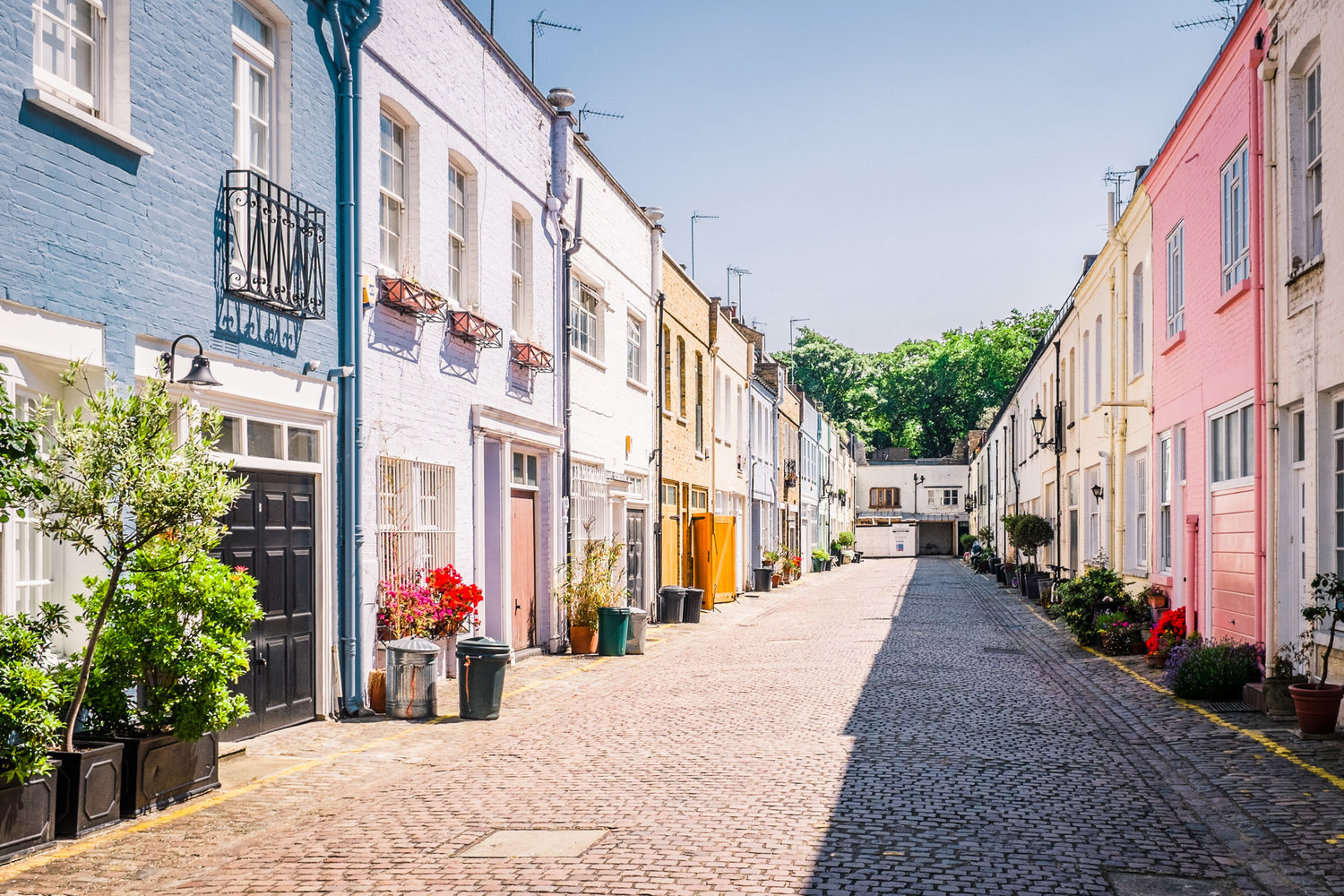
Living in Little Venice means waking to the gentle lap of canal water against narrowboats, tree-lined waterways that seem a world away from the capital's bustle, and a village atmosphere that belies its Zone 2 postcode. This enchanting pocket of west London—where the Grand Union and Regent's canals meet—has captivated poets, artists and discerning residents for generations, and today it remains one of the city's most sought-after residential enclaves. Our team at Seymont London has watched this waterside quarter evolve into a haven for those seeking tranquillity without sacrificing connectivity, and we're here to guide you through everything that makes this neighbourhood so special.
Where Is Little Venice in London?
Little Venice sits at the intersection of Paddington, Maida Vale and Westbourne Green, straddling the W2 and W9 postcodes in the City of Westminster. The area takes its name from the triangular pool—known as Browning's Pool after the poet Robert Browning—where the Regent's Canal meets the Paddington Arm of the Grand Union Canal.
The neighbourhood is bounded roughly by Edgware Road to the east, Westway to the south, and extends west toward Warwick Avenue and north toward Maida Vale. This prime central location means residents enjoy immediate access to Hyde Park, Regent's Park and Primrose Hill, whilst the waterways themselves form natural green corridors that thread through the urban fabric.
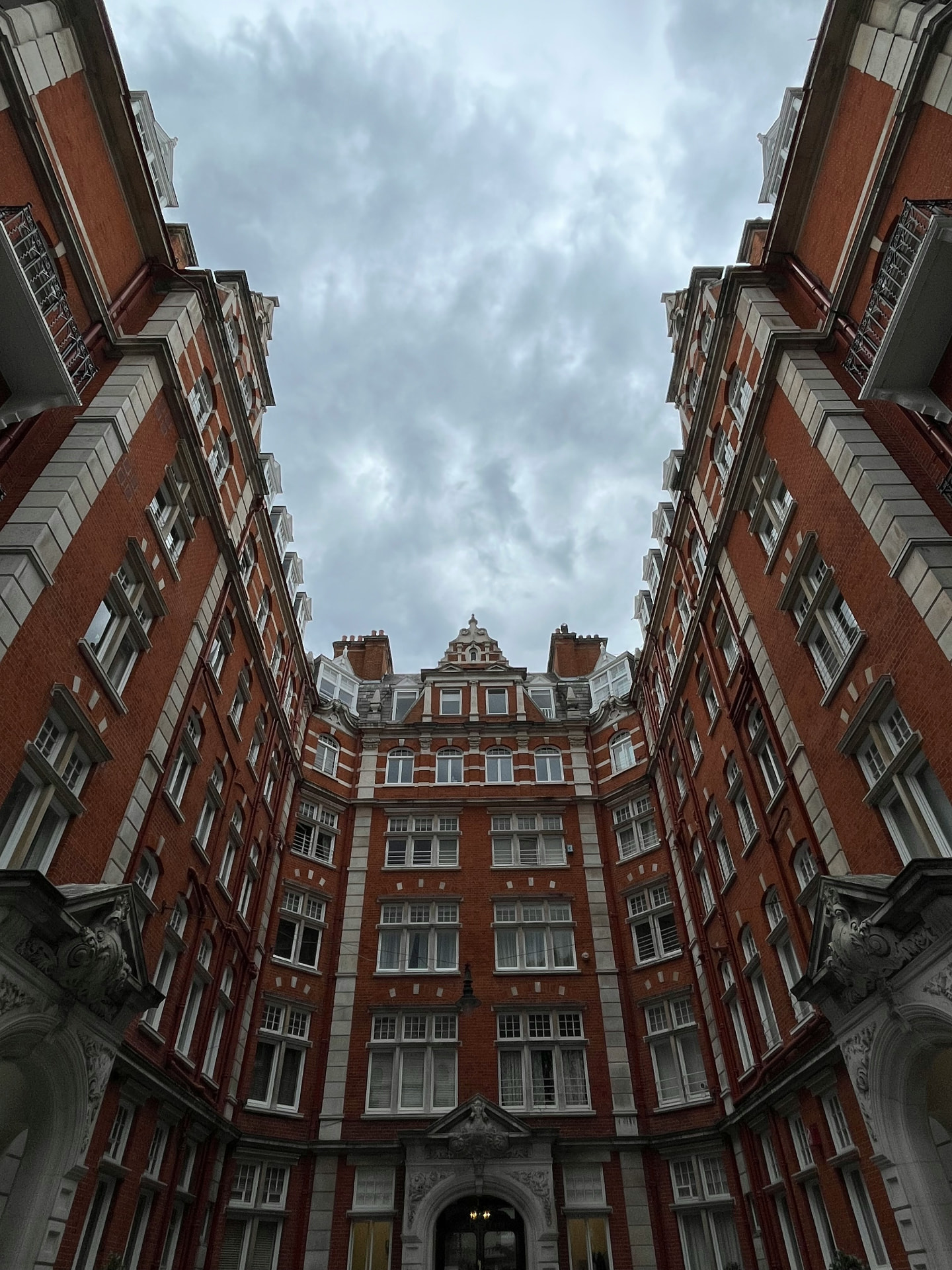
Despite its central position, Little Venice retains an almost secret quality—many Londoners have heard of it but fewer have explored its quiet crescents and canalside paths. The stuccoed Regency and Victorian terraces that line streets such as Blomfield Road and Warwick Avenue speak to the area's enduring architectural pedigree.
What Is Little Venice Like?
The defining characteristic of what is Little Venice like is undoubtedly the water. Narrowboats painted in cheerful reds, greens and blues moor along the towpaths, some permanent homes, others floating cafés and galleries. The tree-canopied canals create a microclimate that feels several degrees cooler in summer and remarkably sheltered in winter, with weeping willows trailing into the water and ducks paddling between the moored vessels.
The Little Venice lifestyle revolves around a slower pace. Residents stroll or cycle the towpaths, stopping at waterside cafés or pausing on the Italianate bridges that arch over the canal. The annual Canalway Cavalcade festival in May transforms the waterways into a floating carnival of narrowboats, live music and street food, drawing visitors from across London but retaining an intimate, neighbourhood feel.
Architecturally, the area showcases some of London's finest Regency and Victorian squares and crescents, with grand white stucco facades, ornate ironwork balconies and generous proportions. The streets are wide, tree-lined and noticeably quiet, with many designated residents' parking zones that discourage through-traffic.
Little Venice Transport Links
Little Venice transport is exceptional for such a tranquil setting. Warwick Avenue station (Bakerloo line) sits at the heart of the neighbourhood, delivering passengers to Oxford Circus in under ten minutes and the West End in a quarter of an hour. Paddington station—one of London's major transport hubs—is a fifteen-minute walk or single Tube stop away, offering the Elizabeth Line for rapid access to Canary Wharf, Heathrow Express for the airport in fifteen minutes, and mainline services to the West Country and South Wales.
Paddington (Bakerloo, Circle, District, Hammersmith & City and Elizabeth lines) and Edgware Road (Bakerloo, Circle, District and Hammersmith & City) stations bookend the area, whilst Royal Oak and Maida Vale provide additional options. This connectivity makes commuting exceptionally straightforward, whether your destination is the City, Canary Wharf, the West End or further afield.
For cyclists, the canal towpaths offer car-free routes east toward Camden and King's Cross or west toward Kensal Green and beyond. Bus routes along Edgware Road and Harrow Road connect to Marble Arch, Marylebone and Notting Hill, whilst the A40 Westway provides rapid road access west for drivers.
Talk to Seymont
What's your home worth?
A considered view on price, timing and how to bring your London home to market — a personal reply within 24 hours.
Your property
Step 1 of 2Little Venice Pubs, Dining and Leisure
Little Venice pubs retain a local character despite the area's affluence. The Waterway on Formosa Street offers canalside dining with a terrace overlooking the narrowboats, serving modern European fare in a relaxed setting. The Warrington, a stunning Victorian gin palace on Warwick Avenue, features original Art Nouveau tiles and ornate plasterwork, whilst The Prince Alfred in Maida Vale is a rare surviving example of a multi-bar Victorian pub, with its original etched glass partitions.
Beyond the pubs, the dining scene centres on independent cafés and restaurants along Formosa Street and the surrounding residential streets. The Puppet Theatre Barge—a unique floating marionette theatre moored in the canal—offers year-round performances that charm children and adults alike, whilst canal boat operators run scheduled trips along the Regent's Canal to Camden and beyond.
The proximity to Paddington Basin's modern restaurant quarter, Marylebone's boutiques and Notting Hill's Portobello Road market means residents enjoy the best of both worlds: village tranquillity at home and urban variety minutes away.
Property Market in Little Venice
According to HM Land Registry price paid data, the median property price in Little Venice stands at £720,000 across 1,170 recorded sales. The market is dominated by flats, which account for 987 transactions with a median price of £660,000, reflecting the abundance of mansion conversions and purpose-built apartment blocks along the canal and surrounding streets.
Terraced houses command a significant premium, with a median price of £1,950,000 across 110 sales, whilst the handful of semi-detached properties—just ten sales—achieved a median of £4,250,000. The two detached sales recorded reached a median of over £12 million, underlining the exceptional rarity and value of freestanding houses in this tightly-knit neighbourhood (HM Land Registry Price Paid Data).
For renters, ONS data shows studio flats range from £1,125 to £1,775 per month, one-bedroom properties from £1,500 to £2,325, and two-bedroom homes from £2,025 to £3,175. Larger family homes command £2,725 to £4,250 for three bedrooms, £3,625 to £5,650 for four bedrooms, and £4,750 to £7,425 for five-plus bedrooms (ONS).
Our team at Seymont London has observed sustained demand for [property in Little Venice](/property-for-sale/little-venice), driven by the area's unique waterside setting, transport connectivity and village atmosphere. Whether you're exploring [house prices in Little Venice](/house-prices/little-venice) or seeking expert guidance from [estate agents in Little Venice](/estate-agents/little-venice), we're here to help you navigate this distinctive market.
Talk to Seymont
What's your home worth?
A considered view on price, timing and how to bring your London home to market — a personal reply within 24 hours.
Your property
Step 1 of 2About the author
Nina CastellanoInvestment Property Advisor
Nina advises landlords and investors on rental yields, tenant demand and portfolio structure across Greater London, after running lettings and management at Bellhouse Property Partners. She has overseen single units and multi-property portfolios, and works through compliance, void periods and running costs before a purchase is agreed. Her articles deal with the numbers behind a buy-to-let rather than the headline gross yield.
Lettings and portfolio management · 9 years in London rentals
- Buy-to-let
- Rental yields
- Portfolio strategy
- Landlord compliance
Frequently asked
- Why is the area called Little Venice?
- The area earned its name in the 19th century due to the picturesque meeting point of the Grand Union and Regent's canals, which creates a network of waterways reminiscent of Venice. The poet Robert Browning, who lived nearby, is often credited with popularising the name, and the triangular pool at the canal junction is known as Browning's Pool in his honour.
- Is Little Venice a good area to live in?
- Little Venice is consistently ranked among London's most desirable residential areas, offering a rare combination of waterside tranquillity, beautiful Regency and Victorian architecture, excellent transport links via Warwick Avenue and Paddington stations, and proximity to Hyde Park and Regent's Park. The neighbourhood attracts professionals, families and downsizers seeking a village atmosphere within Zone 2.
- What is the crime rate like in Little Venice?
- Little Venice benefits from Westminster's significant policing presence and is generally considered a safe, affluent neighbourhood. As with any central London location, residents should take standard precautions, but the quiet residential streets and strong community feel contribute to a secure living environment. Crime rates tend to be lower than the London average for this postcode area.
- Can you walk along the canal in Little Venice?
- Yes, the canal towpaths through Little Venice are open to the public and form part of the wider Regent's Canal walking and cycling route. You can walk east toward Camden Lock and King's Cross or west toward Kensal Green and beyond. The tree-lined paths are popular with walkers, runners and cyclists, offering a peaceful car-free route through the heart of London.
- What type of properties are available in Little Venice?
- Little Venice predominantly offers flats within converted Victorian and Regency mansion blocks, many with canal views or garden access. Terraced houses along streets such as Blomfield Road and Warwick Avenue command premium prices, whilst semi-detached and detached properties are exceptionally rare. Period features such as high ceilings, sash windows and ornate cornicing are common, alongside some modern developments near Paddington Basin.