Journal
Living in Hackney: Your Complete Guide to East London's Creative Heartland
Written by Amara Bennett · Property Market Analyst
Published 3 January 2026 · Updated 6 May 2026 · 6 min read
The short answer
Living in Hackney means immersing yourself in one of London's most dynamic and culturally rich boroughs. From the canal-side creativity of Hackney Wick to the Victorian elegance of Hackney Downs, this East London borough has transformed into one of the capital's most sought-after addresses.
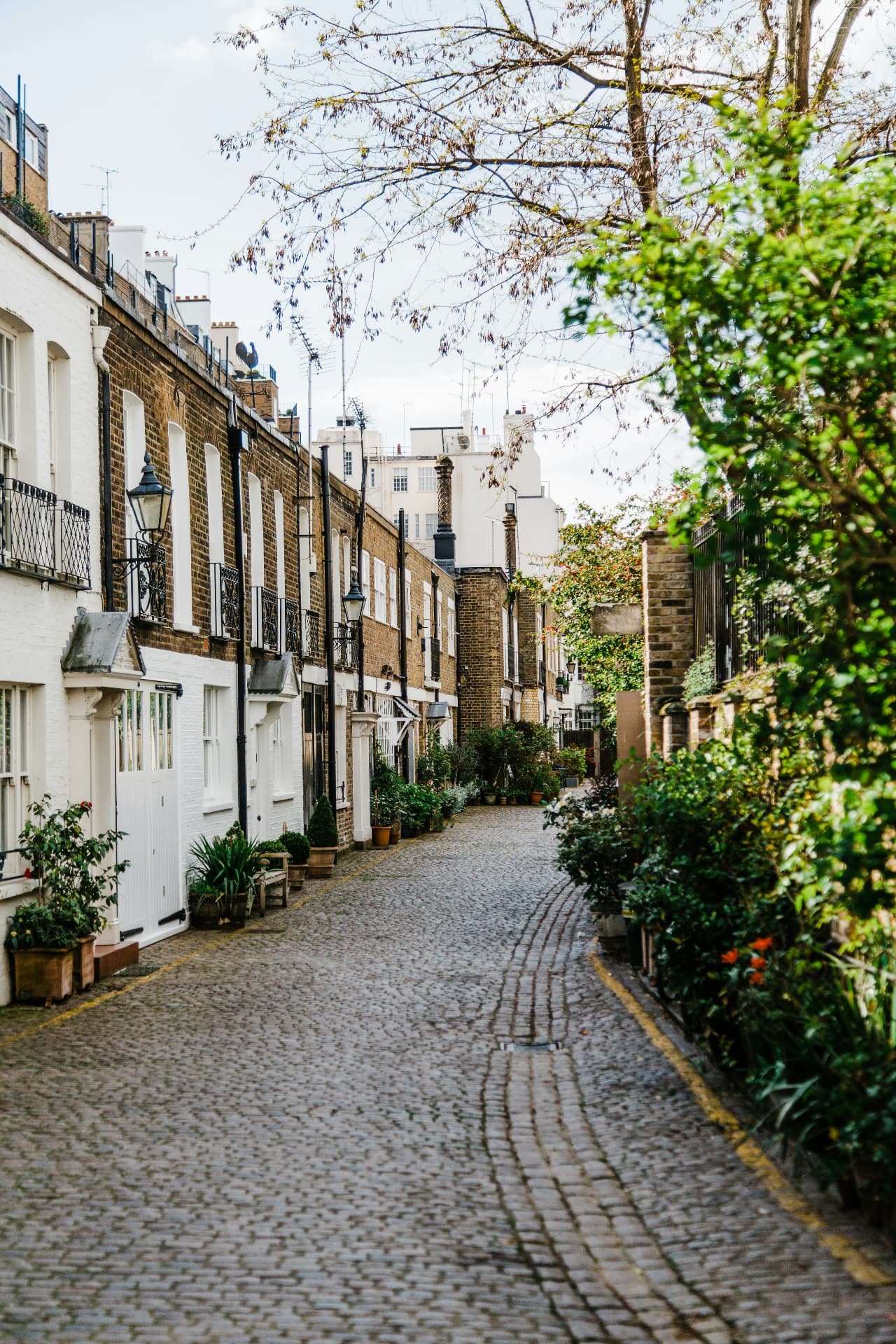
Living in Hackney means immersing yourself in one of London's most dynamic and culturally rich boroughs. From the canal-side creativity of Hackney Wick to the Victorian elegance of Hackney Downs, this East London borough has transformed into one of the capital's most sought-after addresses. Our team at Seymont London has watched Hackney evolve into a vibrant tapestry of independent businesses, green spaces, and genuinely diverse communities that attract young professionals, families, and creatives alike. Whether you're considering <a href="/property-for-sale/hackney">property for sale in Hackney</a> or simply exploring what makes this borough special, understanding the local landscape is essential.
What Is Hackney Like? Understanding the Borough's Character
Hackney's identity defies simple categorisation. The borough stretches from the industrial-chic warehouses of Hackney Wick—where artists' studios sit alongside the Olympic Park—through the leafy expanses of Hackney Downs to the bustling high streets of Stoke Newington and Dalston. Each neighbourhood maintains its distinct personality whilst sharing Hackney's unmistakable creative spirit and entrepreneurial energy.
The physical fabric of Hackney tells the story of London itself: Georgian terraces stand alongside brutalist estates, Victorian factories converted into loft apartments neighbour new-build developments, and the Regent's Canal winds through it all, providing a blue-green corridor that connects communities. This architectural diversity reflects the borough's social mix, where long-established communities live alongside newcomers drawn by Hackney's reputation for independent thinking and cultural innovation.
According to HM Land Registry data, the median property price in Hackney currently stands at £580,000, with flats representing the majority of transactions at a median of £560,000. The borough's 134 recent sales demonstrate sustained demand, with terraced houses commanding a median price of £935,000—figures that reflect Hackney's transition from overlooked quarter to established destination.
What truly defines what Hackney is like, however, transcends property values. It's the Sunday morning queue at Broadway Market, the evening crowds spilling from Hackney Empire, the cyclists along Well Street, and the impromptu performances in London Fields. Hackney possesses an authenticity that resists gentrification's homogenising effects, maintaining its edge even as coffee shops multiply and boutiques open.
The Hackney Lifestyle: Culture, Community and Character
The Hackney lifestyle revolves around independence—independent cinemas, breweries, bookshops, and bakeries form the backbone of daily life here. Ridley Road Market continues its century-old tradition of serving the borough's diverse communities, whilst Mare Street's cultural institutions, from Hackney Empire to the Hackney Picturehouse, provide evening entertainment that rivals the West End without the crowds or prices.
Green space punctuates urban density throughout Hackney. London Fields hosts weekend footballers, picnickers, and the city's oldest lido, whilst Hackney Downs offers 40 acres of Victorian parkland where locals walk dogs, play tennis, and gather for summer festivals. Victoria Park—'the People's Park'—straddles Hackney's border with Tower Hamlets, providing boating lakes, pavilions, and vast lawns that have hosted everyone from suffragettes to contemporary music festivals.
The borough's food scene reflects its cosmopolitan population and creative sensibility. Hackney restaurants range from Michelin-recommended establishments to family-run Kurdish cafés, Vietnamese pho specialists to third-wave coffee roasters. A restaurant in Hackney might occupy a railway arch, a converted pub, or a minimalist corner site—the diversity is extraordinary. Chatsworth Road, Mare Street, and Broadway Market form the holy trinity of Hackney dining, though hidden gems populate every neighbourhood.
Family life thrives here despite Hackney's reputation as a playground for the young and childless. Outstanding primary schools, forest school initiatives in Hackney Marshes, and child-friendly cafés demonstrate that the Hackney lifestyle accommodates all life stages. The borough's community centres, libraries, and youth programmes reflect a civic infrastructure that, whilst challenged by funding pressures, remains remarkably resilient and locally engaged.
Hackney Transport: Connectivity Across the Capital
Hackney transport connections rank among the best in outer central London, with the borough served by Overground, Underground, and mainline rail services. The London Overground forms a crucial orbital route, with stations at Hackney Central, Hackney Downs, Hackney Wick, Homerton, and Dalston Junction providing direct links to Stratford, Highbury & Islington, and beyond. These stations transformed Hackney's accessibility when the orbital route opened, making cross-London journeys possible without central interchanges.
The Central line serves Hackney at Bethnal Green (on the borough's southern edge), whilst the Victoria line stops at Highbury & Islington provide Northern and Western connections. Cambridge Heath and London Fields stations on the mainline offer Liverpool Street access in under ten minutes, placing the City and Canary Wharf within easy reach for commuters. This rail infrastructure explains much of Hackney's appeal to professionals working across London's employment centres.
Bus routes crisscross the borough with particular density, connecting neighbourhoods that lack rail stations and providing affordable local transport. The 38, 55, 106, 236, and 254 are just a few of the dozens of routes serving Hackney, ensuring that even areas between rail stations maintain excellent public transport access. Night buses keep the borough connected after midnight, essential for Hackney's substantial hospitality workforce and night-time economy participants.
Cycling infrastructure has improved markedly, with Quietways and segregated lanes making bicycle commuting increasingly attractive. The Regent's Canal towpath provides a traffic-free route towards King's Cross and the West End, whilst Hackney's relatively flat topography suits cycling. Many residents combine modes—cycling to stations, keeping folding bikes for the last mile—in the pragmatic, resourceful manner that characterises Hackney living. Our <a href="/estate-agents/hackney">Hackney estate agents</a> frequently note that transport connectivity features prominently in buyer priorities.
Talk to Seymont
What's your home worth?
A considered view on price, timing and how to bring your London home to market — a personal reply within 24 hours.
Your property
Step 1 of 2Property in Hackney: Market Overview and Opportunities
The Hackney property market offers surprising variety despite the borough's relatively compact size and urban character. According to recent HM Land Registry data, flats dominate transactions, accounting for 114 of 134 recent sales, with prices ranging from £64,500 to £1.3 million and a median of £560,000. This reflects the prevalence of mansion flat conversions, purpose-built blocks, and warehouse conversions that characterise much of Hackney's housing stock.
Terraced houses, whilst less numerous in available stock, command premium prices—recent sales show a median of £935,000, with transactions ranging from approximately £291,000 to £2.43 million. These Victorian and Edwardian terraces, often found in conservation areas around Hackney Downs, Well Street, and parts of Dalston, represent Hackney's original residential fabric and appeal particularly to families seeking outdoor space and additional bedrooms.
Rental demand remains robust across all property types. ONS data indicates studio apartments rent for £900-£1,425 monthly, one-bedroom properties for £1,200-£1,875, and two-bedroom homes for £1,625-£2,550. Larger properties command correspondingly higher rents: three-bedroom homes range from £2,175-£3,400, whilst five-bedroom properties can reach £5,950 monthly. These figures reflect Hackney's appeal to renters across life stages, from young professionals sharing to established families.
Investors and owner-occupiers alike should consider Hackney's neighbourhood variations carefully. Hackney Wick continues its transformation following Olympic investment, offering newer builds and conversion opportunities. Hackney Downs attracts families with its schools and parks, whilst Dalston appeals to those prioritising nightlife and cultural amenities. Understanding these micro-markets proves essential, and our team at <a href="/house-prices/hackney">Hackney house prices</a> resource can help contextualize current valuations within historical trends and neighbourhood specifics.
Investing in Hackney: Why the Borough Continues to Attract Buyers
Hackney's investment case rests on fundamentals that extend beyond temporary trends. The borough's Zone 2 location, comprehensive transport links, and cultural infrastructure create enduring appeal that survives market cycles. Employment growth in Stratford, the City, and increasingly within Hackney itself—the borough has become a significant creative industries hub—supports continued housing demand from professionals seeking reduced commute times.
The transformation of Hackney Wick exemplifies regeneration done thoughtfully, preserving artistic communities whilst introducing residential development. The area's 90,500 monthly searches reflect sustained interest in this canalside neighbourhood where warehouses become live-work spaces and new developments incorporate affordable workspace for makers and creatives. This model of development, which attempts to maintain character whilst upgrading infrastructure, distinguishes Hackney from areas where regeneration simply displaces existing communities.
Schools performance has improved markedly, with several Hackney primaries and secondaries achieving Outstanding Ofsted ratings and strong examination results. This educational improvement attracts families who might previously have relocated to suburbs when children reached school age, creating demand for larger properties and supporting price stability in the family-home segments. The borough's commitment to education investment suggests this trend will continue.
For those considering letting property, Hackney's rental market demonstrates resilience across economic conditions. The borough's diverse renter population—students, young professionals, families, and creative workers—creates demand across property types and price points. Landlords should note that Hackney tenants often seek longer tenancies, valuing community integration and local connections over transience. Our <a href="/let-your-property/hackney">letting services in Hackney</a> help property owners navigate licensing requirements and tenant selection whilst maximising returns in this competitive but rewarding market.
Talk to Seymont
What's your home worth?
A considered view on price, timing and how to bring your London home to market — a personal reply within 24 hours.
Your property
Step 1 of 2About the author
Amara BennettProperty Market Analyst
Amara spent seven years as a market analyst at Kestrel Lane Research, a small London property consultancy, before joining our editorial desk. She reads sold-price and rental data street by street to explain how individual London postcode districts actually behave, and reviews every price figure we publish. Her focus is separating headline national averages from what a specific address is worth today.
MSc Real Estate Economics · Seven years in property market research
- Valuations
- Local market data
- Sold prices
- Pricing strategy
Frequently asked
- Is Hackney a good area to live in London?
- Hackney ranks among London's most desirable boroughs, offering exceptional transport connections, cultural amenities, and community spirit. The area combines Zone 2 convenience with genuine neighbourhood character, independent businesses, and improving schools. Whilst property prices reflect this popularity—the median stands at £580,000 according to HM Land Registry data—Hackney delivers quality of life that justifies the investment for many buyers and renters.
- What are the transport links like in Hackney?
- Hackney enjoys excellent connectivity via London Overground stations at Hackney Central, Hackney Downs, Hackney Wick, Homerton, and Dalston Junction, plus mainline services to Liverpool Street from Cambridge Heath and London Fields. The Victoria and Central lines serve the borough's edges, whilst dense bus networks and improving cycling infrastructure provide local mobility. Most destinations across London lie within 30-40 minutes of Hackney locations.
- How much does it cost to rent in Hackney?
- According to ONS data, Hackney rental costs vary by property size: studios range from £900-£1,425 monthly, one-bedroom flats £1,200-£1,875, two-bedroom properties £1,625-£2,550, and three-bedroom homes £2,175-£3,400. Larger family houses with four or five bedrooms command £2,900-£5,950 monthly. Prices vary by specific neighbourhood, property condition, and proximity to transport links.
- What is Hackney Wick known for?
- Hackney Wick has established itself as East London's creative quarter, known for artist studios, independent breweries, and canalside culture. The area benefited from Olympic Park development whilst maintaining its industrial-artistic character. Former warehouses now house galleries, workshop spaces, and live-work units, whilst the Fish Island area preserves making and manufacturing alongside residential conversion. Weekend visitors flock to Hackney Wick's markets, cafés, and waterside venues.
- Are property prices in Hackney still rising?
- Hackney property prices have stabilised following rapid growth in the 2010s, with current HM Land Registry data showing a median of £580,000 across all property types. Flats average £560,000 whilst terraced houses command £935,000. Price movements now reflect broader London market conditions rather than Hackney-specific factors, though the borough's fundamentals—location, transport, amenities—support long-term value retention. Micro-market variations exist between neighbourhoods like Hackney Wick, Hackney Downs, and Dalston.