Journal
Average Rent in Hackney: A Comprehensive Guide for Tenants and Landlords
Written by Julian Reyes · Licensed Real Estate Agent
Published 27 November 2025 · Updated 27 July 2026 · 6 min read
The short answer
Understanding the average rent in Hackney has become essential for both tenants searching for their next home and landlords looking to optimise their investment returns. As one of London's most dynamic boroughs, Hackney combines creative energy with excellent transport links, period architecture with contemporary developments, and vibrant neighbourhoods like Hackney Wick with the leafy charm of Hackney Downs.
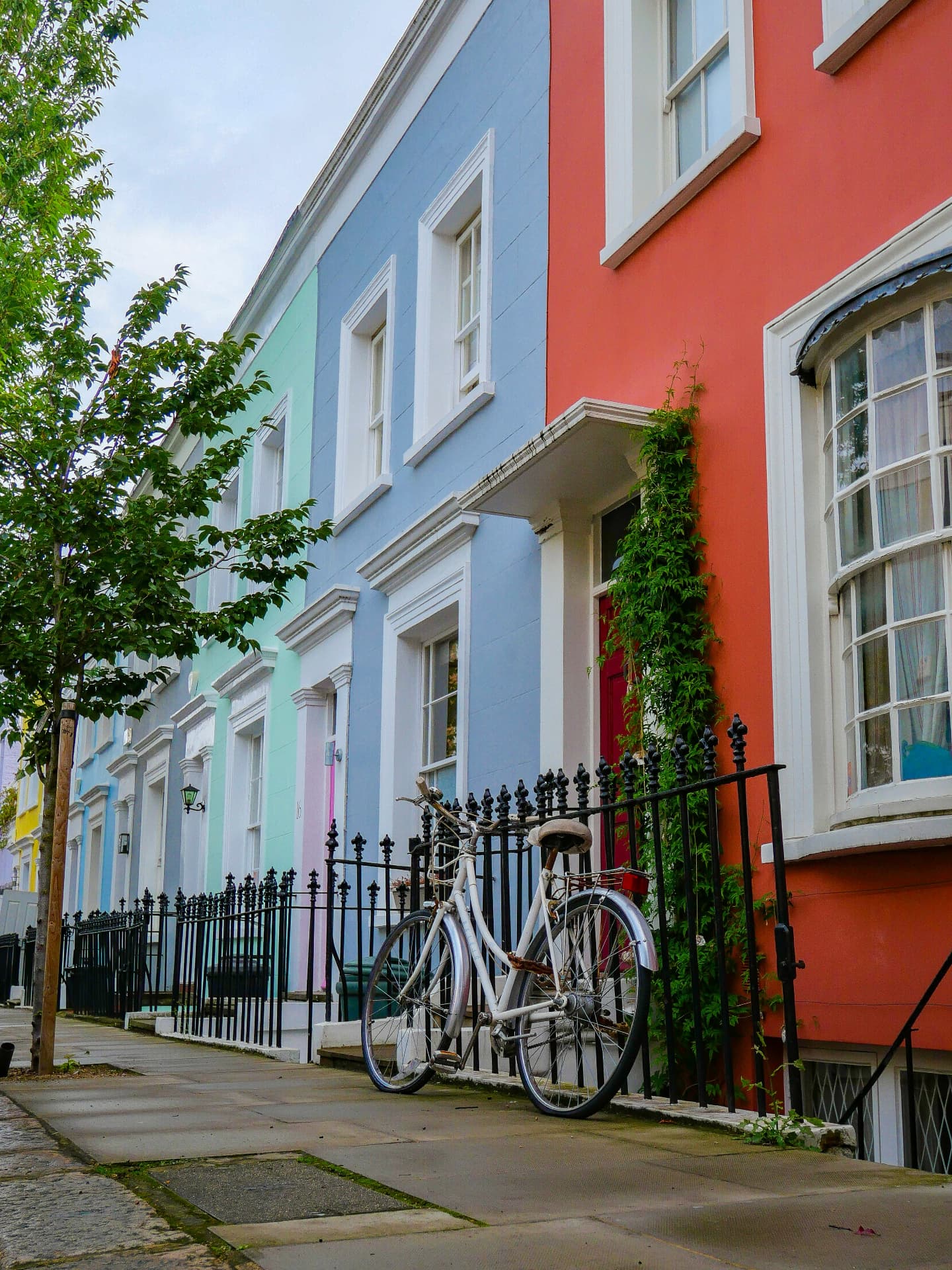
Understanding the average rent in Hackney has become essential for both tenants searching for their next home and landlords looking to optimise their investment returns. As one of London's most dynamic boroughs, Hackney combines creative energy with excellent transport links, period architecture with contemporary developments, and vibrant neighbourhoods like Hackney Wick with the leafy charm of Hackney Downs. At Seymont London, we've analysed the latest HM Land Registry and ONS data to provide you with an authoritative overview of rental costs across this diverse East London borough, helping you make informed decisions in today's competitive market.
Current Hackney Rent Prices Across Property Types
According to the latest ONS rental data, Hackney rent prices vary considerably depending on property size and location. Studio flats currently command monthly rents between £900 and £1,425, offering an accessible entry point for single professionals or students drawn to the borough's creative scene and excellent connectivity to central London.
One-bedroom properties range from £1,200 to £1,875 per month, whilst two-bedroom flats and houses—arguably the most sought-after configuration for sharers and young families—typically rent for between £1,625 and £2,550 monthly. These figures reflect Hackney's position as a borough where period conversions in conservation areas sit alongside modern developments in regeneration zones.
For larger families or those requiring additional space, three-bedroom properties range from £2,175 to £3,400, four-bedroom homes from £2,900 to £4,525, and five-bedroom properties command between £3,800 and £5,950 per month. The upper ranges typically reflect premium locations near Hackney Downs or properties with exceptional specifications and outdoor space.
These rental brackets position Hackney competitively within the wider London market, offering relative value compared to neighbouring Islington whilst commanding a premium over areas further east, reflecting the borough's cultural cachet and transport infrastructure.
How Much Is Rent in Hackney Compared to Property Values?
When considering how much is rent in Hackney relative to property purchase prices, the relationship reveals interesting opportunities for both renters and investors. Recent HM Land Registry data shows that across 134 recorded sales, the median property price reached £580,000, with flats—which constitute the overwhelming majority at 114 transactions—achieving a median of £560,000.
Terraced houses, highly prized in areas around Well Street and the Victorian streets radiating from London Fields, recorded a median sale price of £935,000 across 13 transactions, with values ranging from £290,862 to an impressive £2,430,000 for premium examples. The single detached property sale recorded reached £838,000, whilst 'other' property types—typically commercial conversions or mixed-use buildings—showed a median of £451,032.
This sales data provides crucial context for understanding Hackney rental yields. For a typical one-bedroom flat valued at £560,000 and renting at £1,500 monthly (mid-range), investors can anticipate gross yields around 3.2%, whilst two-bedroom properties at similar value propositions may achieve marginally higher returns. These figures align with inner London averages, though specific yields vary considerably by micro-location and property condition.
For tenants, these comparisons illustrate why renting remains attractive in Hackney: with median flat prices requiring substantial deposits and ongoing mortgage costs, rental flexibility offers financial advantages, particularly for professionals still building capital or those valuing the freedom to relocate as the borough continues evolving.
Neighbourhood Variations: From Hackney Wick to Hackney Downs
Hackney's rental landscape cannot be understood without appreciating the distinct character of its neighbourhoods, each commanding different price points and attracting varied demographics. Hackney Wick has undergone perhaps the most dramatic transformation in recent years, evolving from industrial hinterland to creative hub with significant residential development around the Olympic Park fringes. The area appeals strongly to young professionals and artists, with warehouse conversions and new-build flats offering contemporary living spaces, often at marginally lower price points than the borough's more established residential quarters.
By contrast, Hackney Downs represents a more traditional residential proposition, characterised by handsome Victorian and Edwardian terraces, proximity to the popular open space from which it takes its name, and an established community feel. Properties here—particularly period conversions and family houses—typically command premium rents reflecting the area's maturity, excellent schools, and abundance of independent shops and Hackney restaurants that have made the borough a culinary destination.
Areas around Well Street in Hackney offer something of a middle ground: residential streets with strong community infrastructure, good transport links via both bus and Overground services, and a growing selection of cafés and restaurants that reflect Hackney's evolving character. Our team at Seymont London observes consistent demand across all these sub-markets, with tenant preferences often determined as much by lifestyle priorities as pure rental costs.
When searching for <a href="/property-for-sale/hackney">property for sale in Hackney</a> or considering rental investments, understanding these micro-market dynamics proves essential. What presents as a competitive rental yield in Hackney Wick might reflect different tenant demographics and turnover patterns compared to family-oriented streets near Hackney Downs, each bringing distinct management considerations.
Talk to Seymont
What's your home worth?
A considered view on price, timing and how to bring your London home to market — a personal reply within 24 hours.
Your property
Step 1 of 2Hackney Rental Yields and Investment Potential
For landlords and property investors, Hackney rental yields offer a compelling proposition within the London market, though success requires nuanced understanding of the borough's complexities. The ONS rental data combined with HM Land Registry purchase prices suggests gross yields typically ranging from 3% to 4.5%, with variation driven by property type, exact location, and specification.
Smaller units—particularly studios and one-bedroom flats in purpose-built developments—often achieve the higher end of this range, as rental income represents a larger proportion of the comparatively lower purchase price. Conversely, larger family homes, whilst commanding substantial monthly rents, require significantly higher capital investment, compressing percentage yields even as absolute returns remain attractive.
Our team observes that successful Hackney landlords increasingly focus on tenant retention and property presentation, recognising that the borough's competitive rental market rewards well-maintained homes with appropriate amenities. Properties offering private outdoor space, modern kitchens and bathrooms, and good energy efficiency attract premium tenants willing to pay top-bracket rents, often remaining for extended tenancies that reduce void periods and turnover costs.
The ongoing demand across Hackney—from young professionals seeking proximity to the City and Tech City, to families attracted by improved schools and green spaces—supports stable rental income streams. For investors considering whether to <a href="/let-your-property/hackney">let your property in Hackney</a>, the combination of strong tenant demand, transport infrastructure improvements, and the borough's sustained cultural appeal creates favourable medium-term prospects, though landlords must remain mindful of regulatory changes affecting the wider London lettings market.
Market Trends and Future Outlook for Hackney Rents
The trajectory of average rent in Hackney reflects broader London patterns whilst retaining borough-specific characteristics that shape future prospects. Recent years have seen Hackney consolidate its transformation from overlooked eastern borough to highly desirable residential location, with rental growth reflecting this repositioning even as the market matures.
Several factors suggest continued rental demand resilience. The Elizabeth Line, whilst not directly serving Hackney, improves connectivity for the wider area, whilst existing Overground and National Rail services provide excellent access to employment centres. The borough's established reputation for culture—from restaurants in Hackney to world-renowned street art and independent venues—continues attracting the creative professionals and young families who form the core rental demographic.
Simultaneously, planning policies emphasising housing delivery mean new rental stock continues entering the market, particularly in regeneration zones and former industrial sites. This supply increase may moderate rental growth in specific sub-markets, creating opportunities for tenants even as overall demand remains robust. Our <a href="/estate-agents/hackney">Hackney estate agents</a> team monitors these developments closely, recognising that micro-market dynamics can shift as new developments complete and neighbourhoods evolve.
For both landlords and tenants, the outlook suggests a maturing market where quality and location command premiums, whilst less distinguished properties face stronger competition. Those searching for <a href="/house-prices/hackney">houses in Hackney</a> or considering rental investments should focus on properties with enduring appeal: good transport links, proximity to amenities, and specifications meeting contemporary expectations for space and efficiency.
Talk to Seymont
What's your home worth?
A considered view on price, timing and how to bring your London home to market — a personal reply within 24 hours.
Your property
Step 1 of 2About the author
Julian ReyesLicensed Real Estate Agent
Julian has spent eleven years handling residential sales across west and central London, previously with the independent agencies Harlowe & Vance and Marchmont Row. He runs listings end to end, from pricing and presentation through to negotiating offers and holding chains together to completion. His writing focuses on the practical mechanics of buying and selling a home in a market where timing and preparation decide the outcome.
Licensed estate agent · 11 years in London residential sales
- Residential sales
- First-time buyers
- Offer negotiation
- Chain management
Frequently asked
- What is the average rent for a two-bedroom flat in Hackney?
- According to ONS data, two-bedroom properties in Hackney typically rent for between £1,625 and £2,550 per month. The exact rental cost depends on factors including the specific neighbourhood, property condition, outdoor space, and proximity to transport links. Flats in popular areas like Hackney Downs or near Victoria Park generally command prices towards the upper end of this range, whilst properties in emerging areas or requiring modernisation may be available at the lower end.
- Are rental yields in Hackney competitive for buy-to-let investors?
- Hackney rental yields typically range from 3% to 4.5% gross, positioning the borough competitively within inner London. Smaller units such as studios and one-bedroom flats often achieve higher percentage yields, whilst larger family homes generate substantial absolute returns despite lower percentage yields due to higher purchase prices. Successful investors focus on well-maintained properties in areas with strong transport links and amenities, which attract quality tenants and support longer tenancies.
- Which areas of Hackney offer the best value for renters?
- Hackney Wick and surrounding areas typically offer more accessible rental prices compared to established neighbourhoods like Hackney Downs or London Fields, whilst still providing excellent transport connectivity and the borough's characteristic cultural amenities. Areas undergoing regeneration often present opportunities for tenants seeking modern specifications at competitive prices, though renters should balance rental costs against commute times, local amenities, and personal lifestyle priorities when selecting a neighbourhood.
- How do Hackney rent prices compare to neighbouring London boroughs?
- Hackney rent prices generally sit below neighbouring Islington to the west, reflecting different housing stock and marginally reduced proximity to central London, whilst commanding a premium over boroughs further east such as Waltham Forest or Newham. The borough offers strong value relative to transport connectivity, cultural amenities, and the quality of the built environment, making it an attractive option for tenants seeking the benefits of inner London living with marginally more accessible rental costs than prime central zones.
- What factors influence rental prices across different Hackney neighbourhoods?
- Rental prices across Hackney vary based on transport connectivity, proximity to parks and green spaces, the quality and character of housing stock, local amenities including restaurants and shops, school quality for family tenants, and the specific character of each neighbourhood. Areas with direct Overground or rail services, period properties with original features, proximity to Hackney Downs or London Fields, and established high streets with independent retailers typically command premium rents, whilst emerging areas or locations further from transport nodes offer more accessible pricing.