Journal
Living in Fulham: Your Complete Guide to SW6
Written by Nina Castellano · Investment Property Advisor
Published 22 February 2026 · Updated 18 April 2026 · 6 min read
The short answer
Living in Fulham offers an enviable blend of riverside charm, Victorian elegance and urban convenience that few London postcodes can match. Nestled in a loop of the Thames between Chelsea and Putney, this South West London neighbourhood has evolved from its market-garden origins into one of the capital's most sought-after residential areas.
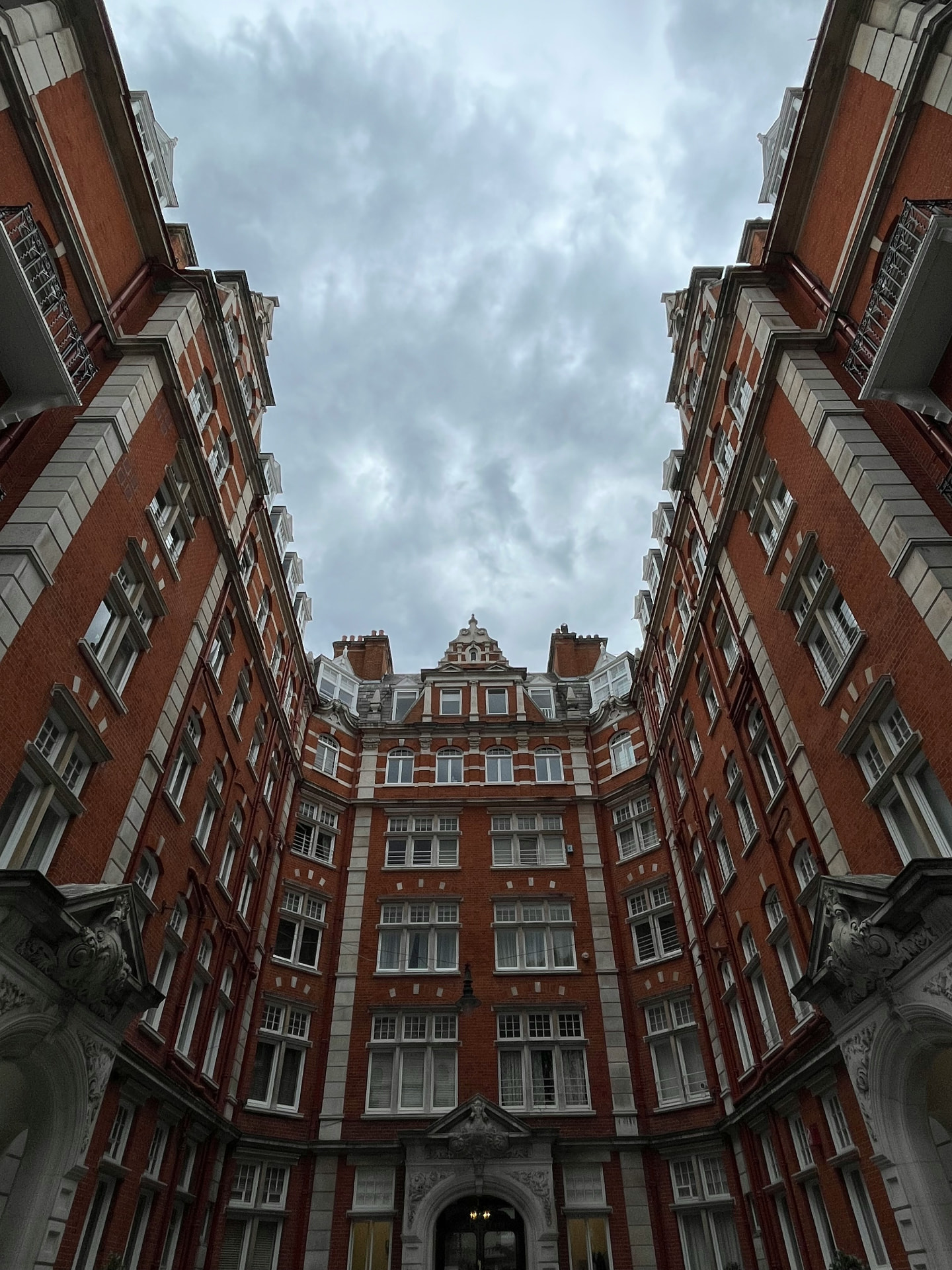
Living in Fulham offers an enviable blend of riverside charm, Victorian elegance and urban convenience that few London postcodes can match. Nestled in a loop of the Thames between Chelsea and Putney, this South West London neighbourhood has evolved from its market-garden origins into one of the capital's most sought-after residential areas. Our team has watched Fulham mature into a destination where young professionals, established families and discerning downsizers all find their niche, drawn by tree-lined streets, excellent schools and a village atmosphere that feels worlds away from the City—despite being remarkably close to it.
What Is Fulham Like Today?
Fulham's character is defined by distinct micro-neighbourhoods, each with its own personality. The area around Fulham Broadway pulses with high-street energy, anchored by a major shopping centre and the iconic Craven Cottage—Fulham's ground where the football club has played since 1896. The stadium's riverside setting adds a unique dimension to matchdays, when the streets fill with supporters making their way along Stevenage Road and Fulham Palace Road.
Further west, Parsons Green and Eel Brook Common offer leafy respectability, where grand Victorian conversions and elegant terraces frame tranquil garden squares. The Fulham Palace Road corridor connects these enclaves, lined with independent boutiques, gastro-pubs and the sort of neighbourhood restaurants that Fulham residents guard as local secrets. Meanwhile, the riverside stretches along Bishops Park provide green breathing space, with the Thames Path offering unbroken walks toward Putney Bridge or east toward Chelsea Harbour.
According to HM Land Registry data, 273 properties changed hands with a median price of £725,000, reflecting Fulham's premium positioning. Flats—which represented 199 of these transactions—achieved a median of £625,000, whilst terraced houses commanded £1,489,500, testament to the enduring appeal of Fulham's period housing stock.
The demographic mix shapes the area's rhythm: weekday mornings see a procession toward Fulham Broadway and Parsons Green stations, whilst weekends bring farmers' markets, riverside runs and families gathering in the neighbourhood's many cafés. It's a community that values both privacy and sociability, where you're as likely to bump into neighbours at the butcher on Fulham Road as you are to enjoy complete anonymity on your own street.
The Fulham Lifestyle: Culture and Community
The Fulham lifestyle revolves around a carefully curated balance between London access and village rhythm. Bishops Park anchors community life, its 27 acres encompassing children's play areas, tennis courts and the magnificent Fulham Palace—a Grade I listed former residence of the Bishops of London, now open to visitors with its Tudor courtyard and botanical gardens. On summer weekends, the park becomes an extension of local living rooms, filled with picnickers and families.
Dining options reflect Fulham's maturity and disposable income. The concentration of quality restaurants in Fulham extends from White Horse gastropub on Parsons Green to the Michelin-listed establishments along Fulham Road. The New King's Road and Munster Road offer everything from Italian trattorias to modern British fare, whilst Fulham Broadway's international offerings cater to midweek convenience. Our team regularly hears from relocating clients that the restaurant scene was a deciding factor—not flashy, but consistently excellent.
Retail follows a similar philosophy. Rather than chain-dominated homogeneity, Fulham's shopping streets mix practical necessities with considered independents. The Fulham Broadway centre handles everyday needs, whilst the stretch between Parsons Green and Fulham Broadway rewards explorers with vintage furniture specialists, independent bookshops and homeware boutiques that reflect the area's design-conscious demographic.
Schools form another pillar of the Fulham lifestyle, with several outstanding state primaries and an array of respected independent options drawing families to [explore property for sale in Fulham](/property-for-sale/fulham). The educational infrastructure, combined with green space and relative safety, creates a compelling proposition for households seeking to plant roots without sacrificing London connectivity.
Fulham Transport: Connectivity Across the Capital
Fulham transport links provide the infrastructure that makes the lifestyle sustainable. The District line serves Fulham Broadway, Parsons Green and Putney Bridge stations, offering direct access to Victoria (10 minutes), South Kensington (6 minutes) and the City via Monument. During peak hours, trains arrive every few minutes, making the morning commute manageable even from the furthest western reaches of the postcode.
Overground options expand the network considerably. Imperial Wharf station on the London Overground connects Fulham to Clapham Junction—the UK's busiest railway interchange—in just six minutes, unlocking national rail services to Gatwick, Brighton and beyond. West Brompton station adds access to both the District line and Overground services, whilst also hosting London Underground's interchange potential.
Road connections favour those who drive. The A4 lies immediately north, providing swift access to Heathrow (approximately 40 minutes off-peak) and the M4 corridor westward. South Circular routes run nearby for cross-London journeys, though our experience suggests most Fulham residents rely primarily on public transport for daily movement, reserving vehicles for weekend escapes or supermarket runs.
Cycling infrastructure has improved markedly, with dedicated lanes along Fulham Palace Road and connections to the Thames Path cycle route. The relative flatness of South West London and proximity to workplaces in Chelsea, Kensington and further east make cycling genuinely practical for many residents. Bus routes blanket the area comprehensively, with the 14, 22, 28 and 414 among the most frequent services connecting Fulham to surrounding neighbourhoods.
Talk to Seymont
What's your home worth?
A considered view on price, timing and how to bring your London home to market — a personal reply within 24 hours.
Your property
Step 1 of 2Property in Fulham: What Your Budget Buys
Understanding [house prices in Fulham](/house-prices/fulham) requires recognising the diversity within SW6 and neighbouring postcodes. The HM Land Registry data reveals flats ranged from £157,500 to £2,443,500, though the median of £625,000 typically secures a well-presented one or two-bedroom conversion or purpose-built apartment. Studio apartments and one-bedroom flats form the entry point for first-time buyers and investors, with ONS rental data indicating studios command £1,150–£1,775 monthly, whilst one-bedroom properties achieve £1,500–£2,350.
Two-bedroom flats—the sweet spot for young professionals and small families—saw a transaction count within the broader 199 flat sales, with rental equivalents ranging £2,050–£3,200 according to ONS figures. These properties span Victorian conversions with high ceilings and period details through to modern developments near Imperial Wharf and Fulham Riverside, each offering distinct lifestyle propositions.
Terraced houses represented 58 sales at a median of £1,489,500, ranging from £500,000 to £3,137,500. These characterful homes—many dating to the Victorian and Edwardian building booms—typically offer three to four bedrooms across multiple floors, with the premium examples featuring landscaped gardens, off-street parking and proximity to Parsons Green or Hurlingham. Streets such as Cloncurry Street Fulham exemplify the terraced housing stock that defines Fulham's residential appeal, combining period architecture with family-friendly proportions.
Semi-detached properties remain rare—just four sales recorded—commanding a median of £2,215,000 and reaching £3,500,000 at the top end. For those seeking family homes, three-bedroom properties rent for £2,725–£4,275 monthly, whilst four-bedroom houses achieve £3,650–£5,700, and five-bedroom properties command £4,775–£7,475, reflecting the premium attached to genuine family accommodation in this tightly held market.
Our [estate agents in Fulham](/estate-agents/fulham) observe that competition remains fierce for well-presented properties, particularly those near favoured schools or with private outdoor space—a commodity that commands significant premiums in this predominantly terraced landscape.
Making Fulham Home: Who Lives Here?
Fulham's demographic tapestry weaves together several distinct threads. Young professionals in their late twenties and thirties form a visible cohort, attracted by the transport links, social infrastructure and relatively straightforward commutes to Canary Wharf, the City and West End offices. These residents often start in [flats to rent in London](/property-for-sale/fulham) within Fulham before transitioning to ownership as careers progress.
Established families represent the area's anchor demographic—households who've often upgraded from smaller properties in neighbouring Wandsworth or Clapham, or downsized from larger homes in Richmond or Wimbledon. The school catchments, parks and suburban-meets-urban balance make Fulham a natural landing point for this life stage. Streets around Parsons Green and Hurlingham particularly reflect this family orientation, with weekend mornings revealing the nursery runs and café culture that define the rhythm.
Empty-nesters and downsizers increasingly recognise Fulham's appeal, drawn by excellent restaurants, cultural access and the ability to shed the maintenance burden of large houses whilst retaining space and quality. The riverside apartments and modern developments cater particularly well to this cohort, offering security, amenities and lock-up-and-leave convenience without sacrificing the boutique feel that characterises the best of Fulham living.
The area's evolution continues, with regeneration around Fulham Riverside and ongoing improvements to public realm keeping the neighbourhood dynamic. Yet Fulham's essential character—residential rather than transient, village-minded yet cosmopolitan—remains intact, preserved by residents who've chosen the area precisely for these qualities and who actively maintain its distinct identity within London's ever-changing landscape.
Talk to Seymont
What's your home worth?
A considered view on price, timing and how to bring your London home to market — a personal reply within 24 hours.
Your property
Step 1 of 2About the author
Nina CastellanoInvestment Property Advisor
Nina advises landlords and investors on rental yields, tenant demand and portfolio structure across Greater London, after running lettings and management at Bellhouse Property Partners. She has overseen single units and multi-property portfolios, and works through compliance, void periods and running costs before a purchase is agreed. Her articles deal with the numbers behind a buy-to-let rather than the headline gross yield.
Lettings and portfolio management · 9 years in London rentals
- Buy-to-let
- Rental yields
- Portfolio strategy
- Landlord compliance
Frequently asked
- Is Fulham a good place to live in London?
- Fulham consistently ranks among London's most desirable residential areas, offering an exceptional balance of village atmosphere, transport connectivity and urban amenities. The combination of riverside green spaces like Bishops Park, excellent schools, diverse dining options and strong transport links via Fulham Broadway, Parsons Green and Imperial Wharf stations makes it particularly attractive to professionals and families. According to HM Land Registry data, the area's median property price of £725,000 reflects sustained demand, whilst the established community and quality housing stock provide long-term lifestyle appeal that justifies the premium.
- What is the average rent in Fulham?
- Rental costs in Fulham vary significantly by property size and location. According to ONS data, studio apartments typically rent for £1,150–£1,775 per month, one-bedroom flats achieve £1,500–£2,350, and two-bedroom properties command £2,050–£3,200. Family homes span wider ranges: three-bedroom houses rent for £2,725–£4,275 monthly, four-bedroom properties for £3,650–£5,700, and five-bedroom homes reach £4,775–£7,475. Properties closer to Parsons Green, with period features or private gardens typically command the higher ends of these ranges, whilst locations near Fulham Broadway or requiring modernisation sit towards the lower bounds.
- How long does it take to commute from Fulham to central London?
- Fulham transport connections provide swift access to central London destinations. From Fulham Broadway station, the District line reaches Victoria in approximately 10 minutes, South Kensington in 6 minutes, and continues to Monument (City) in around 25 minutes. Parsons Green station offers similar timings, whilst Imperial Wharf on the London Overground reaches Clapham Junction in 6 minutes, connecting to wider rail networks. West Brompton provides additional interchange options. For those working in Canary Wharf, journey times typically range 35–45 minutes depending on exact origin and destination, making Fulham highly practical for professionals working across London's employment centres.
- What is Fulham famous for?
- Fulham is perhaps best known for Fulham Football Club and Craven Cottage—Fulham's ground—one of English football's most characterful stadiums, situated picturesquely on the Thames since 1896. Beyond football, Fulham boasts Fulham Palace, the historic residence of the Bishops of London for over 1,300 years, now a museum and events venue with stunning gardens. The area is also recognised for its Victorian and Edwardian residential architecture, riverside location along the Thames Path, and thriving restaurant scene. The Fulham Broadway shopping district and the area's evolution from market gardens to one of London's premier residential neighbourhoods add to its distinctive identity within the capital.
- Are property prices in Fulham still rising?
- Fulham property prices demonstrate long-term resilience driven by constrained supply, sustained demand and the area's enduring lifestyle appeal. HM Land Registry data shows a median sale price of £725,000 across 273 recent transactions, with flats at £625,000 and terraced houses commanding £1,489,500. Whilst short-term fluctuations occur in response to broader economic conditions and interest rate movements, Fulham's fundamentals—excellent schools, transport connectivity, riverside amenity and established community—typically support values over extended periods. Buyers considering Fulham homes or apartments for sale in Fulham should focus on long-term lifestyle fit rather than short-term speculation, as the area's premium reflects genuine quality-of-life factors that remain consistently desirable.