Journal
Living in Ealing: West London's Garden Suburb
Written by Thomas Lindqvist · Mortgage & Financing Specialist
Published 9 February 2026 · Updated 4 May 2026 · 6 min read
The short answer
Living in Ealing combines the best of suburban tranquillity with the connectivity and cultural vibrancy of inner London. Known affectionately as the 'Queen of the Suburbs', this west London borough has evolved into one of the capital's most sought-after residential destinations, offering tree-lined avenues, outstanding schools, and a thriving town centre at Ealing Broadway.
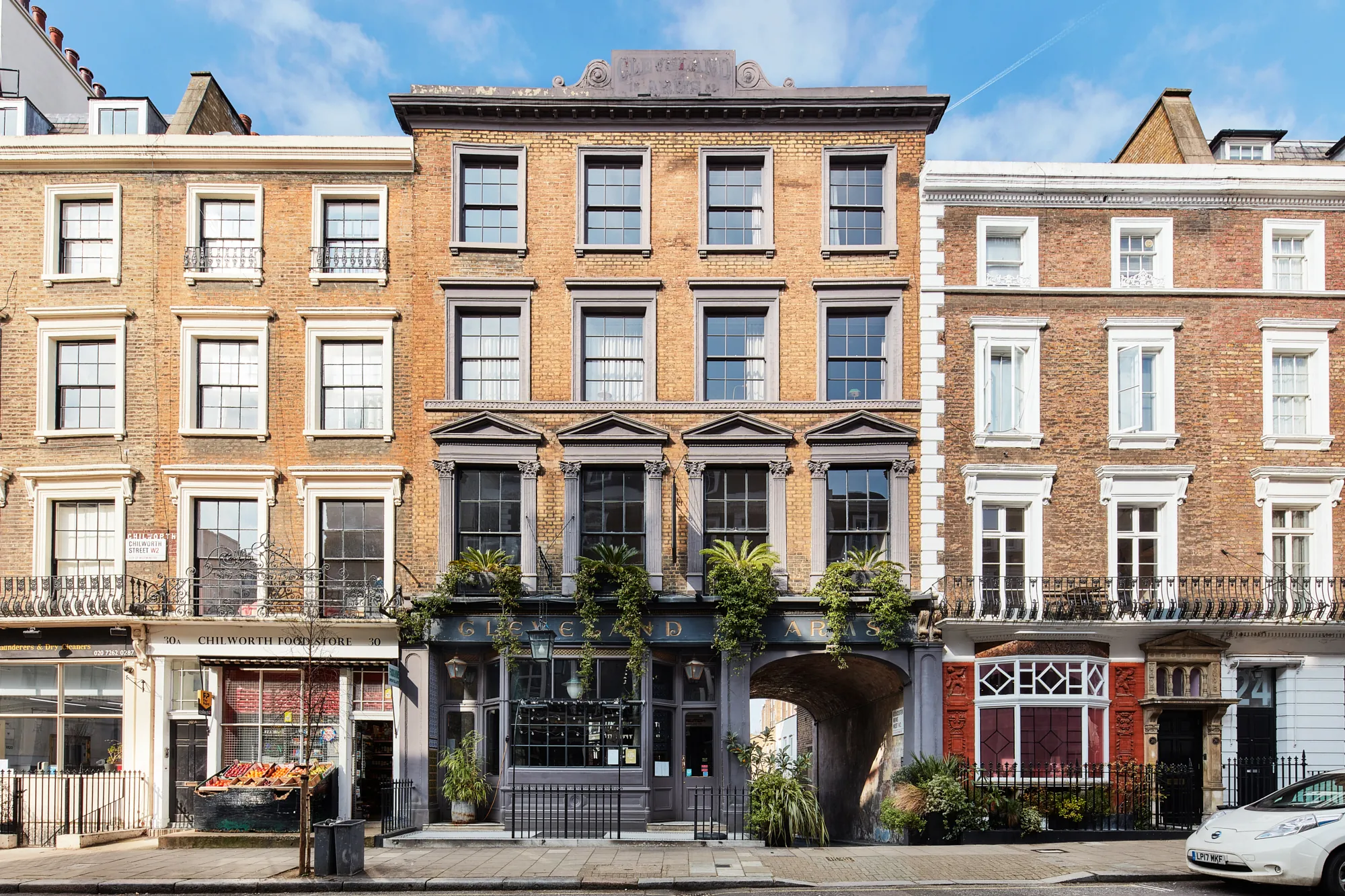
Living in Ealing combines the best of suburban tranquillity with the connectivity and cultural vibrancy of inner London. Known affectionately as the 'Queen of the Suburbs', this west London borough has evolved into one of the capital's most sought-after residential destinations, offering tree-lined avenues, outstanding schools, and a thriving town centre at Ealing Broadway. Our team at Seymont London has watched Ealing's popularity soar amongst families, young professionals, and investors alike, drawn by its exceptional transport links and genuine community spirit. Whether you're considering South Ealing's Victorian elegance, West Ealing's emerging appeal, or the refined streets around Ealing Common, this guide explores everything you need to know about making Ealing your home.
What Is Ealing Like? Character and Community
The Ealing lifestyle centres around a rare combination of verdant open spaces and urban convenience. Ealing Common, Walpole Park, and Lammas Park provide generous green lungs where residents jog, picnic, and gather for summer festivals, whilst the tree-canopied residential streets radiating from these parks give the borough its garden suburb character. The architectural tapestry ranges from handsome Victorian and Edwardian terraces in South Ealing to substantial detached family homes near Pitshanger Village, with mansion blocks and contemporary developments concentrated around Ealing Broadway.
The community itself is notably diverse and civic-minded. Ealing attracts a mix of established families who've lived here for generations, international professionals working in central London, and creatives drawn to the area's independent spirit. Local life revolves around the farmers' market in Leeland Road, the independent cinema and theatre offerings, and a calendar of community events including the Ealing Summer Festival and Jazz Festival that bring thousands to the streets each year.
What is Ealing like in practical terms? It's a borough where you can walk to Pilates in Walpole Park, browse independent bookshops and delis along the high street, then catch the Elizabeth line to Bond Street in under twenty minutes. This blend of village atmosphere with genuinely excellent connectivity defines the Ealing experience and explains why so many residents never want to leave.
Ealing Transport: Exceptional Connectivity Across London
Ealing transport infrastructure ranks amongst the finest in outer London, with the Elizabeth line transforming the area's already strong credentials. Ealing Broadway serves as the borough's transport hub, offering Elizabeth line services to Bond Street in 11 minutes and Liverpool Street in 21 minutes, alongside Central line connections and Great Western Railway services to Reading and Heathrow. This concentration of rail options makes commuting seamless and provides genuine route redundancy.
Beyond Ealing Broadway, the borough benefits from multiple Underground stations including South Ealing (Piccadilly line, offering direct access to Knightsbridge, King's Cross, and Heathrow), West Ealing (Elizabeth line), North Ealing (Piccadilly line), and Ealing Common (District and Piccadilly lines). This network means most homes in the Ealing borough sit within a ten-minute walk of rapid transit connections.
Road links via the A40 and proximity to the M4 and M25 make driving feasible, though many residents find car ownership optional given the public transport provision. Bus routes are comprehensive, connecting every neighbourhood to neighbouring areas including Acton, Hanwell, and Chiswick. For cyclists, quietway routes and improving infrastructure make pedalling into central London or to Kew Gardens increasingly attractive.
Property in Ealing: Prices, Types and Neighbourhoods
According to HM Land Registry data, Ealing recorded 1,370 property sales with a median price of £620,000, reflecting the borough's position as an established yet accessible west London location. Flats represent the majority of transactions (711 sales) with a median of £450,000, offering entry points for first-time buyers and investors, particularly in modern developments near Ealing Broadway and converted mansion blocks throughout the borough.
Family homes command premium pricing, with terraced properties achieving a median of £842,500 (363 sales), semi-detached houses reaching £1,150,000 (162 sales), and detached properties topping the market at £1,787,500 (80 sales, HM Land Registry). These figures reflect Ealing's enduring appeal to families seeking gardens, good schools, and space without sacrificing connectivity. The most coveted streets cluster around Ealing Common, in the Montpelier conservation area, and the tree-lined roads of South Ealing near Lammas Park.
For those exploring the rental market, ONS data shows studio apartments ranging from £975 to £1,525 monthly, one-bedroom flats from £1,275 to £2,000, and two-bedroom properties from £1,750 to £2,750. Family-sized homes command £2,350 to £3,650 for three bedrooms and £3,125 to £4,875 for four-bedroom houses. These rental levels attract young professionals and relocating families who want to experience the area before committing to purchase. Browse current opportunities through our [Ealing property for sale](/property-for-sale/ealing) listings or explore our [Ealing house prices](/house-prices/ealing) analysis for deeper market insights.
Talk to Seymont
What's your home worth?
A considered view on price, timing and how to bring your London home to market — a personal reply within 24 hours.
Your property
Step 1 of 2Shopping, Dining and Entertainment: From Ealing Broadway to Local Villages
Ealing Broadway forms the commercial heart, with the Broadway Shopping Centre, extensive high street retail, and a cluster of chain restaurants and coffee shops providing everyday convenience. Yet it's the independent businesses that give Ealing its distinctive character: the delicatessen and wine merchants along Northfield Avenue, the vintage boutiques in Pitshanger Village, and the family-run grocers and bakeries scattered throughout South Ealing and West Ealing.
The dining scene has matured considerably, with critically-regarded restaurants including several long-standing local favourites offering everything from modern European cuisine to authentic Japanese, Indian, and Middle Eastern cooking. The craft beer and natural wine movement has arrived too, with several well-regarded pubs and bars elevating the evening offering beyond traditional boozer fare.
Cultural amenities punch above their weight for a suburban location. The Questors Theatre, reputedly Europe's largest community theatre, stages ambitious productions year-round, whilst the Ealing Project independent cinema and the Pitshanger Manor & Gallery (the former country retreat of architect Sir John Soane, now a beautifully restored gallery space) provide regular arts programming. Weekend farmers' markets, seasonal festivals, and outdoor cinema screenings in Walpole Park ensure there's always something happening locally.

Schools and Family Life in the Ealing Borough
Ealing's reputation as a family-friendly borough rests significantly on its educational provision. The area boasts numerous 'Outstanding' and 'Good' rated primary schools, both state and faith-based, alongside well-regarded secondaries including selective grammar schools that draw families from across west London. Independent options are available locally and in neighbouring boroughs, giving parents genuine choice.
Beyond academics, family life in Ealing benefits from abundant green space for weekend adventures—Walpole Park's playground and café, Lammas Park's sports facilities, and Ealing Common's wide open spaces all feature heavily in local routines. Swimming pools, tennis clubs, rugby grounds, and the Japanese-influenced garden at Pitshanger Manor provide varied recreational options. The borough's safety record and active neighbourhood watch schemes contribute to the sense of security that parents prioritise.
Childcare provision is comprehensive, with numerous nurseries, childminders, and after-school clubs catering to working parents. The community infrastructure—from parent-and-toddler groups to youth orchestras and sports teams—creates natural networks that help newcomers integrate quickly. For families considering a move, our [Ealing estate agents](/estate-agents/ealing) team can provide detailed school catchment information and neighbourhood guidance tailored to your requirements.
Making the Move: Finding Your Place in Ealing
Deciding between Ealing's distinct neighbourhoods depends on priorities and budget. North Ealing offers quiet residential streets and Pitshanger Village's village-like atmosphere, appealing to families seeking a slower pace. South Ealing combines Victorian charm with Piccadilly line access and proximity to Kew Gardens, attracting professionals and families alike. Ealing Common provides prestige addresses and immediate park access, commanding premium prices. West Ealing presents better value, with regeneration bringing new energy and the Elizabeth line enhancing connectivity.
For investors, Ealing's rental demand remains robust thanks to corporate relocations, families in the catchment-waiting game, and young professionals. Yields vary by property type, with purpose-built flats near transport hubs often delivering stronger rental returns than larger family homes, though capital appreciation patterns differ. If you're considering becoming a landlord, our [let your property in Ealing](/let-your-property/ealing) service provides comprehensive tenant-finding and management support.
The Ealing London property market moves quickly, particularly for well-presented family homes in sought-after streets and competitively priced flats near Ealing Broadway and South Ealing stations. Our team recommends viewing properties promptly, obtaining mortgage agreements in principle before house-hunting seriously begins, and working with agents who possess genuine local knowledge. Whether you're searching for a house in Ealing, comparing flats for sale in Ealing, or exploring houses for sale in London more broadly, Ealing's combination of connectivity, community, and quality of life makes it a compelling proposition that rewards careful consideration.
Talk to Seymont
What's your home worth?
A considered view on price, timing and how to bring your London home to market — a personal reply within 24 hours.
Your property
Step 1 of 2About the author
Thomas LindqvistMortgage & Financing Specialist
Thomas advised buyers for a decade at Ashgrove Financial, an independent brokerage, on borrowing capacity, product selection and the full cost of a purchase, including stamp duty, legal fees and lender charges. He follows rate decisions and lender criteria changes and translates them into what a household can realistically afford. His guides cover affordability, remortgaging and the closing costs that buyers routinely underestimate.
CeMAP qualified · Whole-of-market mortgage advice background
- Mortgages
- Affordability
- Closing costs
- Remortgaging
Frequently asked
- Is Ealing a good area to live in London?
- Ealing consistently ranks as one of London's most desirable residential areas, offering exceptional transport links via the Elizabeth line and multiple Underground stations, excellent schools, abundant green spaces including Ealing Common and Walpole Park, and a genuine community atmosphere. The combination of suburban tranquillity with rapid access to central London (11 minutes to Bond Street) makes it particularly attractive to families and professionals who want space and connectivity without compromise.
- What is the average house price in Ealing?
- According to HM Land Registry data, the median property price in Ealing is £620,000. Flats have a median price of £450,000, terraced houses £842,500, semi-detached properties £1,150,000, and detached homes £1,787,500. Prices vary significantly by neighbourhood, with areas around Ealing Common and South Ealing commanding premiums, whilst West Ealing offers more accessible entry points.
- How long does it take to commute from Ealing to central London?
- Ealing offers exceptionally fast commutes: the Elizabeth line from Ealing Broadway reaches Bond Street in 11 minutes and Liverpool Street in 21 minutes. The Central line from Ealing Broadway takes approximately 25 minutes to Oxford Circus, whilst the Piccadilly line from South Ealing reaches Knightsbridge in around 20 minutes. Multiple route options provide flexibility and resilience for daily commuting.
- What's the difference between South Ealing, North Ealing and West Ealing?
- South Ealing features elegant Victorian and Edwardian terraces, Lammas Park, and Piccadilly line access, attracting families and professionals. North Ealing offers quieter residential streets, Pitshanger Village's independent shops, and a village atmosphere. West Ealing provides better value property prices, increasing diversity, ongoing regeneration, and Elizabeth line connectivity from West Ealing station. Ealing Broadway serves as the main commercial and transport hub for all areas.
- What are rental prices like in Ealing?
- ONS data shows Ealing rental ranges from £975–£1,525 monthly for studios, £1,275–£2,000 for one-bedroom flats, £1,750–£2,750 for two-bedroom properties, £2,350–£3,650 for three-bedroom homes, and £3,125–£4,875 for four-bedroom houses. Rental demand remains strong due to excellent schools, transport links, and the area's appeal to relocating professionals and families exploring catchment areas before purchasing.