Journal
Living in Clapham: The Complete Local Guide
Written by Julian Reyes · Licensed Real Estate Agent
Published 7 March 2026 · Updated 15 August 2026 · 6 min read
The short answer
Living in Clapham means embracing one of south London's most dynamic and desirable neighbourhoods, where leafy Common-side tranquillity meets cosmopolitan energy. Split across SW4 and SW11 postcodes, this area has evolved from a Georgian retreat into a thriving residential hub that attracts young professionals, established families and everyone in between.
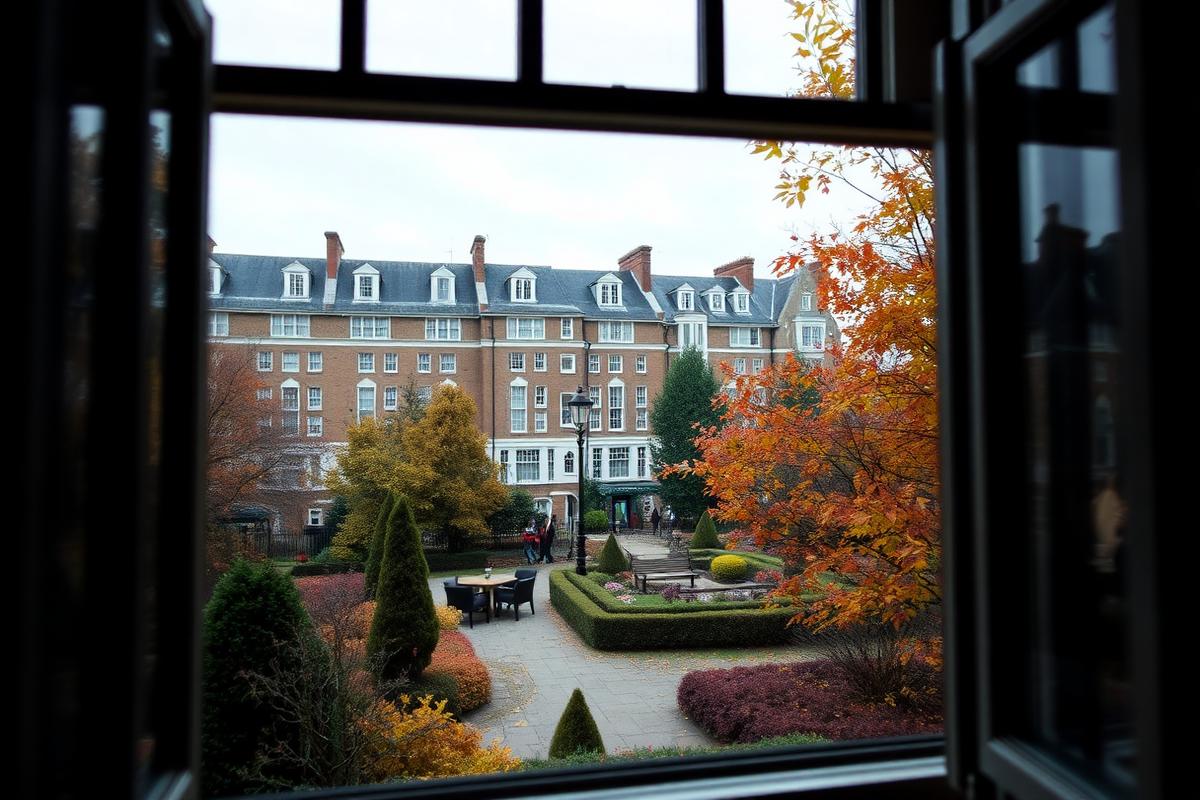
Living in Clapham means embracing one of south London's most dynamic and desirable neighbourhoods, where leafy Common-side tranquillity meets cosmopolitan energy. Split across SW4 and SW11 postcodes, this area has evolved from a Georgian retreat into a thriving residential hub that attracts young professionals, established families and everyone in between. Our team has watched Clapham mature into a neighbourhood that balances village charm with unmistakable urban sophistication, all centred around the 220 acres of Clapham Common that give the area its distinctive character.
What Is Clapham Like? The Character of SW4 and SW11
Clapham's identity divides naturally between its various enclaves, each with a distinct personality. Clapham Old Town, clustered around the ancient parish church of Holy Trinity, retains the most historic atmosphere with its independent shops, gastro-pubs and a palpable sense of heritage along The Pavement and Old Town. This is where Georgian and early Victorian architecture remains most intact, and where the Clapham lifestyle feels most village-like despite sitting firmly within Zone 2.
Clapham North brings a grittier, more contemporary edge, with Clapham High Street serving as the area's commercial artery. Here you'll find chain restaurants, late-night bars and the Clapham Picture House, alongside converted warehouse developments that have introduced modern flat living to complement the surrounding Victorian conversions. The section of Clapham Road running northward connects seamlessly to Stockwell, whilst the southern reaches near Clapham Common Northside offer some of the area's most coveted real estate.
Clapham South and Clapham Park present a quieter, more residential proposition. Tree-lined streets fan out from the Common's southern edge, with substantial family homes commanding premium prices. The terraces around Abbeville Village and the streets approaching Clapham Park have cultivated a reputation for boutique shopping and quality dining that rivals anywhere in south London. Meanwhile, the Common itself remains Clapham's defining feature—an expansive green lung for running, dog-walking, summer festivals and those quintessentially British moments of sitting on grass with a takeaway coffee.
The Property Market: Prices, Types and What to Expect
According to HM Land Registry Price Paid Data, Clapham recorded 166 sales with a median price of £540,000, reflecting the area's position as a mature, sought-after London market. The property landscape divides predictably by typology: flats dominate numerically with 127 transactions at a median of £490,000, ranging from £160,000 for smaller conversions to £1,460,000 for premium new-build or lateral apartments.
Terraced houses—the classic Clapham dwelling—saw 26 sales at a median of £1,075,000, with transactions spanning £370,000 to £2,370,000 depending on location, condition and proximity to the Common. The 10 semi-detached properties that changed hands commanded a median of approximately £1,510,558, reflecting scarcity value in an area where this housing type is relatively uncommon, with prices stretching from £445,000 to £3,100,000 for the most exceptional examples.
Our team regularly advises clients navigating Clapham's rental market, where ONS data shows studios ranging from £850 to £1,325 per month, one-bedroom flats between £1,125 and £1,750, and two-bedroom properties from £1,525 to £2,375. Family-sized homes command correspondingly higher rents: three-bedroom properties sit between £2,025 and £3,175, four-bedroom homes from £2,725 to £4,250, and five-plus bedroom houses from £3,575 to £5,575 monthly. These figures position Clapham firmly in London's mid-to-premium tier, reflecting both its Zone 2 location and enduring popularity.
For those exploring opportunities in the area, our [Clapham property listings](/property-for-sale/clapham) showcase the current market, whilst our detailed [Clapham house prices analysis](/house-prices/clapham) provides deeper insight into long-term trends and micro-market variations across the neighbourhood's various pockets.
Clapham Transport: Exceptional Connectivity Across London
Clapham transport links rank among south London's finest, with multiple Underground and National Rail stations stitching the area into the capital's wider fabric. Clapham Common station (Northern line) serves as the primary hub for many residents, offering direct access to the City via Bank and the West End through Tottenham Court Road, with journeys to central London typically under 20 minutes.
Clapham North station, also on the Northern line, provides an alternative entry point slightly closer to Stockwell, whilst Clapham South anchors the area's southern edge with identical connectivity. This trio of Underground stations means that most Clapham addresses sit within comfortable walking distance of tube access—a significant advantage over many outer London neighbourhoods.
The overground rail network adds further dimension to Clapham's transport proposition. Clapham High Street station on the London Overground connects eastward to Shoreditch, Dalston and Highbury & Islington, and westward through Wandsworth to Richmond and Clapham Junction—one of Britain's busiest railway interchanges. Wandsworth Road station offers additional National Rail services, whilst nearby Battersea Park and Vauxhall expand options further still. Multiple bus routes along Clapham High Street, Clapham Park Road and around the Common perimeter provide comprehensive surface transport, with night buses ensuring 24-hour connectivity that befits the area's vibrant social scene.
Talk to Seymont
What's your home worth?
A considered view on price, timing and how to bring your London home to market — a personal reply within 24 hours.
Your property
Step 1 of 2The Clapham Lifestyle: Common Culture and Social Infrastructure
The Clapham lifestyle revolves organically around the Common, which functions as drawing room, sports ground and event space for the entire neighbourhood. Weekend mornings see joggers circling the perimeter paths, yoga classes stretching on the grass, and the ponds attracting wildlife enthusiasts. Summer brings major festivals, outdoor cinema screenings and impromptu picnics that transform the green into south London's most democratic social venue.
Clapham's food and drink scene has matured considerably beyond its early-2000s reputation as purely a party destination. Whilst the pub Clapham search volume confirms that watering holes remain central to the area's identity—The Abbeville, The Avalon, The Prince of Wales and dozens more offer everything from craft beer to wine-focused menus—the restaurant landscape now encompasses serious dining alongside casual options. Abbeville Road and The Pavement host independent cafés, delis and bistros, whilst Venn Street Market provides weekday lunch options and weekend browsing.
Families appreciate the area's educational provision, with several well-regarded state primaries and secondaries supplemented by private options. Nurseries and childcare facilities cluster around the residential streets, and the Common itself provides unparalleled outdoor space for children—playgrounds, paddling pools and simply room to run. The demographic has broadened from the young professional stereotype to encompass multigenerational appeal, though the area retains an undeniably youthful energy that stems from excellent transport, vibrant hospitality and the gravitational pull of the Common itself.
For property investors and landlords, our [Clapham lettings service](/let-your-property/clapham) provides specialist knowledge of this rental market, whilst those seeking representation across all aspects of the area can explore our [estate agents in Clapham](/estate-agents/clapham) offering.
Living Here: Practical Considerations and Future Outlook
Clapham rewards those who appreciate urban convenience without sacrificing green space or neighbourhood character. The practicalities of daily life are well-served: Sainsbury's and Waitrose anchor the supermarket offering, while independent grocers, butchers and fishmongers around Old Town cater to more discerning tastes. Clapham Leisure Centre provides swimming and gym facilities, and private fitness studios proliferate along the High Street.
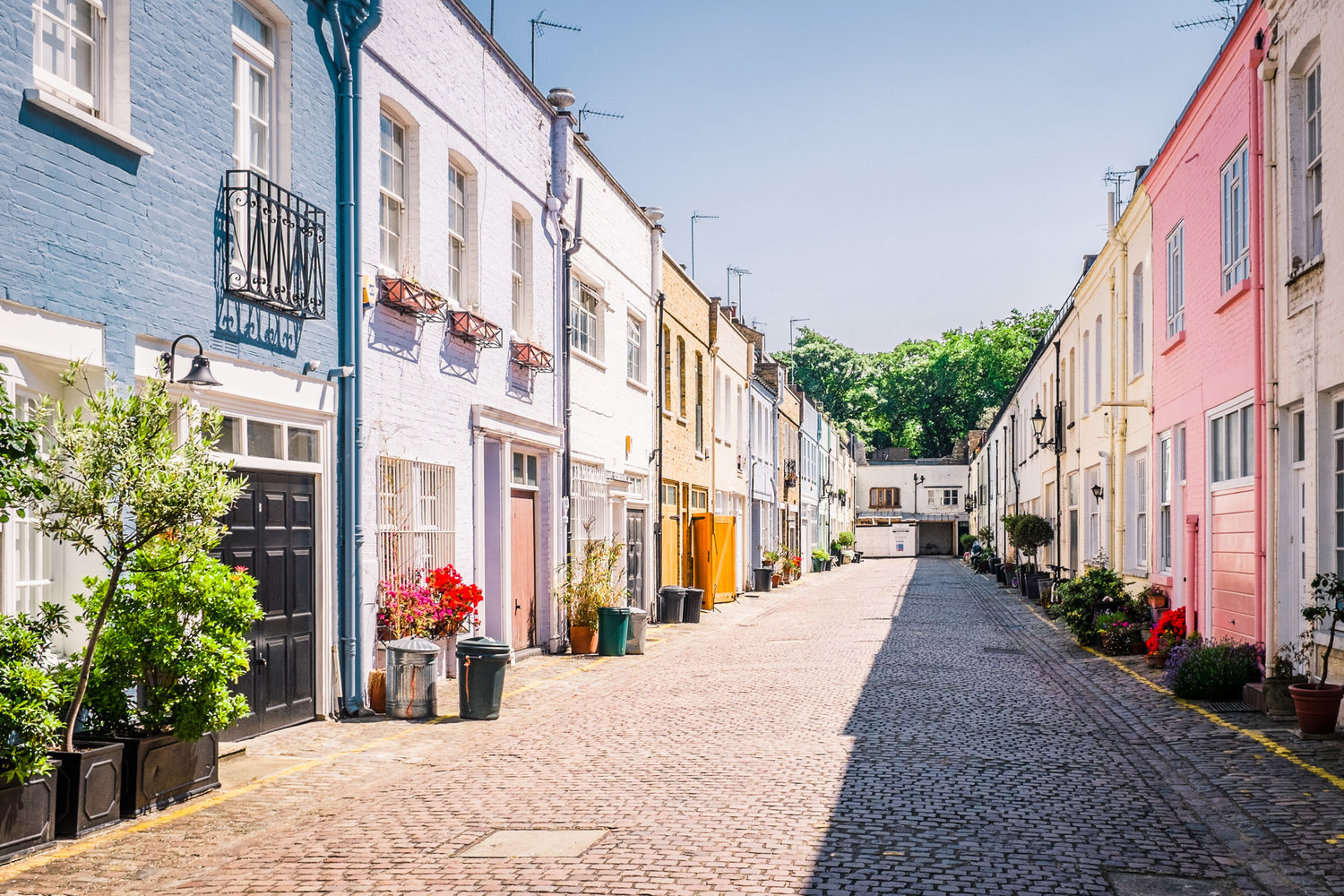
The area's challenges are those common to desirable inner London locations: competition for the best properties remains intense, parking can prove difficult in the Victorian terraced streets designed for the horse-and-cart era, and weekend evenings around the High Street bring the noise and activity that inevitably accompany a thriving night-time economy. Prospective residents should visit at various times—a Saturday afternoon on the Common presents a very different atmosphere to a Tuesday morning school run or a Friday night around the tube stations.
Looking forward, Clapham appears well-positioned to maintain its appeal. The physical infrastructure—those irreplaceable Victorian bones, the Common, the transport links—provides enduring fundamentals that transcend market cycles. Ongoing regeneration around Clapham Park Estate and continued investment in retail and hospitality suggest an area still evolving rather than resting on established laurels. The demographic diversity, from young renters to established families, creates resilience that mono-demographic neighbourhoods often lack.
What is Clapham like ultimately depends on which corner you inhabit and what you seek from an London address. Our team consistently observes that those drawn to the area value a certain energy and opportunity—the chance encounter in a pub Clapham residents have frequented for years, the festival stumbled upon while crossing the Common, the new restaurant that's replaced a familiar shopfront. It's a neighbourhood that rewards engagement, offers genuine community for those who seek it, and provides that increasingly rare London commodity: space to breathe, both literally on the Common and metaphorically in streets that balance density with liveability.
Talk to Seymont
What's your home worth?
A considered view on price, timing and how to bring your London home to market — a personal reply within 24 hours.
Your property
Step 1 of 2About the author
Julian ReyesLicensed Real Estate Agent
Julian has spent eleven years handling residential sales across west and central London, previously with the independent agencies Harlowe & Vance and Marchmont Row. He runs listings end to end, from pricing and presentation through to negotiating offers and holding chains together to completion. His writing focuses on the practical mechanics of buying and selling a home in a market where timing and preparation decide the outcome.
Licensed estate agent · 11 years in London residential sales
- Residential sales
- First-time buyers
- Offer negotiation
- Chain management
Frequently asked
- Is Clapham a good area to live in London?
- Clapham ranks among south London's most desirable residential areas, offering exceptional transport connectivity with multiple Northern line stations and London Overground services, the 220-acre Clapham Common for green space, and a mature social infrastructure spanning independent shops, quality restaurants and respected schools. The median property price of £540,000 (HM Land Registry) reflects sustained demand from young professionals and families alike. The area balances urban energy with village pockets, particularly around Old Town, making it suitable for various lifestyles.
- What is the difference between Clapham North, South and Old Town?
- Clapham North centres on Clapham High Street with a more contemporary, bustling character featuring chain restaurants, bars and modern flat conversions. Clapham South and the streets around Clapham Park offer quieter, more residential settings with substantial family homes and boutique shopping around Abbeville Village. Clapham Old Town clusters around Holy Trinity church and The Pavement, retaining the most historic atmosphere with Georgian architecture, independent traders and a village feel despite its Zone 2 location. Each area shares access to the Common but offers distinct day-to-day environments.
- How much does it cost to rent in Clapham?
- According to ONS rental data, Clapham studios range from £850 to £1,325 per month, one-bedroom flats from £1,125 to £1,750, and two-bedroom properties from £1,525 to £2,375. Family-sized accommodation commands higher rents: three-bedroom homes sit between £2,025 and £3,175 monthly, four-bedroom properties from £2,725 to £4,250, and five-plus bedroom houses from £3,575 to £5,575. Variations depend on proximity to the Common, station access, property condition and specific micro-locations across SW4 and SW11 postcodes.
- How long does it take to get from Clapham to central London?
- Clapham Common, Clapham North and Clapham South stations on the Northern line typically deliver passengers to central London destinations in under 20 minutes—approximately 12 minutes to Leicester Square, 15 minutes to Tottenham Court Road, and 18 minutes to Bank. Clapham High Street station on the London Overground reaches Shoreditch High Street in roughly 25 minutes. The combination of three Underground stations and multiple rail services means most Clapham addresses enjoy excellent connectivity to the City, West End and Canary Wharf.
- What are the best streets to live on in Clapham?
- The most sought-after addresses typically border Clapham Common—particularly the Northside and Southside terraces offering direct Common views and access. The streets around Abbeville Village (Abbeville Road, Elms Road, Sisters Avenue) attract families seeking boutique shops and restaurants alongside residential calm. In Old Town, The Pavement and streets radiating from Holy Trinity church retain historic character and independent retailers. Ultimately, the 'best' street depends on individual priorities: proximity to specific stations, period architecture, garden size, school catchments or the particular atmosphere each enclave provides across this diverse neighbourhood.