Journal
The Best Areas to Live in Clapham
Written by Nina Castellano · Investment Property Advisor
Published 14 March 2026 · Updated 12 August 2026 · 7 min read
The short answer
When it comes to finding the best areas to live in Clapham, this south-west London neighbourhood offers a remarkable diversity of character across its distinct districts. From the grand Victorian terraces flanking the Common to the village charm of Old Town and the creative energy of Clapham North, each pocket has developed its own personality whilst retaining the sociable, park-centric lifestyle that makes this one of London's most sought-after locations.
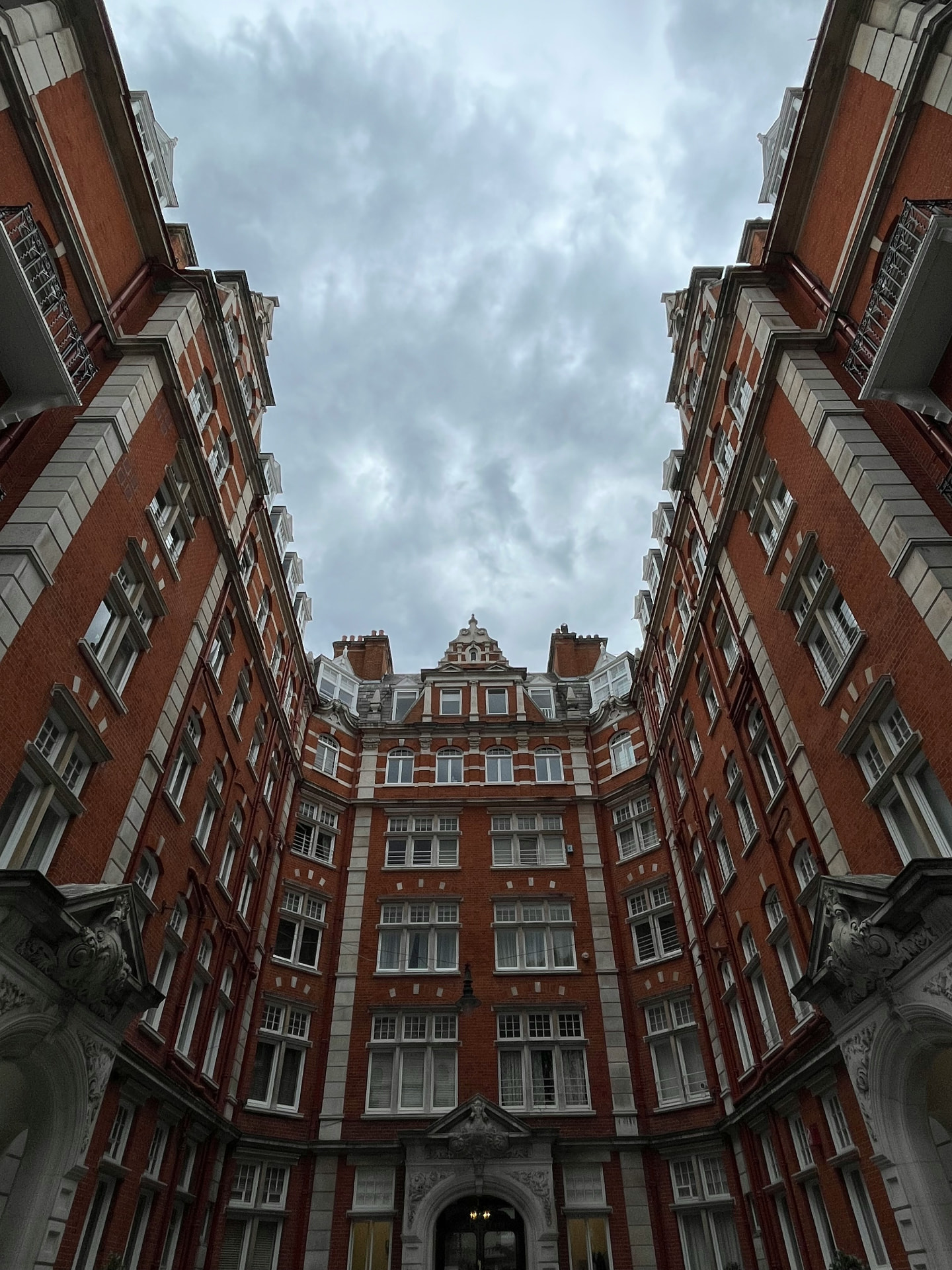
When it comes to finding the best areas to live in Clapham, this south-west London neighbourhood offers a remarkable diversity of character across its distinct districts. From the grand Victorian terraces flanking the Common to the village charm of Old Town and the creative energy of Clapham North, each pocket has developed its own personality whilst retaining the sociable, park-centric lifestyle that makes this one of London's most sought-after locations. At Seymont London, we've guided countless clients through Clapham's micro-markets, and our on-the-ground experience reveals why choosing the right neighbourhood here makes all the difference to your daily life.
Clapham Common: The Green Heart
Clapham Common remains the address of choice for those seeking gracious period homes alongside one of London's finest green spaces. The streets radiating from the 220-acre Common—particularly the elegant Northside, Westside and Southside crescents—feature some of the area's most impressive Victorian and Georgian architecture, with many properties enjoying direct views across the parkland.
According to HM Land Registry data, the premium commanded by Common-side living is evident in recent sales figures, with semi-detached properties achieving a median price of £1,510,558. The appeal extends beyond aesthetics: the Common hosts year-round farmers' markets, outdoor events, and provides immediate access to running routes, tennis courts and open-air swimming at the lido. Families particularly value the combination of garden squares, excellent transport links via Clapham Common station, and the abundance of cafés along The Pavement.
The streets immediately surrounding the Common—including Cedars Road, The Chase, and Orlando Road—offer slightly more accessible entry points whilst maintaining the neighbourhood's leafy character. Here, the mix of mansion flats and family houses attracts a diverse community of young professionals, established families and downsizers seeking the perfect balance of greenery and urban convenience.
For those exploring [property for sale in Clapham](/property-for-sale/clapham), we consistently find that Common-adjacent locations offer the strongest long-term value retention, though competition for well-presented homes remains fierce throughout the year.
Clapham Old Town: Village Charm Meets Urban Energy
Clapham Old Town, centred around the historic parish church of Holy Trinity and the characterful Old Town itself, represents where to live in Clapham for those seeking a genuine neighbourhood feel. This pocket has retained an almost village-like atmosphere despite its Zone 2 location, with independent shops, traditional pubs including The Windmill, and a strong sense of community that sets it apart from busier Clapham High Street.
The architectural appeal here centres on elegant Georgian and early Victorian townhouses along streets such as Old Town, Rectory Grove, and the picturesque Crescent Grove. Recent HM Land Registry data shows terraced properties in Clapham achieving a median price of £1,075,000, with Old Town's period homes typically commanding a premium for their historical character and generous proportions. The conversion flats in these grand houses offer more accessible options, with flats recording a median of £490,000 across 127 recent transactions.
What distinguishes Old Town is its proximity to both Clapham Common and Clapham North stations, providing excellent connectivity whilst remaining slightly removed from the high street bustle. The area attracts a mix of creative professionals, young families and long-term residents who value the established independent retailers, the weekly farmers' market, and the network of quiet residential streets that feel remarkably peaceful for inner London.
Our team at [Seymont's Clapham estate agents](/estate-agents/clapham) office frequently notes that Old Town properties tend to remain on the market for shorter periods than the Clapham average, reflecting the enduring appeal of this distinctive micro-neighbourhood.
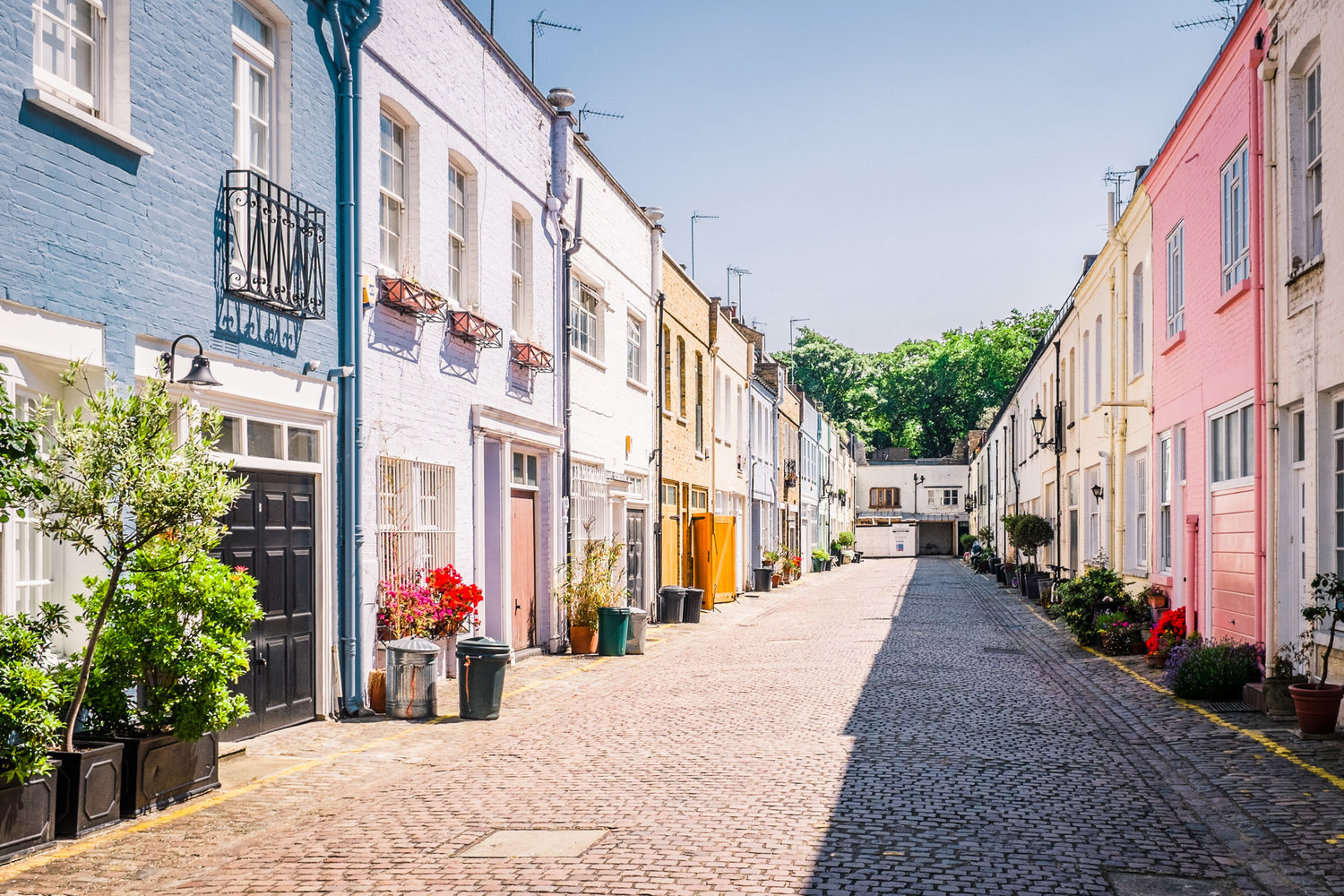
Clapham North: Creative Energy and Transport Links
Clapham North has emerged as the dynamic, youthful face of the area, centred around Clapham High Street and its Northern Line station. This neighbourhood pulses with independent restaurants, late-night venues, and the creative industries that have increasingly made this corner of south London their home. The Clapham North streets extending towards Stockwell offer some of the most competitively priced entry points into the Clapham market.
The housing stock here leans heavily towards purpose-built mansion flats and Victorian conversions, perfectly suited to the young professionals and sharers who form the core demographic. According to ONS rental data, one-bedroom properties in Clapham range from £1,125 to £1,750 per month, with Clapham North typically occupying the lower to middle band of that spectrum—offering genuine value whilst maintaining excellent transport connectivity.
Clapham High Street itself has undergone significant regeneration in recent years, with the arrival of quality restaurants, fitness studios and co-working spaces transforming what was once a purely functional thoroughfare into a destination in its own right. For those prioritising nightlife, cultural venues and a more urban aesthetic over traditional suburbia, this is where to live in Clapham.
The pocket between Clapham North station and Clapham Common provides an interesting middle ground, with streets like Voltaire Road and Baytree Road offering proximity to both the transport hub and the green space, making them increasingly popular with buyers seeking the best of both environments.
Talk to Seymont
What's your home worth?
A considered view on price, timing and how to bring your London home to market — a personal reply within 24 hours.
Your property
Step 1 of 2Clapham South and Abbeville Village: Family-Friendly Retreats
Clapham South represents the family heartland of the area, with Abbeville Village forming its crown jewel. This southwestern corner feels distinctly more residential than its northern counterparts, with tree-lined streets, larger gardens, and a concentration of the outstanding primary schools that make Clapham best streets for families raising children. Abbeville Road itself functions as a charming high street in miniature, lined with delis, boutiques and cafés that cater to the neighbourhood's affluent, family-oriented demographic.
The property landscape here skews towards substantial Victorian and Edwardian family homes, many retaining original features and generous rear gardens. HM Land Registry data showing semi-detached properties at a median of over £1.5 million reflects the premium that families place on space and location. However, the conversion flats in the grand houses surrounding Clapham South station offer more accessible options for those seeking to establish themselves in this desirable postcode.
Clapham Park, extending east towards Brixton, provides another family-friendly option with larger properties often available at slightly lower price points than the prime Abbeville enclave. Recent regeneration has enhanced the area's appeal, whilst maintaining the community atmosphere and green spaces that attract families. According to ONS data, three-bedroom properties here range from £2,025 to £3,175 per month for rentals, positioning Clapham Park as an interesting alternative for those priced out of prime locations.
For comprehensive insights into value across different Clapham neighbourhoods, our detailed [house prices in Clapham](/house-prices/clapham) analysis provides current market context for buyers weighing their options.
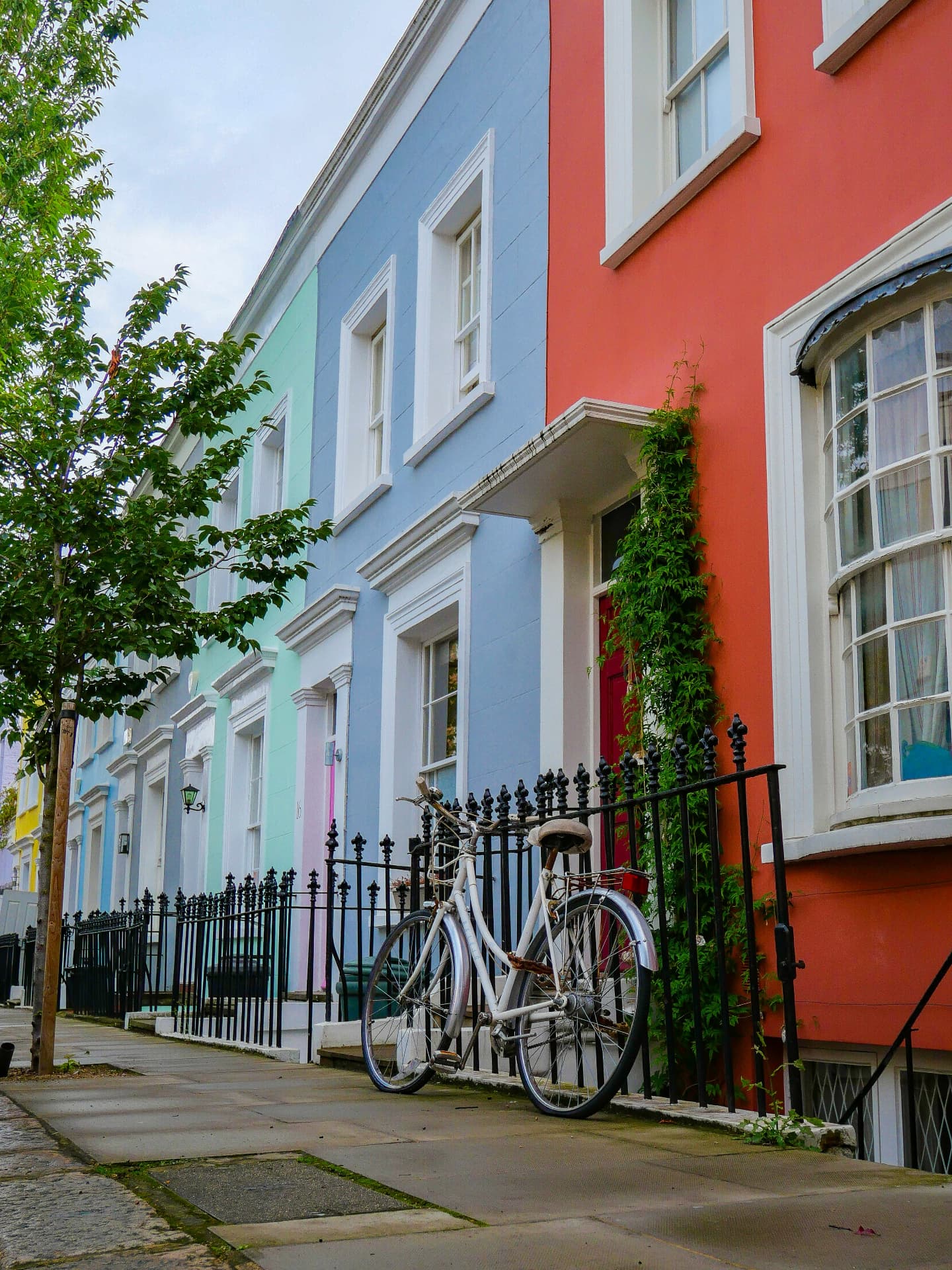
Understanding Clapham's Property Market
The property landscape across Clapham's neighbourhoods reveals fascinating variations in both price and property type. Recent HM Land Registry data covering 166 sales shows a median price of £540,000 across all property types, but this headline figure masks significant neighbourhood variation. Flats, which dominated transactions with 127 sales, achieved a median of £490,000, whilst the 26 terraced house sales recorded a median of £1,075,000—more than double the flat median.
What makes Clapham particularly interesting from an investment perspective is its layered market. Those seeking rental yields might focus on the robust demand for one and two-bedroom flats near Clapham North and Clapham High Street, where young professionals and sharers sustain consistent occupancy. ONS data shows studios commanding £850-£1,325 monthly, whilst two-bedroom properties range from £1,525 to £2,375, reflecting the premium tenants place on space and location within the area.
For families considering a longer-term investment, the premium streets around Clapham Common and in Abbeville Village have historically demonstrated strong capital appreciation, supported by the enduring appeal of period architecture, green space and excellent schools. Four-bedroom properties currently rent for £2,725-£4,250 monthly according to ONS figures, whilst five-bedroom homes command £3,575-£5,575, indicating the substantial market for larger family accommodation.
Landlords exploring opportunities should review our [property letting services in Clapham](/let-your-property/clapham) to understand how different neighbourhoods perform in the rental market and which property types currently achieve optimal returns.
Choosing Your Perfect Clapham Neighbourhood
Selecting between Clapham's neighbourhoods ultimately depends on lifestyle priorities rather than any objective hierarchy of desirability. The best areas to live in Clapham for a young professional seeking vibrant nightlife and quick access to central London differ markedly from those ideal for a family prioritising garden space, schools and community feel.
We guide clients through a framework of questions: How important is direct green space access versus a shorter commute? Do you value period character over modern convenience? Is a strong village community more important than proximity to nightlife? The answers naturally point towards different Clapham neighbourhoods—Common-side for park access and grandeur, Old Town for village charm, North for energy and value, South and Abbeville for family life.
The transport infrastructure provides another decision axis, with Clapham Common, Clapham North and Clapham South stations all offering Northern Line connections, whilst Clapham High Street provides Overground services. These subtle differences in journey times and frequencies can significantly impact daily life, particularly for those commuting to specific London destinations.
What unites all these neighbourhoods is the fundamental Clapham lifestyle: a sociable, park-centric community that balances urban convenience with residential calm, supported by outstanding transport links and an ever-evolving food and drink scene. Whether you're drawn to the grand terraces overlooking the Common or the creative energy of the high street, Clapham's neighbourhoods each offer their own compelling version of modern London living.
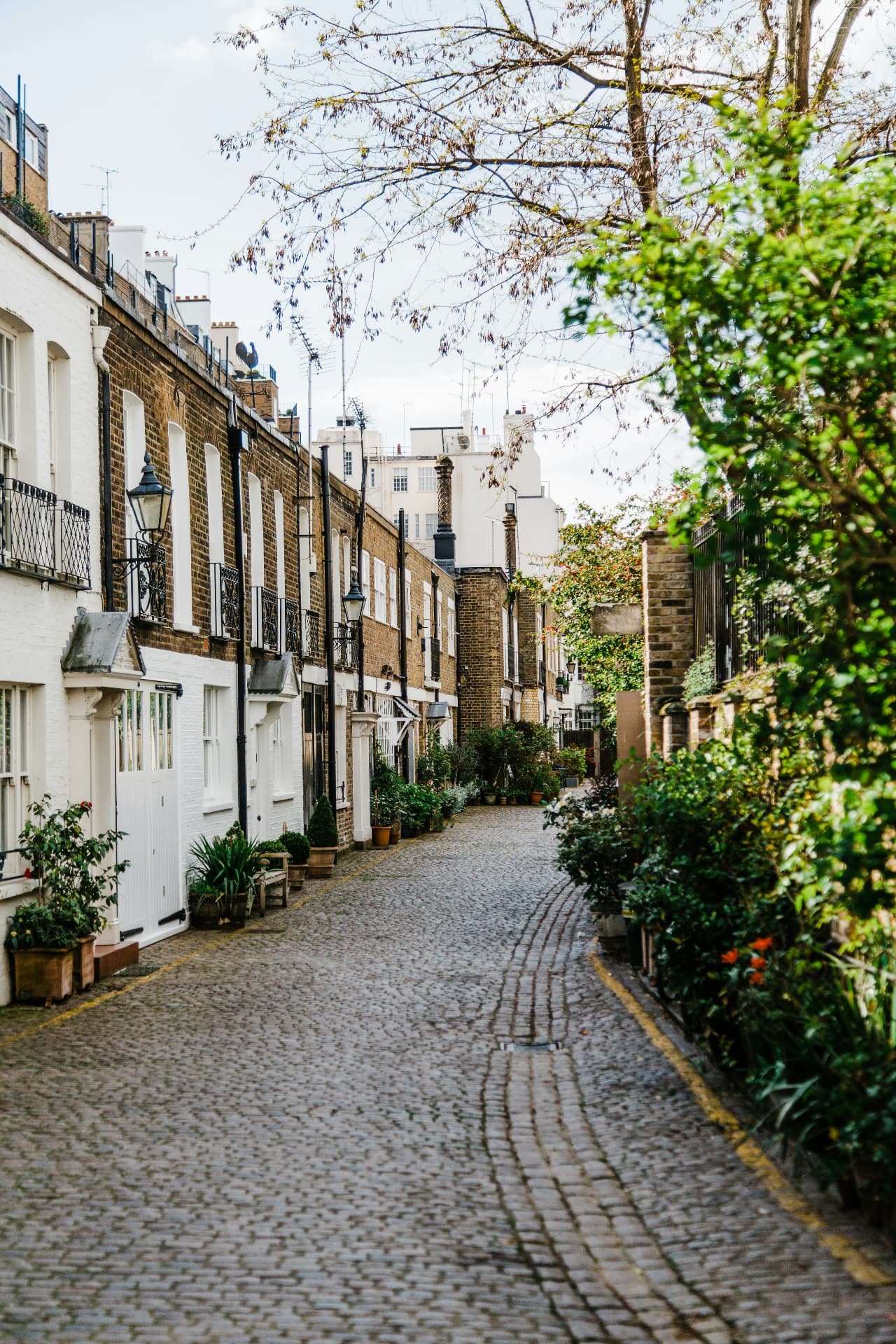
Talk to Seymont
What's your home worth?
A considered view on price, timing and how to bring your London home to market — a personal reply within 24 hours.
Your property
Step 1 of 2About the author
Nina CastellanoInvestment Property Advisor
Nina advises landlords and investors on rental yields, tenant demand and portfolio structure across Greater London, after running lettings and management at Bellhouse Property Partners. She has overseen single units and multi-property portfolios, and works through compliance, void periods and running costs before a purchase is agreed. Her articles deal with the numbers behind a buy-to-let rather than the headline gross yield.
Lettings and portfolio management · 9 years in London rentals
- Buy-to-let
- Rental yields
- Portfolio strategy
- Landlord compliance
Frequently asked
- Which part of Clapham is best for families?
- Clapham South and Abbeville Village are widely considered the best areas for families, offering larger properties with gardens, outstanding primary schools, and a strong community atmosphere. The streets around Abbeville Road provide a village-like environment with independent shops and cafés, whilst remaining well-connected via Clapham South station. Clapham Common's Northside and Westside also attract families seeking period homes with direct access to the park's 220 acres of green space.
- What is the average house price in Clapham?
- According to recent HM Land Registry data, the median property price in Clapham stands at £540,000 across all types. However, this varies significantly by property type: flats achieve a median of £490,000, terraced houses £1,075,000, and semi-detached properties £1,510,558. Location within Clapham also impacts pricing, with properties overlooking or near Clapham Common typically commanding a premium over those closer to Clapham North or Clapham Park.
- Is Clapham North or Clapham South better?
- The choice depends entirely on lifestyle priorities. Clapham North offers a younger, more vibrant atmosphere with excellent nightlife along Clapham High Street, proximity to creative industries, and typically more affordable property prices. Clapham South provides a quieter, family-oriented environment centred around Abbeville Village, with larger properties, better schools, and a strong community feel. Both areas benefit from Northern Line stations providing similar connectivity to central London.
- How much does it cost to rent in Clapham?
- According to ONS data, rental costs in Clapham vary by property size: studios range from £850-£1,325 monthly, one-bedroom flats £1,125-£1,750, two-bedroom properties £1,525-£2,375, and three-bedroom homes £2,025-£3,175. Four-bedroom properties command £2,725-£4,250, whilst five-bedroom homes range from £3,575-£5,575 per month. Location within Clapham significantly affects where properties fall within these ranges, with Common-adjacent and Abbeville Village homes typically at the upper end.
- What is Clapham Old Town known for?
- Clapham Old Town is renowned for its village atmosphere within Zone 2 London, centred around the historic Holy Trinity church and characterful independent shops along Old Town itself. The area features some of Clapham's finest Georgian and early Victorian architecture, including elegant townhouses along Rectory Grove and Crescent Grove. It's particularly valued for its community feel, traditional pubs like The Windmill, weekly farmers' market, and the balance of residential calm with excellent transport connectivity via both Clapham Common and Clapham North stations.