Journal
Living in Belgravia
Written by Amara Bennett · Property Market Analyst
Published 20 June 2026 · Updated 25 July 2026 · 8 min read
The short answer
Living in Belgravia places you at the heart of one of London's most distinguished postcodes, where cream-stuccoed Georgian terraces frame pristine garden squares and discreet luxury defines every corner. This historic enclave, nestled between Knightsbridge, Chelsea and Victoria, has remained synonymous with refined urban living since the 1820s, when Thomas Cubitt transformed the Grosvenor family's marshland into an architectural masterpiece.
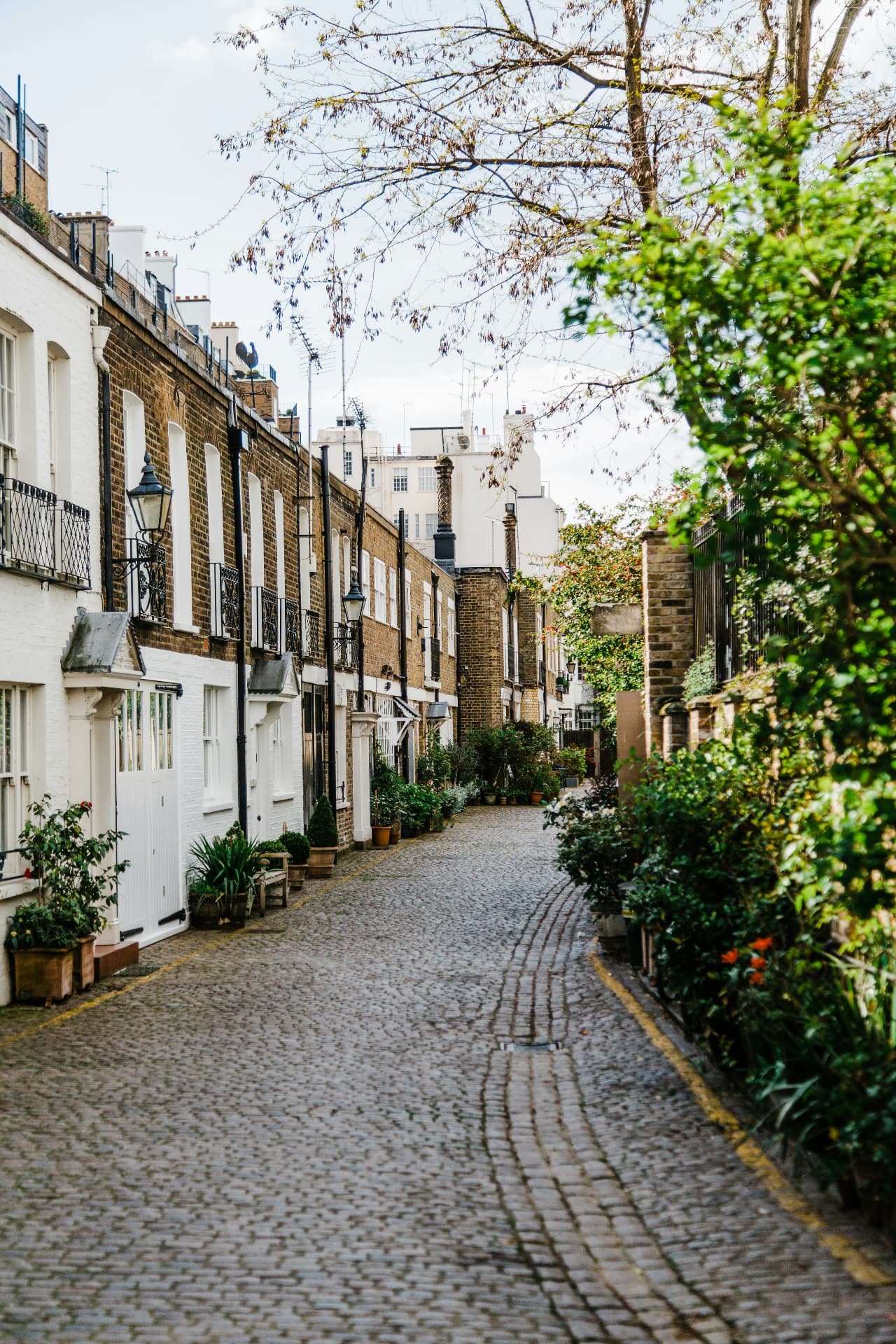
Living in Belgravia places you at the heart of one of London's most distinguished postcodes, where cream-stuccoed Georgian terraces frame pristine garden squares and discreet luxury defines every corner. This historic enclave, nestled between Knightsbridge, Chelsea and Victoria, has remained synonymous with refined urban living since the 1820s, when Thomas Cubitt transformed the Grosvenor family's marshland into an architectural masterpiece. Today, Belgravia continues to attract those seeking an unparalleled lifestyle that balances supreme central London convenience with the tranquillity of a village-like atmosphere, all within a setting of breathtaking architectural uniformity.
The Character and Architecture of Belgravia London
Belgravia's distinctive character stems from its planned development as a unified estate, resulting in the remarkable architectural consistency that defines the area today. The grand terraces surrounding Belgrave Square, Eaton Square and Chester Square showcase Thomas Cubitt's vision of elegant, classical proportions rendered in cream stucco with ornate ironwork balconies and private communal gardens. Unlike the organic growth of other London neighbourhoods, every street here reflects deliberate Georgian and Victorian design principles.
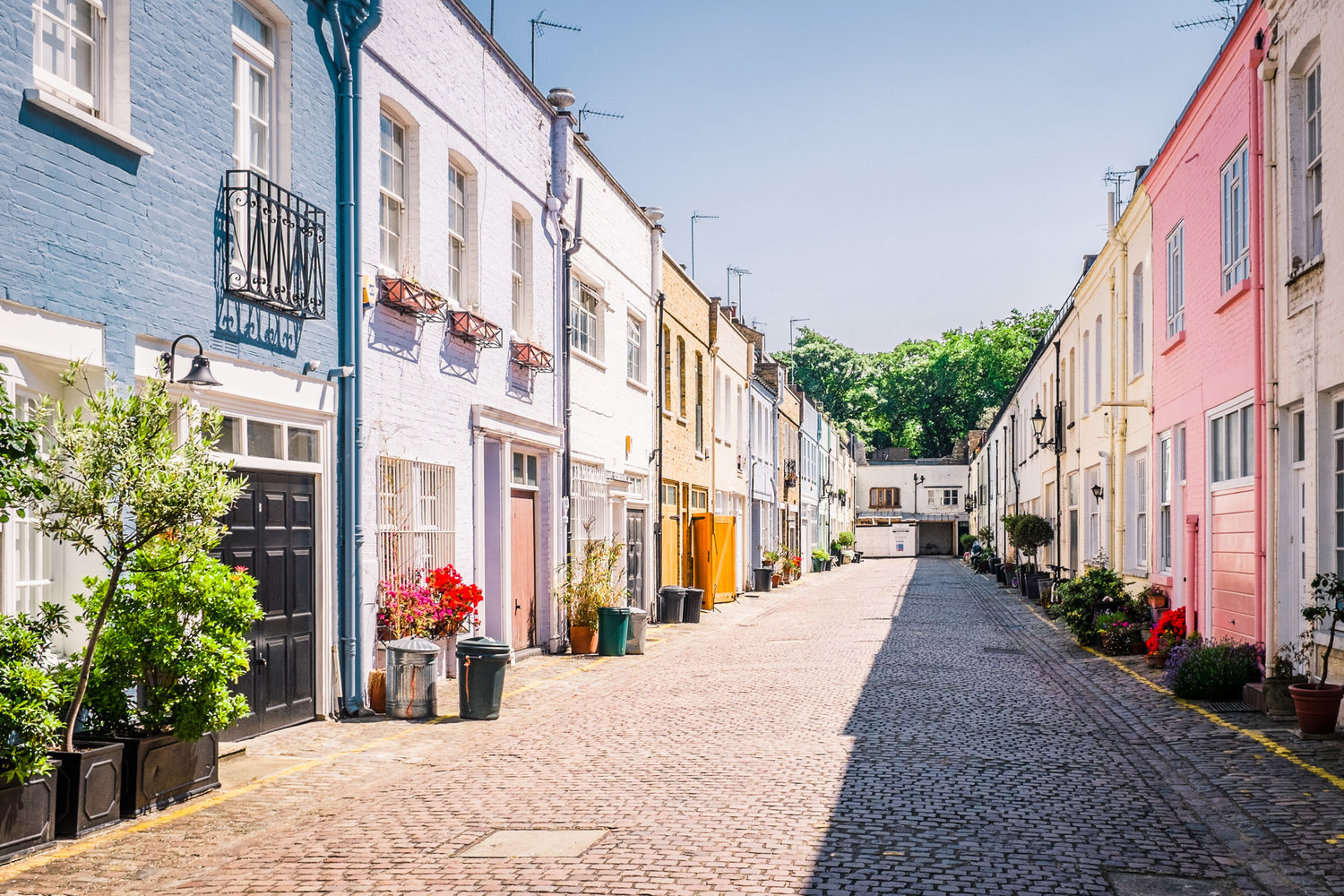
The neighbourhood divides naturally into two distinct zones. East Belgravia centres on the grandeur of Belgrave Square and the garden-lined expanse of Eaton Square, where many embassies occupy magnificent townhouses. West Belgravia, anchored by Elizabeth Street and Eccleston Street, offers a more intimate scale with mews houses converted from former carriage buildings, independent shops and neighbourhood restaurants. South Eaton Place Belgravia exemplifies the area's quieter residential streets, where period properties maintain their historic integrity whilst incorporating modern interiors.
The Grosvenor Estate continues to own much of Belgravia, ensuring strict planning controls that preserve the area's architectural heritage. This stewardship means that even contemporary refurbishments respect the external uniformity, whilst interiors can be transformed to meet modern expectations. Walking through Belgravia's streets feels like stepping into a perfectly preserved period drama, yet behind those elegant facades lie some of London's most sophisticated residences equipped with every contemporary convenience.
What Is Belgravia Like: The Lifestyle and Daily Experience
The Belgravia lifestyle revolves around understated sophistication rather than conspicuous display. Residents value privacy, security and quality above all else, creating a neighbourhood atmosphere that feels both exclusive and quietly welcoming. The streets remain remarkably peaceful despite the central location, with minimal through-traffic and an absence of the bustle that characterises many London districts. Garden squares accessible only to residents provide serene green spaces where the capital's noise fades to birdsong.
Elizabeth Street forms the neighbourhood's beating heart, hosting independent boutiques, artisan food shops and welcoming cafés that foster a genuine village community. The twice-weekly Pimlico Road Farmers' Market supplies fresh produce, whilst Motcomb Street and Kinnerton Street offer additional pockets of local commerce. Unlike areas dominated by chain stores, Belgravia's retail landscape celebrates craftsmanship and personal service, from bespoke tailors to family-run delicatessens.
Belgravia hotels, including The Lanesborough, The Berkeley and the Belgravia mansion-style boutique properties, contribute to the area's international character without overwhelming its residential nature. These establishments attract discerning visitors who appreciate the neighbourhood's refinement, and their presence ensures exceptional standards across local services. For residents, this translates to access to world-class hotel restaurants, bars and amenities right on the doorstep.
The social calendar here operates at a different register to other London neighbourhoods. Rather than raucous nightlife, residents enjoy private members' clubs, intimate supper clubs and cultural events at nearby institutions. The proximity to the Royal Albert Hall, the theatres of the West End and the galleries of Mayfair means that Belgravia serves as an ideal base for London's cultural offerings whilst providing a tranquil retreat afterwards.
Best Restaurants in Belgravia London
Belgravia's dining scene reflects the neighbourhood's character: refined, diverse and consistently excellent. The best restaurants in Belgravia range from Michelin-starred establishments to neighbourhood bistros, each offering exceptional quality without the need for ostentation. Céleste at The Lanesborough delivers opulent French fine dining beneath a stunning glass dome, whilst The Thomas Cubitt on Elizabeth Street provides a relaxed British menu in a handsome pub setting that attracts both residents and visitors.
For those seeking the best restaurants in Belgravia London for special occasions, Marcus at The Berkeley showcases Marcus Wareing's modern European cuisine, whilst Amesta combines Spanish influences with seasonal British ingredients in an elegant setting. The Goring Dining Room, technically just beyond Belgravia's borders but very much part of the neighbourhood's dining circuit, holds a Michelin star for its accomplished British cooking and impeccable service.
The best restaurants Belgravia has to offer extend beyond formal dining. Pantechnicon on Motcomb Street blends Nordic and Japanese cuisines across multiple floors, including a rooftop terrace. Olivomare brings Sardinian seafood excellence to Belgravia, whilst Kouzu offers sophisticated Japanese dining. Elizabeth Street alone hosts an impressive concentration of quality establishments, from Italian trattorias to modern European bistros, ensuring residents need never venture far for exceptional meals.
Our team at Seymont London regularly recommends that prospective residents explore Belgravia's dining landscape as part of understanding the neighbourhood's lifestyle. The restaurant scene here exemplifies the area's balance of international sophistication and local community, where celebrated chefs operate alongside neighbourhood favourites that have served residents for decades.
Talk to Seymont
What's your home worth?
A considered view on price, timing and how to bring your London home to market — a personal reply within 24 hours.
Your property
Step 1 of 2Belgravia Transport Links and Connectivity
Belgravia transport connections rank among central London's finest, with multiple Underground stations and bus routes ensuring rapid access across the capital. Victoria Station sits on Belgravia's southern edge, providing Underground services on the Circle, District and Victoria lines, alongside mainline rail connections to Gatwick Airport, Brighton and the South Coast. This makes Belgravia particularly attractive to residents who travel frequently or maintain properties outside London.
Sloane Square station (Circle and District lines) serves western Belgravia, connecting directly to South Kensington, King's Cross and the City. Hyde Park Corner and Knightsbridge stations on the Piccadilly line lie within comfortable walking distance to the north, offering direct routes to Heathrow Airport, the West End and beyond. This density of Underground access means most of London becomes accessible within 30 minutes, whilst the neighbourhood itself remains eminently walkable for those preferring to explore on foot.
Numerous bus routes traverse Belgravia, connecting to neighbouring districts and central London destinations. The area's location makes walking a genuine alternative for many journeys – Buckingham Palace, Harrods, Sloane Street's luxury retail and Green Park all lie within a ten-minute stroll. For longer journeys, black cab availability remains excellent throughout the neighbourhood, and private car services operate seamlessly on Belgravia's wide, well-maintained streets.
Those considering [property for sale in Belgravia](/property-for-sale/belgravia) frequently cite transport connectivity as a key factor. The combination of international rail access, comprehensive Underground coverage and central location means residents can maintain demanding professional schedules whilst enjoying a prestigious residential address. Our experience at Seymont London confirms that Belgravia's connectivity significantly enhances its appeal to both domestic and international buyers.
Property Market: Prices, Types and Rental Values
According to HM Land Registry Price Paid Data, Belgravia's property market recorded 28 sales with a median price of £1,800,000 in the most recent period. This figure encompasses a diverse range of property types, from converted mews houses to grand terraces overlooking the area's famous garden squares. The market demonstrates Belgravia's enduring appeal across different property categories, each attracting distinct buyer profiles.
Flats dominated recent transactions with 17 sales at a median price of £1,049,280, ranging from £330,000 to £4,850,000. This category includes everything from compact one-bedroom apartments ideal for pied-à-terre buyers to expansive lateral apartments spanning entire floors of period buildings. Terraced properties recorded 8 sales at a median of £2,812,500 (ranging from £1,250,000 to £11,000,000), reflecting the premium commanded by Belgravia's iconic townhouses. Properties classified as 'other' – typically commercial conversions or unique assets – showed a median of £2,200,000 across 3 transactions.
For those exploring [houses for sale in London](/property-for-sale/belgravia), Belgravia represents the pinnacle of central London living, where property values reflect not just location but the entire lifestyle package. Our team at [Seymont London's Belgravia estate agents](/estate-agents/belgravia) observes consistent demand from international buyers, established London families seeking prime addresses, and investors recognising Belgravia's enduring value retention.
Rental values, according to ONS data, reflect Belgravia's premium positioning. Studios range from £2,750 to £4,300 per month, whilst one-bedroom properties command £3,625 to £5,675. Two-bedroom homes range from £4,950 to £7,725 monthly, with three-bedroom properties between £6,600 and £10,300. Four-bedroom residences reach £8,800 to £13,750, whilst five-bedroom properties and larger command £11,550 to £18,025 per month. These figures demonstrate the investment required for Belgravia living, though many residents consider the location, security and prestige well worth the premium. Those interested in rental opportunities can explore options through our [Belgravia letting service](/let-your-property/belgravia).
Education, Green Spaces and Practical Considerations
Belgravia's central location provides access to some of London's most prestigious educational institutions, though the neighbourhood itself contains limited schools due to its dense residential character. The French Lycée, Hill House International School and various independent preparatory schools lie within easy reach. Many Belgravia families opt for established institutions in neighbouring Knightsbridge, Chelsea and Westminster, with school runs simplified by the area's compact geography and excellent transport links.
Green space in Belgravia takes the form of its magnificent private garden squares, accessible only to residents of surrounding properties. Belgrave Square's central gardens span several acres of immaculately maintained lawns, mature trees and seasonal plantings, providing a genuine oasis in central London. Eaton Square's garden stretches even further, creating a green corridor through the neighbourhood. For larger parks, Hyde Park and Green Park lie minutes away on foot, offering extensive grounds for recreation, whilst the Thames Path and Battersea Park provide additional options across the river.
Practical amenities meet the high standards expected in such a prestigious postcode. While Belgravia Avenue and similar addresses offer local convenience stores, residents typically supplement neighbourhood shopping with visits to nearby Knightsbridge (home to Harrods and Harvey Nichols), Sloane Square and Victoria. Medical services include private practices and the nearby Chelsea and Westminster Hospital, whilst concierge services through many residential buildings handle everything from dry cleaning to property maintenance.
For detailed analysis of property values and market trends, our [Belgravia house prices guide](/house-prices/belgravia) provides comprehensive data to inform your decisions. We've observed that successful Belgravia residents embrace the neighbourhood's unique character – valuing architectural beauty, historical significance and refined living over trendy dining scenes or late-night entertainment, both of which remain readily accessible in adjacent areas when desired.
Talk to Seymont
What's your home worth?
A considered view on price, timing and how to bring your London home to market — a personal reply within 24 hours.
Your property
Step 1 of 2About the author
Amara BennettProperty Market Analyst
Amara spent seven years as a market analyst at Kestrel Lane Research, a small London property consultancy, before joining our editorial desk. She reads sold-price and rental data street by street to explain how individual London postcode districts actually behave, and reviews every price figure we publish. Her focus is separating headline national averages from what a specific address is worth today.
MSc Real Estate Economics · Seven years in property market research
- Valuations
- Local market data
- Sold prices
- Pricing strategy
Frequently asked
- Is Belgravia a good area to live in London?
- Belgravia consistently ranks among London's most desirable residential areas, offering exceptional security, architectural beauty, and supreme central location. The neighbourhood provides a village-like atmosphere with private garden squares, whilst placing residents within walking distance of Knightsbridge, Chelsea, Westminster and the West End. The Grosvenor Estate's ongoing stewardship maintains property standards, and the combination of prestigious addresses, excellent transport links and refined lifestyle amenities makes Belgravia particularly attractive to established families, international professionals and those seeking a prestigious London base.
- What is the average property price in Belgravia?
- According to HM Land Registry data, the median property price in Belgravia stands at £1,800,000 across all property types. Flats show a median of £1,049,280 (ranging from £330,000 to £4,850,000), whilst terraced houses command a median of £2,812,500 (from £1,250,000 to £11,000,000). These figures reflect Belgravia's position as one of London's prime postcodes, where property values encompass not just the building but access to the neighbourhood's lifestyle, security and enduring prestige.
- How much does it cost to rent in Belgravia?
- Rental costs in Belgravia reflect its premium status. ONS data shows studios ranging from £2,750 to £4,300 monthly, one-bedroom properties from £3,625 to £5,675, two-bedroom homes from £4,950 to £7,725, and three-bedroom residences from £6,600 to £10,300. Larger properties command £8,800 to £13,750 for four bedrooms, and £11,550 to £18,025 monthly for five bedrooms or more. These prices reflect exceptional location, security, property quality and the prestige of a Belgravia address.
- What are the transport links like in Belgravia?
- Belgravia enjoys outstanding transport connectivity with Victoria Station providing Underground (Circle, District and Victoria lines) and mainline rail services to Gatwick Airport and the South Coast. Sloane Square station serves western Belgravia with Circle and District line access, whilst Hyde Park Corner and Knightsbridge stations offer Piccadilly line connections including direct routes to Heathrow. Multiple bus routes traverse the area, and the central location makes walking viable for reaching Knightsbridge, Westminster, Chelsea and the West End within minutes.
- Where should I eat in Belgravia?
- Belgravia offers exceptional dining across all price points. Michelin-starred options include Céleste at The Lanesborough and Marcus at The Berkeley, whilst neighbourhood favourites like The Thomas Cubitt on Elizabeth Street provide relaxed British dining. Pantechnicon combines Nordic and Japanese cuisines, Olivomare specialises in Sardinian seafood, and Kouzu offers sophisticated Japanese fare. Elizabeth Street, Motcomb Street and Eccleston Street host numerous independent restaurants, bistros and cafés, ensuring residents enjoy world-class dining without leaving the neighbourhood.