Journal
Letting agent Finchley: Letting a Property in Finchley
Written by Thomas Lindqvist · Mortgage & Financing Specialist
Published 25 March 2026 · Updated 10 May 2026 · 7 min read
The short answer
Finchley has emerged as one of North London's most compelling buy-to-let destinations, blending leafy suburban charm with exceptional transport links and a diverse tenant base. For landlords considering letting a property in Finchley, understanding the nuances of this multifaceted locale—from the bustling high streets of North Finchley to the boutique appeal of East Finchley and the residential tranquillity of West Finchley—is essential.
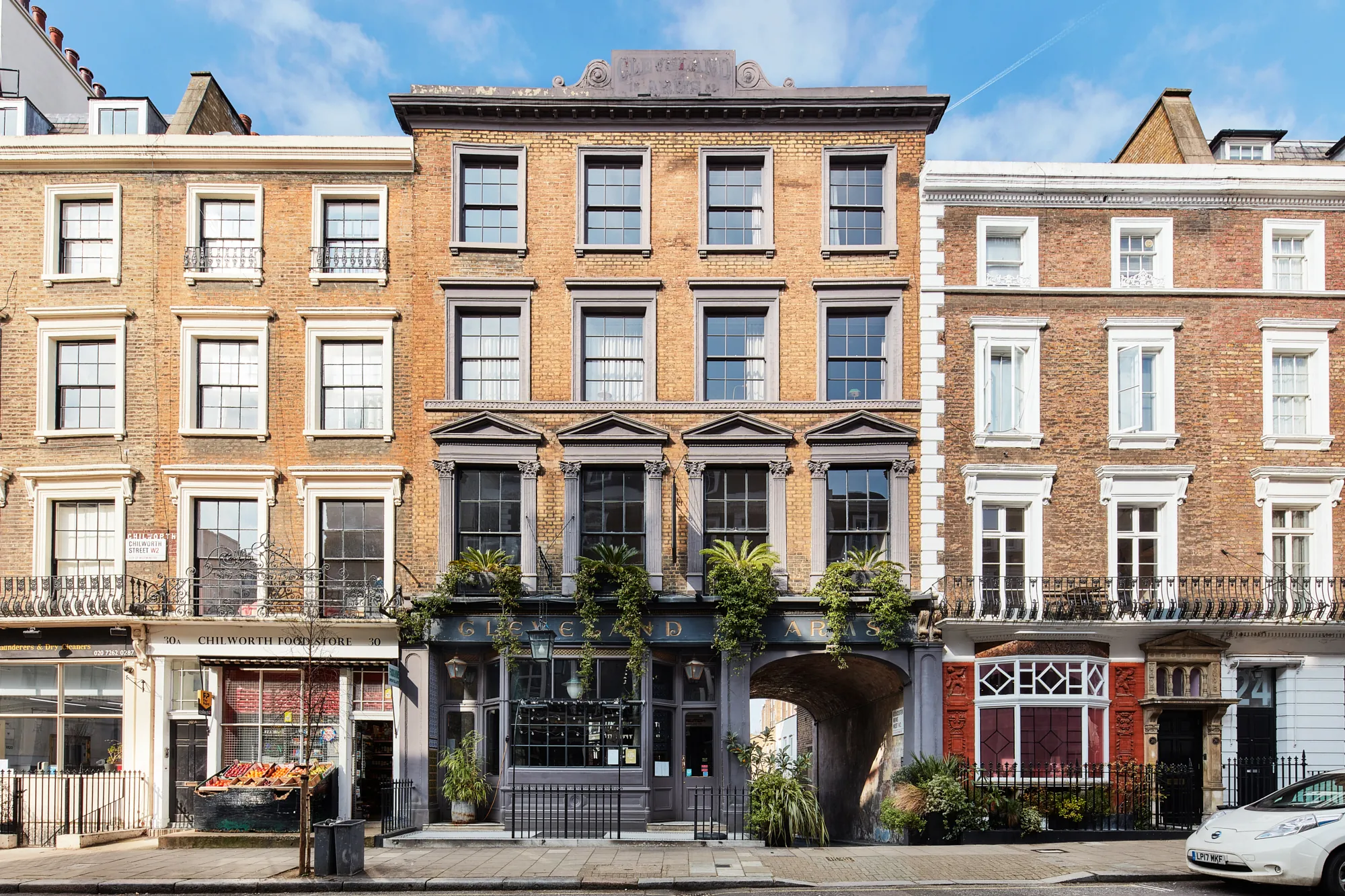
Finchley has emerged as one of North London's most compelling buy-to-let destinations, blending leafy suburban charm with exceptional transport links and a diverse tenant base. For landlords considering letting a property in Finchley, understanding the nuances of this multifaceted locale—from the bustling high streets of North Finchley to the boutique appeal of East Finchley and the residential tranquillity of West Finchley—is essential. As a letting agent in Finchley with comprehensive knowledge of the local market, we've prepared this guide to help you navigate rental demand, pricing strategies, tenant profiles and regulatory requirements across this N2, N3 and N12 postcode triangle.
Understanding Finchley's Rental Market Landscape
Finchley's rental appeal stems from its position as a well-connected yet distinctly residential quarter of London. North Finchley serves as the commercial heart, with Tally Ho Corner and the High Road attracting young professionals and families seeking convenient access to shops, restaurants and the Northern Line. East Finchley, with its artisan cafés, independent cinema and bohemian edge, draws creatives and academic professionals working at nearby universities. West Finchley offers a quieter, more residential proposition, popular with families prioritising green spaces and outstanding schools.
According to HM Land Registry Price Paid Data, Finchley recorded 736 property transactions with a median sale price of £540,000. Flats—which constitute the majority of lettings stock—saw a median price of £407,750 across 368 transactions, whilst semi-detached properties commanded £925,000 and terraced homes £719,000. These acquisition costs provide important context for landlords calculating potential yields and investment returns.
The tenant demographic varies considerably across Finchley's sub-districts. North Finchley attracts commuters working in central London, thanks to the Northern Line's High Barnet branch delivering them to Bank in under 30 minutes. East Finchley appeals to academics, medical professionals from the Royal Free Hospital, and young families prizing the village atmosphere. West Finchley, whilst slightly less connected, offers larger family homes and gardens that command premium rents from established families seeking stability and excellent schools.
Search data reveals substantial interest in the area, with 'Finchley' generating 40,500 monthly searches, 'North Finchley' and 'East Finchley' each attracting 33,100 searches, and 'London Finchley' drawing 27,100 searches. This digital footfall translates into consistent tenant enquiries for well-presented properties, particularly when marketed through established channels and an experienced letting agent in Finchley.
Rental Yields and Pricing Strategy for Landlord Finchley Investments
ONS private rental data indicates that rental values in Finchley span from £850–£1,325 per calendar month for studio apartments, rising to £1,125–£1,750 for one-bedroom flats, £1,525–£2,375 for two-bedroom properties, and £2,025–£3,175 for three-bedroom homes. Four-bedroom houses typically achieve £2,725–£4,250, whilst five-bedroom properties can command £3,575–£5,575 monthly.
For a landlord in Finchley, these figures enable straightforward yield calculations. A one-bedroom flat purchased at the median of £407,750 and let at £1,500 per month generates an annual rental income of £18,000—a gross yield of approximately 4.4%. Two-bedroom flats, particularly popular with sharers and young couples, offer similar returns, whilst larger family homes in premium pockets such as the streets surrounding Stephens House & Gardens or near Finchley Catholic High School can deliver stronger capital appreciation alongside steady rental income.
Pricing strategy requires careful calibration to Finchley's micro-markets. Properties within a five-minute walk of East Finchley or High Barnet stations command a premium, typically 10–15% above comparable homes requiring a bus connection. Period conversions with original features in East Finchley's conservation areas attract design-conscious tenants willing to pay for character, whilst modern purpose-built flats near North Finchley's retail hub appeal to convenience-focused professionals.
Seasonal fluctuations also influence optimal pricing. Demand peaks in August and September as academic staff and students settle before the university term, and again in January as New Year movers enter the market. Landlords releasing properties in November or December may need to price competitively or offer incentives, though Finchley's strong fundamentals mean void periods rarely extend beyond two to three weeks for correctly priced, well-maintained homes.
Tenant Demand: Who Rents in North, East and West Finchley?
Understanding your prospective tenants is fundamental to successful lettings. North Finchley attracts a broad cross-section: junior doctors and nurses from Barnet Hospital, retail and hospitality workers employed along the High Road, and back-office professionals commuting to the City or West End. The area's affordability relative to neighbouring Hampstead Garden Suburb makes it particularly attractive to those seeking North London living without premium price tags.
East Finchley has cultivated a reputation as North London's answer to Crouch End—creative, community-focused and café-centric. The Phoenix Cinema, farmers' market and independent bookshops draw media professionals, academics from Middlesex University's nearby Hendon campus, and young families who value the village feel whilst maintaining swift access to central London. Two-bedroom flats and small terraced houses are especially sought-after here, with tenants typically seeking longer-term stability rather than transient arrangements.
West Finchley's tenant base skews towards established families prioritising schools, space and greenery. Catchment areas for outstanding primary and secondary schools—including Finchley Catholic High School, which generates 3,600 monthly searches alone—drive substantial demand for three- and four-bedroom houses. These family tenants typically seek longer tenancies (two to three years), lower turnover and demonstrate excellent care for properties, making them highly desirable for landlords prioritising stability over maximum yield.
The 'house to rent in' search term attracts 40,500 monthly searches, whilst 'flat to rent in London' generates 14,800, reflecting the capital's diverse rental needs. For landlords, this underscores the importance of presenting properties to the right audience: family homes marketed through school networks and local community groups, whilst professional flats benefit from prominent online portals and strategic positioning on commuter routes.
Talk to Seymont
What's your home worth?
A considered view on price, timing and how to bring your London home to market — a personal reply within 24 hours.
Your property
Step 1 of 2Letting a Flat in Finchley: Preparation and Presentation
First impressions determine letting speed and achievable rent. Our experience across Finchley consistently shows that professionally presented properties let faster and command 5–10% rental premiums over comparable but poorly presented alternatives. For flats, this means immaculate decoration in neutral, contemporary tones; fully functional kitchens and bathrooms; and professional photography that captures space and light.
Furnishing decisions depend on your target demographic. Young professionals in North Finchley and East Finchley often seek furnished or part-furnished flats, prioritising convenience and flexibility. Families in West Finchley typically prefer unfurnished properties, allowing them to install their own belongings and create a long-term home. White goods—washing machine, fridge-freezer and dishwasher—are expected across all segments, whilst integrated storage solutions add significant appeal in smaller one- and two-bedroom flats.
Energy Performance Certificates (EPCs) have gained prominence following recent regulatory changes mandating minimum E ratings, with future proposals suggesting C ratings may become compulsory. Period conversions in East Finchley and older semi-detached houses often require investment in loft insulation, double glazing or boiler upgrades to meet standards. These improvements not only ensure compliance but reduce tenant energy bills—an increasingly important consideration as cost-of-living pressures influence rental decisions.
Safety certification is non-negotiable: annual gas safety checks, electrical installation reports every five years, and compliant smoke and carbon monoxide detectors throughout. Landlords must also ensure deposit protection within 30 days of receipt, provide tenants with the government's How to Rent guide, and maintain awareness of selective licensing requirements that may apply in certain Barnet wards.

Finchley Property Management: Full Service vs Self-Management
Deciding between self-management and professional Finchley property management hinges on your capacity, expertise and portfolio size. Self-management offers cost savings—typically 10–12% of monthly rent—but demands significant time for tenant sourcing, referencing, inventory preparation, maintenance coordination and regulatory compliance. For landlords with single properties and local presence, this can prove viable, particularly if you possess strong DIY skills and enjoy direct tenant relationships.
Professional property management delivers comprehensive peace of mind: tenant finding and referencing, rent collection and arrears management, maintenance coordination with vetted contractors, periodic inspections, deposit dispute resolution, and regulatory compliance updates. For landlords juggling professional careers, managing multiple properties, or living overseas, the value proposition is compelling. Our team handles everything from emergency plumbing calls to lease renewals, ensuring your investment performs optimally whilst you focus on broader portfolio strategy.
Finchley's property management landscape requires local knowledge that extends beyond generic London expertise. Understanding that certain streets flood during heavy rainfall, knowing which local contractors provide reliable emergency response, recognising that East Finchley's conservation areas require planning permission for external alterations—these granular insights prevent costly mistakes and tenant dissatisfaction.
Tenant retention represents another critical consideration. Professional management typically achieves higher renewal rates through proactive communication, swift maintenance responses and fair handling of disputes. Given that void periods and re-letting costs can easily exceed £2,000 when accounting for lost rent, marketing fees and inventory updates, retaining good tenants delivers substantial financial benefits alongside reduced administrative burden.
Maximising Returns: Strategic Lettings Advice for Finchley Landlords
Long-term success in Finchley's lettings market requires strategic thinking beyond simple rent collection. Capital appreciation potential varies significantly across sub-markets: East Finchley's gentrification trajectory and transport links suggest strong growth prospects, North Finchley benefits from ongoing regeneration around Tally Ho Corner, whilst West Finchley offers steady, family-driven demand with less volatility.
Portfolio diversification within Finchley can balance risk and reward. Combining a high-yield one-bedroom flat near North Finchley station with a lower-yield but appreciation-focused family house near outstanding schools creates income stability alongside capital growth. Understanding that flats constitute 50% of transactions (368 of 736 sales according to HM Land Registry data) whilst family houses command premium prices helps calibrate acquisition strategy.
Tax efficiency has become increasingly complex following Section 24 mortgage interest relief restrictions. Incorporating properties within limited company structures, claiming allowable expenses including professional Finchley property management fees, and strategic timing of capital improvements all influence net returns. We recommend consulting specialist accountants familiar with buy-to-let taxation, particularly for landlords managing multiple properties or planning portfolio expansion.
Market monitoring ensures you remain competitive. Regular rent reviews—typically annual—keep pace with market movements, though balanced against retention benefits of stable, long-term tenants. Properties listed on our [property-for-sale platform](/property-for-sale/finchley) and [house prices data](/house-prices/finchley) provide transparent market intelligence, whilst our [estate agents team](/estate-agents/finchley) offers tailored advice on acquisition and disposal timing to optimise your investment cycle.

Talk to Seymont
What's your home worth?
A considered view on price, timing and how to bring your London home to market — a personal reply within 24 hours.
Your property
Step 1 of 2About the author
Thomas LindqvistMortgage & Financing Specialist
Thomas advised buyers for a decade at Ashgrove Financial, an independent brokerage, on borrowing capacity, product selection and the full cost of a purchase, including stamp duty, legal fees and lender charges. He follows rate decisions and lender criteria changes and translates them into what a household can realistically afford. His guides cover affordability, remortgaging and the closing costs that buyers routinely underestimate.
CeMAP qualified · Whole-of-market mortgage advice background
- Mortgages
- Affordability
- Closing costs
- Remortgaging
Frequently asked
- What rental yield can I expect as a landlord in Finchley?
- Gross rental yields in Finchley typically range from 4% to 5.5%, depending on property type and location. One-bedroom flats near North Finchley or East Finchley stations generally deliver yields around 4.4%, based on median purchase prices of £407,750 and monthly rents of £1,500 (ONS data). Larger family homes offer lower gross yields but stronger capital appreciation potential, particularly in catchment areas for outstanding schools. Actual net yields depend on mortgage arrangements, maintenance costs and whether you engage professional property management services.
- How long does it typically take to let a property in Finchley?
- Well-presented, correctly priced properties in Finchley typically let within two to three weeks. Flats within walking distance of East Finchley or High Barnet Northern Line stations often receive multiple enquiries within days of marketing, particularly during peak letting seasons in August-September and January. Properties requiring cosmetic work, priced above market rates, or in less connected parts of West Finchley may take four to six weeks. Professional photography, accurate floor plans and strategic marketing through a specialist letting agent in Finchley significantly reduce time to let.
- Do I need a licence to let my property in Finchley?
- Licensing requirements in Finchley depend on your specific location within the London Borough of Barnet and your property type. Additional and selective licensing schemes apply to certain wards and property types, particularly houses in multiple occupation (HMOs). All HMOs with five or more occupants from two or more households require mandatory licensing. Barnet Council periodically introduces selective licensing in specific areas, so we recommend checking current requirements for your postcode. Non-compliance can result in substantial fines and rent repayment orders, making verification essential before letting.
- What makes East Finchley more expensive to rent than North Finchley?
- East Finchley commands a rental premium—typically 10-15% above comparable North Finchley properties—due to several factors: its village atmosphere with independent shops and the Phoenix Cinema, designation of conservation areas preserving period character, lower-density housing stock creating scarcity, and a tenant demographic of professionals and academics willing to pay for lifestyle amenities. The Northern Line station offers identical central London journey times, but East Finchley's distinctive community feel and architectural appeal justify higher rents for quality properties. North Finchley offers better value for budget-conscious tenants prioritising transport links and shopping convenience over boutique charm.
- Should I furnish my Finchley rental property?
- Furnishing decisions depend on your target tenant and property type. One- and two-bedroom flats in North Finchley and East Finchley attract young professionals who typically prefer furnished or part-furnished properties, offering convenience for those relocating or seeking flexibility. Family houses in West Finchley generally let more successfully unfurnished, as families prefer installing their own furniture for longer-term stays. Regardless of furnishing choice, all properties should include white goods (washing machine, fridge-freezer, oven) as standard. Quality furnishings command slightly higher rents but require maintenance and replacement, whilst unfurnished properties attract longer tenancies with less wear and tear.