Journal
Moving to Finchley: The Complete Guide
Written by Thomas Lindqvist · Mortgage & Financing Specialist
Published 11 December 2025 · Updated 17 January 2026 · 5 min read
The short answer
Moving to Finchley represents an opportunity to settle in one of North London's most established and sought-after residential areas. Split across three distinct neighbourhoods—East Finchley, North Finchley, and West Finchley—this N2 and N3 postcode area combines excellent transport connections, outstanding schools, and genuine community spirit with the leafy suburban charm that families and professionals alike cherish.
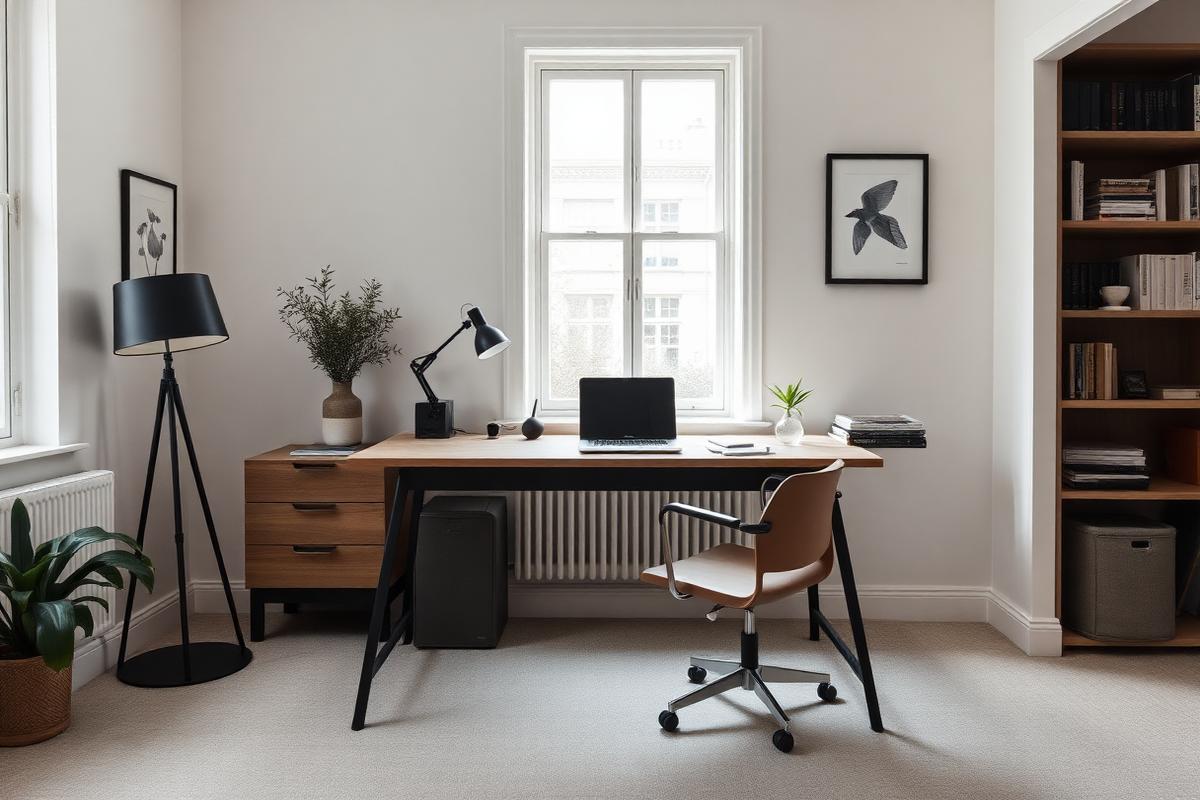
Moving to Finchley represents an opportunity to settle in one of North London's most established and sought-after residential areas. Split across three distinct neighbourhoods—East Finchley, North Finchley, and West Finchley—this N2 and N3 postcode area combines excellent transport connections, outstanding schools, and genuine community spirit with the leafy suburban charm that families and professionals alike cherish. Our team has witnessed sustained demand for property here, and it's not difficult to understand why. Whether you're relocating to Finchley from elsewhere in London or moving to the capital for the first time, this guide will help you navigate everything from house prices to council tax, schools to commuting options.
Understanding Finchley's Three Neighbourhoods
Finchley's character shifts subtly as you move between its three main districts, each offering a distinct flavour whilst sharing the area's overarching appeal. East Finchley centres around the iconic art deco station and the bustling high street along the High Road, attracting a creative, cosmopolitan crowd drawn to independent cafés, the Phoenix Cinema, and proximity to Hampstead Heath. The Victorian and Edwardian terraces here are particularly prized, and the village atmosphere feels notably different from its siblings.
North Finchley serves as the area's commercial heart, with Tally Ho Corner and the substantial retail offering along Ballards Lane and the High Road. This is Finchley's most urban face, with higher-density housing including purpose-built blocks alongside family homes. The area appeals to those wanting accessibility and amenities on the doorstep, with supermarkets, high-street chains, and the independent shops creating a genuinely functional town centre.
West Finchley maintains the quietest, most residential character of the three, with tree-lined streets of semi-detached and detached properties that appeal particularly to growing families. The area lacks the commercial buzz of its neighbours but compensates with space, greenery, and a village-like calm that feels remarkably removed from central London despite excellent transport links.
Property Prices and Market Insights
According to HM Land Registry data, the median property price in Finchley stands at £540,000 across 736 recorded sales, reflecting the area's position as an established middle-to-upper-middle-class enclave. The market here demonstrates remarkable variety: flats—the most common property type with 368 sales—command a median of £407,750, making them accessible to first-time buyers and young professionals, whilst detached homes reach a median of £1,215,200, attracting families seeking substantial accommodation.
Semi-detached properties, popular across all three Finchley neighbourhoods, achieve a median price of £925,000 (167 sales), whilst terraced houses sit at £719,000 (122 sales). These figures position Finchley as more affordable than Hampstead or Highgate whilst maintaining comparable schools and amenities, explaining why we consistently see buyers considering these adjoining areas ultimately choosing Finchley for better value. You can explore current opportunities through our [Finchley property listings](/property-for-sale/finchley).
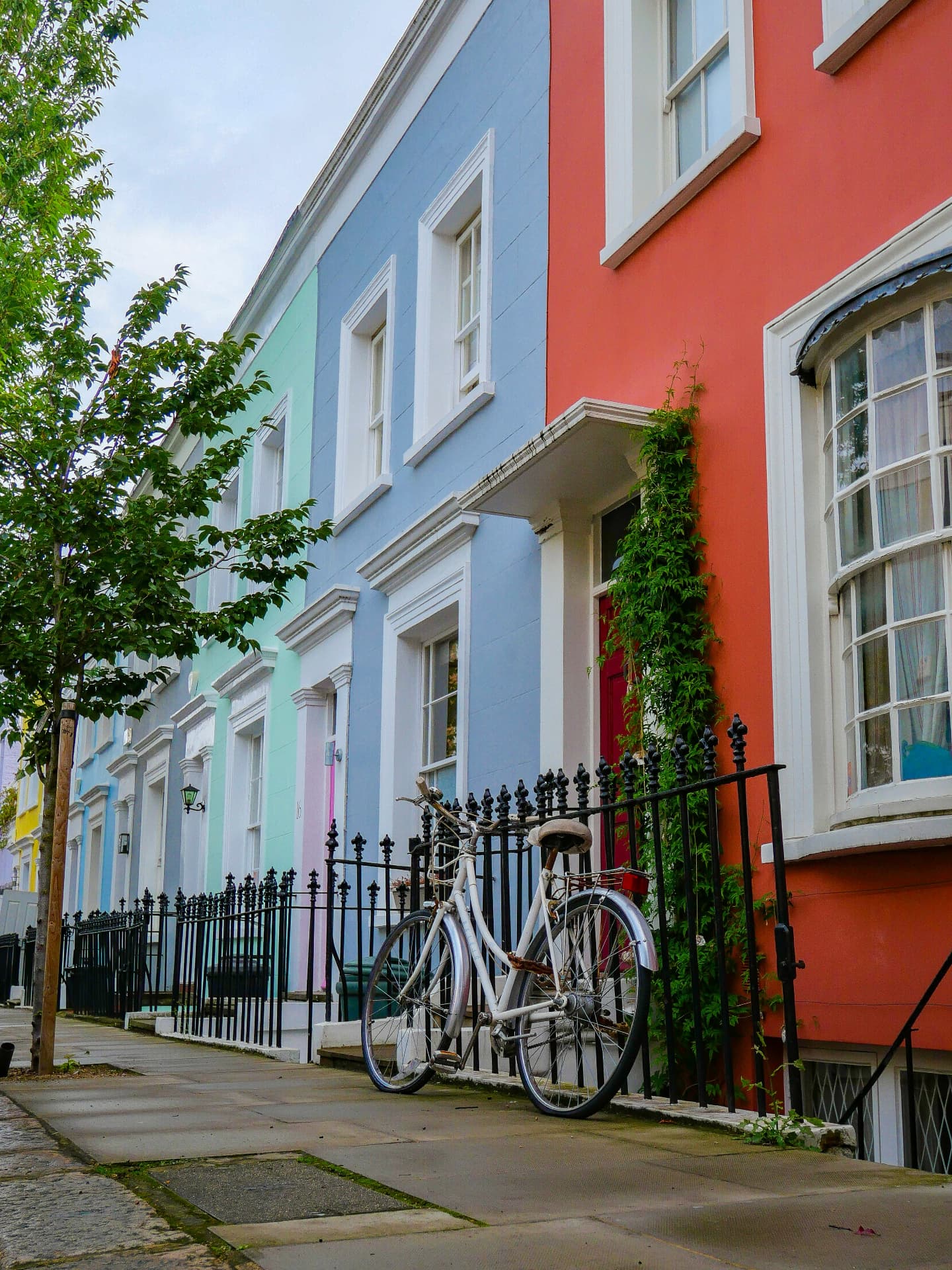
For those considering rental options, ONS data shows studio flats ranging from £850 to £1,325 monthly, one-bedroom properties from £1,125 to £1,750, and two-bedroom homes from £1,525 to £2,375. Family-sized accommodation commands £2,025 to £3,175 for three bedrooms, rising to £2,725 to £4,250 for four bedrooms. These rental levels reflect strong demand from professionals working across London who value the area's transport connections and residential appeal.
The Finchley Commute and Transport Links
The Finchley commute ranks among North London's most straightforward, with three Northern Line stations serving the area and providing the direct Underground access that many neighbouring districts lack. East Finchley and Finchley Central sit on the High Barnet branch, whilst West Finchley enjoys its own stop, placing Bank and the City within 30 minutes and King's Cross St Pancras within 20 minutes—transforming central London into a realistic daily proposition.
Beyond the Underground, bus routes blanket the area with connections to Camden, Golders Green, Muswell Hill, and beyond, whilst the North Circular (A406) and proximity to the M1 facilitate car journeys, though parking in central London naturally remains challenging. We've observed that many residents embrace a mixed approach: Tube for work, car for weekends and the remarkably accessible countryside of Hertfordshire and beyond.
This transport flexibility contributes significantly to Finchley's appeal for professionals who want swift access to central London without sacrificing space and greenery. The commute rarely features as a barrier for relocating clients; rather, it frequently emerges as a compelling advantage over seemingly comparable areas lacking Underground stations.
Talk to Seymont
What's your home worth?
A considered view on price, timing and how to bring your London home to market — a personal reply within 24 hours.
Your property
Step 1 of 2Schools and Education
Educational provision stands as one of Finchley's defining strengths, with outstanding state and independent options creating fierce competition for homes within catchment areas. The area hosts several schools with exceptional Ofsted ratings and reputations extending well beyond North London, driving property decisions for families who prioritise education above virtually all other factors.
Finchley Catholic High School consistently achieves remarkable results and attracts families across denominational lines, whilst Christ's College Finchley, Archer Academy, and the various primary schools across the three neighbourhoods maintain strong local reputations. The independent sector includes Keble Prep and numerous options in adjacent Hampstead and Mill Hill, broadening choices for families seeking private education.
Our team regularly encounters buyers whose entire property search revolves around school catchments, with certain streets commanding premiums purely due to their position within desirable zones. Parents researching schools discover that Finchley delivers state education quality that might elsewhere require independent fees, representing considerable long-term value despite higher property prices.
Lifestyle, Amenities and Green Spaces
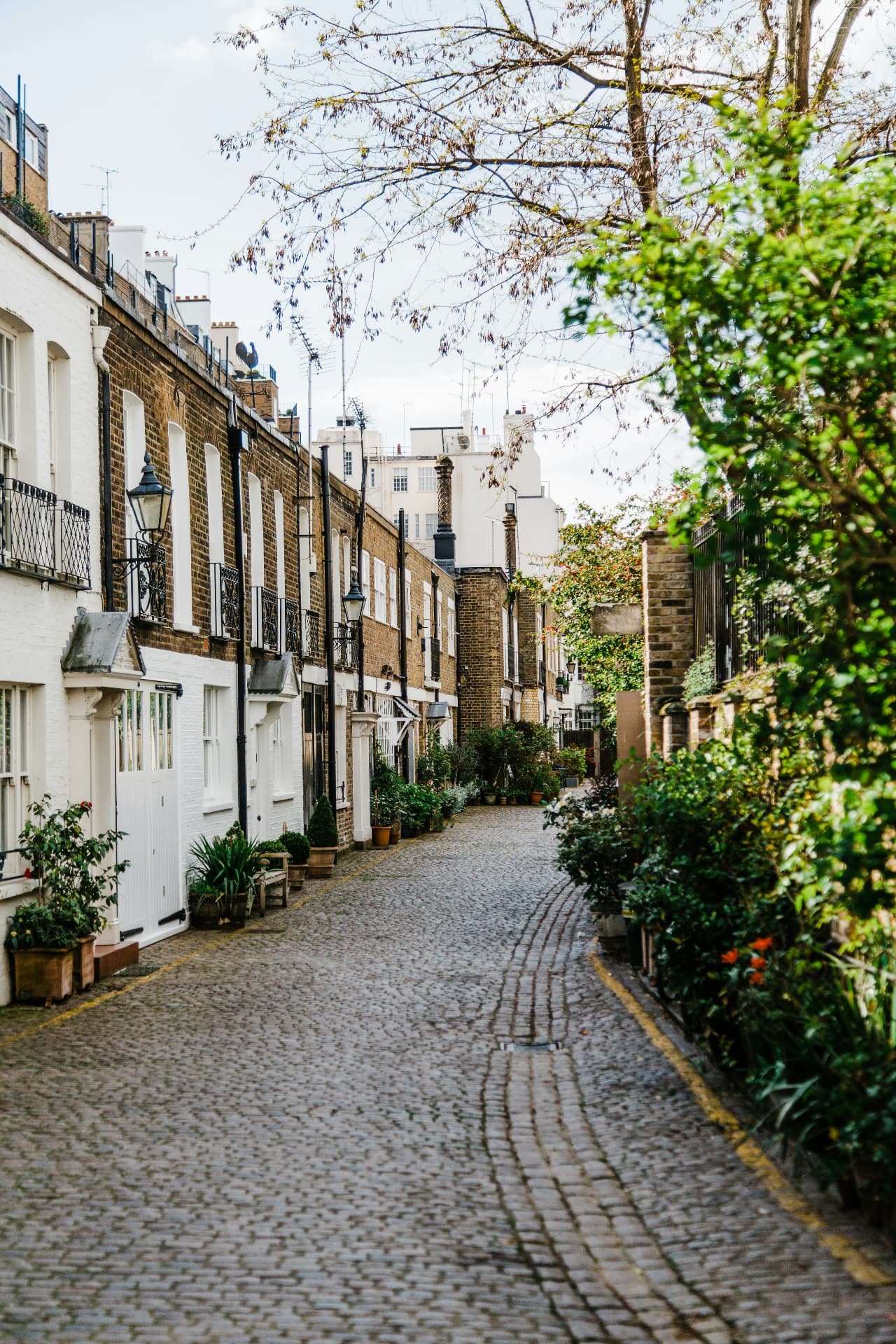
Beyond property and practicalities, Finchley's lifestyle offering creates the day-to-day texture that transforms a commuter district into a genuine home. Cherry Tree Wood in East Finchley provides a beautiful focal point with its cafés, playgrounds, and weekend farmers' market, whilst Victoria Park and Glebelands offer further green relief. The proximity to Hampstead Heath—walkable from East Finchley—extends recreational options dramatically, placing one of London's greatest parks on the doorstep.
The high streets across all three areas maintain a healthier retail mix than many London suburbs, with independents sitting alongside chains and supermarkets. East Finchley's boutiques, delis, and the beloved Phoenix Cinema create a cultural anchor, whilst North Finchley's Arts Depot brings theatre, gallery space, and workshops to the area. Dining options span from neighbourhood Italian trattorias to contemporary restaurants, with the quality and variety exceeding what the area's suburban reputation might suggest.
Community events, active residents' associations, and the genuine neighbourliness that characterises streets across Finchley contribute an intangible quality that statistics cannot capture. We've watched families arrive and swiftly develop school-gate friendships, local routines, and the rootedness that defines successful relocation.
Finchley Council Tax and Practical Considerations
Finchley falls within the London Borough of Barnet, which sets council tax rates across eight bands. For 2024-25, Band D properties—representing many Finchley homes—pay £2,107.47 annually, positioning Barnet in the mid-range among London boroughs. Larger properties in Bands F, G, and H naturally face higher bills, whilst flats often fall into lower bands, making this an important consideration when calculating ongoing costs beyond mortgage or rent.
Barnet Council maintains generally good service levels, with waste collection, parking permits, and local services functioning reliably if unremarkably. The borough's political complexion and spending priorities shift periodically, but Finchley's established nature means infrastructure and services remain stable regardless of council composition.
For those seriously considering relocating to Finchley, understanding these practical elements—from council tax to parking zones, from catchment boundaries to conservation areas—forms an essential part of the decision-making process. Our [Finchley estate agents](/estate-agents/finchley) can provide detailed guidance on these hyper-local considerations that significantly impact daily life but rarely feature in property particulars. We also support landlords through our [letting services](/let-your-property/finchley), managing the regulatory and practical complexities of the North London rental market.
Talk to Seymont
What's your home worth?
A considered view on price, timing and how to bring your London home to market — a personal reply within 24 hours.
Your property
Step 1 of 2About the author
Thomas LindqvistMortgage & Financing Specialist
Thomas advised buyers for a decade at Ashgrove Financial, an independent brokerage, on borrowing capacity, product selection and the full cost of a purchase, including stamp duty, legal fees and lender charges. He follows rate decisions and lender criteria changes and translates them into what a household can realistically afford. His guides cover affordability, remortgaging and the closing costs that buyers routinely underestimate.
CeMAP qualified · Whole-of-market mortgage advice background
- Mortgages
- Affordability
- Closing costs
- Remortgaging
Frequently asked
- Is Finchley a good area to live in London?
- Finchley consistently ranks among North London's most desirable residential areas, combining excellent schools, direct Northern Line access to central London, abundant green spaces, and a genuine community atmosphere. The area offers better value than neighbouring Hampstead whilst maintaining comparable amenities and transport links, making it particularly appealing to families and professionals. Property prices reflect sustained demand, with the median at £540,000 according to HM Land Registry data.
- What is the difference between East, North and West Finchley?
- East Finchley is the most bohemian and village-like, centred on its art deco station and independent high street. North Finchley serves as the commercial hub with larger retail offerings and higher-density housing. West Finchley is the quietest and most suburban, with larger family homes and tree-lined streets. All three share excellent schools and transport but offer distinctly different residential atmospheres.
- How long does it take to commute from Finchley to central London?
- The Northern Line from Finchley stations reaches King's Cross St Pancras in approximately 20 minutes and Bank in around 30 minutes, making central London highly accessible for daily commuting. The three Underground stations—East Finchley, Finchley Central, and West Finchley—provide direct services without changes, whilst extensive bus routes offer alternative connections across North London.
- What are typical rental prices in Finchley?
- According to ONS data, rental prices in Finchley range from £850–£1,325 monthly for studios, £1,125–£1,750 for one-bedroom properties, and £1,525–£2,375 for two bedrooms. Family homes command £2,025–£3,175 for three bedrooms and £2,725–£4,250 for four bedrooms, reflecting the area's appeal to professionals and families seeking quality accommodation with excellent transport links.
- Are Finchley schools well-regarded?
- Finchley hosts several outstanding schools that drive significant property demand from families. Finchley Catholic High School achieves exceptional results, whilst Christ's College Finchley, Archer Academy, and numerous primary schools maintain strong reputations. The area also offers access to independent schools including Keble Prep, with further options in nearby Hampstead and Mill Hill. Many buyers specifically target homes within catchment areas for preferred schools.