Journal
Is Fulham a Nice Place to Live?
Written by Nina Castellano · Investment Property Advisor
Published 26 February 2026 · Updated 4 May 2026 · 7 min read
The short answer
When prospective buyers and renters ask us **is Fulham a nice place to live**, our answer is unequivocally yes—but with nuance. Fulham combines the elegance of riverside living with a thriving village atmosphere, excellent transport links, and a genuine sense of community that's increasingly rare in central London.
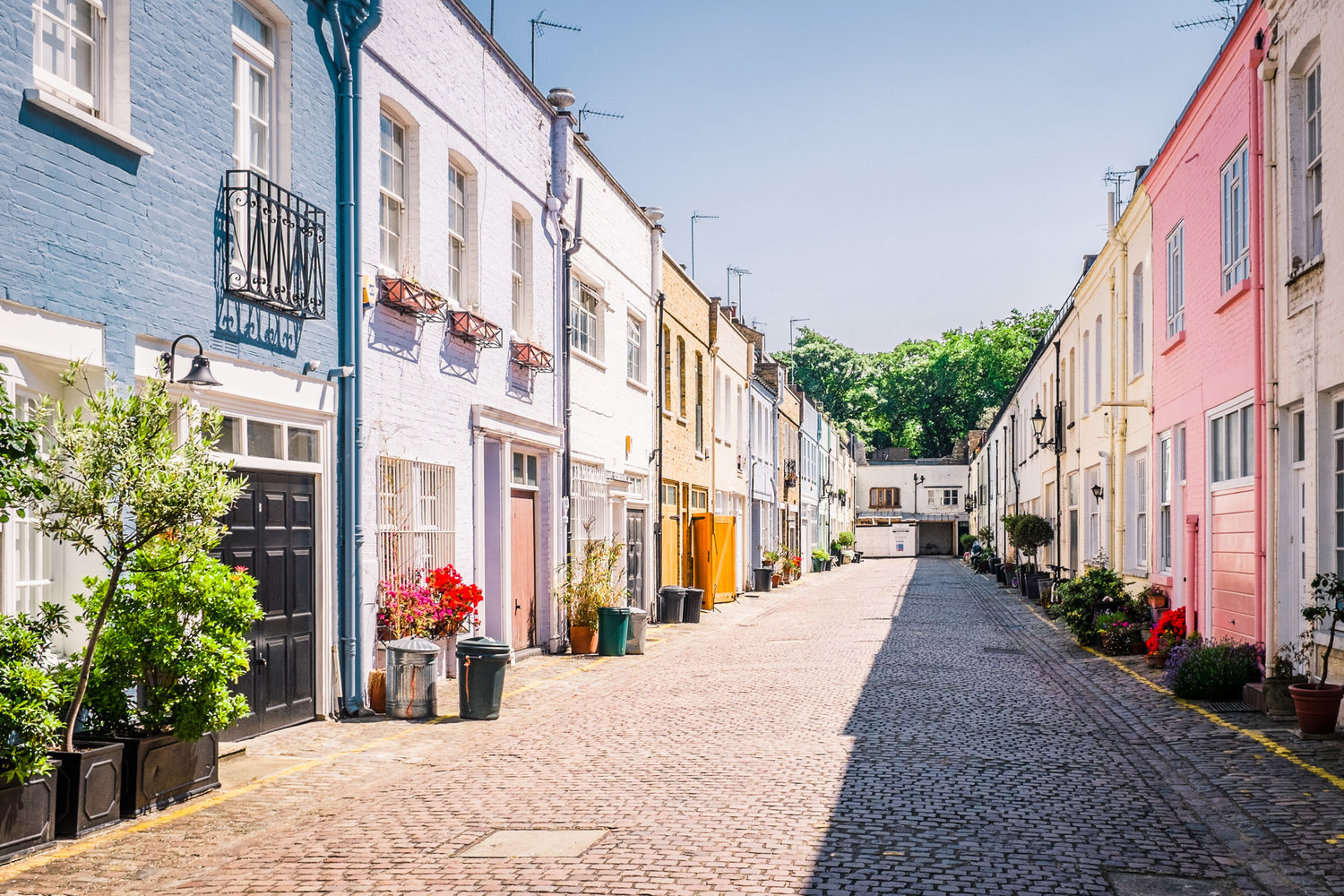
When prospective buyers and renters ask us **is Fulham a nice place to live**, our answer is unequivocally yes—but with nuance. Fulham combines the elegance of riverside living with a thriving village atmosphere, excellent transport links, and a genuine sense of community that's increasingly rare in central London. From the manicured gardens surrounding Fulham Palace to the match-day buzz around Fulham's ground at Craven Cottage, this SW6 postcode offers a lifestyle that balances urban sophistication with residential tranquillity. Our team has watched Fulham evolve into one of London's most sought-after addresses, and we're here to explain precisely why.
The Character and Appeal of Fulham
Fulham's identity is shaped by the Thames, which curves gracefully along its northern edge, creating miles of towpath walks from Putney Bridge to Wandsworth. The area encompasses distinct neighbourhoods—each with its own flavour. Fulham Broadway serves as the commercial heart, where the shopping centre, Underground station, and Fulham stadium create a constant hum of activity. Meanwhile, the streets radiating from Parsons Green offer leafy squares and independent cafés that feel wonderfully village-like despite being in Zone 2.
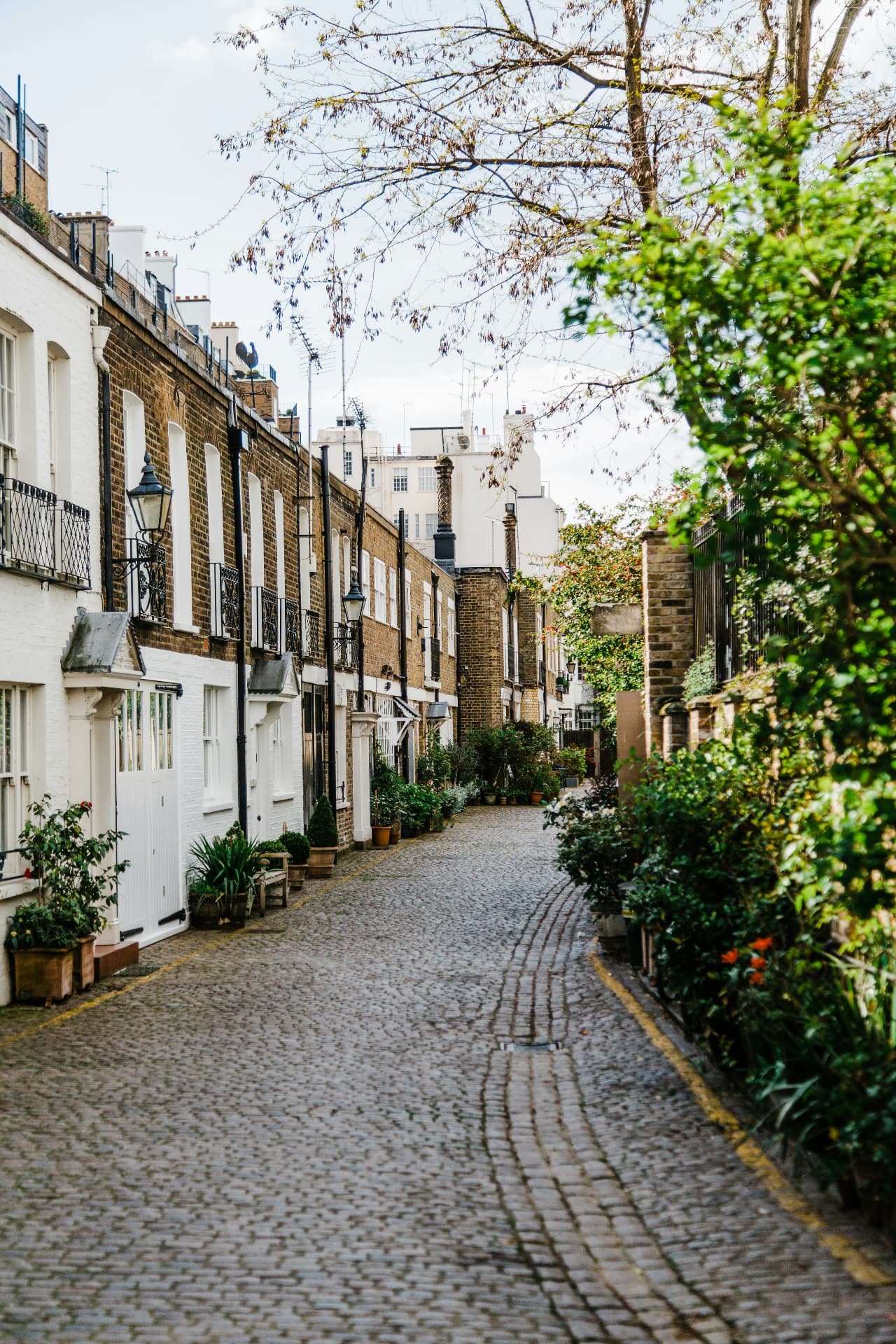
The area's architectural heritage ranges from grand Victorian and Edwardian terraces along streets like Cloncurry Street Fulham to modern riverside developments offering Thames views. Fulham Palace Road cuts through the district as a major artery, lined with everything from chain restaurants to boutique homeware shops. What strikes us most about Fulham is its ability to cater to diverse lifestyles—young professionals gravitate towards the flats near Fulham Broadway, whilst families seek out the houses Fulham is known for around Eel Brook Common and South Park.
Culturally, Fulham punches above its weight. The Bishop's Park hosts summer festivals and outdoor cinema screenings, whilst Fulham Palace itself—a Grade I listed former residence of the Bishops of London—offers botanical gardens, a museum, and a riverside café. For dining, the restaurant Fulham scene has matured considerably, with everything from Michelin-quality establishments to bustling gastropubs lining Fulham Road and New King's Road.
Sports enthusiasts will know Fulham for its football heritage, with Craven Cottage remaining one of English football's most atmospheric grounds. Match days bring a particular energy to the area, though our experience shows this adds to rather than detracts from the neighbourhood's character, with most residents embracing the occasional influx of supporters as part of Fulham's identity.
Property Market Insights: What Your Money Buys
According to HM Land Registry Price Paid Data, Fulham recorded 273 property transactions with a median sale price of £725,000. This figure masks significant variation by property type: flats—which accounted for 199 transactions—achieved a median of £625,000, whilst the 58 terraced houses sold commanded a median of £1,489,500. For those seeking semi-detached properties, the median reached £2,215,000, reflecting the premium placed on Fulham homes with garden space and period features.
The range within each category tells an interesting story. Flats ranged from £157,500 for studio conversions to £2,443,500 for penthouse apartments, often in the riverside developments or mansion blocks along Fulham Road. Terraced houses spanned £500,000 to £3,137,500, with the upper end typically representing fully refurbished four- or five-bedroom family homes near Bishop's Park or Hurlingham.
For renters, ONS data reveals monthly costs from £1,150–£1,775 for studios, rising to £1,500–£2,350 for one-bedroom flats. Two-bedroom apartments—the most commonly sought configuration in our experience—range from £2,050 to £3,200 monthly, whilst three-bedroom properties command £2,725–£4,275. Families requiring four bedrooms should budget £3,650–£5,700, and larger five-bedroom houses to rent can reach £4,775–£7,475 per month.
These figures position Fulham firmly in the premium bracket, yet many buyers find value when compared to neighbouring Chelsea or Kensington. The [property for sale in Fulham](/property-for-sale/fulham) market remains robust, with strong demand for both period conversions and new-build apartments for sale in Fulham, particularly those with outdoor space or river views. Our [house prices](/house-prices/fulham) data shows resilience even during broader market corrections, testament to Fulham's enduring appeal.
Is Fulham Safe? Crime and Community
Safety is naturally a primary concern for anyone considering a move, and the question "is Fulham safe" features prominently in our client conversations. The Metropolitan Police data and local Fulham reviews consistently position the area as one of London's safer residential districts, with crime rates below the London average across most categories.
Fulham benefits from active Neighbourhood Watch schemes, particularly around the residential streets between Parsons Green and Eel Brook Common. The visible presence of both Metropolitan Police officers and community support officers, especially around Fulham Broadway and on match days, contributes to residents' sense of security. Petty theft—predominantly bicycle theft and opportunistic vehicle break-ins—represents the most common category, whilst violent crime remains notably low for an inner-London postcode.
The riverside areas see regular foot traffic even in evenings, as joggers, dog walkers, and couples make use of the Thames Path. This natural surveillance, combined with good street lighting, creates environments where residents feel comfortable walking home after dark. Our team regularly hears from clients who specifically chose Fulham for its family-friendly atmosphere and the ease with which they can navigate the area on foot at any hour.
Community cohesion further enhances safety perceptions. Local Facebook groups and residents' associations maintain active communication channels, quickly alerting neighbours to any suspicious activity. The longstanding nature of many Fulham communities—with families remaining in the area for decades—creates the social fabric that discourages antisocial behaviour and fosters collective responsibility for the neighbourhood's wellbeing.
Talk to Seymont
What's your home worth?
A considered view on price, timing and how to bring your London home to market — a personal reply within 24 hours.
Your property
Step 1 of 2Pros and Cons of Living in Fulham
When discussing the pros and cons of living in Fulham with prospective residents, we aim for transparency. On the advantages side, transport connectivity ranks exceptionally high. Fulham Broadway (District line) and Parsons Green (District line) provide direct links to Victoria, Westminster, and the City, whilst Imperial Wharf offers Overground services. Numerous bus routes traverse the area, and proximity to the A4/M4 corridor facilitates driving access to Heathrow and the West.
The lifestyle offering constitutes another major draw. Fulham delivers an unusual combination: sophisticated urban amenities alongside genuine greenspace. Bishop's Park, Hurlingham Park, Eel Brook Common, and South Park provide recreational opportunities that families particularly value. The independent retailers along Fulham Road, New King's Road, and around Parsons Green create a shopping experience far removed from generic high streets, whilst proximity to Westfield London in White City adds convenient access to major chains.
Schooling options—both state and independent—are strong, with several outstanding-rated primaries and excellent secondaries within catchment. The sense of community, bolstered by farmers' markets, local events, and well-established pubs and cafés, creates genuine neighbourhood connections that newcomers often find surprisingly welcoming.
On the challenges side, property costs represent the most obvious consideration. Fulham sits firmly in London's premium tier, and even modest house in Fulham options require substantial budgets. The competition for the best houses to sale in the area can be fierce, with desirable properties often attracting multiple offers. Parking presents another practical challenge; most streets operate controlled parking zones, and houses Fulham properties with off-street parking command significant premiums.
Traffic congestion along Fulham Palace Road and Fulham Road during peak hours can frustrate drivers, though most residents adapt by walking, cycling, or using public transport for local journeys. Finally, whilst the area's popularity is testament to its appeal, it does mean that restaurants, pubs, and cafés—particularly around Parsons Green—can feel crowded at weekends, and securing tables often requires booking well ahead.

Living in Fulham: The Verdict
So, returning to the central question: is Fulham a nice place to live? Our experience working across the whole of London gives us perspective, and Fulham consistently ranks among the most desirable postcodes for good reason. It successfully balances the vibrancy that makes London exciting with the residential calm that makes a house feel like a home.
The area particularly suits certain demographics. Young professionals appreciate the Zone 2 location, the restaurant and bar scene, and the easy commute to central London or Canary Wharf. Families value the schools, parks, riverside walks, and the genuine community atmosphere that makes raising children in London feel less daunting. Downsizers from larger family homes in suburban locations often find Fulham offers the perfect middle ground—retaining a neighbourhood feel whilst providing immediate access to culture, dining, and transport.
For those considering making Fulham home, we recommend exploring beyond Fulham Broadway. Walk the riverside path on a Sunday morning, browse the independent shops around Parsons Green, and visit on a match day to experience the football atmosphere. Attend a summer screening in Bishop's Park or simply observe the rhythm of daily life in the cafés along New King's Road. These experiences reveal what statistics cannot: whether Fulham's particular character aligns with your lifestyle aspirations.
Our [estate agents in Fulham](/estate-agents/fulham) team has guided hundreds of buyers and renters through their property journeys here, and we've witnessed firsthand how quickly Fulham captures people's hearts. The area's enduring popularity—sustained through various property market cycles—speaks to fundamental qualities that transcend temporary trends. Whether you're searching for apartments for sale in Fulham or exploring options to [let your property](/let-your-property/fulham) in the area, understanding these neighbourhood dynamics proves invaluable in making informed decisions that you'll appreciate for years to come.
Talk to Seymont
What's your home worth?
A considered view on price, timing and how to bring your London home to market — a personal reply within 24 hours.
Your property
Step 1 of 2About the author
Nina CastellanoInvestment Property Advisor
Nina advises landlords and investors on rental yields, tenant demand and portfolio structure across Greater London, after running lettings and management at Bellhouse Property Partners. She has overseen single units and multi-property portfolios, and works through compliance, void periods and running costs before a purchase is agreed. Her articles deal with the numbers behind a buy-to-let rather than the headline gross yield.
Lettings and portfolio management · 9 years in London rentals
- Buy-to-let
- Rental yields
- Portfolio strategy
- Landlord compliance
Frequently asked
- What is the average house price in Fulham?
- According to HM Land Registry data, the median property price in Fulham is £725,000. However, this varies significantly by property type: flats have a median of £625,000, terraced houses £1,489,500, and semi-detached properties £2,215,000. Prices range from around £157,500 for studio flats to over £3,500,000 for larger family homes, reflecting Fulham's diverse housing stock and desirability as a residential area.
- Is Fulham suitable for families with children?
- Yes, Fulham is exceptionally family-friendly. The area offers excellent state and independent schools, abundant green spaces including Bishop's Park and South Park, and a strong sense of community. The riverside provides safe cycling and walking routes, whilst local amenities cater specifically to families. Many streets around Parsons Green and Eel Brook Common have established family communities, and the area's safety record and village atmosphere make it one of London's most popular choices for raising children.
- How is the commute from Fulham to central London?
- Fulham offers excellent transport links to central London. Fulham Broadway and Parsons Green stations on the District line provide direct connections to Victoria (approximately 15 minutes), Westminster, and the City. Imperial Wharf station offers London Overground services to Clapham Junction and beyond. Multiple bus routes serve the area, and the Zone 2 location means most central London destinations are reachable within 20-30 minutes by public transport during standard commuting hours.
- What are rental prices like in Fulham?
- Based on ONS data, monthly rental costs in Fulham range from £1,150–£1,775 for studios, £1,500–£2,350 for one-bedroom properties, and £2,050–£3,200 for two-bedroom flats. Three-bedroom homes typically cost £2,725–£4,275 monthly, four-bedroom properties £3,650–£5,700, and larger five-bedroom houses £4,775–£7,475. These figures reflect Fulham's premium status whilst offering relative value compared to neighbouring areas like Chelsea.
- What makes Fulham different from other West London areas?
- Fulham distinguishes itself through its riverside location along the Thames, strong village atmosphere despite being Zone 2, and exceptional balance between urban amenities and residential calm. Unlike neighbouring Chelsea, it offers comparatively better value whilst maintaining high-quality lifestyle offerings. The area's distinct neighbourhoods—from the commercial energy around Fulham Broadway to the leafy streets near Parsons Green—provide variety within one postcode. The combination of independent shops, excellent parks, strong schools, and genuine community spirit creates a character that residents find difficult to replicate elsewhere in London.