Journal
Is Ealing a Nice Place to Live?
Written by Julian Reyes · Licensed Real Estate Agent
Published 27 February 2026 · Updated 13 May 2026 · 7 min read
The short answer
When prospective buyers and tenants ask us, 'is Ealing a nice place to live?', we're always enthusiastic in our response. This leafy West London borough has earned its reputation as the 'Queen of the Suburbs' for good reason.

When prospective buyers and tenants ask us, 'is Ealing a nice place to live?', we're always enthusiastic in our response. This leafy West London borough has earned its reputation as the 'Queen of the Suburbs' for good reason. With its perfect balance of metropolitan convenience and village-like charm, Ealing continues to attract families, young professionals, and downsizers alike. Our team has witnessed first-hand how this borough has evolved into one of London's most sought-after residential areas, combining exceptional transport links, outstanding schools, and an abundance of green spaces that make daily life genuinely enjoyable.
The Ealing Property Market: What the Data Reveals
Understanding the local property landscape helps answer whether Ealing is the right choice for you. According to HM Land Registry Price Paid Data, the median property price in Ealing stands at £620,000, reflecting the area's desirability and strong market fundamentals.
The market demonstrates remarkable diversity across property types. Flats, which represent the majority of transactions at 711 sales, offer a more accessible entry point with a median price of £450,000. Terraced houses command a median of £842,500, whilst semi-detached properties reach £1,150,000. For those seeking more substantial family homes, detached properties have a median price of £1,787,500, underlining Ealing's appeal to affluent families.
Rental demand remains consistently strong across the borough. ONS data shows studio apartments ranging from £975 to £1,525 per calendar month, whilst one-bedroom properties typically fall between £1,275 and £2,000. Families seeking three-bedroom accommodation can expect to pay between £2,350 and £3,650 monthly, representing fair value given Ealing's Zone 3 location and excellent amenities.
Those exploring opportunities in the area will find comprehensive listings through our [Ealing property for sale](/property-for-sale/ealing) portal, whilst our [house prices analysis](/house-prices/ealing) offers deeper market insights for informed decision-making.
Transport Connections: Ealing's Greatest Asset
Few London suburbs can rival Ealing's transport connectivity, which remains a primary reason for its enduring popularity. Ealing Broadway serves as the borough's beating heart, offering Central and Elizabeth line services that place Oxford Circus just 17 minutes away and Heathrow Airport within 20 minutes. This exceptional accessibility has transformed commuting patterns for thousands of residents.
Beyond Ealing Broadway, the borough benefits from multiple Underground stations including South Ealing, North Ealing, and Ealing Common, each serving distinct neighbourhoods with their own character. West Ealing provides Great Western Railway services to Reading and beyond, whilst the upcoming Crossrail enhancements continue to elevate the area's strategic importance.
For motorists, the A40 and M4 corridor provides swift access to central London and the national motorway network. However, many residents find they rely less on private vehicles than anticipated, given the comprehensive public transport options available. This connectivity doesn't merely facilitate commuting—it genuinely enhances quality of life, enabling easy access to West End culture, international travel, and countryside escapes.
The transport infrastructure has inevitably influenced property values, with homes within walking distance of stations commanding a premium. Our [estate agents in Ealing](/estate-agents/ealing) regularly advise buyers to consider proximity to transport when making purchase decisions, as this factor significantly impacts both daily convenience and long-term investment potential.

Pros and Cons of Living in Ealing: A Balanced Perspective
Every area has its strengths and limitations, and we believe prospective residents deserve an honest assessment of the pros and cons of living in Ealing. On the positive side, the borough's green credentials are immediately apparent—Walpole Park, Ealing Common, and Gunnersbury Park provide acres of recreational space, whilst the tree-lined streets create an unusually verdant urban environment.
Ealing's cultural diversity enriches daily life considerably. The cosmopolitan mix of restaurants, from authentic Japanese eateries to Polish delicatessens and Caribbean cafés, reflects the borough's welcoming character. The thriving high streets across Ealing Broadway, South Ealing, and West Ealing each offer distinct shopping and dining experiences, reducing the need to venture into central London for everyday needs.
Education stands as another significant advantage, with numerous outstanding primary and secondary schools, both state and independent. This factor alone draws many families to the area, creating a community-oriented atmosphere in residential neighbourhoods. The presence of the University of West London also contributes to a youthful, dynamic energy.
However, prospective residents should consider certain challenges. Property prices and rental costs sit above the London average, reflecting the area's desirability but potentially limiting accessibility for first-time buyers. Traffic congestion around Ealing Broadway and major thoroughfares can be frustrating during peak hours. Some may find the borough lacks the edginess or nightlife of inner London areas, though this perceived drawback appeals to those seeking a more settled residential environment.
Noise from the flight path, whilst minimal compared to areas closer to Heathrow, remains noticeable in certain parts of the borough. Competition for school places can be intense, requiring careful planning from families with children.
Talk to Seymont
What's your home worth?
A considered view on price, timing and how to bring your London home to market — a personal reply within 24 hours.
Your property
Step 1 of 2Is Ealing Safe? Crime and Community Concerns
Safety understandably ranks high among priorities when choosing where to live, and many ask us directly: is Ealing safe? The borough generally performs well on crime statistics compared to inner London areas, though like any urban environment, crime rates vary by neighbourhood and crime type.
Ealing benefits from a visible police presence, particularly around transport hubs and shopping districts. The residential streets, especially those in established family areas near Ealing Common and Pitshanger Village, typically experience low crime rates. Community policing initiatives and active residents' associations contribute to neighbourhood security, whilst the borough's suburban character naturally lends itself to a more settled, community-focused atmosphere.
That said, Ealing Broadway's position as a major transport and commercial hub means it experiences higher footfall and, inevitably, some associated antisocial behaviour, particularly in the evening. Bicycle theft remains an issue around stations, as it does throughout London. We always recommend prospective residents explore neighbourhoods at different times of day to gain a realistic impression.
Most Ealing reviews from residents emphasise feeling secure in their immediate neighbourhoods, citing strong community bonds and well-maintained public spaces as contributing factors. The borough council's investment in street lighting, CCTV, and public realm improvements has demonstrably enhanced perceptions of safety in recent years.
Neighbourhood Character: Finding Your Corner of Ealing
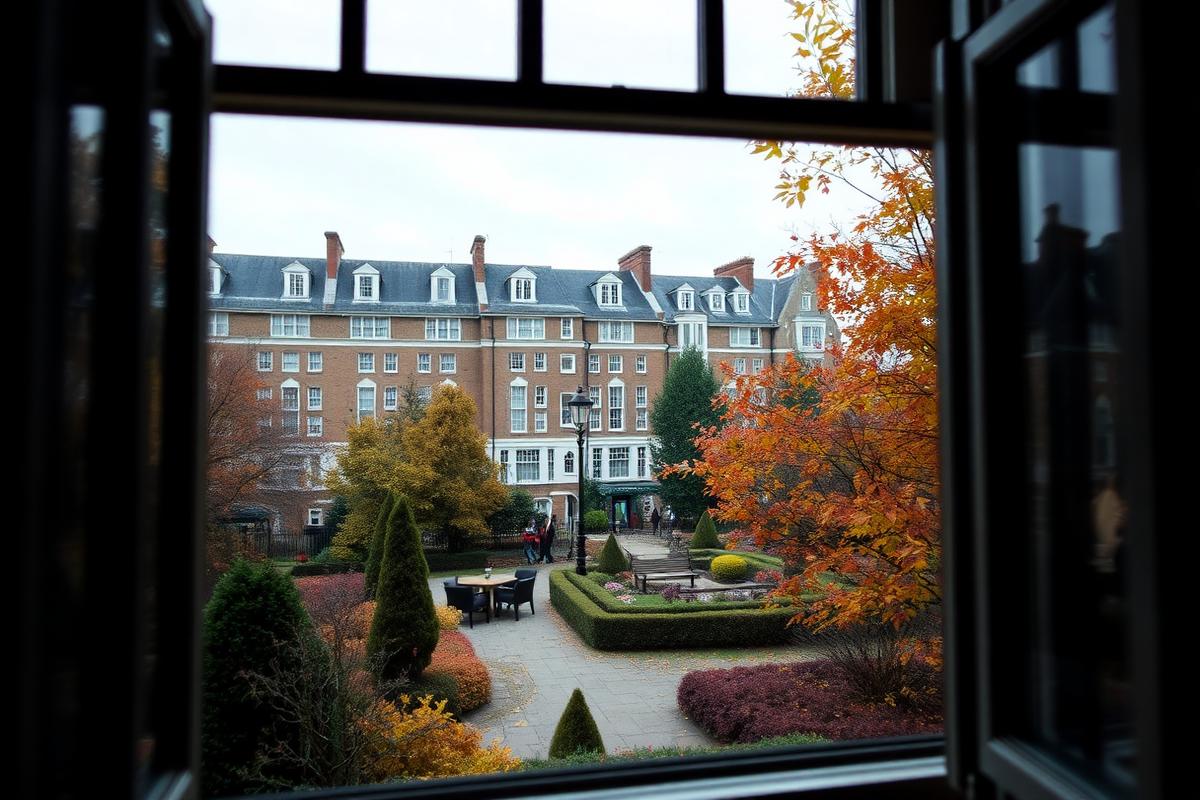
Ealing borough encompasses numerous distinct neighbourhoods, each offering a different residential experience. Understanding these variations helps answer whether Ealing suits your particular lifestyle and preferences.
Ealing Broadway and its surrounding streets represent the borough's commercial heart—vibrant, well-connected, but inevitably busier and more urban in character. The area suits young professionals prioritising transport links and amenities over tranquillity. The shopping centre, cinema complex, and diverse restaurants create an energetic atmosphere that some find appealing, whilst others consider it too hectic for family life.
South Ealing offers a more residential feel whilst maintaining excellent transport links via the Piccadilly line. The area features attractive Victorian and Edwardian terraces, popular with families and couples seeking period character. Local independent shops along South Ealing Road provide neighbourhood amenity without the crowds of the Broadway.
West Ealing has undergone significant regeneration in recent years, offering relative value whilst benefiting from improving infrastructure. The area attracts first-time buyers and those seeking more affordable entry points, with a correspondingly younger demographic and evolving cultural scene.
North Ealing and the streets around Ealing Common represent the borough's most established family areas. Tree-lined avenues, spacious semi-detached and detached houses, and proximity to the Common create a genuinely suburban atmosphere. These neighbourhoods command premium prices but deliver the quintessential Ealing lifestyle.
Pitshanger Village, straddling the Ealing-Brent border, offers a village-like atmosphere with independent boutiques, cafés, and a strong community identity. This area particularly appeals to those seeking small-town charm within London's boundaries.
Making Ealing Your Home
Deciding whether to relocate requires balancing practical considerations with emotional responses to an area. Throughout our years operating in this borough, we've observed that Ealing tends to suit those who value stability, community, and quality of life over cutting-edge trendiness or nightlife.
Families consistently appreciate the combination of good schools, safe streets, and abundant parks where children can play. Young professionals who've outgrown flatshares in Zone 1 often discover Ealing offers the space and tranquillity they crave without sacrificing career accessibility. Downsizers from larger properties in outer London or the Home Counties find the borough provides excellent amenities and transport links whilst freeing capital.
For those considering investment opportunities, Ealing's fundamentals remain sound—consistent rental demand, strong capital growth over time, and ongoing infrastructure investment suggest the area will retain its appeal. Our [property letting services](/let-your-property/ealing) support landlords in maximising returns whilst maintaining high standards.
Ultimately, is Ealing a nice place to live? For those seeking a well-rounded London lifestyle that doesn't require choosing between urban convenience and suburban comfort, we believe Ealing delivers exceptionally well. The borough's continued popularity, sustained property values, and genuine community spirit all testify to its enduring appeal. We'd encourage anyone considering the area to explore its various neighbourhoods, experience the transport links first-hand, and envision their daily life here—we suspect you'll understand quickly why so many choose to call Ealing home.
Talk to Seymont
What's your home worth?
A considered view on price, timing and how to bring your London home to market — a personal reply within 24 hours.
Your property
Step 1 of 2About the author
Julian ReyesLicensed Real Estate Agent
Julian has spent eleven years handling residential sales across west and central London, previously with the independent agencies Harlowe & Vance and Marchmont Row. He runs listings end to end, from pricing and presentation through to negotiating offers and holding chains together to completion. His writing focuses on the practical mechanics of buying and selling a home in a market where timing and preparation decide the outcome.
Licensed estate agent · 11 years in London residential sales
- Residential sales
- First-time buyers
- Offer negotiation
- Chain management
Frequently asked
- What is the average house price in Ealing?
- According to HM Land Registry Price Paid Data, the median property price in Ealing is £620,000. This varies significantly by property type, with flats having a median of £450,000, terraced houses at £842,500, semi-detached properties at £1,150,000, and detached houses reaching £1,787,500. These figures reflect Ealing's position as a desirable West London borough with excellent transport links and amenities.
- How long does it take to commute from Ealing to central London?
- Ealing Broadway offers exceptional connectivity, with Central line services reaching Oxford Circus in approximately 17 minutes. The Elizabeth line (Crossrail) provides similarly fast access to central destinations. South Ealing, North Ealing, and Ealing Common stations also offer regular Underground services, whilst West Ealing provides overground connections. Most residents find their commute to central London takes between 20-35 minutes depending on their specific destination and local station.
- Which areas of Ealing are best for families?
- North Ealing and the streets surrounding Ealing Common are particularly popular with families, offering larger properties, tree-lined roads, and proximity to green spaces. Pitshanger Village also attracts families seeking a community atmosphere and good local schools. South Ealing provides an excellent balance of family-friendly residential streets and transport connectivity. These areas benefit from numerous outstanding primary and secondary schools, though competition for places can be intense.
- What is the rental market like in Ealing?
- Ealing's rental market remains consistently strong due to excellent transport links and quality of life. According to ONS data, studios range from £975 to £1,525 per calendar month, one-bedroom properties from £1,275 to £2,000, two-bedroom properties from £1,750 to £2,750, and three-bedroom homes from £2,350 to £3,650. Demand typically outstrips supply, particularly for well-presented properties near stations and good schools.
- Does Ealing have good parks and green spaces?
- Yes, Ealing is notably green for a London borough. Walpole Park offers formal gardens and open space in the heart of Ealing, whilst Ealing Common provides 47 acres of grassland and woodland. Gunnersbury Park features historic grounds and recreational facilities. Lammas Park, Pitshanger Park, and numerous smaller gardens and commons throughout the borough contribute to the area's 'Queen of the Suburbs' designation. These green spaces significantly enhance quality of life and are a major draw for families and those seeking a more suburban atmosphere within London.