Journal
Is Clapham a Nice Place to Live?
Written by Julian Reyes · Licensed Real Estate Agent
Published 23 February 2026 · Updated 9 June 2026 · 6 min read
The short answer
When prospective residents ask us "is Clapham a nice place to live?", we understand they're seeking more than a simple yes or no. This South London neighbourhood has evolved into one of the capital's most sought-after postcodes, blending Georgian elegance with contemporary urban energy.
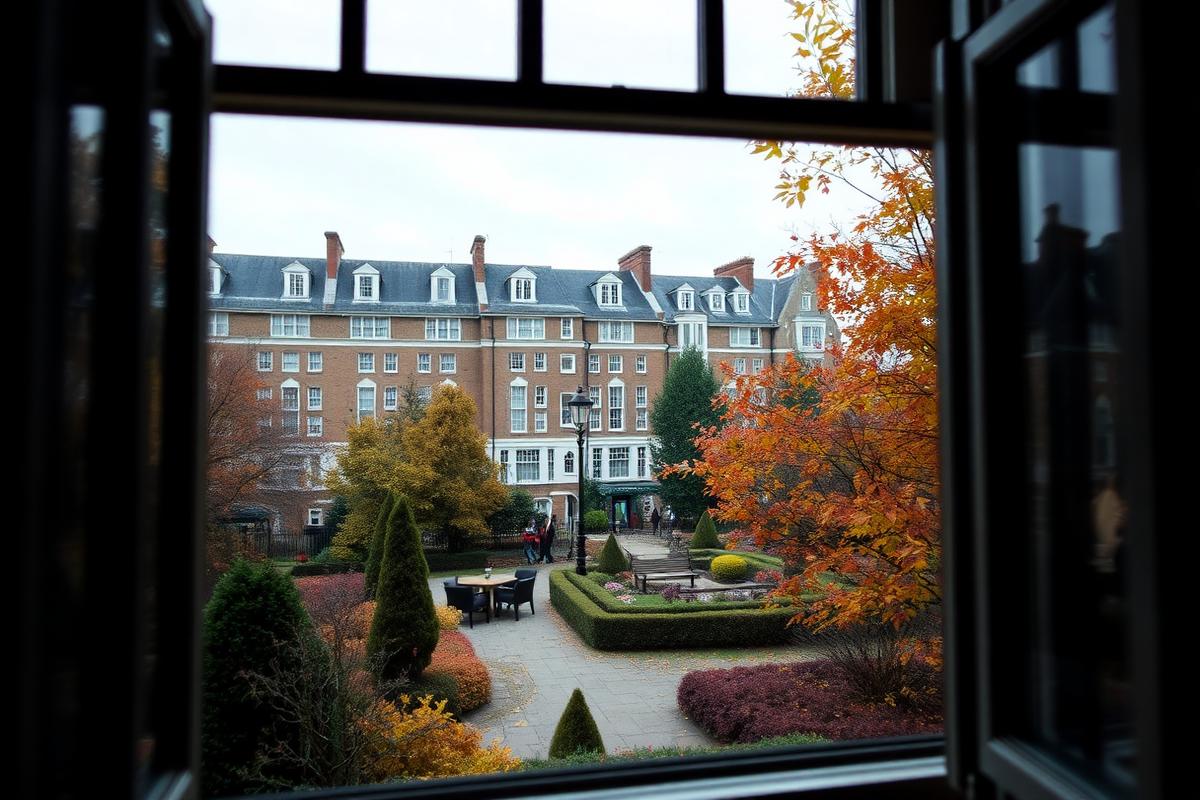
When prospective residents ask us "is Clapham a nice place to live?", we understand they're seeking more than a simple yes or no. This South London neighbourhood has evolved into one of the capital's most sought-after postcodes, blending Georgian elegance with contemporary urban energy. Our team has witnessed Clapham's transformation first-hand, helping hundreds of buyers and tenants discover what makes this area exceptional. From the sweeping greenery of Clapham Common to the independent cafés lining Clapham Old Town, this guide explores everything you need to know about calling Clapham home.
The Clapham Lifestyle: Green Spaces and Urban Convenience
Clapham Common stands as the neighbourhood's crown jewel, offering 220 acres of open parkland that fundamentally shapes daily life here. We regularly hear from clients how the Common influenced their decision to move to the area—whether for early morning runs, weekend picnics, or simply having green space visible from their windows. The three ponds, bandstand, and tree-lined avenues create a village-like atmosphere that feels worlds away from central London, despite being mere minutes from the West End.
Beyond the Common, Clapham's distinct villages each offer their own character. Clapham Old Town preserves the area's historic roots with its cluster of independent shops, traditional pubs, and the striking Holy Trinity Church. Clapham High Street provides the commercial heart, with national retailers, supermarkets, and the Picturehouse cinema. Meanwhile, Clapham North and Clapham South offer their own distinct neighbourhoods, each with excellent transport connections and local amenities.
The social scene here deserves particular mention. From the historic pub Clapham that locals have frequented for generations to the modern wine bars and restaurants that have emerged in recent years, there's genuine variety. We've noticed that Clapham attracts a demographic spanning young professionals, growing families, and established residents who've lived here for decades—this mix creates a balanced, dynamic community rather than a monoculture.
Transport Links: Connectivity Across London
Clapham's transport infrastructure represents one of its strongest assets, a factor that consistently appears in positive Clapham reviews from our clients. The area benefits from four Underground stations—Clapham Common, Clapham North, and Clapham South on the Northern line, plus Clapham High Street on the Overground—alongside the major Clapham Junction railway station just beyond the western boundary.
Clapham Junction deserves special attention as one of Britain's busiest railway stations, offering direct services to Victoria, Waterloo, London Bridge, and destinations across the South. For professionals commuting to the City or West End, the Northern line provides straightforward access, with journey times to Bank or Leicester Square typically under twenty minutes. The recent addition of the Night Tube on Fridays and Saturdays has further enhanced connectivity for those working or socialising late.
Clapham Road and the surrounding arterial routes also make car ownership viable for those who need it, though many residents we work with find they rely predominantly on public transport and cycling. The area's position between Zones 2 and 3 means transport costs remain reasonable whilst maintaining excellent accessibility.
Property Market Insights: What Your Money Buys
Understanding the local property landscape helps answer whether Clapham suits your budget and lifestyle requirements. According to HM Land Registry data, the median property price in Clapham recently stood at £540,000 across 166 recorded sales, though this figure masks considerable variation by property type.
Flats dominate the market, representing 127 of those transactions with a median price of £490,000. These range from compact conversions starting around £160,000 to luxury apartments exceeding £1,460,000. For those searching for houses in Clapham, terraced properties commanded a median of £1,075,000, whilst semi-detached homes reached £1,510,558—reflecting the premium placed on family houses with outdoor space near the Common. You can explore current opportunities through our [Clapham property listings](/property-for-sale/clapham).
The rental market offers options across all price points, according to ONS data. Studios range from £850 to £1,325 monthly, one-bedroom flats from £1,125 to £1,750, and two-bedroom properties from £1,525 to £2,375. Family homes command higher rents: three-bedroom properties typically cost £2,025 to £3,175, four-bedroom homes £2,725 to £4,250, and five-bedroom houses from £3,575 to £5,575 monthly. These figures position Clapham as a premium yet accessible South London location, particularly when compared to neighbouring Battersea or Wandsworth.
For investors and landlords, we've observed sustained rental demand driven by Clapham's transport links and lifestyle amenities. Our [letting service](/let-your-property/clapham) supports property owners in maximising returns whilst maintaining high tenant standards.
Talk to Seymont
What's your home worth?
A considered view on price, timing and how to bring your London home to market — a personal reply within 24 hours.
Your property
Step 1 of 2The Pros and Cons of Living in Clapham
Every neighbourhood presents trade-offs, and examining the pros and cons of living in Clapham honestly helps prospective residents make informed decisions. On the positive side, the combination of green space, transport connectivity, and cultural amenities creates a genuinely balanced lifestyle. Families appreciate the outstanding schools, including several rated Outstanding by Ofsted, whilst professionals value the sub-thirty-minute commutes to most London employment hubs.
The restaurant and bar scene has matured considerably, moving beyond the "party town" reputation Clapham carried in the early 2000s. Today's dining options span everything from neighbourhood Italian trattorias to modern British gastropubs and international cuisine. Weekend farmers' markets, independent bookshops, and community events foster a genuine neighbourhood spirit that transcends Clapham's proximity to central London.
However, prospective residents should consider certain challenges. Property prices and rents sit firmly in the premium bracket, potentially stretching budgets compared to areas further south. Clapham High Street and the areas surrounding the Northern line stations can feel busy, particularly during peak hours and weekend evenings. Some parts of the neighbourhood experience higher noise levels from bars and late-night venues, though this concentrates in specific pockets rather than affecting the entire area.
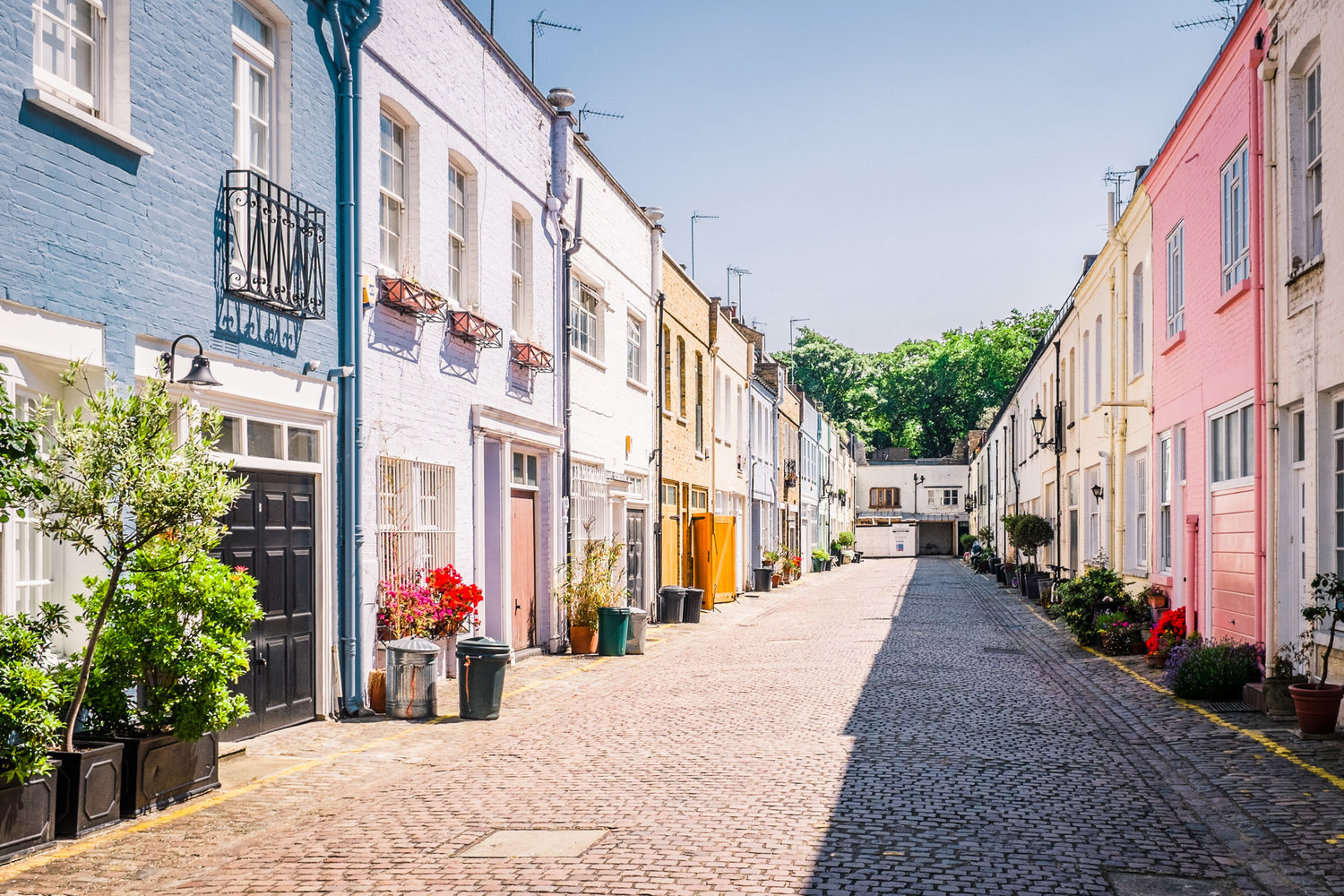
Parking can prove challenging in the Victorian terraced streets, with resident permit schemes operating across most roads. The question "is Clapham safe?" arises frequently in our conversations with clients. Like any urban area, crime statistics vary by specific location and time, but we find that most residents feel secure, particularly in the residential streets around the Common and towards Clapham Old Town. The visible police presence and active neighbourhood watch schemes contribute to this sense of security.
Schools, Families and Community
Clapham has evolved into a genuinely family-friendly area, a shift we've witnessed over the past decade as young professionals who moved here in their twenties have stayed to raise children. The catchment areas for several excellent state primaries and secondaries make certain streets particularly sought-after, often reflected in local property values.
Beyond formal education, the neighbourhood offers abundant family amenities. The Common provides obvious recreational space, whilst the local libraries, playgroups, and weekend activities create a supportive environment for parents. We regularly work with families upsizing from one-bedroom flats to houses in Clapham, drawn by the prospect of remaining in an area they've grown to love whilst gaining the space children require.
Community initiatives, from the Clapham Park regeneration project to volunteer groups maintaining local green spaces, demonstrate residents' investment in the area's future. This civic engagement contributes to the neighbourhood's appeal for those seeking somewhere to establish long-term roots rather than a temporary London base.
Working With Local Property Experts
Whether you're considering buying, renting, or investing in Clapham, understanding the neighbourhood's nuances makes a material difference to outcomes. Our team at [Seymont London's Clapham office](/estate-agents/clapham) combines granular local knowledge with access to properties across all price points, from studio flats to substantial family homes.
We've supported clients in navigating Clapham's competitive market, identifying which streets offer the best value, understanding school catchment boundaries, and recognising emerging pockets of the neighbourhood. For sellers and landlords, our approach combines accurate pricing based on recent comparable sales with targeted marketing that reaches qualified buyers and tenants.
The [house price data](/house-prices/clapham) we maintain offers transparency into market movements, helping both buyers and sellers make evidence-based decisions rather than relying on speculation. In a neighbourhood as dynamic as Clapham, where prices can vary significantly between adjacent streets, this precision proves invaluable.
Talk to Seymont
What's your home worth?
A considered view on price, timing and how to bring your London home to market — a personal reply within 24 hours.
Your property
Step 1 of 2About the author
Julian ReyesLicensed Real Estate Agent
Julian has spent eleven years handling residential sales across west and central London, previously with the independent agencies Harlowe & Vance and Marchmont Row. He runs listings end to end, from pricing and presentation through to negotiating offers and holding chains together to completion. His writing focuses on the practical mechanics of buying and selling a home in a market where timing and preparation decide the outcome.
Licensed estate agent · 11 years in London residential sales
- Residential sales
- First-time buyers
- Offer negotiation
- Chain management
Frequently asked
- Is Clapham Common safe at night?
- Clapham Common is generally considered safe, with regular police patrols and good lighting along main pathways. As with any large urban park, we recommend sticking to well-lit routes after dark and remaining aware of your surroundings. The areas immediately surrounding the Common, particularly the residential streets, have active neighbourhood watch schemes and low crime rates compared to wider London averages.
- What's the difference between Clapham North, South and Common?
- These names primarily refer to the Underground stations and their immediate neighbourhoods. Clapham North sits at the northern edge near Stockwell, Clapham Common station serves the eastern side of the Common, and Clapham South lies further south towards Balham. Each area has distinct characteristics—Clapham North offers slightly lower property prices, Clapham Common provides the most direct access to the park, whilst Clapham South tends toward quieter residential streets.
- How long does it take to commute from Clapham to central London?
- Journey times vary by destination and your specific location in Clapham. From Clapham Common or Clapham North stations on the Northern line, expect approximately 15 minutes to Leicester Square, 18 minutes to Bank, and 12 minutes to Waterloo. Clapham Junction offers even faster rail services to Victoria (typically 7-9 minutes) and Waterloo. These timings make Clapham highly competitive for commuters working in the City, West End, or South Bank.
- Are there good schools in Clapham?
- Clapham benefits from several highly-regarded state primary and secondary schools, many rated Outstanding or Good by Ofsted. The area also offers access to private schools and is within reasonable distance of selective grammars in neighbouring boroughs. Specific catchment areas change annually and can be quite tight for the most popular schools, so we always recommend checking current boundaries when house hunting if school proximity is a priority.
- Is Clapham better for buying or renting?
- This depends entirely on your circumstances and timeline. Clapham's property market has shown resilience and growth over the long term, making it attractive for buyers planning to stay five years or more. However, with studios renting from approximately £850 monthly and one-bedroom flats from £1,125, renting offers flexibility for those uncertain about their long-term plans or still exploring which part of London suits them best. We help clients evaluate both options based on their specific financial situation and lifestyle requirements.