Journal
Is Chelsea a Nice Place to Live?
Written by Amara Bennett · Property Market Analyst
Published 19 October 2025 · Updated 29 December 2025 · 6 min read
The short answer
When considering a move to one of London's most prestigious postcodes, it's natural to ask: is Chelsea a nice place to live? The short answer is a resounding yes—but this historic riverside neighbourhood offers far more than just an illustrious address. Our team at Seymont London has worked extensively across Chelsea, and we've witnessed firsthand how this elegant enclave combines cultural richness, architectural beauty, and village-like charm within one of the world's most dynamic cities.
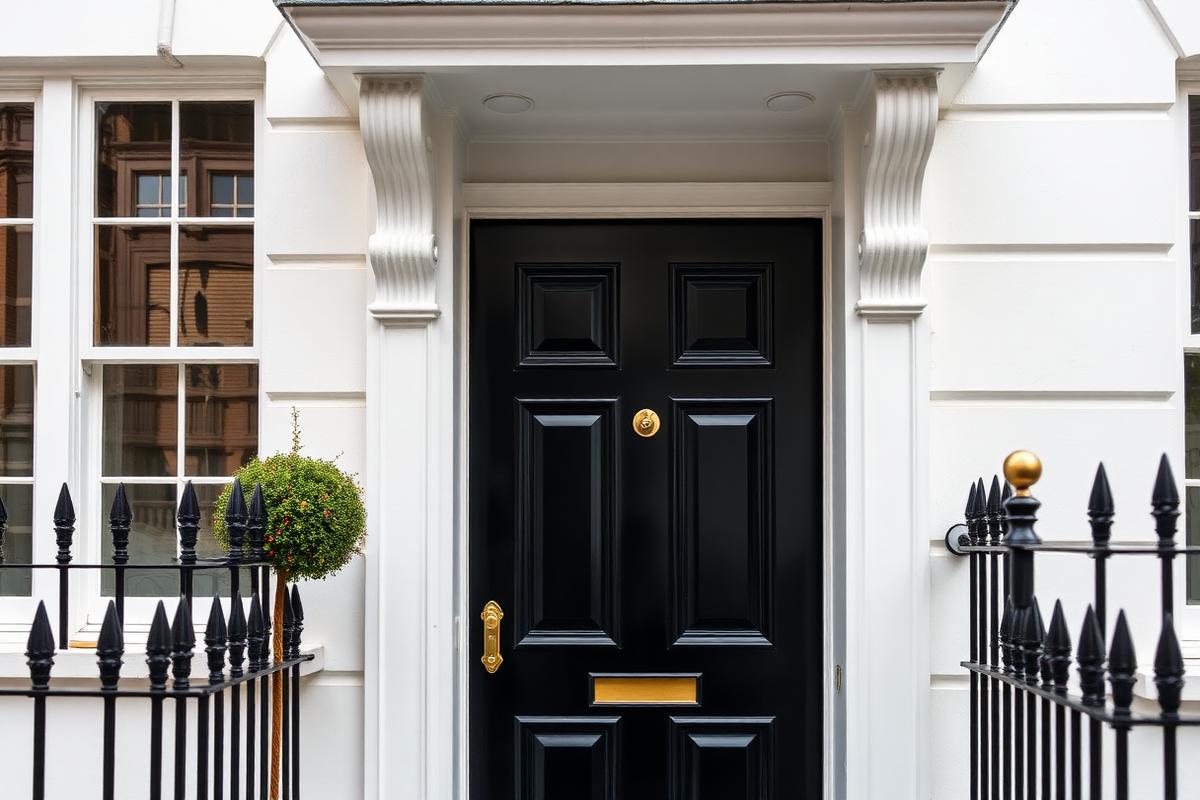
When considering a move to one of London's most prestigious postcodes, it's natural to ask: is Chelsea a nice place to live? The short answer is a resounding yes—but this historic riverside neighbourhood offers far more than just an illustrious address. Our team at Seymont London has worked extensively across Chelsea, and we've witnessed firsthand how this elegant enclave combines cultural richness, architectural beauty, and village-like charm within one of the world's most dynamic cities. From the verdant expanses along the Thames to the boutique-lined streets of the King's Road, Chelsea presents a distinctive lifestyle that continues to attract discerning residents.
The Character and Appeal of Chelsea London
Chelsea's identity is inseparable from its extraordinary history. This corner of West London has evolved from a Tudor-era riverside village into one of the capital's most sophisticated residential areas, yet it has retained an unmistakable sense of place. The neighbourhood's tree-lined streets reveal elegant Victorian and Georgian townhouses, many with the original period features that collectors and aesthetes prize.
The Royal Hospital Chelsea, designed by Sir Christopher Wren and home to the iconic Chelsea Pensioners, anchors the eastern edge of the area and hosts the world-renowned RHS Chelsea Flower Show each May. Meanwhile, the recently redeveloped Chelsea Barracks has introduced contemporary luxury residences that honour the site's military heritage whilst providing modern living spaces. This juxtaposition of historical gravitas and contemporary design defines much of Chelsea's architectural landscape.
Culturally, Chelsea remains a haven for the arts. The Chelsea Arts Club has fostered creative talent for over a century, whilst the Saatchi Gallery continues to showcase cutting-edge contemporary work. Walking through Chelsea, you'll encounter blue plaques commemorating former residents from Oscar Wilde to George Eliot, testament to the area's longstanding appeal to London's intellectual and artistic elite.
The King's Road, once the epicentre of 1960s counterculture, now offers a refined shopping experience with independent boutiques sitting alongside heritage brands. This famous thoroughfare exemplifies how Chelsea has evolved whilst maintaining its distinctive character—always fashionable, never following.
Understanding Chelsea Property Prices and Market Dynamics
According to HM Land Registry data, the median property price in Chelsea stands at £940,000 across 162 recorded sales, reflecting the area's position within London's prime property market. However, this figure encompasses considerable variation depending on property type and specific location.
Flats, which represent the majority of transactions at 122 sales, command a median price of £750,000, with individual properties ranging from £227,500 to £5,170,000. Terraced houses, historically Chelsea's signature property style, show a median of £3,050,000 across 27 sales, reaching up to £23,000,000 for the most exceptional examples. The four semi-detached properties sold achieved a median of £16,475,000, underlining the premium attached to these rarer housing types in such a central location.
For those considering the rental market, ONS data reveals monthly rents spanning from £1,475–£2,300 for studios, £1,950–£3,050 for one-bedroom properties, and £2,650–£4,150 for two-bedroom homes. Larger family residences command £3,550–£5,525 for three bedrooms, £4,725–£7,375 for four bedrooms, and £6,200–£9,675 for five-plus bedroom properties.
These figures position Chelsea firmly within London's premium tier, yet many residents consider the investment worthwhile given the neighbourhood's unparalleled combination of location, amenities, and enduring appeal. Our experience at Seymont London suggests that Chelsea properties demonstrate remarkable resilience, with the area's fundamental desirability providing a solid foundation for long-term value.

Weighing the Pros and Cons of Living in Chelsea
Every neighbourhood presents trade-offs, and Chelsea is no exception. Understanding both advantages and challenges helps prospective residents make informed decisions about whether this area aligns with their lifestyle and priorities.
The advantages are considerable. Chelsea's location provides exceptional connectivity—Sloane Square, South Kensington, and Fulham Broadway stations offer Underground access, whilst numerous bus routes traverse the area. The Thames Path delivers traffic-free riverside walks stretching east toward Westminster and west to Putney, providing green respite within an urban setting. The neighbourhood's famous restaurants, from Michelin-starred establishments to neighbourhood bistros, create a dining scene that rivals anywhere in London.
Educational provision represents another significant draw. Chelsea sits within reach of numerous outstanding state and independent schools, making it particularly attractive to families. The area's parks and gardens—from the Chelsea Physic Garden to Battersea Park just across the river—offer outdoor space that's precious in central London.
The challenges, however, warrant consideration. Property prices and rental costs place Chelsea beyond many budgets, representing perhaps the most significant barrier to residence. Parking can prove difficult, with resident permit schemes heavily subscribed and limited street parking. The area's popularity means that certain locations, particularly along King's Road and around Duke of York Square, experience considerable pedestrian and vehicle traffic, especially during weekends.
Some residents note that Chelsea's refined atmosphere, whilst appealing to many, may feel too sedate for those seeking a more vibrant nightlife or edgier cultural scene. The neighbourhood's demographic skews older and more established, which creates a particular character that prospective residents should consider against their own preferences.
Talk to Seymont
What's your home worth?
A considered view on price, timing and how to bring your London home to market — a personal reply within 24 hours.
Your property
Step 1 of 2Is Chelsea Safe? Security and Community Wellbeing
Safety consistently ranks among the top priorities for anyone considering a new neighbourhood, and Chelsea performs well on this measure. The area benefits from a visible police presence, active Neighbourhood Watch schemes, and the general security consciousness that accompanies high-value residential areas.
Crime rates in Chelsea remain below London averages for most categories, with residents reporting feeling secure walking the streets during evening hours. The neighbourhood's residential character, combined with well-maintained streets and active community engagement, contributes to this sense of safety. Many properties feature additional security measures, from concierge services in modern developments to sophisticated alarm systems in period homes.
That said, no urban area is entirely without crime, and Chelsea's affluence can attract opportunistic theft, particularly of high-value vehicles and during periods when properties stand empty. Our advice to clients always includes standard urban security practices: maintaining good door and window locks, being discreet about valuables, and building relationships with neighbours who can keep an eye on properties during absences.
The community dimension of safety extends beyond crime statistics. Chelsea possesses a strong neighbourhood identity, with long-term residents, active residents' associations, and local businesses that have served the area for generations. This social fabric contributes to the overall sense of security and belonging that characterises life in Chelsea.
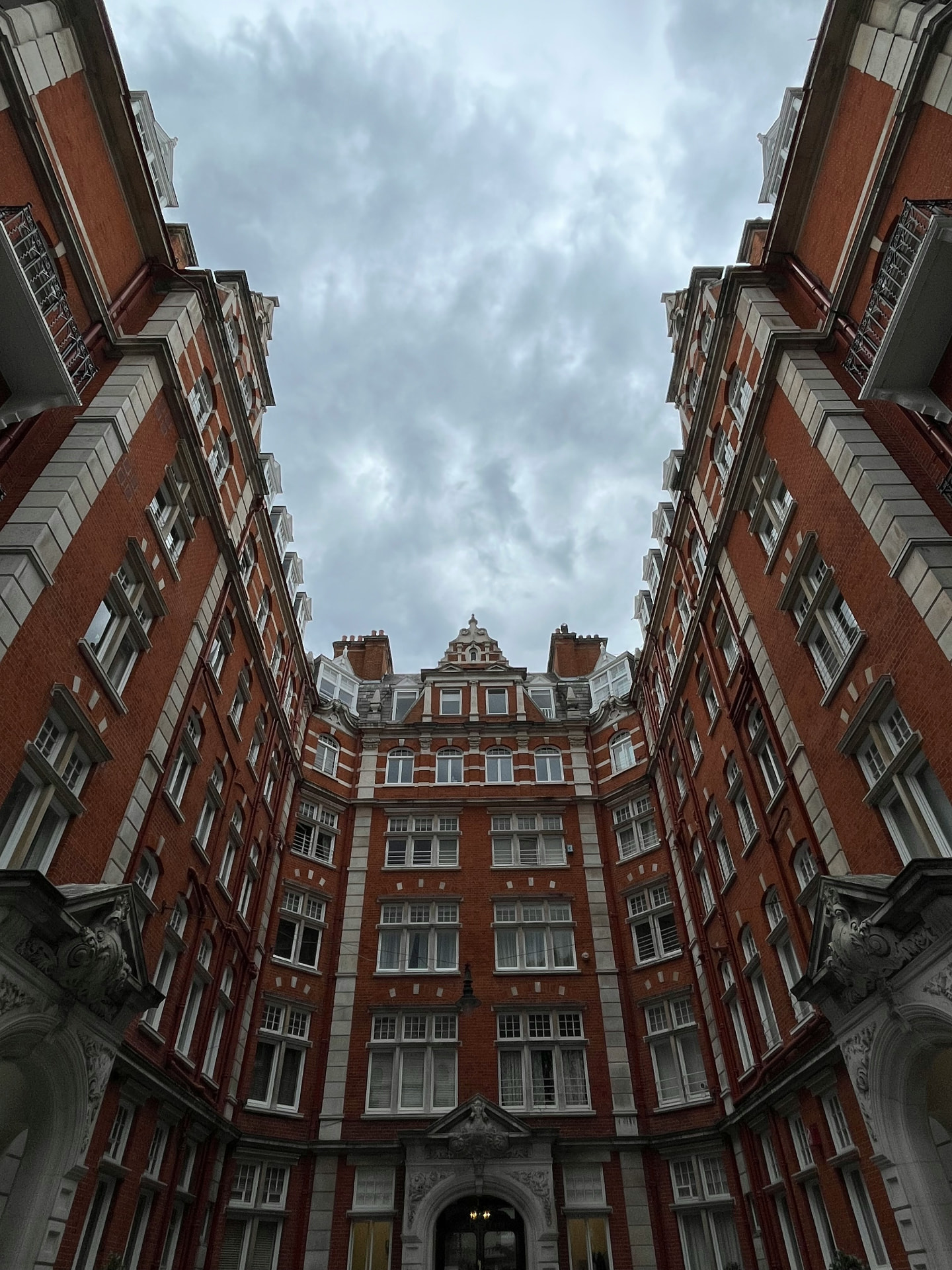
Chelsea Reviews: What Residents Value Most
In our conversations with Chelsea residents and through broader Chelsea reviews, certain themes emerge consistently. The neighbourhood's "village within the city" quality receives frequent praise—despite Chelsea's central location and excellent transport links, many residents describe a genuine sense of community that's increasingly rare in central London.
The quality and variety of local amenities feature prominently in positive feedback. From the weekly farmers' market to the independent bookshops, fishmongers, and delicatessens that line the side streets, Chelsea provides daily conveniences that elevate routine errands into pleasant experiences. The concentration of restaurants in Chelsea, spanning from cosy neighbourhood Italian trattorias to innovative fine dining establishments, means residents rarely need to venture elsewhere for exceptional meals.
Families particularly value the combination of educational options, green spaces, and the area's general safety. The ability to walk to excellent schools, spend afternoons in well-maintained parks, and access cultural attractions like the Natural History Museum and Victoria & Albert Museum within minutes creates an enriching environment for children.
Conversely, some residents note that Chelsea's popularity has introduced certain pressures. The presence of international buyers means some streets contain properties used only occasionally, potentially reducing neighbourhood vitality. Traffic congestion around key junctions can test patience during peak hours. These observations don't typically override the positive aspects but represent honest assessments from those who call Chelsea home.
Making Your Decision: Finding Property in Chelsea
Determining whether Chelsea suits your needs requires moving beyond general impressions to consider your specific circumstances, priorities, and budget. We recommend spending substantial time in the neighbourhood at different times of day and across various streets—Chelsea's character shifts noticeably between the bustle of King's Road and the residential tranquillity of streets near the Royal Hospital Chelsea.
If you're ready to explore Chelsea property options, understanding the local market nuances proves invaluable. Our team maintains comprehensive knowledge of Chelsea's distinct pockets, from the family-oriented streets near Chelsea Creek to the sophisticated mansion blocks around Sloane Square. Whether you're considering purchasing or renting, we can provide detailed insights into current availability and market conditions.
For those interested in viewing properties for sale, our [Chelsea property listings](/property-for-sale/chelsea) showcase current opportunities across various price points and property types. Those exploring rental options might find our [lettings service](/let-your-property/chelsea) helpful, whilst our [detailed price analysis](/house-prices/chelsea) offers additional market context.
Ultimately, is Chelsea a nice place to live? For those who value history, culture, architectural beauty, and a genuine sense of place within central London—and who can navigate the premium pricing—Chelsea offers an exceptional residential experience. Our team at [Seymont London's Chelsea office](/estate-agents/chelsea) remains available to discuss how this remarkable neighbourhood might align with your property aspirations.
Talk to Seymont
What's your home worth?
A considered view on price, timing and how to bring your London home to market — a personal reply within 24 hours.
Your property
Step 1 of 2About the author
Amara BennettProperty Market Analyst
Amara spent seven years as a market analyst at Kestrel Lane Research, a small London property consultancy, before joining our editorial desk. She reads sold-price and rental data street by street to explain how individual London postcode districts actually behave, and reviews every price figure we publish. Her focus is separating headline national averages from what a specific address is worth today.
MSc Real Estate Economics · Seven years in property market research
- Valuations
- Local market data
- Sold prices
- Pricing strategy
Frequently asked
- What is the average property price in Chelsea?
- According to HM Land Registry data, the median property price in Chelsea is £940,000. However, this varies significantly by property type: flats have a median of £750,000, terraced houses reach £3,050,000, and semi-detached properties command a median of £16,475,000. Individual properties range from under £230,000 to over £23,000,000 depending on size, condition, and specific location.
- How much does it cost to rent in Chelsea?
- Based on ONS data, monthly rental costs in Chelsea range from £1,475–£2,300 for studios, £1,950–£3,050 for one-bedroom properties, and £2,650–£4,150 for two-bedroom homes. Larger family properties cost £3,550–£5,525 for three bedrooms, £4,725–£7,375 for four bedrooms, and £6,200–£9,675 for five or more bedrooms.
- What are the best things about living in Chelsea?
- Chelsea offers exceptional cultural amenities including the Saatchi Gallery and Chelsea Arts Club, excellent restaurants, beautiful architecture, proximity to the Thames, outstanding transport connections, and a genuine village atmosphere despite its central London location. The area also provides access to renowned schools, well-maintained parks, and a strong sense of community that residents particularly value.
- Is Chelsea suitable for families with children?
- Yes, Chelsea attracts many families due to its excellent state and independent schools, safe streets, numerous parks and gardens, and family-friendly amenities. The area offers cultural attractions within easy reach, including museums in nearby South Kensington, whilst maintaining a residential character with less through-traffic on many streets. The combination of educational provision and green space makes it particularly appealing to families who can afford the premium property prices.
- How does Chelsea compare to other prime London neighbourhoods?
- Chelsea distinguishes itself through its unique combination of riverside location, historical significance, cultural heritage, and architectural consistency. Whilst areas like Kensington and Knightsbridge offer similar prestige, Chelsea's village-like character, the iconic King's Road, and landmarks such as the Royal Hospital Chelsea and Chelsea Barracks create a distinctive identity. Property prices are comparable to other prime central London locations, but Chelsea's particular atmosphere appeals to those seeking a more established, culturally rich environment.