Journal
Houses to Buy Peckham — A Buyer's Guide
Written by Julian Reyes · Licensed Real Estate Agent
Published 25 July 2026 · Updated 5 August 2026 · 3 min read
The short answer
Peckham has transformed from overlooked south London neighbourhood to one of the capital's most sought-after postcodes. If you're searching for houses to buy peckham, you'll find a diverse mix of Victorian terraces, Edwardian family homes and new-build developments, alongside excellent transport links and a thriving cultural scene.
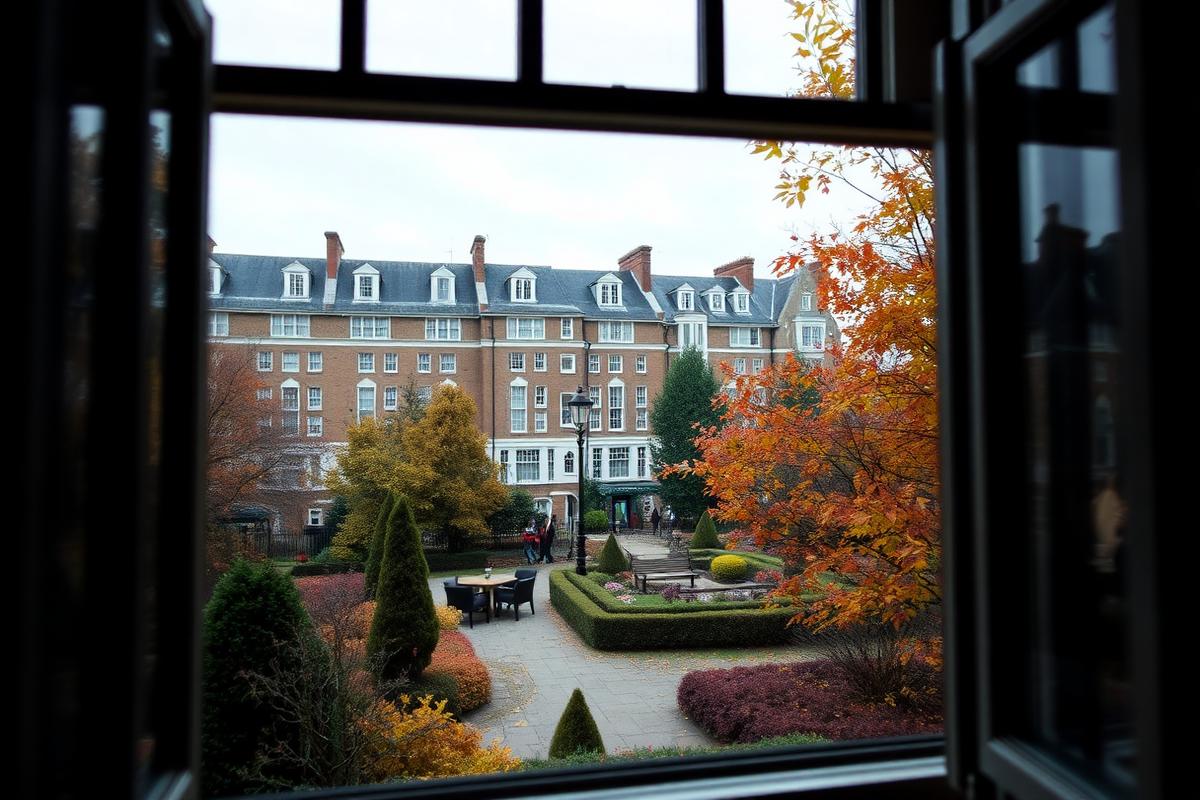
Peckham has transformed from overlooked south London neighbourhood to one of the capital's most sought-after postcodes. If you're searching for houses to buy peckham, you'll find a diverse mix of Victorian terraces, Edwardian family homes and new-build developments, alongside excellent transport links and a thriving cultural scene. This guide explains what buyers can expect from the Peckham property market in 2025, from typical house types and price ranges to the practicalities of buying in SE15.
What types of Peckham property are available?
The most common houses to buy peckham are Victorian and Edwardian terraces, many with original features such as sash windows, high ceilings and tiled hallways. These typically offer three or four bedrooms across three floors, with small gardens to the rear. Streets around Peckham Rye and Nunhead are particularly well-stocked with period family homes.
New-build developments have appeared in recent years, particularly around Peckham town centre and near Queens Road station, offering modern two- and three-bedroom houses with open-plan layouts and parking. Conversion projects—former commercial buildings turned residential—also feature in the local market, though these tend to be flats rather than houses. Buyers seeking outdoor space should focus on areas close to Peckham Rye Park and Common, where gardens are generally more generous.
How much do houses cost to buy in Peckham?
According to HM Land Registry data, the median price paid for all property types in Peckham (SE15) was approximately £525,000 in 2024, though prices vary significantly by property type and location. Victorian terraced houses typically command between £600,000 and £900,000 depending on condition, size and proximity to the park or station, while larger Edwardian homes can exceed £1 million.
New-build houses tend to sit at the upper end of the market, often priced from £700,000 upwards. Streets closer to Dulwich or East Dulwich borders generally attract a premium, while areas nearer the Old Kent Road may offer better value. Our team recommends using our /sold-prices tool to review recent transactions on specific streets, and our /tools/mortgage-calculator to model affordability before viewings begin.
Transport, schools and local amenities
Peckham is served by Peckham Rye and Queens Road Peckham stations, both offering London Overground services into central London. Peckham Rye connects to Canada Water, Shoreditch and Highbury & Islington, with journeys to London Bridge taking around 10 minutes. Multiple bus routes run along Rye Lane and Peckham High Street, providing links to Elephant & Castle, Brixton and beyond.
The area is home to several well-regarded primary schools, and Peckham Rye Park provides green space for families. Rye Lane remains the commercial heart of the neighbourhood, known for independent shops, cafés, and the Bussey Building arts venue. Bellenden Road offers a quieter village feel with delis and pubs. Buyers should visit at different times of day to gauge the character of individual streets, as the neighbourhood varies considerably from one postcode pocket to another.
Talk to Seymont
What's your home worth?
A considered view on price, timing and how to bring your London home to market — a personal reply within 24 hours.
Your property
Step 1 of 2Buying process and local market dynamics
The process to buy house peckham follows standard conveyancing procedure, though competition can be strong for well-presented family homes near the park or stations. We advise buyers to secure a mortgage agreement in principle before viewing, and to move quickly when a suitable property appears—popular houses often receive multiple offers within days of listing.
Working with local estate agents who know the area well can make a material difference. Our /estate-agents/peckham team has years of experience matching buyers with the right streets and property types, and we maintain up-to-date knowledge of planning applications, local developments and market sentiment. Browsing current listings on our /property-for-sale/peckham page gives a real-time sense of stock levels and asking prices.
Once you've found a property, expect the usual survey, searches and exchange process to take between eight and twelve weeks, though this varies by chain complexity. Legal fees, stamp duty and survey costs should all be factored into your budget from the outset. Book a free, no-obligation valuation with Seymont London at /valuation if you're also selling a property to fund your purchase.
Talk to Seymont
What's your home worth?
A considered view on price, timing and how to bring your London home to market — a personal reply within 24 hours.
Your property
Step 1 of 2About the author
Julian ReyesLicensed Real Estate Agent
Julian has spent eleven years handling residential sales across west and central London, previously with the independent agencies Harlowe & Vance and Marchmont Row. He runs listings end to end, from pricing and presentation through to negotiating offers and holding chains together to completion. His writing focuses on the practical mechanics of buying and selling a home in a market where timing and preparation decide the outcome.
Licensed estate agent · 11 years in London residential sales
- Residential sales
- First-time buyers
- Offer negotiation
- Chain management
Frequently asked
- Is Peckham a good area to buy a house?
- Peckham offers a diverse, well-connected neighbourhood with strong transport links, independent shops and cultural venues. Proximity to central London and relative affordability compared to neighbouring Dulwich and East Dulwich make it attractive to families and young professionals. As with any area, individual streets vary in character, so visiting in person is essential.
- What is the average house price in Peckham?
- HM Land Registry data shows the median price for all property types in SE15 was around £525,000 in 2024. Victorian and Edwardian terraced houses typically sell for between £600,000 and £900,000, while larger or newly built homes can exceed £1 million depending on location and condition.
- How long does it take to get to central London from Peckham?
- Peckham Rye station offers London Overground services to London Bridge in approximately 10 minutes, with onward connections to the Underground and national rail network. Queens Road Peckham also runs Overground services to Canada Water and beyond, and numerous bus routes serve the area.
- Are there good schools in Peckham?
- Peckham is home to several primary schools, and families also have access to secondary schools in neighbouring Southwark postcodes. Ofsted reports and local authority admissions data provide detailed performance information, and catchment areas vary by school, so checking admissions criteria for specific addresses is advisable.
- What should I look for when viewing houses in Peckham?
- Check the condition of original features in period homes, including damp, roof condition and the state of windows and floors. Assess garden size and orientation, proximity to transport and amenities, and visit the street at different times to understand traffic, parking and neighbourhood character. A full structural survey is recommended before exchange.