Journal
Hackney Property Market Report
Written by Amara Bennett · Property Market Analyst
Published 23 January 2026 · Updated 23 March 2026 · 5 min read
The short answer
The Hackney property market continues to captivate investors, first-time buyers and families alike, driven by the borough's unique blend of creative energy, Victorian architecture and exceptional transport links. Our team has analysed the latest transaction data from HM Land Registry to provide a comprehensive overview of current price trends, neighbourhood dynamics and investment opportunities across this diverse East London borough.
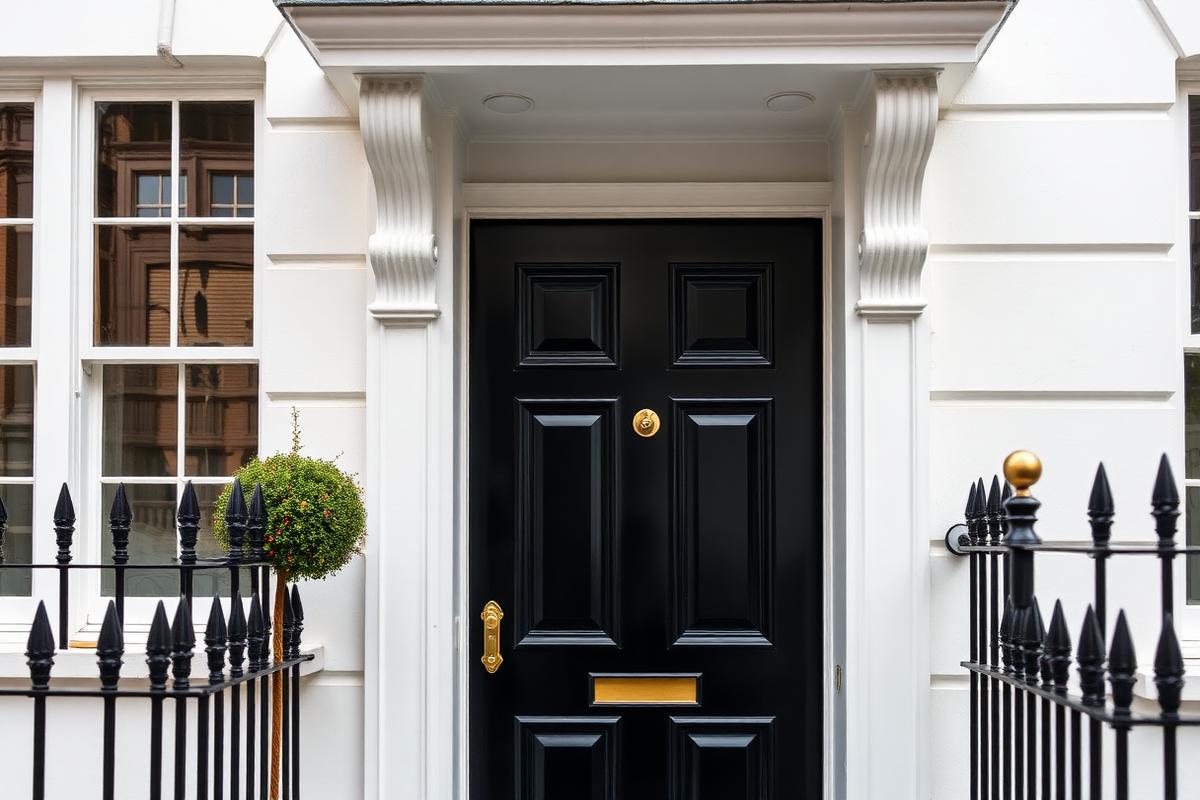
The Hackney property market continues to captivate investors, first-time buyers and families alike, driven by the borough's unique blend of creative energy, Victorian architecture and exceptional transport links. Our team has analysed the latest transaction data from HM Land Registry to provide a comprehensive overview of current price trends, neighbourhood dynamics and investment opportunities across this diverse East London borough. With 134 recorded sales and a median property price of £580,000, Hackney demonstrates remarkable resilience whilst offering distinct opportunities across its varied neighbourhoods—from the regenerated waterways of Hackney Wick to the leafy streets around Hackney Downs.
Current Price Trends and Transaction Activity
According to HM Land Registry Price Paid Data, the Hackney housing market recorded 134 transactions with a median sale price of £580,000. Flats dominate the market, accounting for 114 of these sales with a median price of £560,000, reflecting the borough's predominantly apartment-led housing stock. The range within the flat market is substantial, with prices spanning from £64,500 to £1,300,000, illustrating the diversity of product from studio conversions to premium warehouse apartments.
Terraced houses commanded a median price of £935,000 across 13 transactions, with values reaching as high as £2,430,000 for the finest period properties. This premium reflects the scarcity and desirability of Hackney's Victorian and Georgian terraces, particularly those near London Fields and the tree-lined conservation areas around Hackney Downs. Single detached property sales recorded a median of £838,000, whilst 'other' property types—often commercial conversions or mixed-use developments—showed a median of £451,032.
These figures position Hackney as offering relative value compared to neighbouring Islington and Tower Hamlets, whilst maintaining the cultural cachet and investment fundamentals that continue to attract discerning buyers. Our observations at [Seymont's Hackney office](/estate-agents/hackney) confirm robust demand across all price brackets, with particular competition for well-presented flats in converted industrial buildings and family houses with outdoor space.
Hackney Price Trend: Neighbourhood Variations
The Hackney price trend varies considerably across the borough's distinct neighbourhoods, each offering its own character and value proposition. Hackney Wick has emerged as a creative hub following sustained regeneration, attracting young professionals and artists to its waterside developments and converted warehouses. The area's proximity to the Olympic Park, alongside new cafés, studios and the renowned Hackney Wick restaurants scene, has driven sustained price growth.
Hackney Downs and the surrounding Clapton area appeal to families seeking period properties, excellent schools and green space. The Victorian and Edwardian terraces here typically command premiums, particularly those within walking distance of the overground station and the open expanse of Hackney Downs itself. Streets around Well Street and the London Fields triangle have witnessed considerable gentrification, with independent shops, restaurants in Hackney including acclaimed neighbourhood dining, and the popular Broadway Market contributing to enduring appeal.
Dalston and Stoke Newington offer contrasting propositions: Dalston provides a vibrant nightlife, diverse community and accessible price points for flats, whilst Stoke Newington attracts families with its village atmosphere, excellent schools and historic Church Street. Understanding these micro-markets is essential when evaluating [property for sale in Hackney](/property-for-sale/hackney), as values can vary by 30-40% between adjacent postcodes.
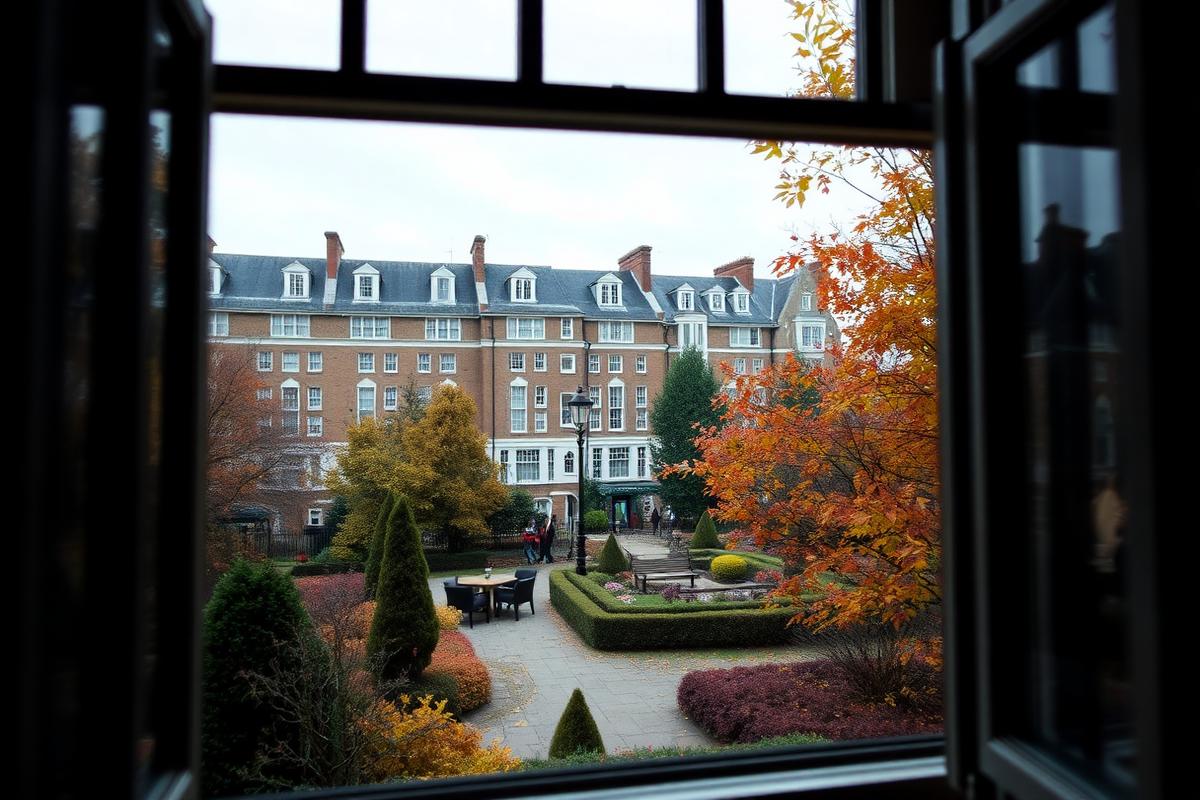
Rental Market and Investment Returns
ONS rental data reveals a dynamic lettings market across Hackney, with studio apartments commanding monthly rents between £900 and £1,425, whilst one-bedroom flats range from £1,200 to £1,875. Two-bedroom properties—the most liquid rental category—achieve £1,625 to £2,550 per month, reflecting strong demand from sharers and young couples working in the City, Canary Wharf and Shoreditch.
Three-bedroom homes rent for £2,175 to £3,400 monthly, appealing to families and professional house-shares, whilst larger four-bedroom properties command £2,900 to £4,525. The premium segment, comprising five-bedroom houses, achieves £3,800 to £5,950, though supply at this level remains limited. These rental values translate to gross yields typically ranging from 3.5% to 5.5% depending on purchase price and property type, with higher returns often achievable on smaller flats in areas like Dalston and Homerton.
For those considering whether Hackney is a good investment, the fundamentals remain compelling: Crossrail (Elizabeth Line) access via nearby stations, ongoing regeneration around Hackney Wick and Mare Street, and sustained demand from London's creative and tech sectors provide long-term capital growth potential. Our team observes that well-maintained flats near transport hubs and period houses in conservation areas consistently outperform, whilst properties requiring modernisation can offer value-add opportunities for experienced investors. Those looking to [let your property in Hackney](/let-your-property/hackney) benefit from our expertise in maximising rental returns across these varied sub-markets.
Talk to Seymont
What's your home worth?
A considered view on price, timing and how to bring your London home to market — a personal reply within 24 hours.
Your property
Step 1 of 2Transport, Regeneration and Future Outlook
Hackney's transport infrastructure continues to evolve, enhancing its appeal to buyers and tenants. The Overground network serves Hackney Central, Hackney Downs, Hackney Wick, Homerton and Dalston, providing rapid connections to the City, West End and Canary Wharf. The Victoria Line at Highbury & Islington (accessed from many Hackney postcodes) offers one of London's fastest routes into the West End, whilst forthcoming improvements to cycling infrastructure align with the borough's progressive environmental policies.
Regeneration projects continue to reshape Hackney's landscape. The Here East development in Hackney Wick has attracted technology companies and creative businesses, generating local employment and supporting the restaurant scene in Hackney Wick and surrounding areas. Mare Street's ongoing transformation, including the completion of new residential schemes and public realm improvements, enhances the borough's retail and leisure offering. These infrastructure investments underpin our positive medium-term outlook for the Hackney property market.
Sustainability initiatives, including low-traffic neighbourhoods and improved cycling routes, appeal to environmentally conscious buyers, whilst the borough's commitment to affordable housing ensures continued demographic diversity. For those researching [house prices in Hackney](/house-prices/hackney), these regeneration tailwinds suggest sustained demand, though buyers should remain mindful of broader economic conditions affecting London's wider property market. Our assessment is that Hackney's unique cultural identity, combined with tangible infrastructure improvements, positions it favourably among inner London boroughs for both owner-occupiers and investors.
Is Hackney a Good Investment? Our Assessment
When evaluating whether Hackney is a good investment, we consider multiple factors beyond headline price data. The borough's demographic profile—young, educated, and increasingly affluent—supports robust rental demand across all property types. The creative industries, technology sector and professional services provide employment diversity, reducing vulnerability to single-industry downturns. Hackney's cultural offering, from independent restaurants in Hackney to world-class arts venues, sustains its desirability among the demographic cohorts driving London's housing demand.
Price growth potential remains evident in areas undergoing regeneration, particularly around Hackney Wick where legacy Olympic infrastructure and ongoing development continue to unlock value. Period properties in established neighbourhoods like Stoke Newington and around Hackney Downs offer scarcity value and appeal to family buyers seeking long-term homes. The flat market provides accessible entry points, with properties ranging from £64,500 to over £1 million, accommodating first-time buyers through to downsizers and investors.
Risks merit consideration: relatively high service charges in new-build developments can erode yields, whilst Hackney's popularity has reduced the discount to neighbouring boroughs that once existed. Planning policies favouring affordable housing may constrain supply of market-rate properties, potentially supporting prices but limiting choice. Overall, our view is that Hackney remains a compelling investment proposition for those with appropriate time horizons—typically five years minimum—and realistic expectations about yields and capital growth in the current market environment.
Talk to Seymont
What's your home worth?
A considered view on price, timing and how to bring your London home to market — a personal reply within 24 hours.
Your property
Step 1 of 2About the author
Amara BennettProperty Market Analyst
Amara spent seven years as a market analyst at Kestrel Lane Research, a small London property consultancy, before joining our editorial desk. She reads sold-price and rental data street by street to explain how individual London postcode districts actually behave, and reviews every price figure we publish. Her focus is separating headline national averages from what a specific address is worth today.
MSc Real Estate Economics · Seven years in property market research
- Valuations
- Local market data
- Sold prices
- Pricing strategy
Frequently asked
- What is the average property price in Hackney?
- According to HM Land Registry data, the median property price in Hackney is £580,000. However, this varies significantly by property type: flats have a median price of £560,000, whilst terraced houses command £935,000. Prices range from approximately £65,000 for the smallest flats to over £2.4 million for premium terraced houses, reflecting Hackney's diverse housing stock and varied neighbourhoods.
- Which areas of Hackney offer the best value for buyers?
- Areas like Homerton, parts of Dalston and the eastern edges around Hackney Wick typically offer more accessible entry points compared to premium neighbourhoods like Stoke Newington and London Fields. However, 'value' depends on individual priorities—regeneration areas may offer growth potential, whilst established postcodes provide immediate amenity and schools. Our team can provide detailed comparative analysis based on your specific requirements and budget.
- What rental yields can investors expect in Hackney?
- Gross rental yields in Hackney typically range from 3.5% to 5.5%, depending on property type, location and purchase price. Smaller one and two-bedroom flats in areas like Dalston generally achieve higher percentage yields, whilst larger family houses in premium locations like Hackney Downs offer lower yields but potentially stronger capital appreciation. ONS data shows monthly rents ranging from £900 for studios to £5,950 for five-bedroom properties.
- How does Hackney's property market compare to neighbouring boroughs?
- Hackney typically offers better value than Islington to the west whilst commanding a premium over more eastern boroughs. It combines cultural appeal similar to Shoreditch with residential amenity comparable to parts of Camden, but at more accessible price points. The borough's creative reputation, improving transport links and ongoing regeneration create a distinct market position that appeals to both owner-occupiers and investors seeking East London exposure.
- Is now a good time to buy property in Hackney?
- Market timing depends on individual circumstances, financial position and investment horizon. Current transaction data shows active market conditions with 134 recorded sales and prices spanning accessible flats to premium houses. Hackney's regeneration trajectory, transport improvements and sustained rental demand provide solid fundamentals, though buyers should secure appropriate mortgage advice and conduct thorough due diligence. Our team can provide current market insights specific to your target neighbourhood and property type.