Journal
Ealing House Prices in 2026: A Comprehensive Market Analysis
Written by Amara Bennett · Property Market Analyst
Published 25 April 2026 · Updated 24 May 2026 · 6 min read
The short answer
Understanding Ealing house prices has never been more important for buyers, sellers, and investors navigating West London's dynamic property market. Our team has analysed the latest HM Land Registry data, revealing that the average house price in Ealing sits at a median of £620,000 based on 1,370 recorded sales.
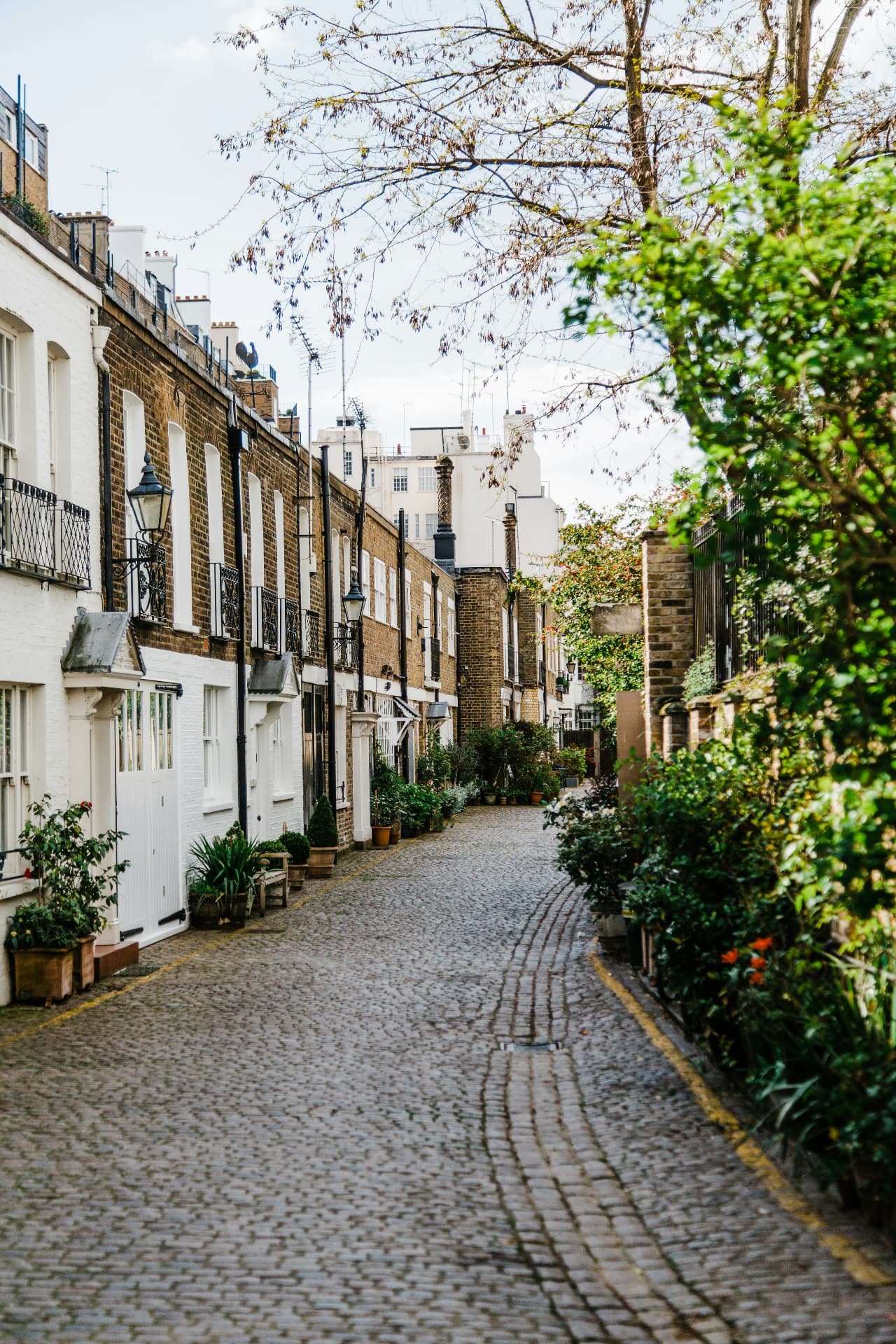
Understanding Ealing house prices has never been more important for buyers, sellers, and investors navigating West London's dynamic property market. Our team has analysed the latest HM Land Registry data, revealing that the average house price in Ealing sits at a median of £620,000 based on 1,370 recorded sales. From the bustling hub of Ealing Broadway to the leafy streets of Ealing Common, this borough continues to attract discerning buyers seeking excellent transport links, outstanding schools, and the perfect balance between suburban tranquillity and urban convenience. In this comprehensive guide, we examine current Ealing property prices across different property types, explore neighbourhood variations, and provide the insights you need to make informed decisions in this sought-after corner of West London.
Current Ealing Sold Prices by Property Type
The Ealing property market demonstrates remarkable diversity across different housing types, with HM Land Registry data revealing distinct price brackets for each category. Flats represent the largest segment of sales activity, accounting for 711 transactions with a median price of £450,000. This entry point makes apartment living particularly attractive to first-time buyers and young professionals drawn to areas like Ealing Broadway and South Ealing, where Victorian conversions sit alongside modern developments.
Terraced houses command a median of £842,500 across 363 sales, reflecting their enduring appeal to families seeking characterful homes with outdoor space. These properties, predominantly found in conservation areas throughout North Ealing and West Ealing, often feature the classic London yellow brick façades and original period details that define the borough's architectural heritage.
Semi-detached properties reach a median of £1,150,000 based on 162 transactions, whilst detached houses represent the premium tier at £1,787,500 median across 80 sales. The detached market in Ealing attracts buyers seeking substantial family homes, with properties ranging from £695,000 to an impressive £4,800,000. These figures underscore Ealing's position as a borough where genuine variety exists, accommodating everyone from first-time buyers to those seeking significant family estates.
Our estate agents in Ealing regularly advise clients that property type fundamentally shapes value, but location within the borough's diverse neighbourhoods plays an equally crucial role in determining final sale prices.
Neighbourhood Variations Across Ealing London
Ealing's property landscape varies considerably across its distinct neighbourhoods, each offering unique character and amenities. Ealing Broadway remains the commercial and transport heart of the borough, where the Elizabeth line, Central line, and mainline rail services converge. This exceptional connectivity drives sustained demand, particularly for flats and apartments within walking distance of the station. The area's vibrant restaurant scene, shopping facilities at The Broadway Shopping Centre, and upcoming regeneration projects continue to enhance its appeal.
South Ealing presents a more residential character whilst maintaining excellent transport links via the Piccadilly line. The neighbourhood's tree-lined streets, proximity to Lammas Park, and strong local schools make it particularly popular with young families. Property prices here typically sit below the Ealing Broadway premium, offering better value without sacrificing connectivity to central London.
West Ealing has undergone significant transformation in recent years, with the Crossrail effect enhancing its profile amongst buyers seeking more affordable entry points into the Ealing borough. The area retains an authentic community feel, independent shops along the Uxbridge Road, and a growing food and drink scene that appeals to creative professionals and first-time buyers.
Ealing Common distinguishes itself through generous green space, with the common itself providing 47 acres of parkland. Properties surrounding the common, particularly Victorian and Edwardian houses, command premium prices reflecting their prime position. North Ealing similarly attracts families drawn to its quiet residential streets, excellent primary schools, and the aesthetic appeal of the Japanese Garden at Pitshanger Park. Our team observes that buyers increasingly appreciate these neighbourhood nuances when searching for property in Ealing.
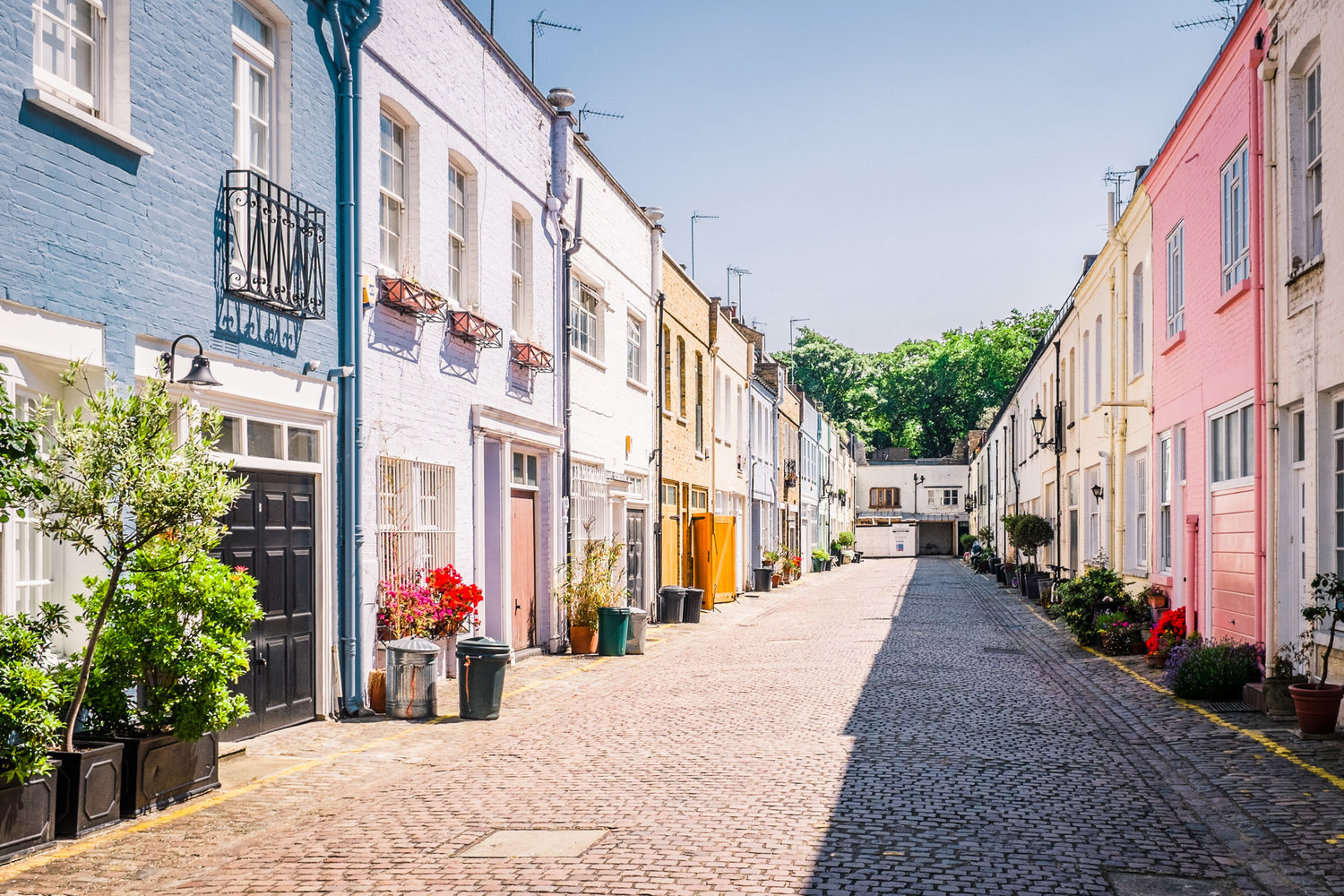
Rental Yields and Investment Potential
Beyond purchase prices, understanding the rental market provides crucial context for investors and landlord clients considering Ealing property. ONS data reveals that studio apartments command monthly rents between £975 and £1,525, whilst one-bedroom properties range from £1,275 to £2,000. These entry-level rental brackets attract young professionals working across West London and those commuting into central London via Ealing's exceptional transport infrastructure.
Two-bedroom properties, the most sought-after rental category, achieve £1,750 to £2,750 monthly, reflecting strong demand from sharers and small families. Three-bedroom houses reach £2,350 to £3,650, positioning them as family rentals in a borough renowned for its outstanding schools including Drayton Manor High School and St Benedict's School. Larger properties naturally command premium rents, with four-bedroom homes achieving £3,125 to £4,875 and five-bedroom properties reaching £4,100 to £6,400 monthly.
When we analyse these rental figures against the average house price in Ealing, certain property types emerge as particularly attractive investment propositions. Flats at the median £450,000 price point, achieving £1,750 monthly for a two-bedroom configuration, can deliver gross yields approaching 4.7% before costs. This compares favourably to many Inner London boroughs where yields have compressed significantly.
The investment case for Ealing extends beyond pure yield calculations. The borough benefits from ongoing infrastructure improvements, including the Elizabeth line's full operation enhancing connections to Heathrow, the West End, and the City. Our letting agents in Ealing consistently report strong tenant demand, supported by the area's employment hubs, educational institutions, and quality of life factors that encourage longer tenancies and reduced void periods.
Talk to Seymont
What's your home worth?
A considered view on price, timing and how to bring your London home to market — a personal reply within 24 hours.
Your property
Step 1 of 2Victorian and Period Property Appeal
Ealing's architectural heritage forms a cornerstone of its market appeal, with Victorian houses representing a significant proportion of the borough's housing stock. The boom in suburban development during the late 19th and early 20th centuries, when Ealing established itself as the 'Queen of the Suburbs', created the characterful streetscapes that continue to attract buyers today. These period properties, ranging from substantial Victorian villas to charming Edwardian terraces, combine original features such as high ceilings, sash windows, and ornate cornicing with the generous room proportions that modern buyers prize.
The condition and sympathetic renovation of Victorian houses significantly influences their position within the Ealing sold prices spectrum. Unrenovated properties requiring comprehensive refurbishment typically enter the market at the lower end of their category, offering opportunities for buyers willing to undertake restoration projects. Conversely, meticulously renovated Victorian homes that balance period character with contemporary comforts command substantial premiums, particularly when featuring modern kitchens, updated bathrooms, and rear extensions that maximise natural light.
Conservation areas throughout Ealing, including Brentham Garden Suburb—Britain's first garden suburb and a conservation area of national significance—impose planning restrictions that protect architectural integrity whilst potentially limiting alterations. Our experience suggests that buyers increasingly value these protections, recognising that conservation status preserves neighbourhood character and can support long-term property values.
Whether seeking a Victorian terrace in need of renovation or a fully modernised period home, buyers discover that Ealing's historic housing stock offers remarkable variety. We guide clients through the specific considerations that period properties entail, from surveyors familiar with traditional construction methods to architects experienced in sensitive extensions that respect original designs whilst meeting modern family needs.
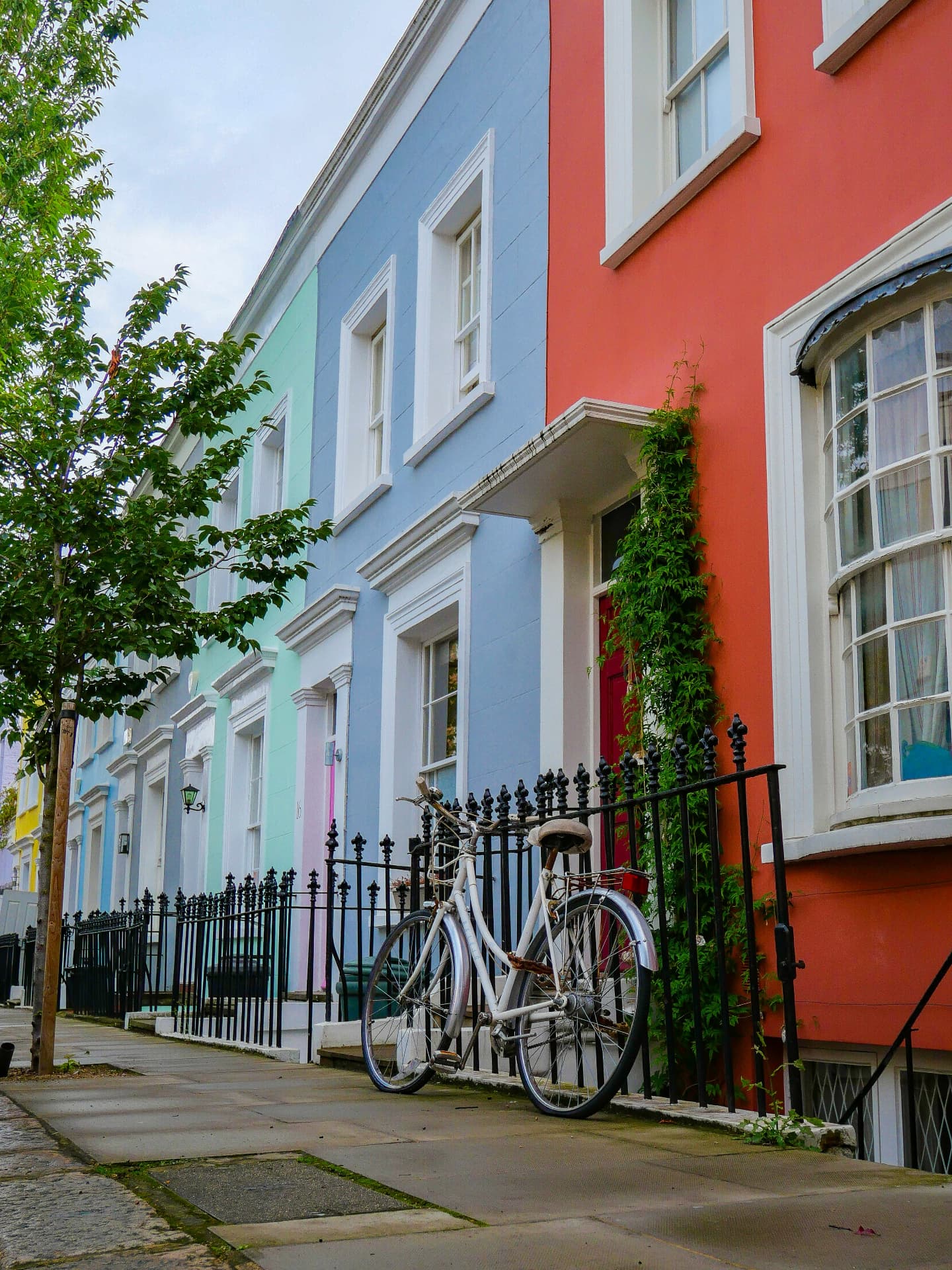
Market Outlook and Buying Considerations
As we progress through 2026, several factors shape the outlook for Ealing property prices and market activity. The full maturity of the Elizabeth line has fundamentally altered the borough's connectivity profile, reducing journey times to Bond Street to just 11 minutes and making Heathrow accessible in 12 minutes. This infrastructure advantage continues to support values, particularly for properties within comfortable walking distance of stations.
The supply-demand dynamics in Ealing remain favourable for price stability. With 1,370 recorded transactions providing our dataset, the market demonstrates healthy liquidity without the oversupply that might depress values. Buyers seeking houses in Ealing face competition from families prioritising schools, outdoor space, and community atmosphere—factors that the borough delivers consistently. The ongoing appeal to international buyers, facilitated by Heathrow proximity and London's global status, adds further demand depth.
Those exploring flats for sale in Ealing should recognise the breadth of options available, from purpose-built blocks offering porter services and lifts to characterful Victorian conversions with high ceilings and period details. The new-build market continues to expand, particularly in regeneration zones around West Ealing and Ealing Broadway, offering modern specifications and Help to Buy availability that appeals to first-time purchasers.
For sellers considering the market, presentation and pricing strategy remain paramount. Properties that are well-maintained, tastefully presented, and realistically priced achieve optimal results. Our estate agents in Ealing employ comprehensive valuation methodologies, considering recent comparable sales, specific property attributes, and current market sentiment to position homes competitively. Whether you're contemplating selling your house or searching for house for sale near me opportunities, understanding these market fundamentals enables more informed, confident decisions in this enduringly popular West London borough.
Talk to Seymont
What's your home worth?
A considered view on price, timing and how to bring your London home to market — a personal reply within 24 hours.
Your property
Step 1 of 2About the author
Amara BennettProperty Market Analyst
Amara spent seven years as a market analyst at Kestrel Lane Research, a small London property consultancy, before joining our editorial desk. She reads sold-price and rental data street by street to explain how individual London postcode districts actually behave, and reviews every price figure we publish. Her focus is separating headline national averages from what a specific address is worth today.
MSc Real Estate Economics · Seven years in property market research
- Valuations
- Local market data
- Sold prices
- Pricing strategy
Frequently asked
- What is the average house price in Ealing in 2026?
- According to HM Land Registry data, the median house price in Ealing is £620,000 based on 1,370 recorded sales. However, prices vary significantly by property type: flats have a median of £450,000, terraced houses £842,500, semi-detached properties £1,150,000, and detached houses £1,787,500. The specific average depends on which type of property you're considering and the particular neighbourhood within Ealing borough.
- Which areas of Ealing offer the best value for money?
- West Ealing typically offers the most accessible entry points into the Ealing property market, with prices generally lower than Ealing Broadway whilst still benefiting from excellent Elizabeth line connectivity. South Ealing also provides competitive pricing compared to premium areas like Ealing Common, whilst maintaining strong transport links via the Piccadilly line and access to quality local schools and amenities. We recommend viewing properties across multiple Ealing neighbourhoods to understand the value proposition each area offers relative to your specific requirements.
- How do Ealing house prices compare to other West London boroughs?
- Ealing house prices generally sit below those in boroughs such as Hammersmith & Fulham, Richmond, and Hounslow's more expensive areas, whilst offering comparable or superior transport links, schools, and green spaces. The median price of £620,000 positions Ealing as offering relatively better value than Inner West London whilst maintaining excellent connectivity. This balance makes Ealing particularly attractive to families seeking more space and buyers priced out of areas closer to central London but unwilling to compromise on transport access or amenities.
- Is Ealing a good area for property investment in 2026?
- Ealing presents a compelling investment case built on several foundations: exceptional transport infrastructure including the Elizabeth line, consistently strong rental demand driven by young professionals and families, and respected schools that support tenant retention. ONS rental data shows healthy yields, particularly for two-bedroom flats which represent the most liquid rental category. The borough's ongoing regeneration, established community infrastructure, and proximity to Heathrow for international connectivity support long-term capital growth potential alongside rental income.
- What are the most expensive streets and areas in Ealing?
- Properties surrounding Ealing Common typically command the highest prices, particularly substantial Victorian and Edwardian houses with direct common views. The Brentham Garden Suburb conservation area, recognised for its architectural and historical significance, also sees premium pricing for its Arts and Crafts properties. North Ealing's most sought-after residential streets near Pitshanger Park attract discerning buyers, whilst select roads in South Ealing close to the common achieve premium values. Detached houses in these prime locations can exceed £4 million, as evidenced by the £4,800,000 maximum detached sale recorded in our HM Land Registry data.