Journal
The Cost of Living in Putney: A Comprehensive Guide
Written by Amara Bennett · Property Market Analyst
Published 8 November 2025 · Updated 21 November 2025 · 5 min read
The short answer
Understanding the cost of living in Putney is essential for anyone considering a move to this sought-after corner of southwest London. Straddling the Thames with its enviable combination of riverside walks, independent boutiques and excellent transport links, Putney has long attracted professionals, families and students alike.
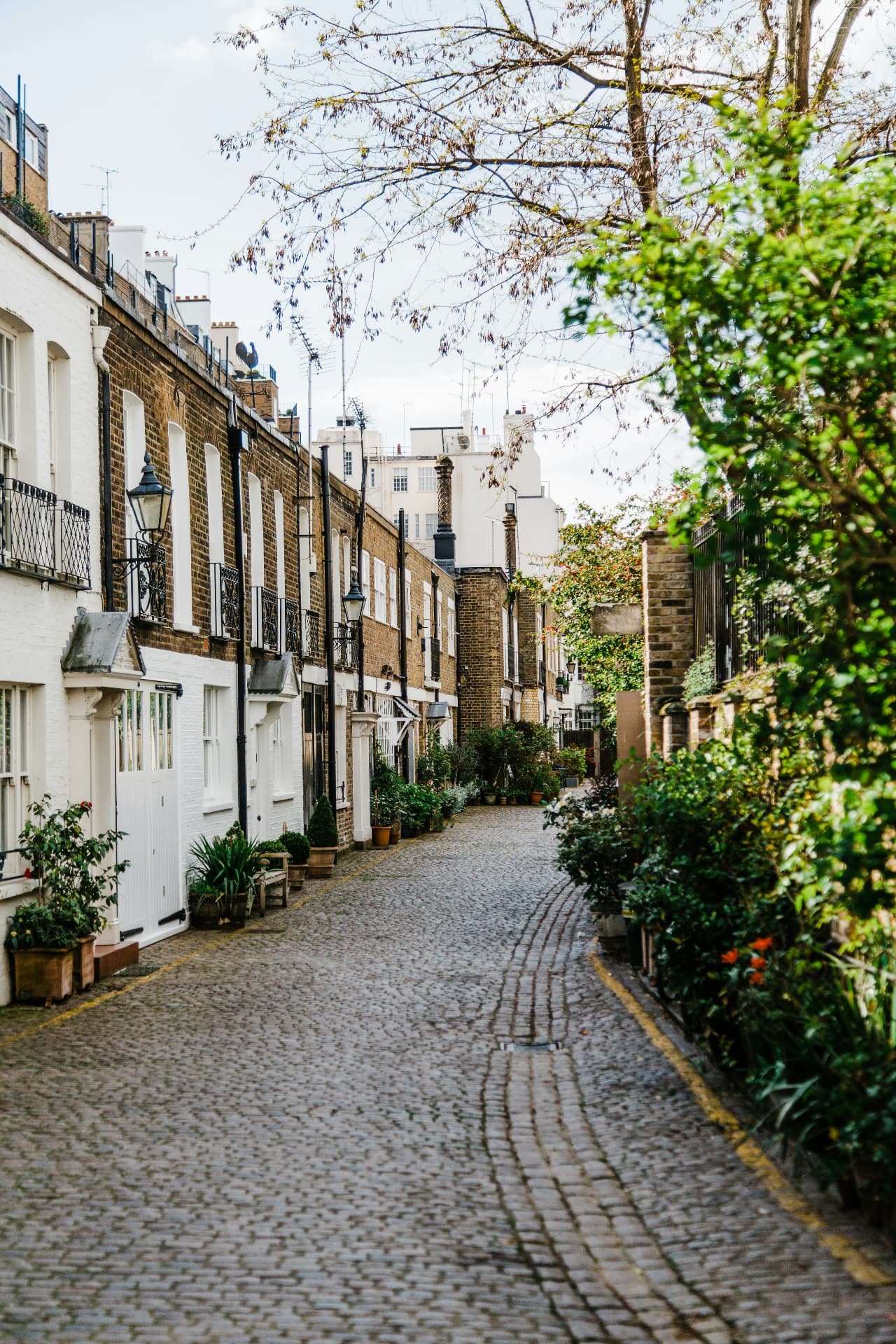
Understanding the cost of living in Putney is essential for anyone considering a move to this sought-after corner of southwest London. Straddling the Thames with its enviable combination of riverside walks, independent boutiques and excellent transport links, Putney has long attracted professionals, families and students alike. Yet life in SW15 comes with a price tag that reflects its popularity and proximity to central London. From property costs and Putney council tax to everyday expenses and service charges, we've analysed the latest data to give you a realistic picture of what it costs to live in this vibrant Thames-side neighbourhood.
Property Costs: Buying and Renting in Putney
According to HM Land Registry Price Paid Data, the median property price in Putney currently stands at £570,000 across 255 recorded sales. This figure masks considerable variation depending on property type: flats, which constitute the majority of transactions at 172 sales, carry a median price of £475,000, making them the most accessible entry point for many buyers looking to establish themselves in the area.
Terraced houses command a median of £921,500, reflecting Putney's stock of attractive Victorian and Edwardian properties, particularly around the streets radiating from Putney Heath and towards East Putney. Semi-detached homes reach £1,450,000, while detached properties top the market at a median of £1,880,000, with premium examples on the most desirable roads fetching up to £4,000,000.
For renters, ONS data reveals monthly costs ranging from £900–£1,400 for a studio, rising to £1,175–£1,850 for a one-bedroom flat. Two-bedroom properties, popular with sharers and young families, typically cost £1,625–£2,525 per month, whilst three-bedroom homes range from £2,150 to £3,350. Larger family homes with four bedrooms command £2,875–£4,475 monthly, and five-bedroom properties can reach £5,875 at the upper end. These figures position Putney firmly in London's premium rental bracket, though many residents feel the riverside location and village atmosphere justify the premium.
Those exploring opportunities in the area can view current availability through our [Putney property listings](/property-for-sale/putney), where we showcase homes across all price points and property types.
Putney Council Tax and Local Authority Charges
Putney falls within the London Borough of Wandsworth, which has historically maintained one of the lowest council tax rates in the capital—a factor that meaningfully reduces the annual cost of living compared to neighbouring boroughs. For the 2024/25 financial year, Wandsworth's Band D charge sits at approximately £891.67, significantly below the London average of around £1,750.
Most flats in Putney fall into Bands C and D, meaning annual council tax of roughly £750–£892, while larger family homes may reach Bands E, F or even G, with charges between £1,090 and £1,485. Even at the higher bands, Wandsworth's rates remain remarkably competitive, effectively putting thousands of pounds back into residents' pockets each year compared to areas such as Kingston or Richmond.
It's worth noting that Putney council tax rates apply the same across the area, whether you're in a modern riverside apartment near Putney Wharf Tower or a Victorian terrace closer to Putney Heath. This consistently low taxation forms part of Putney's appeal and should feature prominently in any cost-of-living calculation for prospective residents.

Service Charges and Leasehold Considerations
When evaluating how expensive is Putney from a homeownership perspective, Putney service charges merit careful attention, particularly for flat buyers. Many of the area's converted Victorian mansions and purpose-built blocks carry annual service charges that can range from £1,500 to over £5,000, depending on the building's age, amenities and management arrangements.
Riverside developments with concierge services, gyms and communal gardens typically sit at the higher end of this spectrum, while smaller converted buildings with minimal shared facilities tend towards the lower range. Ground rent, though often nominal at £50–£250 annually, should also be factored into budgets. We always advise buyers to request at least three years of service charge history and to scrutinise any planned major works that might trigger additional contributions.
Leasehold reforms have brought greater transparency to these costs, but prospective buyers should still budget conservatively. Some modern developments near East Putney station have implemented sinking funds to smooth the impact of future capital expenditure, offering greater financial predictability for leaseholders. Our team at [Seymont's Putney office](/estate-agents/putney) routinely guides buyers through these considerations to ensure there are no unwelcome surprises after completion.
Talk to Seymont
What's your home worth?
A considered view on price, timing and how to bring your London home to market — a personal reply within 24 hours.
Your property
Step 1 of 2Transport, Schooling and Everyday Expenses
Transport costs in Putney benefit from excellent connectivity. Putney Bridge, East Putney and Putney stations serve the District line and National Rail services into Waterloo, placing central London within 20 minutes. An annual Zone 1–3 Travelcard costs £1,748 (or £145.70 monthly), though many residents now favour contactless payment capping. The area's bus network is comprehensive, and cycling infrastructure along the Thames provides a cost-free commuting alternative for the environmentally conscious.
Schooling options span outstanding state primaries and secondaries alongside prestigious independent institutions, though the latter naturally command fees ranging from £15,000 to over £25,000 per annum. The presence of highly regarded state schools near Putney Heath means families aren't forced into the independent sector, offering a meaningful cost saving for those prioritising education.
Day-to-day living expenses reflect Putney's affluent demographic. The high street, wine bars in Putney such as those along Lower Richmond Road, and the weekly farmers' market offer quality but come at a premium compared to outer London. A weekly grocery shop for a family of four typically runs £100–£150, dining out averages £40–£60 per head at mid-range restaurants, and childcare costs mirror inner London rates at £60–£80 per day for nurseries. The Odeon Putney provides entertainment at standard London cinema pricing, whilst Putney Leisure Centre offers affordable gym membership at around £45 monthly.
Weighing Value Against Cost in SW15
So how expensive is Putney when all factors are considered? The answer depends significantly on lifestyle choices and housing tenure. Homeowners benefit disproportionately from Wandsworth's low council tax, effectively subsidising other costs, while renters face some of London's steeper monthly outlays without this offsetting advantage.
Yet many residents argue that Putney delivers exceptional value within the context of southwest London property. The combination of riverside amenities, a genuine community feel, outstanding transport links and lower taxation creates a compelling proposition. Families particularly appreciate the balance between urban convenience and access to green space—Putney Heath, Wimbledon Common and Richmond Park are all within easy reach, offering weekend recreation without the need for costly excursions.
For professionals working in the City or West End, the time saved on commuting and the quality of life delivered by Thames-side living often justify the premium. Those exploring whether Putney aligns with their budget and lifestyle can review current market trends through our [Putney house prices analysis](/house-prices/putney), which provides granular data on price movements and value by street and property type.
Investors and landlords should also note that Putney's rental yields remain healthy by prime London standards, typically ranging from 3.5% to 4.5% gross, supported by consistent demand from the nearby hospitals, businesses and multiple universities. Our [lettings service](/let-your-property/putney) assists landlords in maximising returns while navigating the increasingly complex regulatory landscape.
Talk to Seymont
What's your home worth?
A considered view on price, timing and how to bring your London home to market — a personal reply within 24 hours.
Your property
Step 1 of 2About the author
Amara BennettProperty Market Analyst
Amara spent seven years as a market analyst at Kestrel Lane Research, a small London property consultancy, before joining our editorial desk. She reads sold-price and rental data street by street to explain how individual London postcode districts actually behave, and reviews every price figure we publish. Her focus is separating headline national averages from what a specific address is worth today.
MSc Real Estate Economics · Seven years in property market research
- Valuations
- Local market data
- Sold prices
- Pricing strategy
Frequently asked
- Is Putney more expensive than other areas of southwest London?
- Putney sits in the mid-to-upper tier of southwest London pricing. It's generally more affordable than Barnes, Fulham or Chelsea, but commands a premium over areas such as Tooting or Earlsfield. The key differentiator is Wandsworth's exceptionally low council tax, which can offset higher property prices over time, particularly for owner-occupiers.
- What are typical monthly living costs for a single professional in Putney?
- A single professional renting a one-bedroom flat can expect to spend £1,500–£1,850 on rent, £75–£150 on council tax (Band C/D), £150–£200 on utilities and broadband, £145 on transport (Zone 1–3), and £300–£400 on groceries and incidentals. This totals approximately £2,200–£2,800 monthly before discretionary spending on dining, entertainment and leisure.
- How does Putney council tax compare to neighbouring boroughs?
- Wandsworth, which includes Putney, charges approximately £892 for Band D properties in 2024/25, compared to Richmond upon Thames (£2,018), Kingston (£2,019), and Hammersmith & Fulham (£987). This represents a saving of over £1,100 annually compared to Richmond, making Putney significantly cheaper for homeowners on this metric alone.
- Are service charges in Putney higher than the London average?
- Putney service charges align with inner southwest London norms. Riverside developments and those with extensive amenities can exceed £5,000 annually, while modest conversions may charge £1,500–£2,500. The area's mix of Victorian conversions and modern blocks means charges vary considerably, so buyers should always request detailed service charge histories before committing.
- What makes Putney worth the cost compared to cheaper London areas?
- Residents cite the riverside location, village atmosphere, excellent schools, low council tax, and rapid transport links to central London as key value drivers. Putney Heath and proximity to Wimbledon Common add green space rarely found so close to Zone 2. The combination of urban amenities and suburban tranquillity creates a lifestyle many feel justifies the premium over outer London alternatives.