Journal
Clapham vs Battersea: Where Should You Live?
Written by Julian Reyes · Licensed Real Estate Agent
Published 15 March 2026 · Updated 13 August 2026 · 6 min read
The short answer
The question of Clapham vs Battersea comes up frequently in our conversations with buyers and renters exploring south London. Both postcodes offer enviable village charm, exceptional transport connections and thriving social scenes, yet each possesses a distinct character that appeals to different lifestyles.
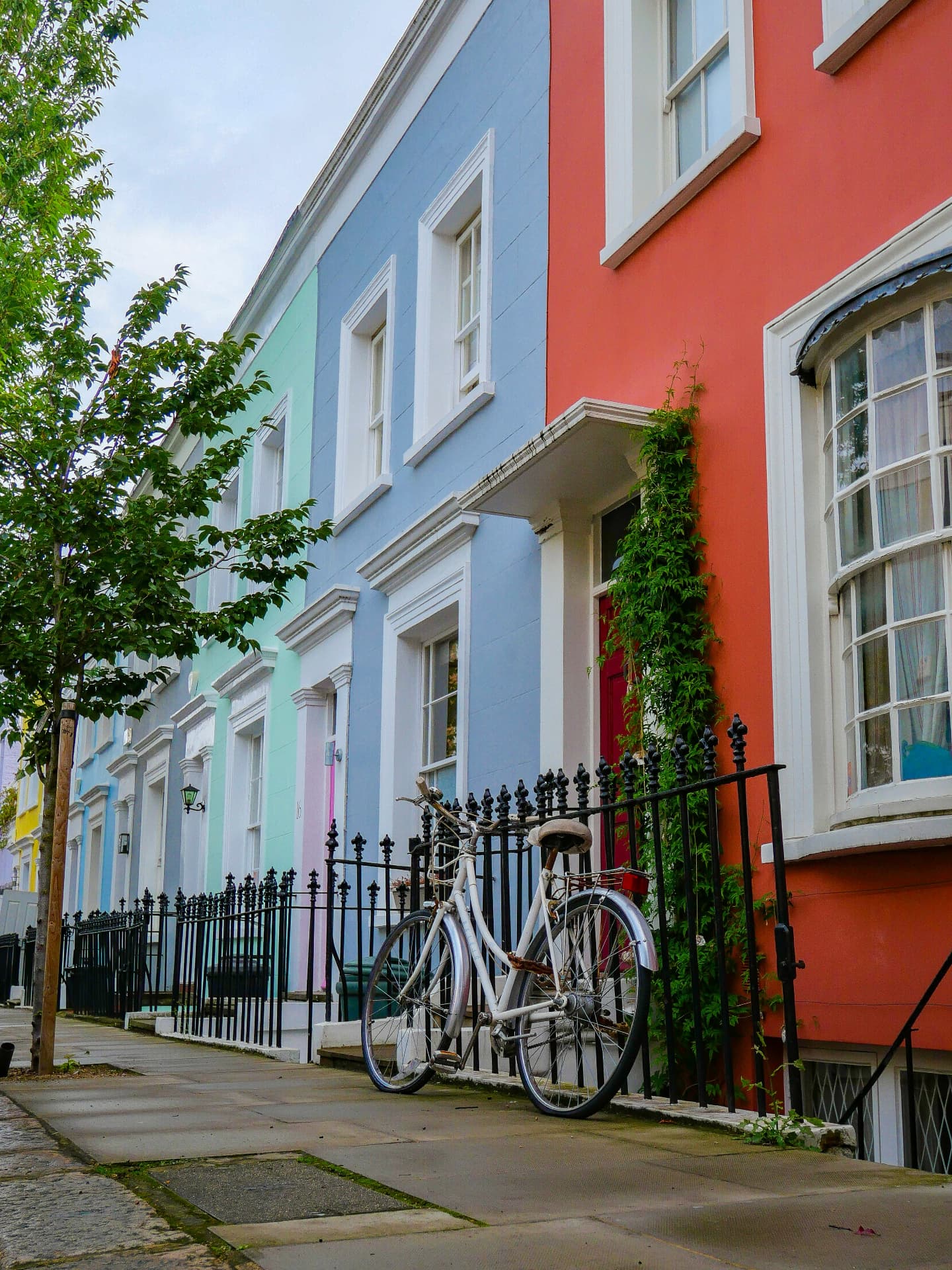
The question of Clapham vs Battersea comes up frequently in our conversations with buyers and renters exploring south London. Both postcodes offer enviable village charm, exceptional transport connections and thriving social scenes, yet each possesses a distinct character that appeals to different lifestyles. At Seymont London, we've guided countless clients through this decision, and we understand that choosing between these neighbouring areas requires a nuanced understanding of what each offers. Whether you're drawn to Clapham's sprawling common and established community or Battersea's riverside evolution, this guide examines the best of Clapham and Battersea to help you make an informed choice.
Understanding Clapham's Character and Community
Clapham has long held its position as one of south London's most desirable addresses, anchored by the 220-acre Clapham Common that serves as the area's verdant heart. The neighbourhood's appeal spans from the elegant Georgian terraces of Clapham Old Town to the vibrant high street atmosphere near Clapham North and the leafy residential streets surrounding Clapham South. This diversity means that within Clapham itself, you'll find distinct micro-communities, each with its own rhythm and demographic.
The area's maturity as a residential destination is evident in its established infrastructure. Clapham High Street offers an abundance of independent shops, gastropubs and restaurants that have built loyal followings over decades. The pub culture in Clapham is particularly noteworthy, with historic establishments and modern craft beer venues coexisting alongside wine bars and cocktail lounges. This creates a social landscape that caters equally to young professionals, growing families and established residents.
What sets Clapham apart is its sense of permanence and community cohesion. The Common acts as a natural gathering space where you'll find weekend runners, families feeding the ducks by the ponds, and summer festivals that draw residents together. This established community feel means excellent local schools, long-standing businesses and neighbourhood networks that give the area a village atmosphere despite its central location. Our team at Seymont London consistently observes that buyers choosing [Clapham](/estate-agents/clapham) are often seeking this balance of urban convenience and community roots.
Property Market: What Your Money Buys in Clapham
According to HM Land Registry Price Paid Data, Clapham recorded 713 property sales with a median price of £600,000, revealing a diverse market that accommodates various budgets and property types. The majority of transactions—525 sales—were flats with a median price of £520,000, ranging from £127,500 to £2.2 million. This dominance of flat sales reflects Clapham's character as a neighbourhood with numerous Victorian and Edwardian conversions alongside purpose-built developments.
For those seeking houses, the market becomes notably more premium. Terraced properties, which form the backbone of Clapham's residential streetscape, achieved a median price of £1.24 million across 135 sales, with values extending up to £3.8 million for the finest examples near the Common or in Clapham Old Town. Semi-detached houses are rarer, with just 32 sales at a median of £2,188,300, whilst detached properties remain exceptionally scarce, commanding prices between £700,000 and £8.05 million.
For renters weighing Clapham or Battersea, ONS data indicates monthly rental ranges from £950–£1,475 for studios, £1,250–£1,950 for one-bedroom properties, and £1,700–£2,650 for two bedrooms. Three-bedroom properties range from £2,275–£3,525, whilst four-bedroom homes command £3,025–£4,700 monthly. Five-bedroom properties start at £3,950 and can exceed £6,175 per month. These figures position Clapham at the premium end of the south London rental market, reflecting the area's desirability and established amenities.
When you compare Clapham Battersea property values, Clapham generally commands a slight premium, particularly for period properties with proximity to the Common. Buyers choosing [property for sale in Clapham](/property-for-sale/clapham) are often investing in an area with proven long-term value retention and an established market that weathered various economic cycles whilst maintaining its appeal.
Transport Connections and Central London Access
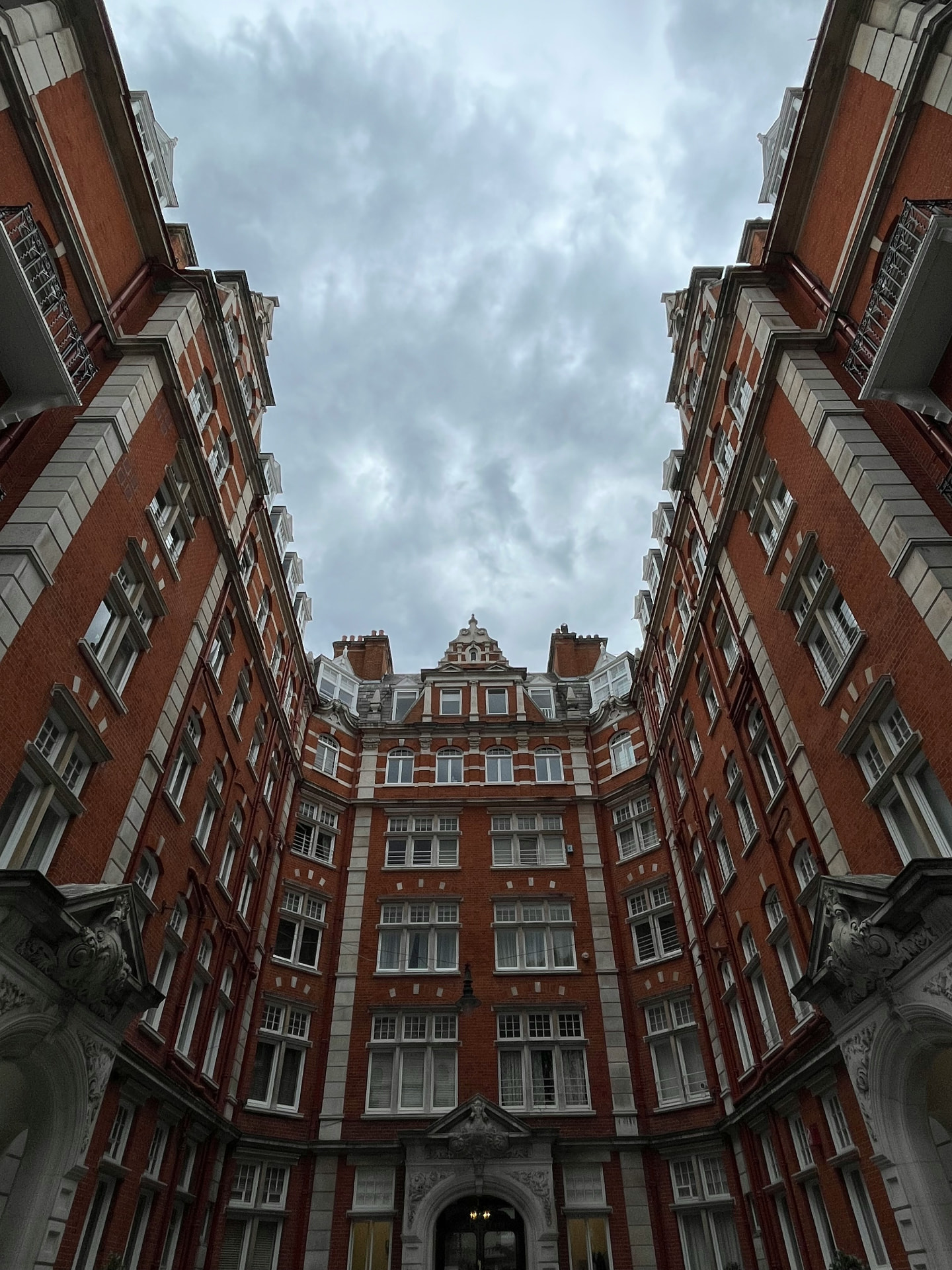
Clapham's transport infrastructure represents one of its strongest practical advantages, with three Underground stations—Clapham North, Clapham Common and Clapham South—all on the Northern line providing direct access to the City, West End and beyond. This trio of stations creates exceptional coverage across the area, meaning most residents enjoy a short walk to frequent tube services. Clapham North delivers particularly swift journeys to central destinations, whilst Clapham South serves as a vital connection point for those working in the financial district.
Clapham High Street and Clapham Junction (technically in Battersea but serving both areas) provide extensive National Rail services, with Clapham Junction famously holding the title of Britain's busiest railway station by train movements. This creates unparalleled connectivity not just into central London terminals like Victoria and Waterloo, but also to Gatwick Airport, Brighton and the south coast. For professionals whose work requires flexible travel across London or regular trips outside the capital, this transport density proves invaluable.
The area also benefits from numerous bus routes traversing Clapham Road, Clapham Park Road and the streets surrounding the Common, creating multiple options for journeys across south London. Cycling infrastructure has improved significantly, with dedicated lanes along key routes and the Common's perimeter offering pleasant cycle paths. For those comparing transport options when deciding between Clapham or Battersea, Clapham's multiple Underground stations give it a distinct advantage for tube-dependent commuters, though both areas share access to the exceptional rail hub at Clapham Junction.
Talk to Seymont
What's your home worth?
A considered view on price, timing and how to bring your London home to market — a personal reply within 24 hours.
Your property
Step 1 of 2Lifestyle, Culture and Daily Living in Clapham
Beyond property and transport, the daily experience of living in Clapham centres around the Common and the diverse commercial offerings that surround it. The green space provides an amenity few London neighbourhoods can match—a genuine common with ponds, sports facilities, playground areas and open grassland that hosts everything from early-morning boot camps to summer music festivals. This outdoor asset fundamentally shapes Clapham's lifestyle appeal, attracting residents who prioritise green space and outdoor recreation.
Clapham's dining and social scene has matured considerably, evolving from its reputation as a party destination for young professionals into a more sophisticated offering. The area around Clapham Old Town features independent restaurants, artisan bakeries and speciality food shops that reflect an affluent, discerning residential base. Meanwhile, the stretch along Clapham High Street and around the Common maintains a vibrant evening economy with everything from traditional pubs to contemporary dining concepts. This dual character—refined yet lively—appeals to residents across life stages.
Family amenities deserve particular mention when considering the best of Clapham and Battersea. Clapham offers numerous well-regarded state primaries and several independent schools within easy reach, alongside children's activities, nurseries and family-friendly cafés that indicate an established population of parents. The Common itself becomes a natural extension of family life, with its playgrounds, paddling pool and safe cycling paths. Weekend mornings around Clapham reveal a distinctly family-oriented community, quite different from the neighbourhood's Friday evening persona.
Cultural offerings extend beyond dining and drinking to include independent cinemas, the Omnibus Theatre on Clapham Common North Side, regular farmers' markets and community events that give Clapham a cultural identity beyond its property values. Our experience helping clients find homes through our [Clapham estate agency](/estate-agents/clapham) reveals that many are drawn specifically to this layered lifestyle offering—the ability to enjoy village shops and community events whilst maintaining proximity to central London's broader cultural landscape.
Making the Choice: Is Clapham Right for You?
When clients ask us to compare Clapham Battersea, we emphasise that the decision ultimately rests on personal priorities and lifestyle preferences. Clapham suits those who value established community, proven residential infrastructure and the irreplaceable asset of the Common. It appeals particularly to buyers and renters who appreciate neighbourhood maturity—the sense that Clapham has already evolved into its role as a residential destination rather than still finding its identity.
The area rewards those willing to pay a premium for reliability and proven appeal. [House prices in Clapham](/house-prices/clapham) reflect decades of sustained demand, and whilst this means entry costs are high, it also indicates a market with strong fundamentals and broad appeal across demographics. For families, the combination of schools, green space and family infrastructure makes Clapham particularly compelling. For young professionals, the social scene and transport links provide urban convenience with village character.
Battersea, by contrast, offers a different proposition—riverside regeneration, newer developments and an evolving identity shaped by recent transformation. Those comparing the two areas should visit both extensively, experiencing them at different times and days to understand their distinct rhythms. Walk the residential streets, visit the cafés, observe the parks and imagine your daily routine in each location.
Ultimately, Clapham represents a known quantity—a neighbourhood that has maintained its appeal across generations and economic cycles. For those prioritising the Common's green space, established amenities and proven residential credentials over newer developments and riverside positions, Clapham offers compelling advantages. We encourage prospective residents to explore both areas thoroughly, and our team remains available to provide insight into current [property opportunities in Clapham](/property-for-sale/clapham) and guidance tailored to your specific requirements.
Talk to Seymont
What's your home worth?
A considered view on price, timing and how to bring your London home to market — a personal reply within 24 hours.
Your property
Step 1 of 2About the author
Julian ReyesLicensed Real Estate Agent
Julian has spent eleven years handling residential sales across west and central London, previously with the independent agencies Harlowe & Vance and Marchmont Row. He runs listings end to end, from pricing and presentation through to negotiating offers and holding chains together to completion. His writing focuses on the practical mechanics of buying and selling a home in a market where timing and preparation decide the outcome.
Licensed estate agent · 11 years in London residential sales
- Residential sales
- First-time buyers
- Offer negotiation
- Chain management
Frequently asked
- What is the average property price in Clapham?
- According to HM Land Registry Price Paid Data, Clapham's median property price stands at £600,000. However, this varies significantly by property type: flats have a median of £520,000, terraced houses £1.24 million, and semi-detached properties £2,188,300. The market accommodates buyers across a wide spectrum, with flat prices ranging from £127,500 to £2.2 million.
- Is Clapham Common worth the premium over other south London areas?
- Clapham Common's 220 acres of green space represent an irreplaceable amenity that fundamentally shapes daily life in the area. The Common provides recreational space, enhances property outlook and value, hosts community events, and creates a village atmosphere rare in central London. For residents who prioritise outdoor space and community amenities, the premium often proves justified through enhanced quality of life and strong property value retention.
- Which part of Clapham offers the best value for first-time buyers?
- Areas around Clapham North and parts of Clapham Park tend to offer more accessible entry points whilst maintaining excellent transport links. Purpose-built flats and conversions further from the Common typically come at lower price points than period properties in Clapham Old Town or immediately adjacent to Clapham Common station, whilst still providing access to the area's amenities and transport infrastructure.
- How do Clapham's schools compare with Battersea?
- Both areas offer strong state and independent school options, though Clapham benefits from a more established educational infrastructure reflecting its longer history as a family neighbourhood. Several well-regarded primaries serve the Clapham area, and the mature residential community means established networks of families and children's activities. Parents should research specific catchment areas and visit schools directly, as quality and availability vary by precise location.
- What rental yields can landlords expect in Clapham?
- Clapham attracts consistent rental demand from young professionals, families and sharers, ensuring strong occupancy rates. ONS data indicates rental ranges from £1,250–£1,950 for one-bedroom properties to £2,275–£3,525 for three-bedroom homes. Yield depends heavily on purchase price and property type, but Clapham's established appeal and transport links support sustained rental demand. Landlords should consult our [letting service](/let-your-property/clapham) for current market conditions and yield expectations specific to individual properties.