Journal
Clapham Property Market Report: Analysis & Insights
Written by Thomas Lindqvist · Mortgage & Financing Specialist
Published 16 January 2026 · Updated 2 February 2026 · 7 min read
The short answer
The Clapham property market remains one of South London's most dynamic and sought-after residential landscapes, combining Victorian charm with modern urban living. Our team has analysed the latest data from HM Land Registry to provide a comprehensive overview of current market conditions across this vibrant area.
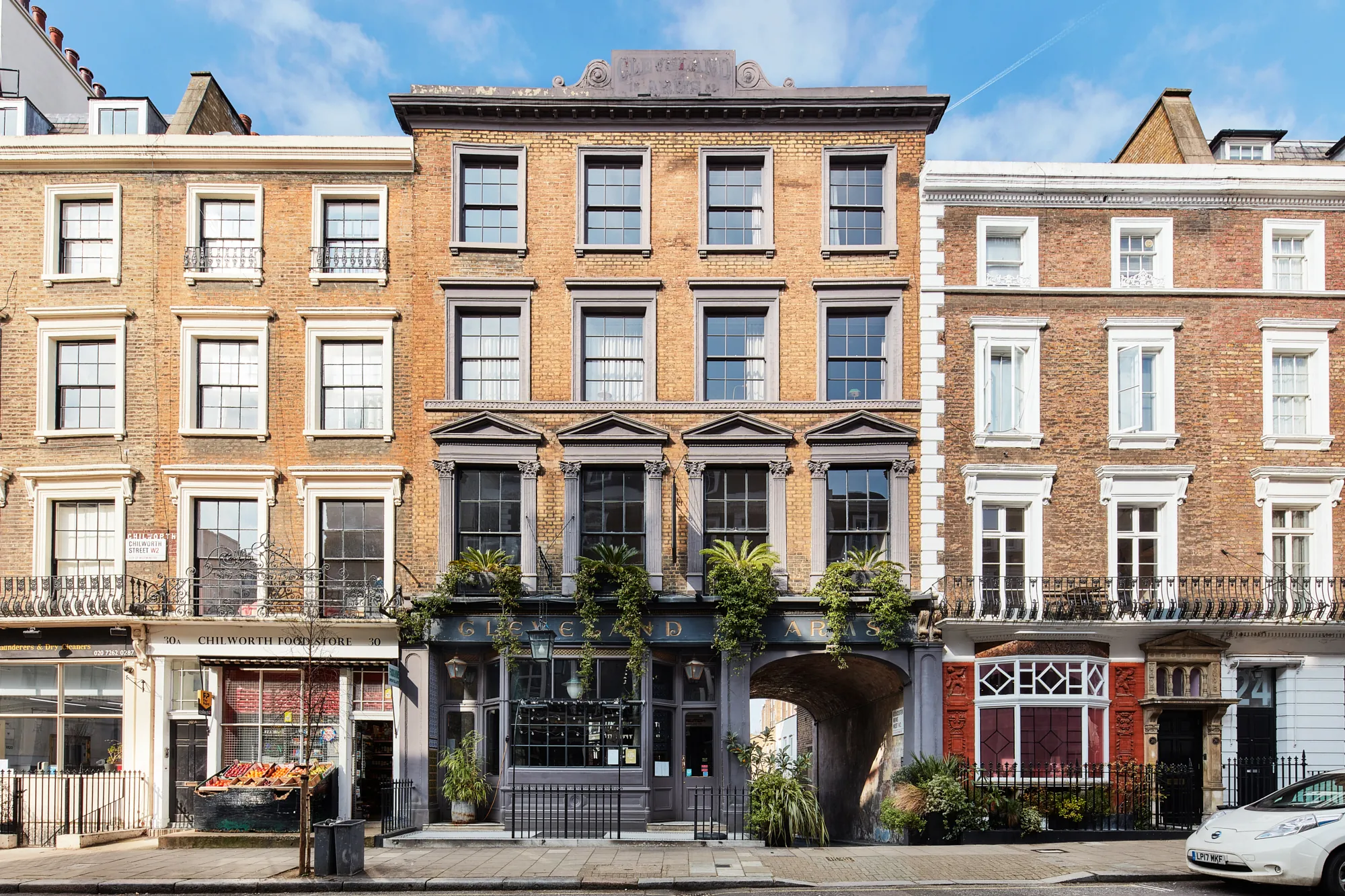
The Clapham property market remains one of South London's most dynamic and sought-after residential landscapes, combining Victorian charm with modern urban living. Our team has analysed the latest data from HM Land Registry to provide a comprehensive overview of current market conditions across this vibrant area. With a median sale price of £540,000 recorded across 166 transactions in the recent reporting period, Clapham continues to attract a diverse range of buyers—from first-time purchasers seeking flats near Clapham Common to families investing in substantial terraced homes. Understanding the nuances of this market is essential whether you're considering purchasing, selling, or letting property in SW4 and SW11.
Current Clapham Housing Market Performance
The Clapham housing market demonstrates clear segmentation across property types, reflecting the area's architectural diversity and varied buyer profiles. Flats dominate transaction volumes, accounting for 127 of the 166 recorded sales, with a median price of £490,000 according to HM Land Registry data. This segment serves the substantial demand from young professionals and couples drawn to Clapham's excellent transport links and vibrant social scene around Clapham High Street and Clapham Old Town.
Terraced properties command a significant premium, with a median price of £1,075,000 across 26 transactions. These characterful homes—many dating from the Victorian and Edwardian eras—line the tree-lined streets between Clapham North, Clapham Common and Clapham South stations. The appeal lies in their period features, generous proportions and proximity to the expansive green spaces that define residential life in the area.
Semi-detached houses represent the premium tier of the market, with a median price of £1,510,558 based on 10 sales. These substantial family homes, particularly those near Clapham Park and the quieter roads surrounding the common, attract established families seeking space and exclusivity whilst maintaining easy access to central London. The maximum recorded sale of £3,100,000 for a semi-detached property underscores the ceiling for exceptional homes in prime locations.
Our analysis of the [Clapham property market](/property-for-sale/clapham) reveals that location within the area significantly influences values, with properties overlooking or within walking distance of Clapham Common commanding notable premiums over those further east towards Clapham Road or the borders with Stockwell.
Clapham Price Trends Across Different Sectors
Price stratification across Clapham reflects not only property type but also micro-location and specific catchment areas. The flat market shows considerable range, with transactions spanning from £160,000 to £1,460,000—the lower end typically representing ex-local authority apartments or studio conversions, whilst the upper reaches encompass luxury penthouses and newly developed riverside apartments.
The terraced sector, which forms the architectural backbone of neighbourhoods around Clapham North and the streets radiating from Clapham Common Northside, demonstrates price points from £370,000 to £2,370,000. This remarkable spread illustrates how factors such as square footage, period authenticity, garden size and proximity to the Northern Line stations dramatically impact valuations. Our team observes that well-presented Victorian terraces within the catchment area of outstanding primary schools consistently achieve prices at the higher end of this spectrum.
Rental values, based on ONS data, provide important context for investors evaluating yield potential. Studios range from £850 to £1,325 per calendar month, whilst one-bedroom flats command £1,125 to £1,750. Two-bedroom properties—the most liquid rental segment—achieve £1,525 to £2,375 monthly, reflecting strong demand from professional sharers and young families. Larger homes show proportionate increases, with three-bedroom properties at £2,025 to £3,175, four-bedroom homes at £2,725 to £4,250, and five-bedroom houses reaching £3,575 to £5,575.
These rental figures translate to gross yields typically ranging from 3.5% to 4.5% depending on purchase price and property condition, positioning Clapham as a moderate-yield but strong capital appreciation play within the broader London market. For detailed valuation assistance, explore our [house prices analysis](/house-prices/clapham) specific to your target street or postcode.
Is Clapham a Good Investment? Market Fundamentals
Evaluating whether Clapham represents a sound property investment requires examining both quantitative metrics and qualitative factors that drive long-term demand. The area benefits from exceptional transport connectivity, with Clapham North, Clapham Common and Clapham South stations on the Northern Line providing 15-20 minute journeys to the City and West End. Clapham High Street on the Overground and nearby Wandsworth Road station further enhance accessibility, a critical driver of sustained property values.
The demographic profile supports resilient demand across market cycles. Clapham has evolved from its 1990s reputation as a purely young professional enclave into a more balanced community encompassing families, established professionals and a growing cohort of remote workers valuing the area's lifestyle amenities. The 220-acre Clapham Common itself represents an irreplaceable asset—green space of this scale within Zone 2 commands enduring premiums and insulates surrounding property from volatility.
From an investment perspective, the supply constraints inherent to established Victorian and Edwardian housing stock provide structural support for values. Unlike areas with extensive development pipelines that may face oversupply pressure, Clapham's largely built-out character limits new inventory. Conservation areas protecting the architectural character around Clapham Old Town and certain streets near the common further restrict supply expansion.
The commercial vitality of the area—evidenced by the consistently high search volumes for terms like 'pub Clapham' and the thriving independent retail scene—indicates a robust local economy that underpins residential demand. We advise investors to focus on well-connected locations within 10-15 minutes' walk of Northern Line stations, where liquidity remains strongest across market conditions. Our [estate agents](/estate-agents/clapham) can provide granular guidance on micro-locations offering optimal risk-adjusted returns.
Talk to Seymont
What's your home worth?
A considered view on price, timing and how to bring your London home to market — a personal reply within 24 hours.
Your property
Step 1 of 2Neighbourhood Character Across Clapham's Sub-Areas
Understanding Clapham requires recognising its distinct sub-neighbourhoods, each offering different lifestyle propositions and corresponding property profiles. The streets around Clapham Common Northside and the areas immediately adjacent to Clapham North station feature the highest concentration of bars, restaurants and weekend social activity. This vibrancy attracts younger buyers and renters who prioritise entertainment options and accept somewhat higher ambient noise levels.
Clapham Old Town, centred on the historic area near the Polygon and Clapham Common Westside, offers a more village-like atmosphere with independent shops, artisan bakeries and a slower pace. Period properties here, often set along quieter residential streets, appeal to families and established professionals seeking character homes with better noise insulation from the main social hubs. The proximity to outstanding state primary schools makes this micro-market particularly competitive during admission application periods.
Clapham South and the areas extending towards Balham present a slightly more residential character with typically marginally lower price points than equivalent properties north of the common. However, the Southern Line station provides identical transport times to central London, making this sector attractive for value-conscious buyers willing to sacrifice some immediate amenity density.
The eastern sections around Clapham High Street station and towards Stockwell have historically represented more affordable entry points into the Clapham postcode, though ongoing regeneration and the Overground connectivity have narrowed this discount. Our research indicates these areas warrant attention from investors with medium-term horizons, as infrastructure improvements and demographic shifts continue to enhance desirability.
Rental Market Dynamics and Tenant Demand
The Clapham rental market exhibits strong fundamentals driven by diverse tenant demand across property sizes. Our experience managing lettings in the area reveals that one and two-bedroom flats achieve the shortest void periods, typically letting within two to three weeks when priced competitively. Professional sharers aged 25-35 dominate this segment, attracted by the combination of transport links, social infrastructure and relative affordability compared to Prime Central London.
Family rentals—three bedrooms and above—show more seasonal variation, with peak demand from May through August as families coordinate moves around school terms. Rental values at the higher end, particularly for houses with gardens near Clapham Common, have proven resilient as corporate relocations and families in temporary accommodation pending purchases sustain demand. The ONS data showing three-bedroom properties achieving up to £3,175 monthly reflects this premium tier where presentation, outdoor space and school proximity command significant rent premiums.
Studio apartments, whilst representing the most affordable entry point for tenants, require careful investor consideration. The tighter yield margins and higher tenant turnover mean that location becomes even more critical—studios within five minutes of stations maintain better occupancy than those requiring longer walks. Our [letting service](/let-your-property/clapham) focuses on optimising presentation and pricing strategy to minimise void periods across all property types.
Landlord considerations in Clapham increasingly centre on energy efficiency and property condition, as professional tenants demonstrate growing selectivity. Well-maintained conversions with modern kitchens and bathrooms, strong EPC ratings and reliable heating systems command premiums and attract longer tenancies, reducing the total cost of ownership for investors.
Future Outlook for Clapham Property Values
Projecting the Clapham property market trajectory requires balancing macro-economic factors affecting all London property with location-specific drivers. The area's established character, infrastructure maturity and constrained housing supply provide defensive characteristics during market downturns whilst allowing participation in upswings. Unlike emerging areas dependent on speculative regeneration, Clapham's value proposition rests on proven amenities and decades of consistent demand.
Transport connectivity—already excellent—faces limited scope for transformative improvement, meaning future value growth will likely track broader South London trends rather than benefit from step-change infrastructure gains. However, this stability proves attractive for risk-averse investors and owner-occupiers prioritising predictability over explosive growth potential.
Demographic trends support continued demand. The work-from-home flexibility embedded post-pandemic has increased the value placed on local amenities, green space and home office potential—all areas where Clapham scores highly. The common itself has appreciated in value as a lifestyle asset, with properties offering views or immediate access commanding premiums that have widened rather than contracted in recent years.
Our team anticipates that Clapham will continue attracting buyers prioritising quality of life, community infrastructure and proven liquidity. The area's established reputation provides downside protection, whilst ongoing enhancement of retail and hospitality offerings sustains its competitive position within the South London hierarchy. For tailored advice on timing market entry or exit strategies, our local expertise covers transaction patterns across all Clapham postcodes and property segments.
Talk to Seymont
What's your home worth?
A considered view on price, timing and how to bring your London home to market — a personal reply within 24 hours.
Your property
Step 1 of 2About the author
Thomas LindqvistMortgage & Financing Specialist
Thomas advised buyers for a decade at Ashgrove Financial, an independent brokerage, on borrowing capacity, product selection and the full cost of a purchase, including stamp duty, legal fees and lender charges. He follows rate decisions and lender criteria changes and translates them into what a household can realistically afford. His guides cover affordability, remortgaging and the closing costs that buyers routinely underestimate.
CeMAP qualified · Whole-of-market mortgage advice background
- Mortgages
- Affordability
- Closing costs
- Remortgaging
Frequently asked
- What is the average property price in Clapham?
- According to HM Land Registry data, the median property price in Clapham is £540,000 across all property types. However, this varies significantly by type: flats have a median of £490,000, terraced houses £1,075,000, and semi-detached properties £1,510,558. Location within Clapham also substantially affects pricing, with properties near Clapham Common typically commanding premiums over those further from the green space and Northern Line stations.
- Is Clapham Common or Clapham North better for property investment?
- Both locations offer strong investment potential but suit different strategies. Clapham Common benefits from proximity to the expansive green space, attracting families and professionals willing to pay premiums for quality of life. Clapham North typically offers marginally lower entry prices whilst maintaining excellent transport links and immediate access to the area's vibrant hospitality scene. Rental yields tend to be marginally higher around Clapham North due to lower purchase prices, whilst Clapham Common properties may offer stronger capital appreciation potential.
- What rental income can I expect from a Clapham property?
- Rental income varies by property size and condition. Based on ONS data, studios achieve £850-£1,325 per calendar month, one-bedroom flats £1,125-£1,750, two-bedroom properties £1,525-£2,375, three-bedroom homes £2,025-£3,175, and larger family houses £2,725-£5,575 depending on bedrooms and specification. Well-presented properties close to Clapham Common, Clapham North or Clapham South stations typically achieve the upper end of these ranges with shorter void periods.
- How does Clapham compare to neighbouring areas like Balham or Brixton?
- Clapham generally commands a premium over Balham and Brixton for comparable properties, reflecting its established reputation, the substantial green space of Clapham Common, and perceived social cachet. However, Balham offers similar transport connectivity at marginally lower price points, whilst Brixton provides greater diversity and cultural vibrancy with more affordable entry prices. For buyers prioritising classic period properties and traditional village atmosphere, Clapham and particularly Clapham Old Town typically edge ahead, whilst those seeking value or edgier cultural offerings may prefer the neighbouring areas.
- What are the best streets to buy property in Clapham?
- The most sought-after streets typically surround Clapham Common—particularly roads on the Northside and Westside offering common views or immediate access. Streets within Clapham Old Town are prized for their village atmosphere and period character. Roads within a 5-10 minute walk of Clapham North, Clapham Common or Clapham South stations combining period features with transport convenience consistently perform well. Specific street recommendations depend on individual priorities regarding schools, amenities, property type and budget, which our local estate agents can advise on based on current market conditions.