Journal
Clapham Area Guide
Written by Amara Bennett · Property Market Analyst
Published 13 April 2026 · Updated 22 May 2026 · 7 min read
The short answer
Few areas embody the vibrancy of southwest London quite like Clapham. This sprawling neighbourhood has evolved from a Georgian retreat into one of the capital's most sought-after residential destinations, attracting young professionals, growing families and established Londoners alike.
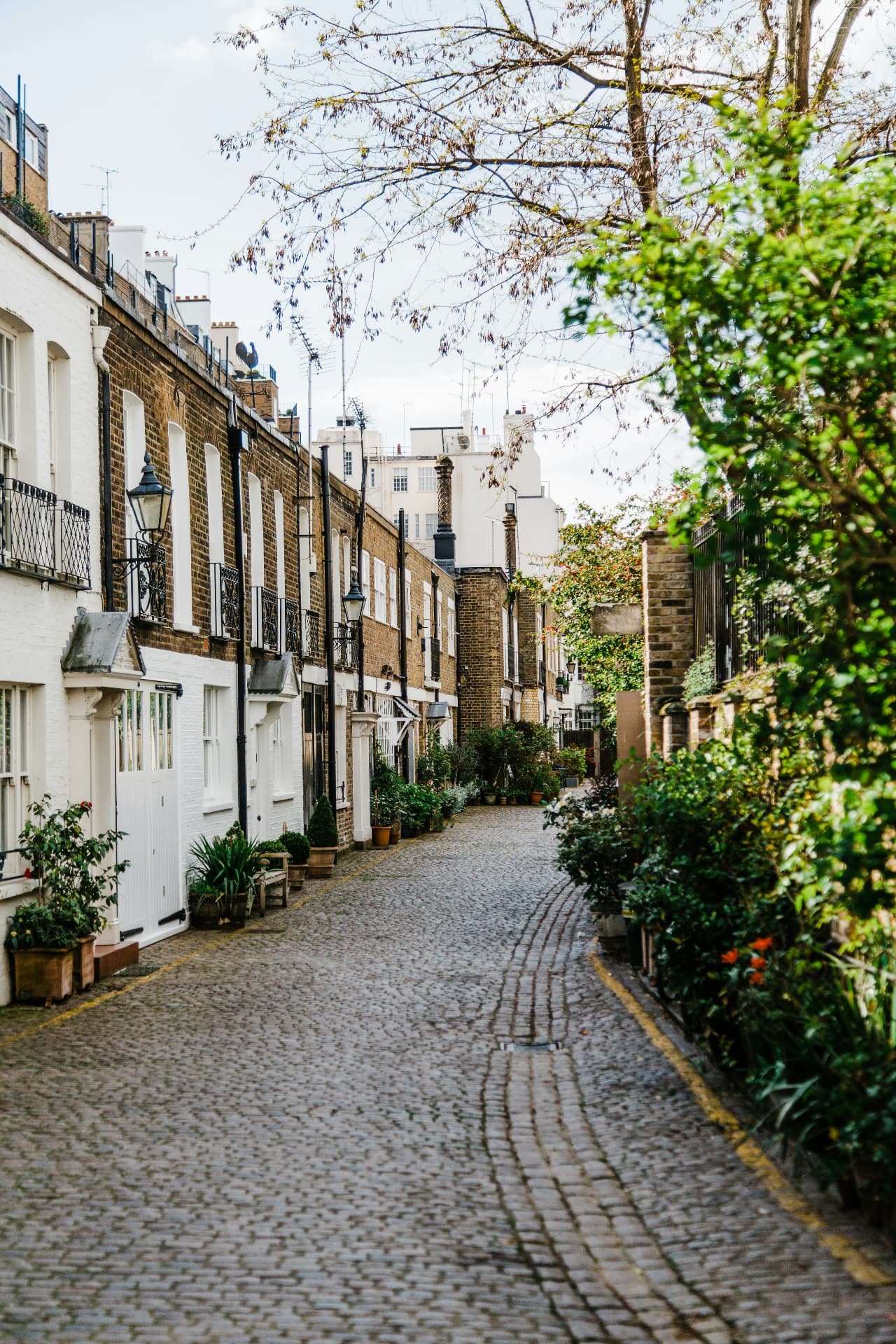
Few areas embody the vibrancy of southwest London quite like Clapham. This sprawling neighbourhood has evolved from a Georgian retreat into one of the capital's most sought-after residential destinations, attracting young professionals, growing families and established Londoners alike. Our Clapham area guide explores what makes this diverse corner of Wandsworth and Lambeth boroughs so appealing, from the vast expanse of Clapham Common to the thriving high street and the characterful residential streets that radiate outwards. Whether you're considering a move to the area or simply want to understand what draws so many to this part of London, we've gathered the local insights that matter.
Living in Clapham: Neighbourhood Character
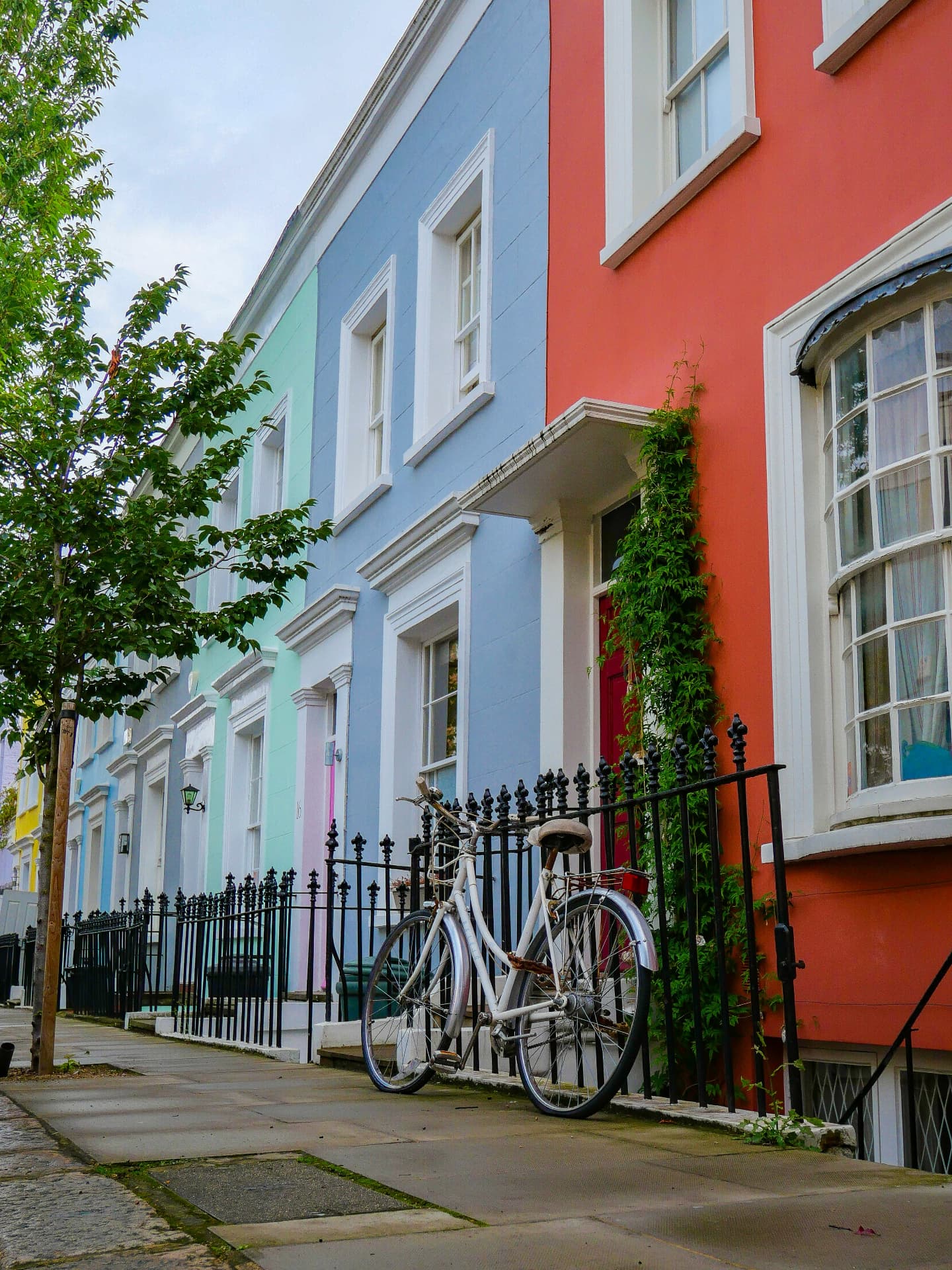
Clapham's identity is shaped by distinct pockets, each with its own personality. Clapham Old Town retains a village-like charm with independent shops, gastropubs and the historic Holy Trinity Church forming the focal point of what was once a separate settlement. The streets surrounding the Old Town—particularly those between the Common and Clapham High Street—showcase beautiful Georgian and Victorian terraces that have housed notable residents throughout history.
Clapham North offers a grittier, more urban edge with excellent transport links and a growing selection of restaurants and bars along Clapham Road. The area has seen considerable regeneration in recent years, with former industrial spaces transformed into contemporary developments. Meanwhile, Clapham South presents a quieter, more residential character, with tree-lined avenues and proximity to green spaces making it particularly popular with families.
Clapham Park, extending towards Balham, tends to be more affordable whilst still offering access to the area's amenities. The common thread throughout is the gravitational pull of Clapham Common itself—the 220-acre green lung that defines leisure time for residents across all corners of the neighbourhood. From morning runs to weekend picnics, evening football matches to summer festivals, the Common remains the social heart of the area.
What sets Clapham apart in our experience is its ability to cater to different life stages. The same person might rent a flat share in their twenties near Clapham North, upgrade to a one-bedroom conversion in Old Town, then eventually settle into a family terraced house near Clapham South—all without leaving the broader area.
Clapham Property Market Insights
The Clapham property market reflects the area's enduring popularity. According to HM Land Registry data, the median sale price stands at £540,000 across 166 recorded transactions in the most recent period. This headline figure masks considerable variation by property type: flats—which dominate the market with 127 sales—achieve a median of £490,000, whilst terraced houses command £1,075,000 and semi-detached properties reach £1,510,558.
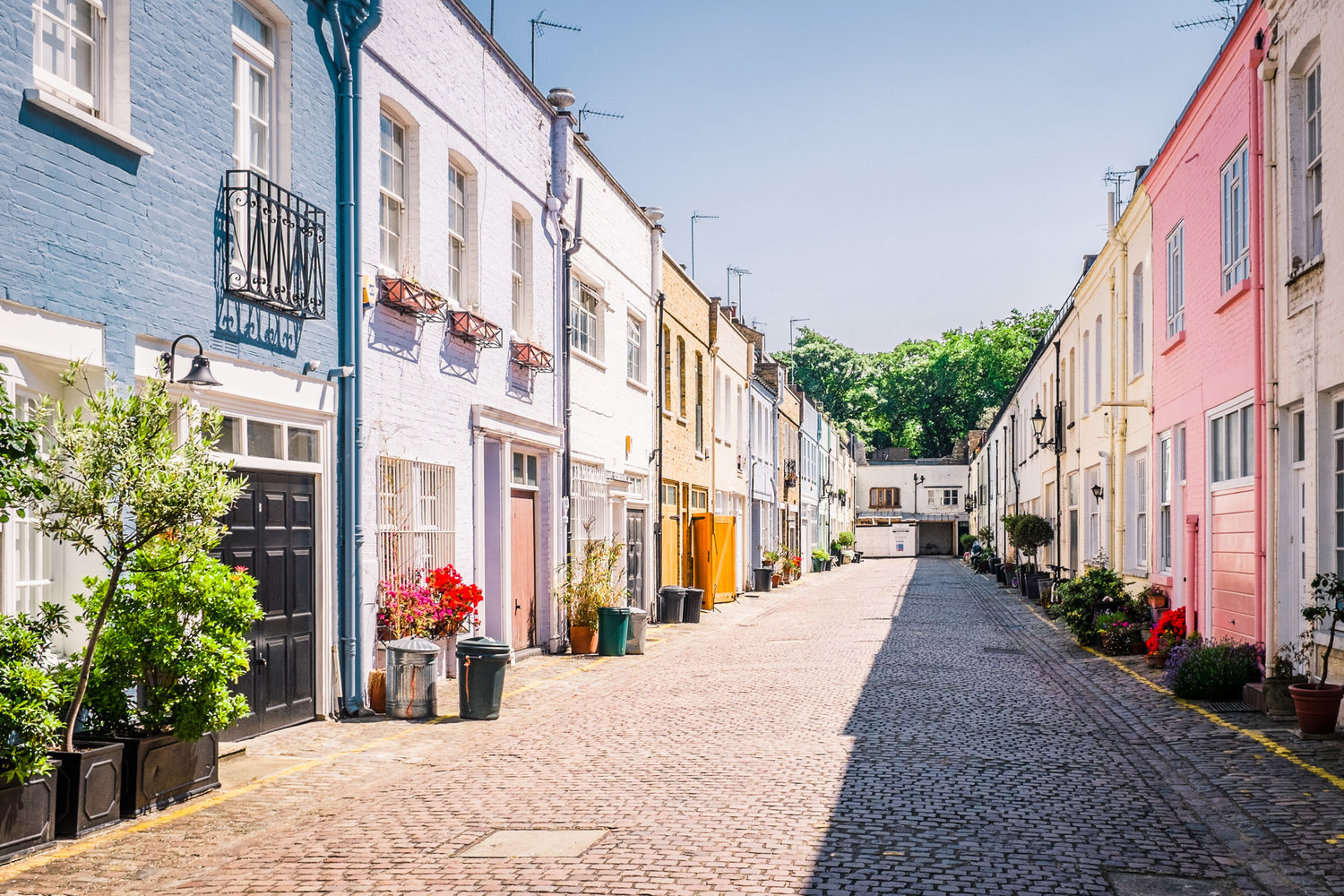
For those exploring [Clapham property](/property-for-sale/clapham), the market offers remarkable diversity. Purpose-built mansion blocks from the Edwardian era sit alongside Victorian conversions, modern developments and the occasional mews house. The higher-value transactions typically involve family homes on the sought-after residential streets between the Common and Abbeville Village, where period features, generous gardens and proximity to outstanding schools drive premium prices.
The rental market is equally robust, reflecting Clapham's status as a perennial favourite among relocating professionals. ONS data indicates studio apartments range from £850 to £1,325 per calendar month, whilst one-bedroom properties command £1,125 to £1,750. Two-bedroom flats—the most common rental configuration—typically fall between £1,525 and £2,375, with three-bedroom properties ranging from £2,025 to £3,175. Larger family homes of four bedrooms reach £2,725 to £4,250, whilst five-bedroom properties can exceed £5,575 monthly.
Those considering [letting your property](/let-your-property/clapham) benefit from strong tenant demand year-round, though the market can be competitive. Properties within walking distance of the Underground stations or overlooking the Common typically achieve the strongest rental returns. The area's reputation for excellent schools and transport links ensures a steady pipeline of prospective tenants, from young professionals to families on corporate relocations.
Transport and Connectivity
Clapham's transport infrastructure represents one of its strongest assets, with multiple Underground and Overground stations providing exceptional connectivity across London. Clapham Common station (Northern line) offers direct services to the City via Bank and the West End via Charing Cross, with journey times to central London typically under 20 minutes. Clapham North, also on the Northern line, sits just one stop closer to the centre.
Clapham South provides another Northern line option, whilst Clapham High Street station serves the Overground network with connections to Canada Water, Shoreditch and beyond. This multiplicity of stations means most residents live within a 10-minute walk of rail services—a significant advantage when comparing the area to other southwest London neighbourhoods.
Bus routes are equally comprehensive, with services along Clapham Road, Clapham High Street and the Common's perimeter providing links to Brixton, Battersea, Chelsea, Westminster and beyond. Night buses ensure 24-hour connectivity for those working irregular hours or enjoying London's evening economy.
For motorists, the South Circular forms the area's southern boundary, providing road access across south London, whilst the A3 and A24 offer routes out of the capital. That said, many Clapham residents opt to forego car ownership entirely, given the strength of public transport and the growing prevalence of car clubs and cycling infrastructure.
Talk to Seymont
What's your home worth?
A considered view on price, timing and how to bring your London home to market — a personal reply within 24 hours.
Your property
Step 1 of 2Lifestyle, Dining and Entertainment
Clapham's social scene has matured considerably over recent decades. Whilst the area maintains a lively nightlife—particularly around Clapham High Street and in the various establishments facing the Common—the proliferation of independent restaurants, artisan coffee shops and neighbourhood wine bars reflects an evolving demographic.
The culinary offering spans everything from established chains to genuine independents. Abbeville Road, which technically falls within the broader Clapham catchment, has developed into a particularly appealing dining and shopping destination with delis, bakeries and bistros serving the surrounding residential streets. Those seeking a traditional pub in Clapham are spoilt for choice, with historic establishments like The Windmill on the Common offering Sunday roasts, whilst venues like The Manor Arms and The Abbeville provide more contemporary interpretations.
Clapham High Street itself combines practical retail—supermarkets, pharmacies, banks—with leisure options including a Picturehouse cinema, fitness studios and a growing selection of evening venues. Northcote Road market, a short distance away in Battersea, supplements local shopping with weekend farmers' markets and specialist food retailers.
The Common dominates leisure time for many residents. Beyond the obvious appeal for walking, running and cycling, the green space hosts regular events including festivals, funfairs and open-air cinema screenings during summer months. Three ponds, tennis courts, a bowling green, a bandstand and a skatepark ensure there's infrastructure for varied recreational pursuits. For families, multiple playgrounds and the nearby Rookery gardens in Streatham provide additional outdoor options.
Schools and Family Considerations
Educational provision plays a significant role in Clapham's appeal to families, with several highly-regarded primary and secondary schools within the area and surrounding neighbourhoods. Belleville Primary School, Macaulay Church of England Primary and Clapham Manor Primary School consistently achieve strong Ofsted ratings, whilst proximity to outstanding secondaries including Graveney School influences many families' decisions when exploring [house prices in Clapham](/house-prices/clapham).
The independent sector is also well-represented, with Thomas's Clapham, Oakfield Preparatory School and slightly further afield, Broomwood Hall and Honeywell Schools attracting families seeking private education. Nurseries and pre-schools are abundant, reflecting the area's popularity with young families.
Beyond formal education, family-friendly infrastructure includes libraries, children's activity centres and the aforementioned Common with its playgrounds and open spaces. The combination of green space, good schools and robust transport links makes the area particularly attractive to those [renting a house](/property-for-sale/clapham) or buying their first family home—even if the premium property prices require careful financial planning.
Our team regularly works with families upsizing from flats into terraced houses, and the consistent theme is the desire to remain within Clapham's boundaries despite the price differential. The established community, school networks and lifestyle amenities create a compelling case for staying local even as housing needs evolve.
Working with Seymont in Clapham
At Seymont London, we've built our reputation on deep local knowledge and a founder-led approach that prioritises personal service over transactional efficiency. Our work across Clapham gives us particular insight into the micro-markets within this diverse area—understanding which streets command premiums, how different property types perform, and what buyers and tenants genuinely value when making decisions.
Whether you're exploring the market for the first time or you're an established resident considering your next move, our [Clapham estate agents](/estate-agents/clapham) offer guidance rooted in current market data and years of experience across these neighbourhoods. We recognise that property decisions extend beyond square footage and price per square foot—they involve school catchments, commute times, street character and future development prospects.
This Clapham guide reflects our commitment to transparency and education. Rather than simply listing properties, we aim to equip clients with the contextual knowledge that supports confident decision-making. From understanding valuation nuances between Clapham North and Clapham South to navigating the leasehold complexities common in mansion block conversions, we're here to demystify the process.
Clapham continues to evolve—new restaurants open, transport links improve, and property stock gradually modernises—but its fundamental appeal remains constant. The combination of green space, connectivity, community and housing diversity ensures this corner of southwest London retains its position among the capital's most desirable residential addresses.
Talk to Seymont
What's your home worth?
A considered view on price, timing and how to bring your London home to market — a personal reply within 24 hours.
Your property
Step 1 of 2About the author
Amara BennettProperty Market Analyst
Amara spent seven years as a market analyst at Kestrel Lane Research, a small London property consultancy, before joining our editorial desk. She reads sold-price and rental data street by street to explain how individual London postcode districts actually behave, and reviews every price figure we publish. Her focus is separating headline national averages from what a specific address is worth today.
MSc Real Estate Economics · Seven years in property market research
- Valuations
- Local market data
- Sold prices
- Pricing strategy
Frequently asked
- What is Clapham best known for?
- Clapham is best known for Clapham Common, the expansive 220-acre green space that serves as the area's defining feature. Beyond the Common, Clapham has a reputation for excellent transport links with multiple Underground and Overground stations, a vibrant social scene combining traditional pubs with contemporary restaurants, and diverse Victorian and Georgian housing stock. The area attracts young professionals, families and established Londoners seeking a well-connected southwest London base with strong community infrastructure.
- Is Clapham expensive to live in?
- Clapham sits in the mid-to-premium segment of the London property market. According to HM Land Registry data, the median property price is £540,000, with flats at £490,000 and terraced houses at £1,075,000. Rental costs range from approximately £850–£1,325 monthly for studios up to £3,575–£5,575 for five-bedroom properties (ONS data). Whilst not London's most expensive area, Clapham commands a premium reflecting its transport connectivity, green space and lifestyle amenities.
- Which is better: Clapham North or Clapham South?
- The choice between Clapham North and Clapham South depends on priorities. Clapham North offers a more urban character with grittier charm, excellent transport links, and proximity to Clapham High Street's shops and restaurants—appealing to younger professionals and those prioritising nightlife. Clapham South tends to be quieter and more residential with tree-lined streets, attracting families seeking a calmer environment whilst maintaining access to the Common and good schools. Both sit on the Northern line with similar journey times to central London.
- What are the transport options in Clapham?
- Clapham benefits from four railway stations: Clapham Common, Clapham North and Clapham South on the Northern line, plus Clapham High Street on the London Overground. Northern line services reach central London in under 20 minutes, connecting to the City via Bank and the West End via Charing Cross. The Overground links to Canada Water, Shoreditch and beyond. Extensive bus routes cover Clapham Road, Clapham High Street and the Common's perimeter, with night buses ensuring 24-hour connectivity.
- Are there good schools in Clapham?
- Clapham offers strong educational provision for families. Well-regarded state primaries include Belleville Primary School, Macaulay Church of England Primary and Clapham Manor Primary School. Proximity to outstanding secondaries such as Graveney School influences many families' location decisions. The independent sector includes Thomas's Clapham and Oakfield Preparatory School, with additional options like Broomwood Hall nearby. The combination of good schools and family-friendly infrastructure makes Clapham particularly popular with parents seeking [renting a house](https://www.seymont.co.uk/property-for-sale/clapham) or buying in southwest London.