Journal
Bow House Prices in 2026
Written by Amara Bennett · Property Market Analyst
Published 4 June 2026 · Updated 5 June 2026 · 3 min read
The short answer
Bow house prices continue to reflect the area's evolution as one of East London's most compelling residential quarters. Drawing on HM Land Registry data, our team has analysed 205 property transactions to provide a comprehensive overview of Bow property prices throughout the current market cycle.
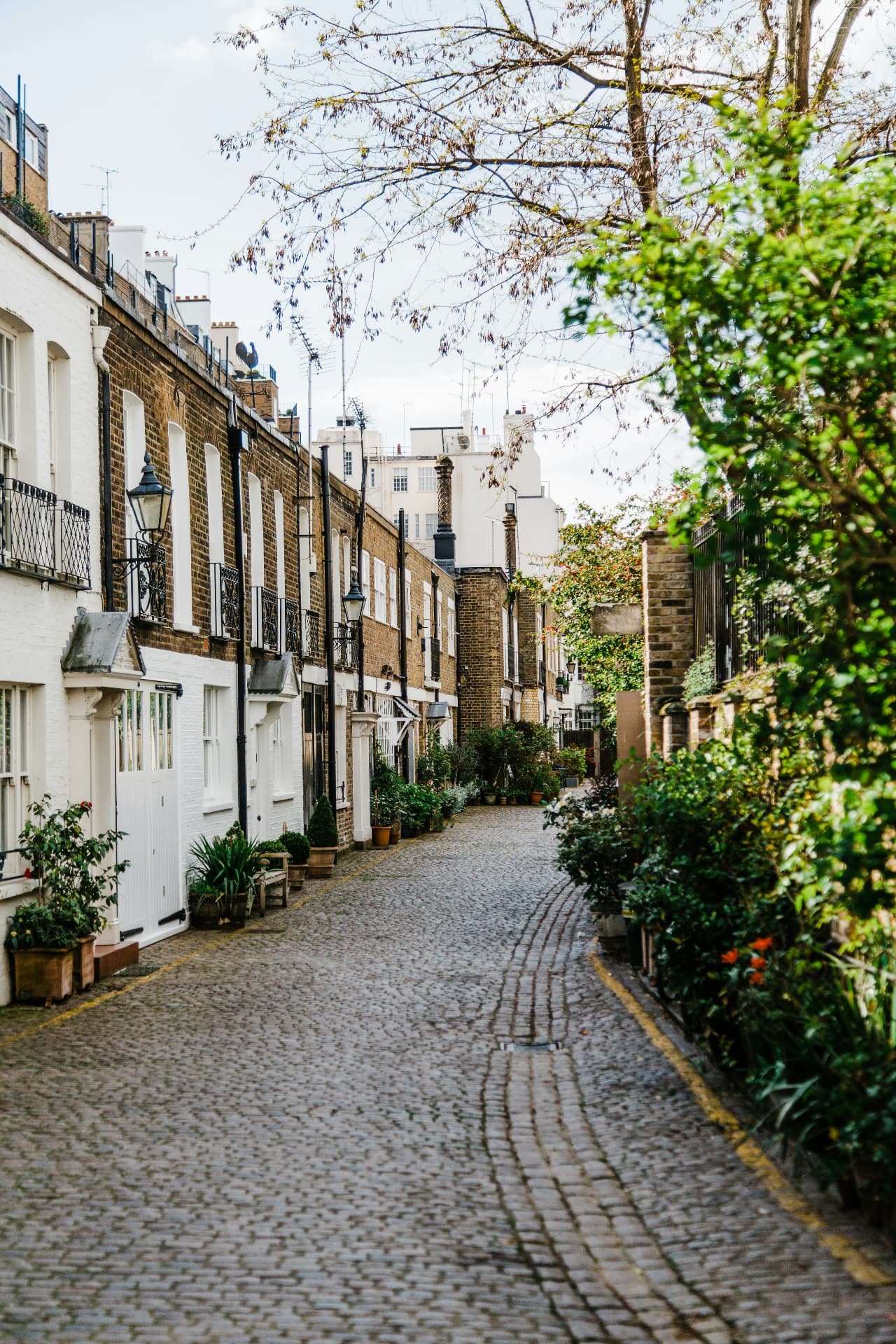
Bow house prices continue to reflect the area's evolution as one of East London's most compelling residential quarters. Drawing on HM Land Registry data, our team has analysed 205 property transactions to provide a comprehensive overview of Bow property prices throughout the current market cycle. With a median price of £450,000, this historic riverside neighbourhood offers buyers a distinctive blend of Victorian heritage, waterside living and exceptional transport connectivity that few London postcodes can match.
Average House Price Bow: Market Breakdown by Property Type
The average house price Bow varies significantly depending on property type, reflecting the area's diverse housing stock. According to HM Land Registry Price Paid Data, flats dominate the market with 171 transactions recorded at a median of £425,000, ranging from £92,500 to £882,000. This bracket captures everything from purpose-built studios near Bow Road station to spacious warehouse conversions in the celebrated Bow Quarter development.
Terraced houses command a premium, with 23 sales achieving a median of £775,000. These properties, predominantly Victorian and Edwardian designs lining streets between Roman Road and Victoria Park, attracted prices between £450,000 and £1.26 million. The upper end reflects fully renovated family homes with modern extensions and proximity to the park's green spaces.
Commercial conversions and mixed-use properties classified as 'other' recorded 11 transactions with a median of £1.55 million, spanning £324,000 to £3.5 million. These figures encompass live-work units and boutique residential schemes that have emerged along the Bow Common Lane corridor and the Hertford Union Canal.
Why Bow East London Appeals to Today's Buyers
Bow's geographical position offers something increasingly rare: genuine East London character within Zone 2. The area's industrial heritage has been carefully reimagined, with former match factories and warehouses now housing design studios, independent cafés and creative enterprises along Roman Road Market. This authenticity resonates with buyers seeking alternatives to more sanitised new-build quarters elsewhere in the capital.
Transport infrastructure remains a decisive factor in Bow sold prices. Bow Road (District and Hammersmith & City lines), Bow Church (DLR) and Mile End (Central, District and Hammersmith & City lines) provide multiple routes into the City, Canary Wharf and the West End. Crossrail services at nearby Stratford further enhance connectivity, making commutes to Heathrow or Reading surprisingly straightforward.
Victoria Park's 213 acres function as Bow's garden, drawing families and professionals who value outdoor space without compromising on urban convenience. The park's eastern boundary runs directly alongside Bow's most desirable streets, and properties with park views or immediate access consistently achieve premium valuations within our sales data.
Rental Market and Investment Perspective
ONS rental data reveals strong tenant demand across all bedroom categories. Studio apartments range from £700 to £1,100 per calendar month, whilst one-bedroom properties command £925 to £1,450. Two-bedroom flats, the most sought-after configuration, achieve £1,275 to £1,975 monthly, reflecting the area's appeal to sharers and young professionals working in Canary Wharf and the City.
Larger family homes attract proportionately higher rents: three-bedroom properties range from £1,700 to £2,650, four-bedroom houses from £2,275 to £3,525, and five-bedroom homes from £2,975 to £4,625 per calendar month. These figures demonstrate healthy yields for landlords, particularly for period terraces near Victoria Park and modern apartments in The Bow development along Payne Road.
Our team observes sustained interest from buy-to-let investors drawn to Bow's improving infrastructure and cultural renaissance. The Elizabeth line's impact on surrounding areas suggests continued upward pressure on both capital values and rental income, making Bow an increasingly strategic acquisition for long-term portfolio growth.
Talk to Seymont
What's your home worth?
A considered view on price, timing and how to bring your London home to market — a personal reply within 24 hours.
Your property
Step 1 of 2Navigating the Bow Property Market in 2026
Current market dynamics require buyers to move decisively when suitable properties emerge. Competition remains particularly fierce for period terraces with original features, riverside apartments with water views, and any property within a five-minute walk of Victoria Park. We recommend arranging viewings promptly and ensuring mortgage agreements in principle are secured before making offers.
Sellers benefit from Bow's enhanced profile and the ongoing regeneration of neighbouring districts. Presentation matters considerably in this market: properties that celebrate original Victorian or warehouse features whilst offering modern kitchens and bathrooms consistently outperform. Our team at [Seymont London's Bow estate agents](/estate-agents/bow) can provide tailored valuation advice that accounts for both the property's individual merits and current market sentiment.
Whether you're exploring [property for sale in Bow](/property-for-sale/bow) or considering [letting your property](/let-your-property/bow) in this dynamic market, understanding these pricing fundamentals provides essential context. For comprehensive data on specific streets and property types, our [Bow house prices](/house-prices/bow) resource offers granular insights to support your decision-making.
Talk to Seymont
What's your home worth?
A considered view on price, timing and how to bring your London home to market — a personal reply within 24 hours.
Your property
Step 1 of 2About the author
Amara BennettProperty Market Analyst
Amara spent seven years as a market analyst at Kestrel Lane Research, a small London property consultancy, before joining our editorial desk. She reads sold-price and rental data street by street to explain how individual London postcode districts actually behave, and reviews every price figure we publish. Her focus is separating headline national averages from what a specific address is worth today.
MSc Real Estate Economics · Seven years in property market research
- Valuations
- Local market data
- Sold prices
- Pricing strategy
Frequently asked
- What is the median house price in Bow in 2026?
- The median house price in Bow stands at £450,000 based on 205 transactions recorded in HM Land Registry Price Paid Data. However, this varies significantly by property type: flats have a median of £425,000, terraced houses £775,000, and commercial conversions or mixed-use properties £1.55 million.
- Is Bow a good area to buy property in London?
- Bow offers excellent value within Zone 2, combining Victorian heritage with modern regeneration. The area benefits from multiple transport links including Bow Road station, Bow Church DLR and proximity to Stratford's Elizabeth line services. Victoria Park's green space and the thriving Roman Road Market add considerable lifestyle appeal, making Bow increasingly attractive to families and professionals alike.
- What rental yields can landlords expect in Bow?
- Rental demand remains strong across all property types in Bow. One-bedroom flats achieve £925 to £1,450 per calendar month, whilst two-bedroom properties command £1,275 to £1,975 according to ONS data. With median purchase prices at £425,000 for flats, landlords can expect competitive yields, particularly for well-presented apartments near transport hubs and Victoria Park.
- How does Bow compare to neighbouring East London areas?
- Bow typically offers better value than adjacent Hackney Wick and Mile End, whilst providing similar connectivity and increasingly comparable cultural amenities. The area's warehouse conversions and period terraces attract buyers priced out of Victoria Park Village, and Bow's ongoing regeneration suggests continued price growth as the Elizabeth line's wider impact becomes evident across East London.
- What types of properties are most common in Bow?
- Flats dominate Bow's housing stock, representing 171 of 205 recorded transactions, including purpose-built apartments, warehouse conversions and units within developments like Bow Quarter. Victorian and Edwardian terraced houses form the second-largest category, particularly streets between Roman Road and Victoria Park, whilst a smaller number of commercial conversions and mixed-use properties offer alternative options for specific buyers.