Journal
Bow Area Guide
Written by Nina Castellano · Investment Property Advisor
Published 21 January 2026 · Updated 13 July 2026 · 3 min read
The short answer
Nestled in East London's vibrant heart, Bow bridges Victorian heritage with modern urban living. Our Bow area guide explores why this former industrial district has become one of the capital's most dynamic property markets.
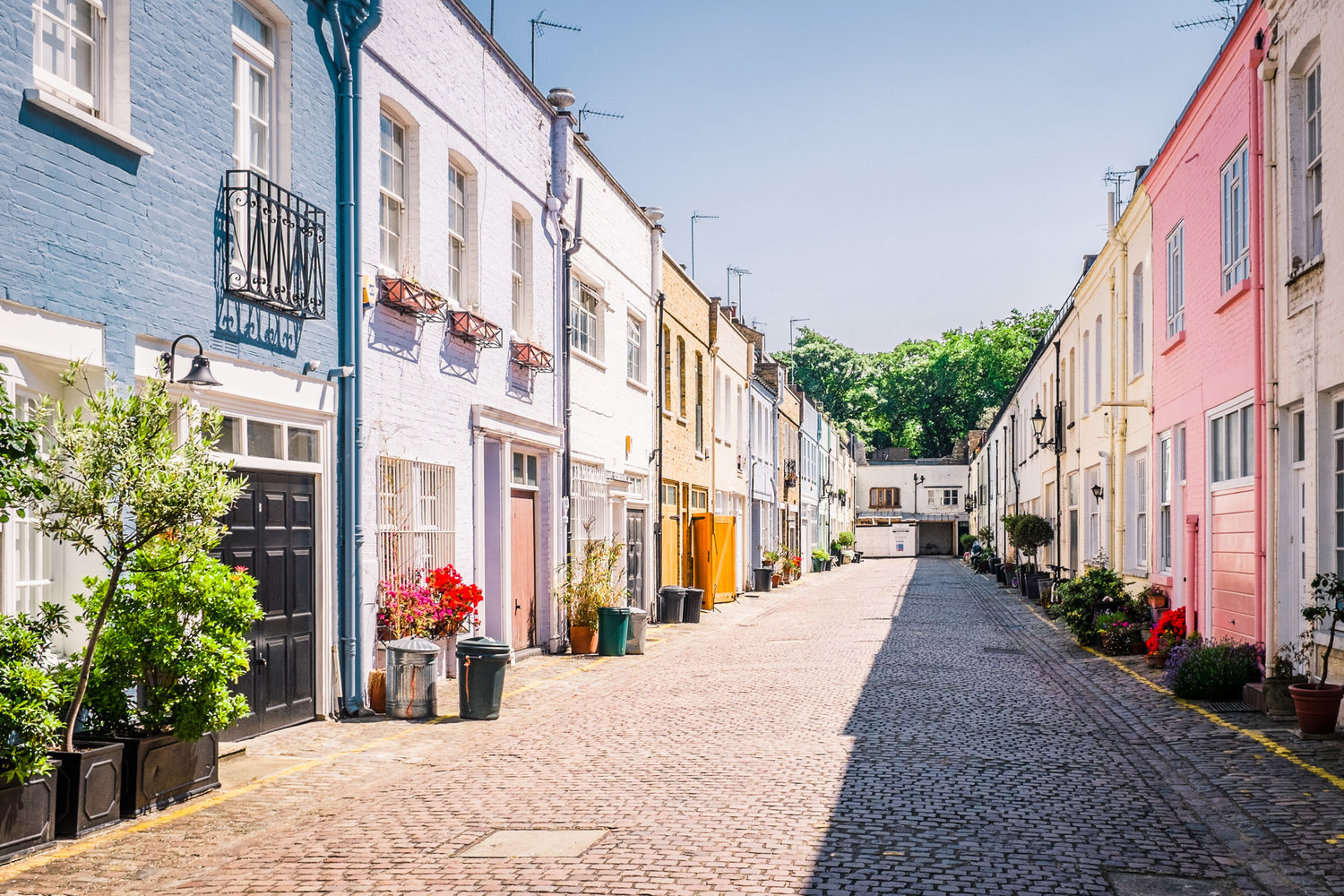
Nestled in East London's vibrant heart, Bow bridges Victorian heritage with modern urban living. Our Bow area guide explores why this former industrial district has become one of the capital's most dynamic property markets. With the Queen Elizabeth Olympic Park on its doorstep and the City within easy reach, Bow offers an increasingly rare combination: genuine character, excellent transport connections, and relative affordability compared to neighbouring Hackney and Tower Hamlets hotspots.
The Bow Property Market
According to HM Land Registry Price Paid Data, Bow recorded 205 property sales with a median price of £450,000. The market is overwhelmingly flat-dominated, with 171 apartment sales achieving a median of £425,000, whilst the 23 terraced properties commanded a considerably higher median of £775,000—reflecting the premium buyers place on outdoor space and period features.
For those exploring [Bow property](/property-for-sale/bow) opportunities, the range is striking: flats sold from £92,500 to £882,000, whilst terraced homes spanned £450,000 to £1.26 million. The 11 'other' category sales—likely commercial conversions and new-build schemes—showed the widest variance, from £324,000 to £3.5 million, underlining the area's diverse architectural landscape.
Rental data from the ONS reveals studios ranging from £700 to £1,100 monthly, one-bedroom properties from £925 to £1,450, and two-bedroom homes between £1,275 and £1,975. Three-bedroom rentals command £1,700 to £2,650, whilst larger family homes reach £2,275 to £3,525 for four bedrooms and £2,975 to £4,625 for five-plus bedrooms. These figures position Bow as notably more accessible than neighbouring Canary Wharf or Shoreditch, making it particularly attractive to young professionals and growing families.
Transport and Connectivity
Bow's transport credentials have transformed dramatically over recent decades. Bow Road and Bow Church DLR stations provide rapid access to Bank and Canary Wharf, whilst the District and Hammersmith & City lines from Bow Road reach central London in under 20 minutes. The Elizabeth line at nearby Stratford—just minutes away—has further enhanced connectivity, placing the West End within a 15-minute journey.
The area's Bow streets benefit from excellent cycling infrastructure, including Cycle Superhighway 2 running along the A11 and extensive Quietway routes threading through residential neighbourhoods. This cycling-friendly environment has contributed significantly to Bow's appeal amongst environmentally conscious Londoners seeking alternatives to car ownership.
For motorists, the A12 and Blackwall Tunnel provide straightforward routes across London, whilst proximity to the M11 makes eastern and northern destinations easily accessible. However, we've observed that many Bow residents deliberately choose the area for its public transport strength rather than road links.
Living in Bow: Culture and Community
The historic Bow Quarter—a striking conversion of the former Bryant & May match factory—epitomises the area's industrial-to-residential transformation. This landmark development, with its distinctive clock tower and landscaped courtyards, sits alongside traditional Victorian terraces and modern warehouse conversions, creating an architectural tapestry unique to East London.
Roman Road Market remains Bow's commercial and social heartbeat, offering everything from fresh produce to vintage fashion every Tuesday, Thursday, and Saturday. This centuries-old market street anchors a neighbourhood that has retained its authentic East End character despite gentrification pressures affecting surrounding areas.
Victoria Park—affectionately known as 'Vicky Park'—provides 213 acres of green space immediately west of Bow's residential core. The park hosts festivals, open-air cinema, and regular parkrun events, functioning as the area's primary recreational asset. Meanwhile, the nearby Olympic Park and the emerging East Bank cultural quarter promise continued investment and amenity enhancement for years ahead.
Talk to Seymont
What's your home worth?
A considered view on price, timing and how to bring your London home to market — a personal reply within 24 hours.
Your property
Step 1 of 2Selling or Letting Your Bow Property
Our team at [Seymont's Bow estate agents](/estate-agents/bow) has witnessed sustained buyer interest driven by several factors: the area's improving schools, diverse housing stock, and proximity to both the City and Tech City employment hubs. Period conversions in former industrial buildings command particular attention, as do family homes within the catchment of high-performing primaries.
For landlords considering whether to [let your property](/let-your-property/bow) in Bow, tenant demand remains robust. The area attracts a diverse demographic—from young professionals working in Canary Wharf to creative industry workers and established families—creating year-round letting opportunities across all property types.
Understanding [Bow house prices](/house-prices/bow) requires appreciating the neighbourhood's granular variations. Properties closer to Victoria Park typically command premiums, whilst those near major thoroughfares may offer better value. The ongoing regeneration along the Lea Valley and continued investment in local infrastructure suggest positive medium-term prospects for capital growth.
Talk to Seymont
What's your home worth?
A considered view on price, timing and how to bring your London home to market — a personal reply within 24 hours.
Your property
Step 1 of 2About the author
Nina CastellanoInvestment Property Advisor
Nina advises landlords and investors on rental yields, tenant demand and portfolio structure across Greater London, after running lettings and management at Bellhouse Property Partners. She has overseen single units and multi-property portfolios, and works through compliance, void periods and running costs before a purchase is agreed. Her articles deal with the numbers behind a buy-to-let rather than the headline gross yield.
Lettings and portfolio management · 9 years in London rentals
- Buy-to-let
- Rental yields
- Portfolio strategy
- Landlord compliance
Frequently asked
- Is Bow a good area to live in London?
- Bow offers an excellent balance of affordability, transport links, and community character. With Victoria Park nearby, strong connections to the City via DLR and Underground, and a genuine neighbourhood feel centred around Roman Road Market, it appeals particularly to young professionals and families seeking value without sacrificing convenience. The area's ongoing regeneration and proximity to the Olympic Park continue to enhance its residential appeal.
- How much does property cost in Bow?
- According to HM Land Registry data, the median property price in Bow is £450,000. Flats typically sell for a median of £425,000, whilst terraced houses command around £775,000. Rental prices vary from approximately £700–£1,100 for studios to £1,275–£1,975 for two-bedroom properties, based on ONS figures, making Bow more affordable than many neighbouring East London areas.
- What is Bow known for historically?
- Bow has deep industrial heritage, most famously as home to the Bryant & May match factory where the 1888 Match Girls' Strike took place—a pivotal moment in British labour history. The area developed along the River Lea and Regent's Canal, becoming a hub for manufacturing and commerce. Today, many former industrial buildings have been sensitively converted into residential properties, preserving this architectural legacy whilst serving modern urban living.
- How is transport connectivity in Bow?
- Bow enjoys excellent transport links with Bow Road station (District and Hammersmith & City lines) and Bow Church DLR providing direct routes to central London, Canary Wharf, and Bank. Nearby Stratford offers Elizabeth line, Central line, and National Rail services, placing the West End within 15 minutes. The area also benefits from extensive cycling infrastructure, including dedicated Cycle Superhighways and Quietways.
- What amenities does Bow offer residents?
- Bow centres around Roman Road Market, a historic street market operating three days weekly with diverse independent retailers. Victoria Park provides 213 acres of green space with sports facilities, cafés, and year-round events. The area offers numerous independent cafés, pubs, and restaurants, whilst the nearby Olympic Park and Westfield Stratford City provide extensive shopping, leisure, and cultural amenities within minutes.