Journal
Best Place to Live Outside London
Written by Thomas Lindqvist · Mortgage & Financing Specialist
Published 16 October 2025 · Updated 8 May 2026 · 4 min read
The short answer
If you're searching for the best place to live outside london, you're not alone—our team speaks with families and professionals every week who want more space, greenery and community without sacrificing their London career. The truth is there's no single answer: the best choice depends on your commute, budget and whether you prioritise outstanding schools, period charm or countryside access.
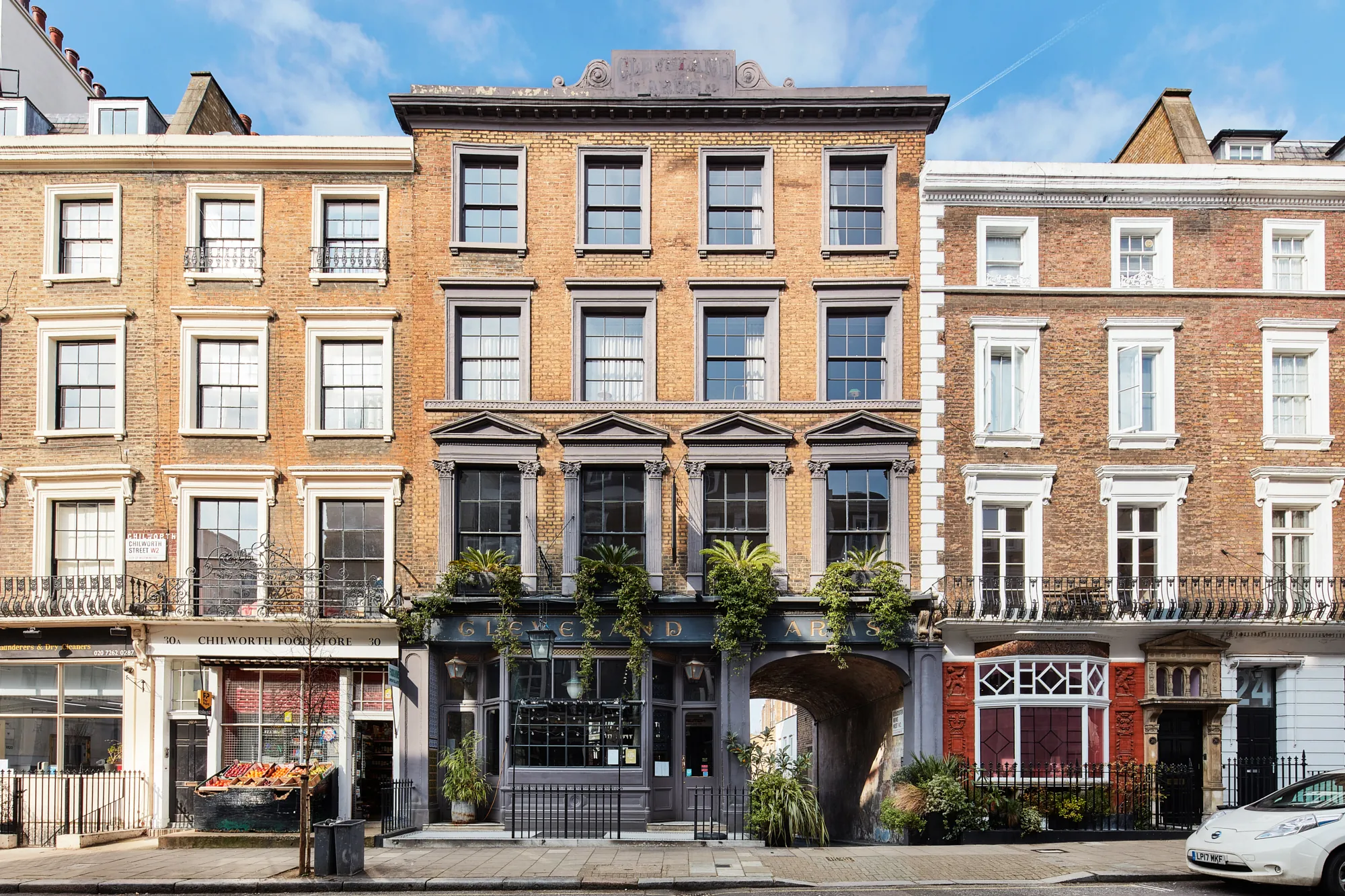
If you're searching for the best place to live outside london, you're not alone—our team speaks with families and professionals every week who want more space, greenery and community without sacrificing their London career. The truth is there's no single answer: the best choice depends on your commute, budget and whether you prioritise outstanding schools, period charm or countryside access. That said, certain towns consistently top our clients' shortlists for good reason. We've spent years tracking migration patterns through our /sold-prices data and advising buyers on everything from Victorian terraces to modern developments, so we know which places deliver on their promise and which simply trade on proximity to the capital.
Why People Leave London (and What They Look For)
The drivers are almost always the same: buyers want a house with a garden for less than a two-bedroom flat in Zones 2–3, plus good state schools, a high street that feels alive after 6pm, and a commute under an hour door-to-door. Many of our clients have already explored inner suburbs through our /estate-agents/richmond service but realise that even affluent London postcodes can't match the space and greenery available just beyond the M25.
What surprises first-time movers is how much character and independence these towns retain—they're not dormitory estates but long-established market towns and villages with their own histories, independent shops and tight-knit communities. The best place to live outside london isn't a compromise; it's often an upgrade in quality of life, provided you choose somewhere that genuinely suits your rhythm rather than chasing league tables alone.
Our Top Picks for Commuter Towns and Villages
**St Albans, Hertfordshire** A cathedral city with a twice-weekly charter market, St Albans offers Roman ruins, a thriving independent high street on George Street and St Peter's Street, and fast trains to St Pancras in around 20 minutes. The combination of history, excellent state and independent schools, and a café culture that rivals inner London makes it perennially popular with young families.
**Tunbridge Wells, Kent** The Pantiles' Georgian colonnade remains the heart of this spa town, and the broader high street mixes chains with delis, bookshops and wine bars. You're 50 minutes from Charing Cross, surrounded by Wealden countryside and close to outstanding grammar schools—hence the consistent demand we see from buyers leaving South London.
**Marlow, Buckinghamshire** Set on the Thames with the weir and suspension bridge as its postcard landmarks, Marlow feels more Cotswolds than commuter belt. The high street along West Street and High Street supports an unusual density of restaurants (several with AA rosettes) and you're an hour from Marylebone via Maidenhead. It's pricier than many alternatives but delivers a genuinely picturesque setting.
**Guildford, Surrey** The cobbled High Street climbs steeply from the River Wey to the castle ruins, lined with a mix of independents and nationals. Trains reach Waterloo in 35 minutes, the University of Surrey brings cultural energy, and you have the North Downs on your doorstep. Our /property-for-sale/richmond clients often compare the two—Guildford offers more space and easier access to open country.
**Hitchin, Hertfordshire** A medieval market town centred on a wide marketplace and the Priory church, Hitchin consistently appears on quality-of-life surveys yet remains slightly under the radar compared to St Albans. The train to King's Cross takes 35 minutes, and the surrounding villages—Whitwell, Ickleford—offer chocolate-box appeal within cycling distance.
**Sevenoaks, Kent** The name comes from the ancient oaks on The Vine cricket ground, and the town retains a gracious, unhurried character. Trains to London Bridge or Charing Cross run frequently in around 30 minutes, Knole Park (a National Trust estate) borders the town, and the grammar schools attract families willing to pay a premium for the catchment.
**Berkhamsted, Hertfordshire** The Grand Union Canal, a Norman castle and a long high street create a linear market town with bags of character. Trains reach Euston in 35 minutes, the Chilterns start immediately to the north, and the town has a thriving arts scene and strong sense of community that feels organic rather than manufactured.
How to Choose the Right Town for You
Start by mapping your actual commute—door-to-door times vary hugely depending on Tube connections and peak-hour frequency, so test the journey at 8am on a weekday before you fall in love with a postcode. Then spend a Saturday in each shortlisted town: walk the high street, sit in a café, visit the park and notice whether you see the kind of life you want to live.
Use our /sold-prices tool to understand what your London equity will buy in each location, then cross-reference school catchments (if relevant) and the viability of car-free or car-light living. The best place to live outside london for your neighbour might be entirely wrong for you—this is one decision where generic rankings matter far less than personal fit.
Talk to Seymont
What's your home worth?
A considered view on price, timing and how to bring your London home to market — a personal reply within 24 hours.
Your property
Step 1 of 2Next Steps: Get Local Intelligence
Every town we've mentioned has its own micro-markets, catchment quirks and hidden pitfalls that only emerge when you dig into the detail. If Richmond or similar inner suburbs are also on your list, explore our /estate-agents/richmond hub to compare what staying closer to London might offer.
For a clear-eyed view of what your current home is worth and what it will buy you beyond the M25, book a phone appointment with Seymont London through our /valuation page—we'll walk you through sold prices, commute realities and school catchments with no obligation and no sales pressure, just straight answers from a team that advises on this move every week.
Talk to Seymont
What's your home worth?
A considered view on price, timing and how to bring your London home to market — a personal reply within 24 hours.
Your property
Step 1 of 2About the author
Thomas LindqvistMortgage & Financing Specialist
Thomas advised buyers for a decade at Ashgrove Financial, an independent brokerage, on borrowing capacity, product selection and the full cost of a purchase, including stamp duty, legal fees and lender charges. He follows rate decisions and lender criteria changes and translates them into what a household can realistically afford. His guides cover affordability, remortgaging and the closing costs that buyers routinely underestimate.
CeMAP qualified · Whole-of-market mortgage advice background
- Mortgages
- Affordability
- Closing costs
- Remortgaging
Frequently asked
- What is the best place to live outside London for families?
- St Albans, Sevenoaks and Tunbridge Wells consistently rank highest for families due to their combination of outstanding state and grammar schools, safe neighbourhoods, green space and strong community networks. The choice depends on your commute direction and whether you prioritise school catchments or access to countryside.
- How far outside London should I look to get more space?
- Most buyers find the sweet spot 25–40 miles out, where commutes stay under an hour but house prices drop 30–50% compared to inner London. Towns like Hitchin, Berkhamsted and Guildford sit in this band and offer gardens and period homes that would cost double in Zones 3–4.
- Can I live outside London without a car?
- Yes, in towns with frequent fast trains and a compact high street—St Albans, Guildford and Tunbridge Wells all support car-free living for London commuters. You'll rely more on online delivery for bulk shopping, but day-to-day essentials, schools and the station are typically walkable or cyclable.
- Which commuter towns have the best high streets?
- Marlow, St Albans and Hitchin stand out for independent shops, cafés and restaurants that create genuine high-street culture rather than clone-town chains. Guildford and Tunbridge Wells offer a broader mix, including department stores and national brands alongside independents.
- Is it worth moving outside London if I only go to the office twice a week?
- Hybrid working has expanded viable options significantly—towns up to 90 minutes away (like Lewes or Sherborne) now attract London workers who commute occasionally. The key is ensuring your twice-weekly journey is bearable and that the town itself offers enough to fill your non-commuting days with culture, nature or community.