Journal
Wimbledon Property Market Report: Expert Analysis and Insights
Written by Nina Castellano · Investment Property Advisor
Published 13 October 2025 · Updated 1 July 2026 · 4 min read
The short answer
The Wimbledon property market continues to demonstrate its enduring appeal among discerning buyers and investors seeking the perfect blend of village charm, metropolitan connectivity and green space. Our team has analysed the latest transaction data and local trends to provide a comprehensive overview of what's happening across SW19.
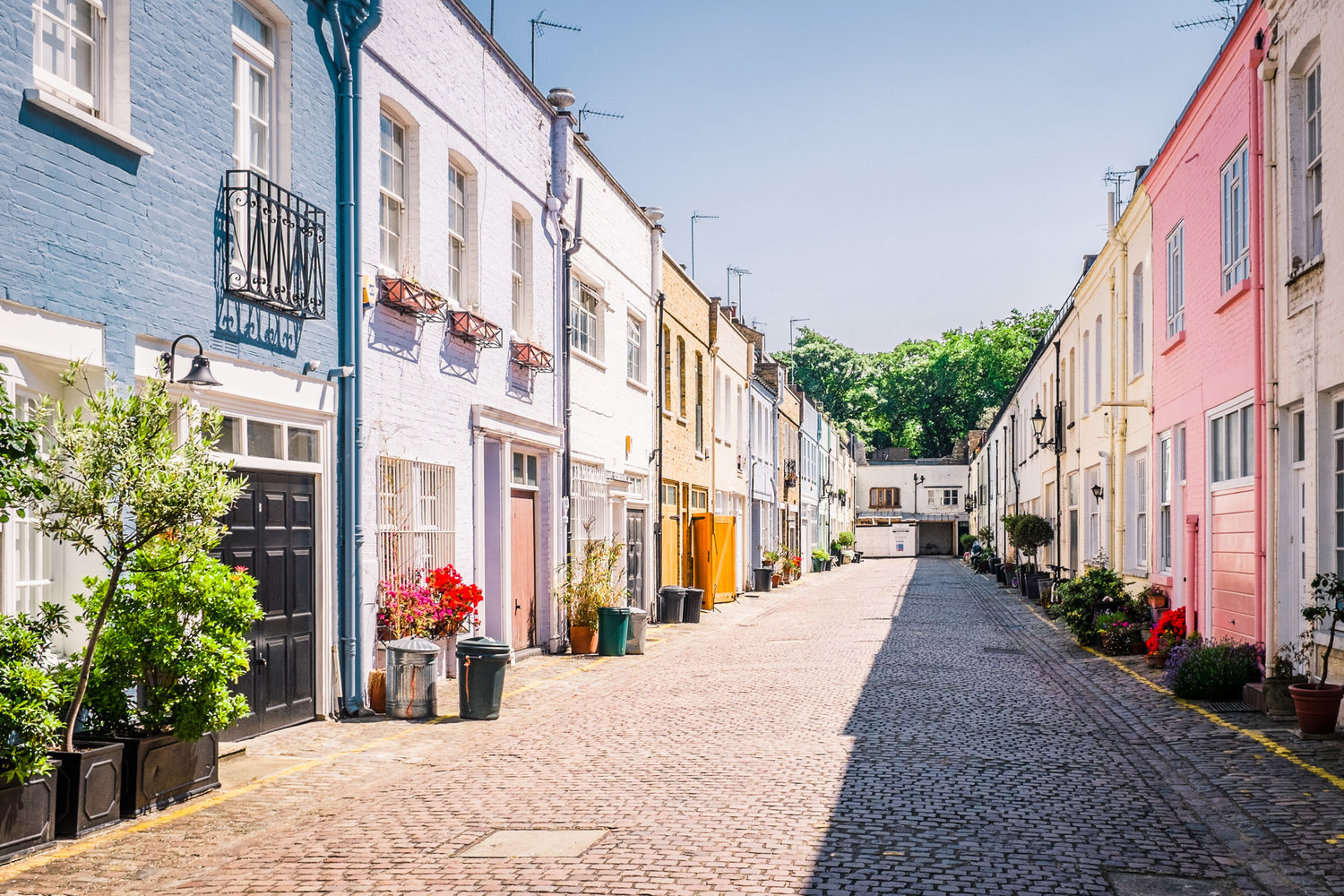
The Wimbledon property market continues to demonstrate its enduring appeal among discerning buyers and investors seeking the perfect blend of village charm, metropolitan connectivity and green space. Our team has analysed the latest transaction data and local trends to provide a comprehensive overview of what's happening across SW19. With a median price of £555,000 recorded across 346 sales in the past year (HM Land Registry), Wimbledon maintains its position as one of South West London's most sought-after residential locations. From the leafy streets of Wimbledon Village to the accessible transport hubs around South Wimbledon, this diverse area offers something for every property aspiration.
Current Wimbledon Price Trends Across Property Types
Understanding the Wimbledon housing market requires examining how different property types perform across this varied SW19 landscape. According to HM Land Registry data, flats represent the largest segment with 194 transactions at a median price of £435,000, ranging from £154,000 to £2.2 million. This diversity reflects everything from purpose-built apartments near the station to luxury developments with tennis court views.
Terraced houses commanded a median of £825,000 across 99 sales, with prices spanning £295,000 to £1.67 million. These properties remain particularly popular with families seeking period charm combined with manageable outdoor space. The terraced stock varies considerably between the conservation areas around Wimbledon Village and the more accessible streets closer to South Wimbledon.
At the upper end, semi-detached properties achieved a median of £1.255 million (27 sales), whilst detached houses reached £3.15 million across 11 transactions, with the highest sale recording £6.64 million. These figures underscore Wimbledon's status as a destination for substantial family homes, particularly in the tree-lined roads near Wimbledon Common and around Wimbledon Chase, where period properties and modern architect-designed residences command premium prices.
Rental Market Analysis: What Tenants Pay in Wimbledon
The rental sector provides crucial insight into the Wimbledon housing market's accessibility and investment potential. ONS data reveals studio flats typically range from £875 to £1,350 per month, whilst one-bedroom properties command between £1,150 and £1,800. These entry-level rentals attract young professionals working in the City or Canary Wharf who value Wimbledon's District Line connections and quality of life.
Two-bedroom properties, consistently popular with sharers and small families, achieve monthly rents between £1,575 and £2,450. Three-bedroom homes range from £2,075 to £3,250, reflecting strong demand from families prioritising access to Wimbledon High School and other outstanding educational institutions. The premium end sees four-bedroom properties at £2,775 to £4,325, whilst five-bedroom-plus homes command £3,650 to £5,700 monthly.
These rental figures demonstrate healthy yields for investors, particularly given Wimbledon's consistent tenant demand driven by its excellent schools, transport infrastructure and village amenities. Our team at [Seymont London's Wimbledon office](/estate-agents/wimbledon) regularly advises landlords on maximising returns whilst maintaining the high standards discerning Wimbledon tenants expect.
Is Wimbledon a Good Investment? Location-Specific Factors
When evaluating is Wimbledon a good investment, several location-specific factors distinguish SW19 from neighbouring markets. The area's international recognition through the Championships creates a powerful brand that extends far beyond the fortnight each June. This global profile attracts international buyers and renters who associate Wimbledon with prestige, green space and British heritage—attributes that historically prove resilient during market fluctuations.
Wimbledon Village itself represents a particularly compelling micro-market, combining independent boutiques, cafes and restaurants with some of London's finest period architecture. Properties here command significant premiums, but the village's planning protections and established character provide long-term value security. Meanwhile, areas around South Wimbledon offer more accessible entry points whilst benefiting from ongoing regeneration and the same excellent transport links.
The educational landscape significantly influences property values, with Wimbledon High School among several outstanding institutions driving family demand. Combined with 460 hectares of Wimbledon Common providing an exceptional outdoor amenity, plus gyms, cafes and lifestyle infrastructure throughout the area, the fundamentals supporting property values remain robust. Investors examining [Wimbledon property for sale](/property-for-sale/wimbledon) should consider both immediate yields and the area's structural advantages for long-term capital growth.
Talk to Seymont
What's your home worth?
A considered view on price, timing and how to bring your London home to market — a personal reply within 24 hours.
Your property
Step 1 of 2Neighbourhood Dynamics: From Wimbledon Village to South Wimbledon
Wimbledon's property market cannot be understood as a single entity—its neighbourhoods each possess distinct characteristics influencing values and buyer profiles. Wimbledon Village, with its high street charm and proximity to the Common, attracts established families and downsizers seeking village living within Zone 3. Properties here, particularly period houses with original features, rarely remain available long and typically achieve prices well above the SW19 median.
The areas surrounding Wimbledon Chase and towards Raynes Park offer slightly more accessible pricing whilst maintaining excellent schools and green space access. These roads appeal to growing families requiring more square footage than central Wimbledon budgets allow, yet unwilling to compromise on the SW19 postcode's lifestyle advantages.
South Wimbledon, centred around its Northern Line station, presents a different proposition entirely. More urban in character with greater flat stock, this area attracts first-time buyers and young professionals prioritising transport connectivity and value. The ongoing evolution of Merton High Street and surrounding areas continues to enhance South Wimbledon's appeal, with new cafes, gyms and independent businesses improving the neighbourhood fabric. Our analysis of [Wimbledon house prices](/house-prices/wimbledon) reveals these sub-market variations are crucial for buyers and investors aligning budgets with lifestyle priorities.
Market Outlook and Opportunities
Looking ahead, several factors position the Wimbledon property market favourably. The area's transport infrastructure—combining District and Northern Line services, National Rail connections to Waterloo, and excellent road links—provides resilience as hybrid working patterns evolve. Buyers increasingly prioritise locations offering both commutability and genuine village amenities, a combination Wimbledon delivers exceptionally well.
The ongoing investment in local infrastructure, from retail enhancements to sports facilities and green space improvements, continues raising Wimbledon's already high baseline. Planning policies protecting the village character whilst permitting sensitive development create a balanced environment where property values reflect genuine scarcity and enduring demand rather than speculative excess.
For landlords considering the rental market, Wimbledon's tenant profile—predominantly professionals and families seeking stability—typically translates to longer tenancies and conscientious occupancy. Our [letting services](/let-your-property/wimbledon) reflect this market reality, focusing on matching quality properties with committed tenants who value what Wimbledon offers. Whether purchasing for owner-occupation or investment, understanding these neighbourhood-specific dynamics and market fundamentals proves essential for making informed decisions in one of London's most distinctive residential locations.
Talk to Seymont
What's your home worth?
A considered view on price, timing and how to bring your London home to market — a personal reply within 24 hours.
Your property
Step 1 of 2About the author
Nina CastellanoInvestment Property Advisor
Nina advises landlords and investors on rental yields, tenant demand and portfolio structure across Greater London, after running lettings and management at Bellhouse Property Partners. She has overseen single units and multi-property portfolios, and works through compliance, void periods and running costs before a purchase is agreed. Her articles deal with the numbers behind a buy-to-let rather than the headline gross yield.
Lettings and portfolio management · 9 years in London rentals
- Buy-to-let
- Rental yields
- Portfolio strategy
- Landlord compliance
Frequently asked
- What is the average property price in Wimbledon?
- According to HM Land Registry data, the median property price in Wimbledon is £555,000 across all property types. However, prices vary significantly by type: flats have a median of £435,000, terraced houses £825,000, semi-detached properties £1.255 million, and detached houses £3.15 million. The area's diverse housing stock means prices range from under £200,000 for smaller flats to over £6 million for premium detached homes, particularly around Wimbledon Village and near the Common.
- Is Wimbledon Village more expensive than South Wimbledon?
- Yes, Wimbledon Village properties typically command significant premiums compared to South Wimbledon. The Village's conservation area status, independent high street, proximity to Wimbledon Common, and period architecture create a distinct micro-market with limited supply and strong demand from established families. South Wimbledon offers more accessible entry points with greater flat stock and focuses on transport connectivity via the Northern Line, attracting first-time buyers and young professionals seeking value within the SW19 postcode.
- What rental income can I expect from a Wimbledon investment property?
- Rental yields in Wimbledon vary by property size and location. ONS data shows one-bedroom flats achieve £1,150-£1,800 monthly, two-bedroom properties £1,575-£2,450, and three-bedroom homes £2,075-£3,250. Four-bedroom properties command £2,775-£4,325, whilst larger family homes reach £3,650-£5,700 monthly. Wimbledon's strong tenant demand—driven by excellent schools, transport links and lifestyle amenities—typically results in lower void periods and conscientious tenants, making it an attractive location for buy-to-let investors.
- How does Wimbledon High School affect local property prices?
- Wimbledon High School, consistently ranked among London's top independent schools, significantly influences property demand and values across SW19. Families prioritising educational excellence actively seek properties within practical distance of the school, creating sustained demand particularly for three and four-bedroom homes. This educational premium extends beyond the immediate vicinity, as Wimbledon's broader reputation for outstanding state and independent schools makes the entire area highly desirable for families, supporting long-term property values and rental demand.
- What makes Wimbledon different from other South West London property markets?
- Wimbledon's unique combination of factors distinguishes it from neighbouring areas: international recognition through the Championships, 460 hectares of Common providing unmatched green space, genuine village character with independent shops and cafes, dual Underground lines plus National Rail services, and outstanding schools. Unlike many London suburbs that offer one or two of these attributes, Wimbledon delivers all simultaneously. This creates a diverse property market serving everyone from first-time buyers in South Wimbledon to multi-million-pound family homes in the Village, with structural demand drivers supporting values across market cycles.