Journal
Wimbledon Area Guide
Written by Thomas Lindqvist · Mortgage & Financing Specialist
Published 25 June 2026 · Updated 10 August 2026 · 7 min read
The short answer
Wimbledon occupies a unique position in London's landscape, combining genuine village charm with exceptional transport links and world-famous sporting heritage. Our Wimbledon area guide draws on our team's extensive experience helping clients navigate this distinctive SW19 market, where tree-lined streets, independent shops and the sprawling Common create an environment that feels remarkably removed from central London yet remains wonderfully accessible.
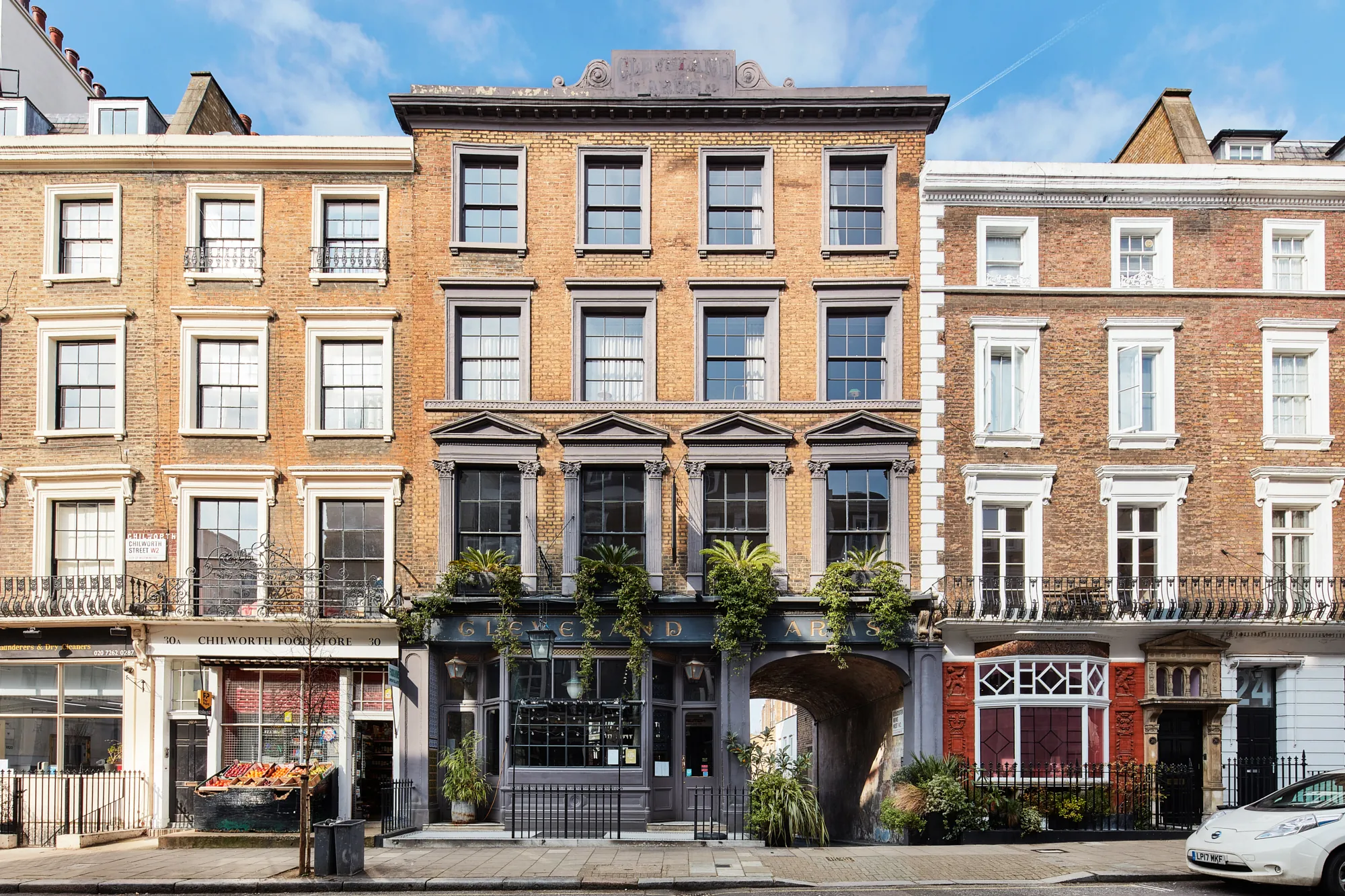
Wimbledon occupies a unique position in London's landscape, combining genuine village charm with exceptional transport links and world-famous sporting heritage. Our Wimbledon area guide draws on our team's extensive experience helping clients navigate this distinctive SW19 market, where tree-lined streets, independent shops and the sprawling Common create an environment that feels remarkably removed from central London yet remains wonderfully accessible. Whether you're considering Wimbledon property for its outstanding schools, green spaces or thriving community, understanding the area's distinct neighbourhoods and market dynamics proves essential to making informed decisions.
Understanding Wimbledon's Neighbourhoods
Wimbledon Village represents the area's historic heart, perched on the hillside with its boutique shops, artisan cafes and Georgian architecture creating an atmosphere more reminiscent of a prosperous Home Counties town than a London suburb. The High Street winds upwards past the Rose & Crown and Dog & Fox pubs, whilst independent retailers and respected restaurants line the pavements. According to HM Land Registry data, the median property price across Wimbledon stands at £555,000, though Village properties typically command significant premiums reflecting their postcode cachet and proximity to the Common.
Wimbledon Town Centre clusters around the station, offering a contrasting character with the Centre Court shopping centre, chain restaurants and a distinctly more urban feel. This area attracts buyers seeking excellent transport connections—the mainline service reaches Waterloo in just seventeen minutes—alongside everyday amenities. South Wimbledon, stretching towards Merton, provides more affordable entry points whilst maintaining good links via the Northern line, making it particularly popular with first-time buyers and young professionals.
The areas surrounding Wimbledon Chase and towards Raynes Park offer family-friendly streets with generous gardens, appealing to those prioritising space and access to reputable schools. Our team at <a href="/estate-agents/wimbledon">Seymont London's Wimbledon office</a> regularly works with clients exploring these distinct micro-markets, each offering different advantages depending on lifestyle priorities and budget.
Wimbledon Common itself—over 1,100 acres of protected heathland, woodland and open space—fundamentally shapes the area's appeal, providing horse-riding facilities, golf courses and endless walking routes. Properties bordering the Common naturally attract premium valuations, with buyers paying considerably more for direct access to this remarkable green lung.
Wimbledon Property Market Insights
The Wimbledon guide to property types reveals remarkable diversity. Flats dominate transaction volumes, accounting for 194 of 346 recent sales recorded by the Land Registry, with a median price of £435,000. These range from purpose-built mansion blocks near the station to converted Victorian properties in the Village, offering options from compact studios at the lower end (£154,000 minimum recorded) to luxury penthouses exceeding £2 million.
Terraced houses represent the next significant segment, with 99 sales at a median of £825,000. Wimbledon's terraced streets—particularly the grid pattern between the town and Southfields—provide characterful family homes, many retaining period features whilst benefiting from modern extensions and loft conversions. The substantial price range (£295,000 to £1.67 million) reflects variations in size, condition and precise location.
Semi-detached properties command a median of £1.255 million, whilst detached houses—the rarest category with just 11 sales—reach a median of £3.15 million, with the maximum recorded at £6.64 million. These premium properties cluster around the Village and Common edges, offering substantial gardens and parking that remain highly prized in this part of London. For current availability, explore our <a href="/property-for-sale/wimbledon">Wimbledon properties for sale</a>.
The rental market demonstrates equally broad appeal. ONS data shows studio apartments ranging from £875 to £1,350 monthly, whilst one-bedroom flats command £1,150 to £1,800. Family-sized accommodation spans from £2,075–£3,250 for three bedrooms through to £3,650–£5,700 for five-plus bedroom houses, reflecting the area's popularity with corporate relocations and families seeking access to Wimbledon's educational offerings.
Schools and Family Appeal
Educational provision significantly influences Wimbledon property decisions. Wimbledon High School, part of the Girls' Day School Trust, consistently ranks among the country's top-performing independent schools and drives substantial demand for nearby properties. The co-educational King's College School in neighbouring Southside similarly attracts families willing to pay premiums for catchment proximity, though as a private institution, catchment proves less relevant than the desirability of reasonable commuting distance.
The state sector offers well-regarded options including Wimbledon Chase Primary School, which serves the eastern residential areas, and Ricards Lodge High School, a girls' comprehensive with strong academic results. Sacred Heart RC Primary and Hollymount Primary also maintain excellent reputations, with parents often prioritising Wimbledon streets within their catchment areas when house-hunting.
This educational infrastructure creates particularly competitive market conditions each spring as families seek to relocate before September term starts. Our team regularly advises clients to begin their search well in advance, as desirable family homes in school-proximity locations typically attract multiple offers. The combination of outstanding schools, green space and community facilities makes Wimbledon perennially popular with families, sustaining property values even during broader market corrections.
Beyond formal education, the area provides excellent childcare facilities, tennis coaching (naturally), sports clubs and music schools, creating a comprehensive ecosystem for family life that justifies the investment many make in Wimbledon property.
Talk to Seymont
What's your home worth?
A considered view on price, timing and how to bring your London home to market — a personal reply within 24 hours.
Your property
Step 1 of 2Lifestyle, Culture and Amenities
Whilst the Championships define Wimbledon's global identity, residents enjoy the All England Club's presence year-round through the Wimbledon Lawn Tennis Museum and the area's sporting culture. Numerous local clubs offer tennis coaching, and the queue for Championship tickets each June creates a unique fortnight when the area buzzes with international visitors—something prospective buyers should experience before committing, as it significantly impacts local life.
The Village's cafe culture thrives along the High Street, with established names like Gail's Bakery alongside independent operators offering everything from artisan coffee to organic provisions. The area supports a gym scene catering to various preferences, from boutique studios to larger facilities, whilst the Common provides natural outdoor exercise opportunities that many residents cite as transformative for their wellbeing.
Culturally, Wimbledon benefits from the New Wimbledon Theatre and Studio, presenting West End productions, comedy and children's shows, plus the Polka Theatre, a dedicated children's venue of national significance. The quarterly Wimbledon Village Farmers' Market and various community events foster genuine neighbourhood connection, distinguishing the area from more transient London postcodes.
Dining options span from the Michelin-listed Light House to dependable chains in the town centre, whilst traditional pubs like the Hand in Hand maintain loyal followings. The retail offer combines High Street names in Centre Court with Village boutiques selling everything from children's wear to interior design, creating genuine self-sufficiency that reduces the need to travel into central London for many purchases.
Transport and Connectivity
Wimbledon's exceptional transport infrastructure significantly enhances its residential appeal. The mainline station provides direct services to Waterloo (seventeen minutes), Clapham Junction and destinations across Surrey and beyond, whilst District line services connect to Victoria, Westminster and the City. The northern terminus of the Tramlink system extends to Croydon, Beckenham and New Addington, creating excellent orbital connections bypassing central London entirely.
South Wimbledon station on the Northern line offers an alternative route into central London via the Morden branch, serving the eastern residential areas. This multi-modal connectivity makes Wimbledon viable for diverse commuting patterns, from City workers to those with offices in Croydon or Guildford.
Road links via the A3 and proximity to the M25 facilitate car journeys, though parking constraints in the Village and near the station require consideration. The area benefits from excellent bus networks, and the gentle topography around the town makes cycling practical, with routes through the Common particularly pleasant.
This accessibility proves crucial to the area's enduring popularity. Our analysis at Seymont London consistently shows transport links ranking alongside schools as primary purchase motivations, with buyers willing to pay premiums for properties within comfortable walking distance of the station. For detailed local market analysis, visit our <a href="/house-prices/wimbledon">Wimbledon house prices</a> page.
Investment Perspective and Market Outlook
Wimbledon property demonstrates resilient long-term performance, supported by structural advantages unlikely to diminish. The protected Common, established schools and transport infrastructure create enduring appeal across economic cycles, whilst the international profile maintains overseas buyer interest.
The diversity of property types supports various investment strategies. Flats near the station generate consistent rental demand from professionals and corporate tenants, with yields typically ranging from 3-4% gross depending on purchase price and specification. Family houses appeal to longer-term tenants seeking stability, with our <a href="/let-your-property/wimbledon">Wimbledon lettings team</a> typically achieving shorter void periods for well-presented properties in school-proximity locations.
The area's maturity means dramatic capital appreciation appears less likely than in emerging locations, but equally, downside risk remains limited by the fundamental supply-demand imbalance—desirable family housing in this location cannot be readily created, whilst demand from affluent households continues. Second-property investors should naturally factor stamp duty implications into their calculations, with additional rates applying to purchases beyond a main residence.
We observe continuing appetite from downsizers moving from larger Surrey properties who value Wimbledon's village atmosphere combined with better transport links, creating demand at the premium end. Simultaneously, first-time buyers stretch budgets to access the area, particularly in South Wimbledon and conversion flats, maintaining activity across price bands. This broad-based demand provides market stability that more narrowly-focused locations struggle to match.
Talk to Seymont
What's your home worth?
A considered view on price, timing and how to bring your London home to market — a personal reply within 24 hours.
Your property
Step 1 of 2About the author
Thomas LindqvistMortgage & Financing Specialist
Thomas advised buyers for a decade at Ashgrove Financial, an independent brokerage, on borrowing capacity, product selection and the full cost of a purchase, including stamp duty, legal fees and lender charges. He follows rate decisions and lender criteria changes and translates them into what a household can realistically afford. His guides cover affordability, remortgaging and the closing costs that buyers routinely underestimate.
CeMAP qualified · Whole-of-market mortgage advice background
- Mortgages
- Affordability
- Closing costs
- Remortgaging
Frequently asked
- What is the difference between Wimbledon Village and Wimbledon Town?
- Wimbledon Village sits on the hillside near the Common, characterised by independent boutiques, period properties and a more exclusive, village-like atmosphere. Wimbledon Town centres on the station area with the Centre Court shopping centre, chain retailers and a busier, more urban environment. The Village typically commands higher property prices due to its setting and postcode appeal, whilst the Town offers superior transport connectivity and everyday amenities.
- How much does it cost to rent in Wimbledon?
- According to ONS data, Wimbledon rental costs vary significantly by property size. Studio apartments range from £875 to £1,350 monthly, one-bedroom flats from £1,150 to £1,800, two-bedroom properties from £1,575 to £2,450, three-bedroom homes from £2,075 to £3,250, and larger four-plus bedroom houses from £2,775 upwards, with five-bedroom properties reaching £5,700 monthly. Location, condition and specific features create variation within these bands.
- Is Wimbledon a good area for families?
- Wimbledon excels as a family location due to outstanding schools including Wimbledon High School, substantial green space particularly the Common, excellent transport links and comprehensive family amenities. The combination of state and independent educational options, safe residential streets, sports facilities and community activities makes it perennially popular with families, though this demand naturally reflects in property prices and market competition.
- What is the average house price in Wimbledon?
- HM Land Registry data shows a median property price of £555,000 across Wimbledon, though this varies dramatically by type. Flats achieve a median of £435,000, terraced houses £825,000, semi-detached properties £1,255,000 and detached houses £3,150,000. Location within Wimbledon—particularly proximity to the Village, Common or station—significantly affects values within each category.
- How long does it take to get from Wimbledon to central London?
- Wimbledon station provides mainline services to London Waterloo in approximately seventeen minutes, making it one of the fastest connections from southwest London. District line services take slightly longer to reach Victoria and Westminster (around thirty minutes), whilst the Northern line from South Wimbledon offers alternative routes to the City. This exceptional connectivity represents a key factor in the area's residential popularity.